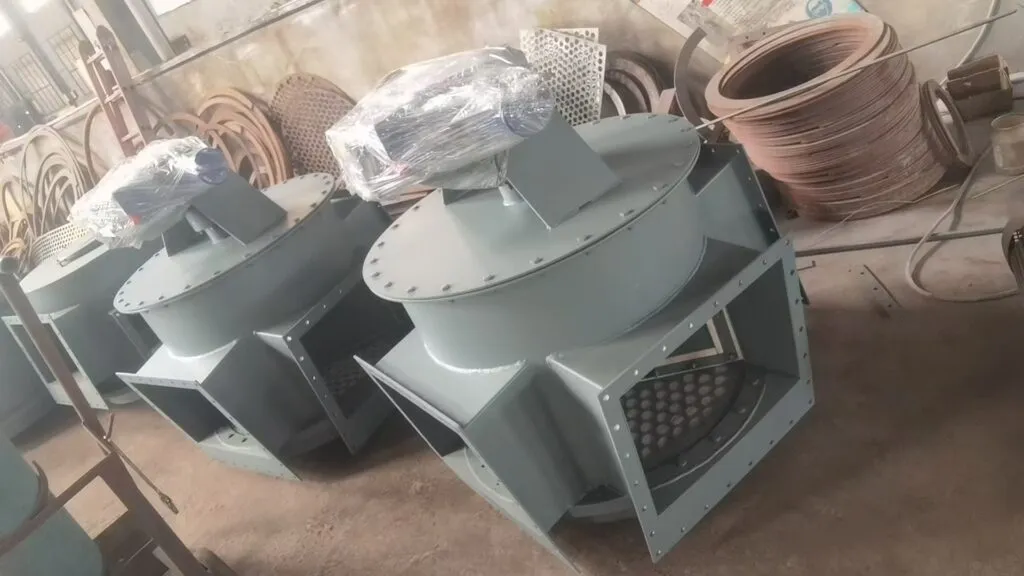
What Is Cement Silo Bottom Discharge System? Design, Components, and Industry Best Practices

A cement silo bottom discharge system is a critical part of modern bulk material handling in cement plants and powder processing facilities. It directly influences discharge stability, dust control performance, material flow efficiency, and downstream equipment reliability. Poorly designed silo bottom systems often cause arching, rat-holing, uncontrolled surges, and excessive maintenance. This industry-focused article explains what a cement silo bottom discharge system is, how it works, its key components, common operational challenges, and best practices widely adopted in cement plants worldwide. The content is intended for plant engineers, EPC contractors, and bulk material handling professionals seeking reliable and efficient silo discharge solutions.
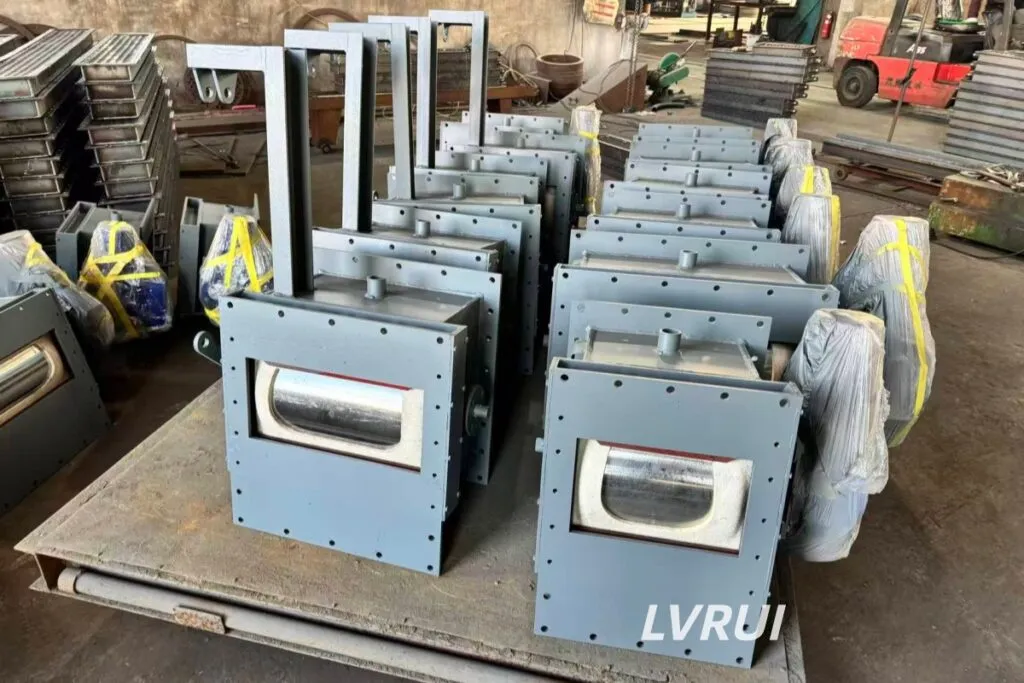
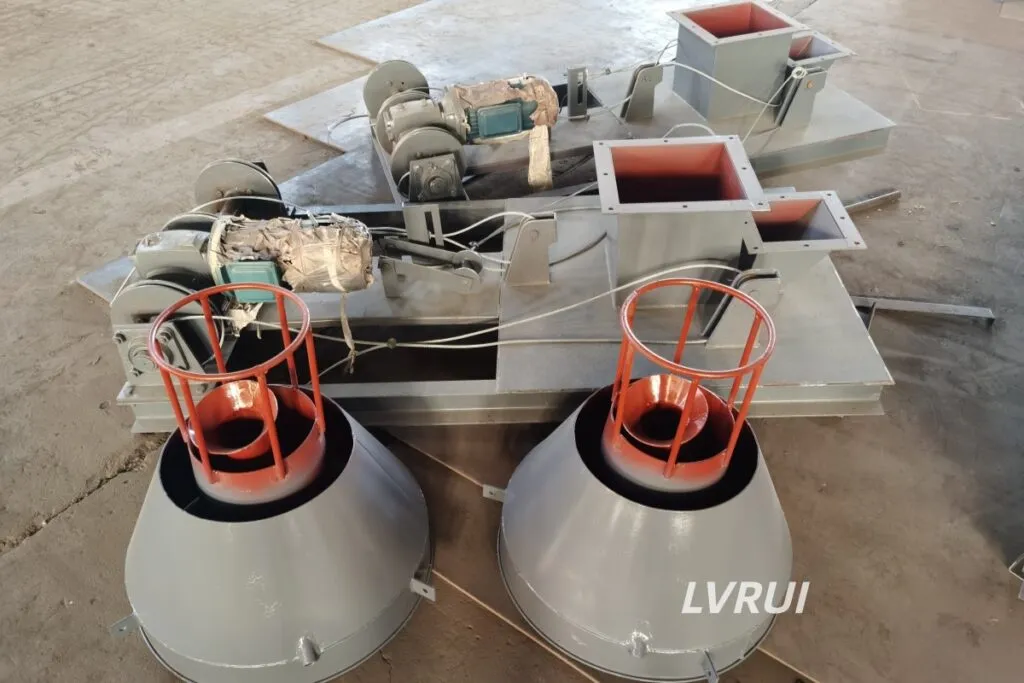
What Is Cement Silo Bottom Discharge System? Design, Components, and Industry Best Practices Read More »

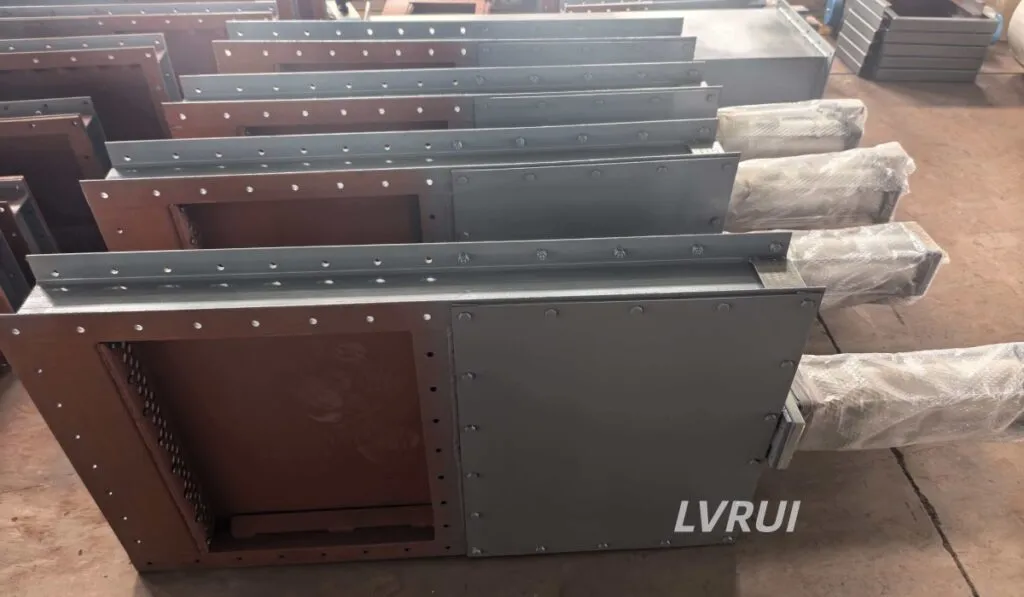
Flow control gate for cement silo bottom discharge system

Flow Control Gate for Cement Silo Bottom Discharge: Working Principle and System Integration

A flow control gate for cement silo bottom discharge is a critical component in modern cement handling systems. It regulates the flow of cement from the silo outlet to downstream equipment such as air slide conveyors, screw conveyors, or bulk loaders, ensuring stable discharge and precise material control. By working together with silo aeration systems and air distributors, a properly designed flow control gate helps prevent material arching, reduces dust leakage, and improves overall operational efficiency. This article explains the working principle, structural design, application scenarios, and system integration methods of flow control gates used in cement silo bottom discharge systems.

Flow Control Gate for Cement Silo Bottom Discharge: Working Principle and System Integration Read More »

Bulk loading spout for cement silo dust-free loading system

Bulk Loading Spout for Cement Silo: Design, Working Principle & Selection Guide

A bulk loading spout for cement silo is a key component in modern bulk material handling systems. It enables dust-free and efficient loading of cement into trucks, containers, or ships by controlling material flow and capturing airborne dust during discharge. Designed with telescopic structures, inner and outer cones, and integrated dust extraction interfaces, cement loading spouts significantly reduce environmental pollution, improve loading accuracy, and enhance workplace safety. This article explains the working principle, structural design, application scenarios, and selection guidelines of bulk loading spouts, helping cement plants and terminals choose the right solution for dust-free cement loading.

Bulk Loading Spout for Cement Silo: Design, Working Principle & Selection Guide Read More »

Silo air distributor working principle and airflow distribution

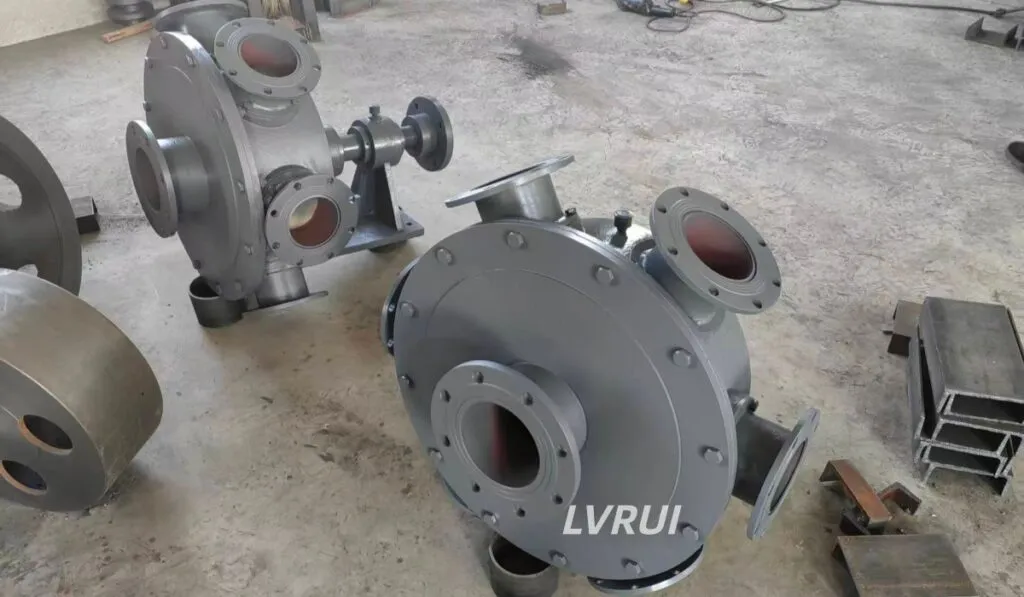
Cement Silo Bottom Air Distributor: Design, Working Principle & Selection Guide

A cement silo bottom air distributor is a key component in modern bulk material handling systems. It evenly distributes compressed air from a single inlet to multiple aeration pads, air slides, or fluidizing boxes under the silo cone, ensuring smooth material discharge and preventing arching or ratholing. This article explains the working principle, structural design, application scenarios, and selection guidelines of silo bottom air distributors, helping engineers choose the right solution for cement, fly ash, and powder silo aeration systems.

Cement Silo Bottom Air Distributor: Design, Working Principle & Selection Guide Read More »

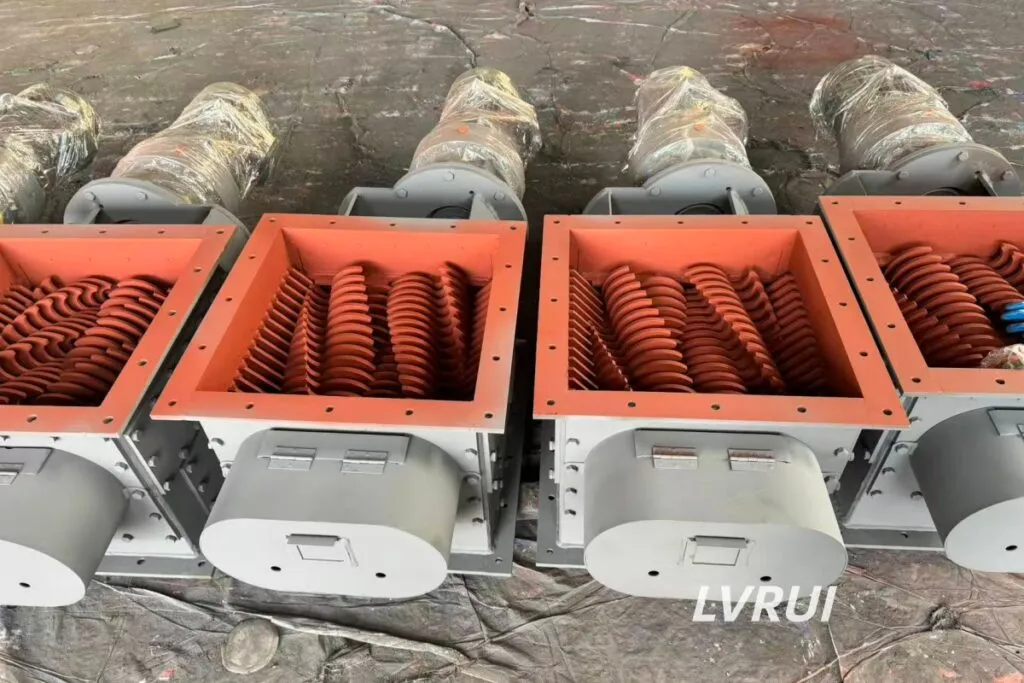
Cement lump breaking valve for silo discharge and clinker crushing

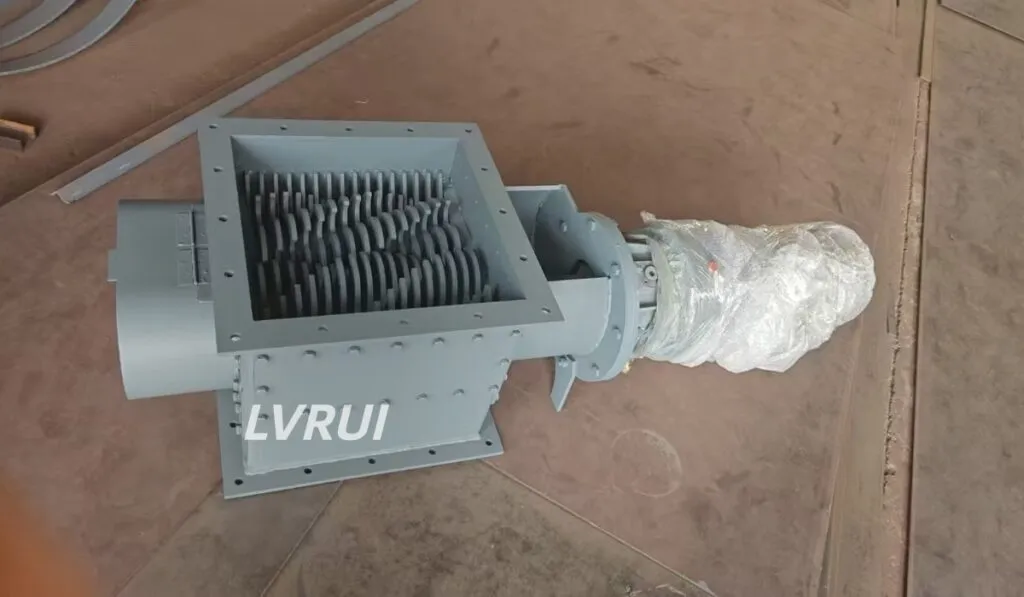
Cement Lump Breaking Valve: The Ultimate Solution for Silo Blockage & Set Material

Cement silo discharge often suffers from material agglomeration, clinker formation, and flow blockage, especially in humid or long-term storage conditions. A cement lump breaking valve, combining flow control and de-agglomeration functions, offers a highly effective solution to restore smooth material flow and protect downstream conveying equipment. This article explains how a valve-type lump breaker works, its structural design, application scenarios, and key advantages in modern cement handling systems.

Cement Lump Breaking Valve: The Ultimate Solution for Silo Blockage & Set Material Read More »

Loading bellows system for cement truck bulk loading

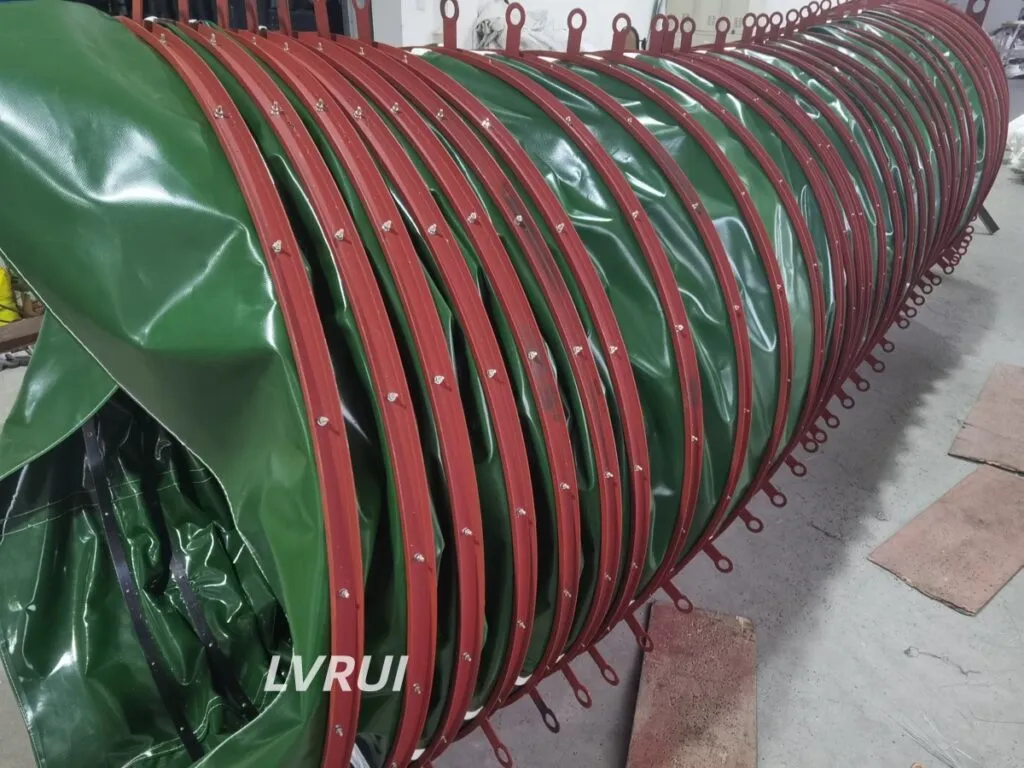
Loading Bellows for Cement & Bulk Material Handling: Design, Working Principle, and Applications

Loading bellows are essential equipment for dust-free loading of cement, fly ash, clinker, and other bulk materials into trucks, tankers, railcars, and containers. By combining telescopic structure, flexible fabric cones, and integrated dust collection systems, loading bellows significantly reduce material spillage and environmental pollution. This article explains the working principle, structural design, application scenarios, and selection considerations of loading bellows systems used in modern cement plants and bulk material terminals.

Loading Bellows for Cement & Bulk Material Handling: Design, Working Principle, and Applications Read More »

Industrial lump breaker for bulk material handling, manufactured by LVRUI

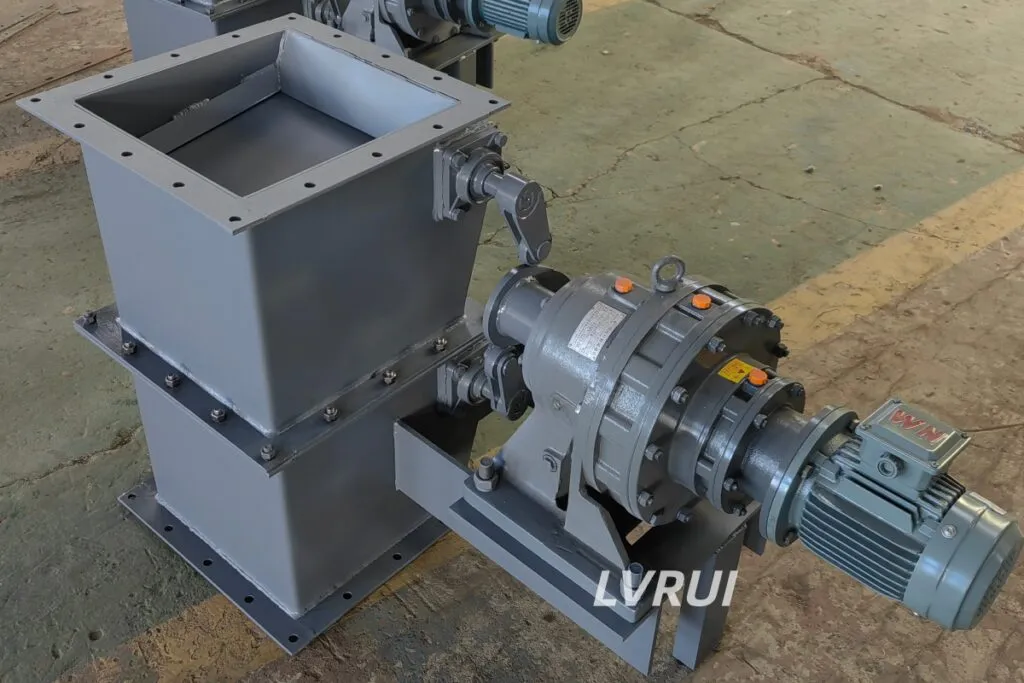
Single Shaft Crusher Valve: Preventing Blockage in Cement Silo Discharge Systems

A single shaft crusher valve is a critical component in cement silo discharge systems, designed to break lumps and prevent material blockage during bulk powder flow. By integrating crushing and flow control into a single unit, it ensures continuous discharge of cement, fly ash, and other fine materials while protecting downstream conveying equipment. This article explains the working principle, structural design, application scenarios, and key selection considerations of single shaft crusher valves, helping engineers improve discharge reliability and reduce downtime in cement handling systems.

Single Shaft Crusher Valve: Preventing Blockage in Cement Silo Discharge Systems Read More »

Pneumatic shut-off valve installed under air slide conveyor for cement silo discharge

Pneumatic Shut-Off Valve for Air Slide Conveyor: Precise Flow Control for Cement & Powder Handling

Pneumatic shut-off valves play a critical role in air slide conveyor systems by providing fast, reliable, and dust-tight material flow control under silos and hoppers. In cement plants and powder handling lines, these valves ensure stable feeding, prevent material leakage, and protect downstream equipment. This article explains the working principle, advantages, selection criteria, and typical applications of pneumatic shut-off valves used with air slide conveyors, helping engineers choose the right solution for efficient bulk material conveying.

Pneumatic Shut-Off Valve for Air Slide Conveyor: Precise Flow Control for Cement & Powder Handling Read More »

Electric twin shaft lump breaker valve for cement silo discharge

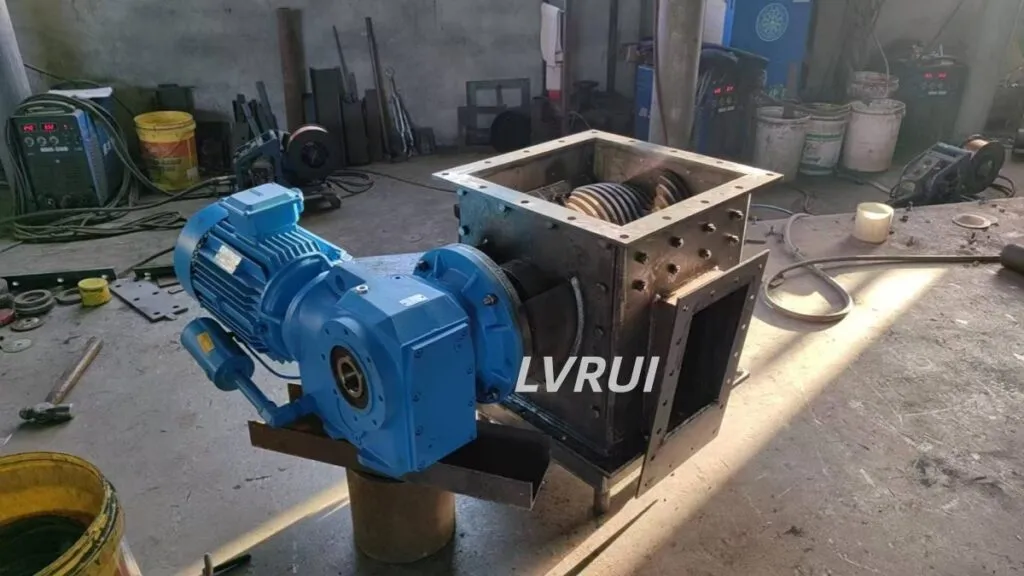
Electric Twin-Shaft Lump Breaker Valve for Cement Silo Discharge – Prevent Clinker Blocking & Arching

Electric twin-shaft lump breaker valves play a critical role in cement silo discharge systems by eliminating material arching, clinker blocking, and large agglomerates before downstream conveying. This article explains the working principle, design features, and industrial applications of twin-shaft lump breaker valves, and shows how they improve discharge stability, protect conveying equipment, and enhance overall cement plant efficiency.

Electric Twin-Shaft Lump Breaker Valve for Cement Silo Discharge – Prevent Clinker Blocking & Arching Read More »

electric gravity flap valve used for cement bulk material discharge

Electric Gravity Flap Valve: Reliable Flow Control for Cement and Bulk Materials

An electric gravity flap valve is a widely used flow control device in cement plants and bulk material handling systems. By combining gravity-assisted opening with electric actuation, it provides reliable material discharge while preventing backflow and air leakage. This article explains the working principle, structural design, application scenarios, and key selection considerations of electric gravity flap valves, helping engineers choose the right solution for stable and efficient powder and granular material handling.

Electric Gravity Flap Valve: Reliable Flow Control for Cement and Bulk Materials Read More »

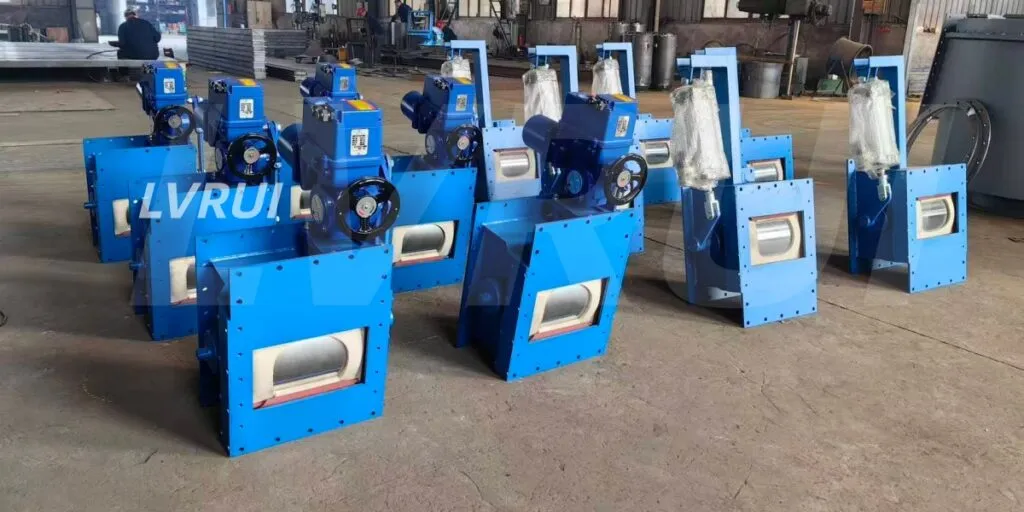
Pneumatic vs motorized flow control gate comparison – LVRUI

Flow Control Gates in Air Slide Conveyors: Applications, Benefits, and Selection

Flow control gates play a critical role in air slide conveyor systems by regulating bulk material discharge with precision and stability. In cement plants and powder handling industries, properly selected flow control gates help maintain consistent material flow, improve process efficiency, and support automated operation. This article provides a comprehensive overview of flow control gate applications, key benefits, common gate types, and practical selection guidelines for air slide conveyor systems.

Flow Control Gates in Air Slide Conveyors: Applications, Benefits, and Selection Read More »

air slide conveyor diverter valve for cement powder distribution

Air Slide Conveyor Diverter Valve: Efficient Powder Distribution in Cement Plants

An air slide conveyor diverter valve is a critical component in air slide conveyor systems, enabling accurate and stable powder distribution to multiple downstream lines. In cement plants, where fine materials such as cement, raw meal, and fly ash must be conveyed efficiently, a properly designed diverter valve ensures smooth flow control without disrupting aeration or causing material buildup. This article explains the working principle, structural design, application scenarios, and key selection considerations of air slide conveyor diverter valves, helping engineers optimize powder conveying and distribution in modern cement handling systems.

Air Slide Conveyor Diverter Valve: Efficient Powder Distribution in Cement Plants Read More »