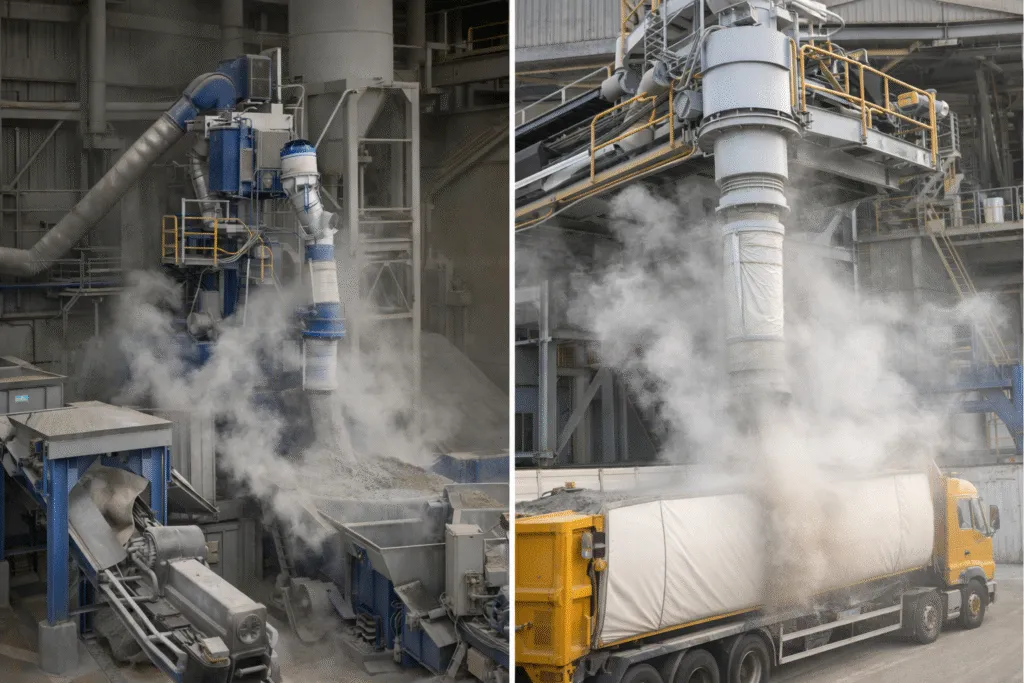
dust control in cement plant material handling system

Dust Control Challenges in Cement Plants and Practical Engineering Solutions

Dust control remains one of the most critical operational challenges in cement plants. From silo discharge and material transfer to bulk loading and conveying, uncontrolled dust emissions can affect plant efficiency, equipment reliability, environmental compliance, and workplace safety. This article analyzes common dust generation points in cement plants and explains practical engineering solutions based on proven bulk material handling practices.

Dust Control Challenges in Cement Plants and Practical Engineering Solutions Read More »
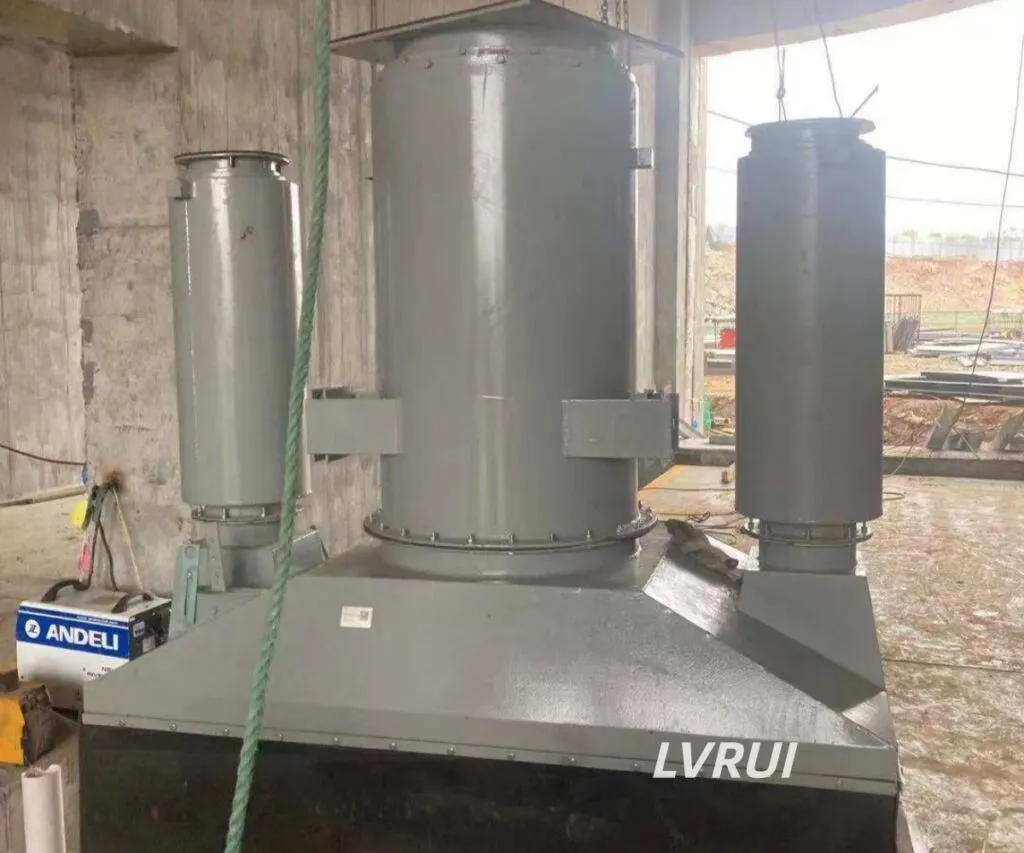
clinker bulk loader used in cement plant loading system

Clinker Bulk Loaders for Efficient and Dust-Controlled Clinker Handling

Clinker loading is a critical stage in cement plant logistics, where material impact, dust emission, and abrasion pose significant operational challenges. Clinker bulk loaders are specifically designed to ensure efficient, safe, and dust-controlled handling of hot, abrasive clinker during truck or ship loading. This article explains how clinker bulk loaders work, their key design features, and why proper loader selection is essential for reliable clinker handling operations in modern cement plants.

Clinker Bulk Loaders for Efficient and Dust-Controlled Clinker Handling Read More »

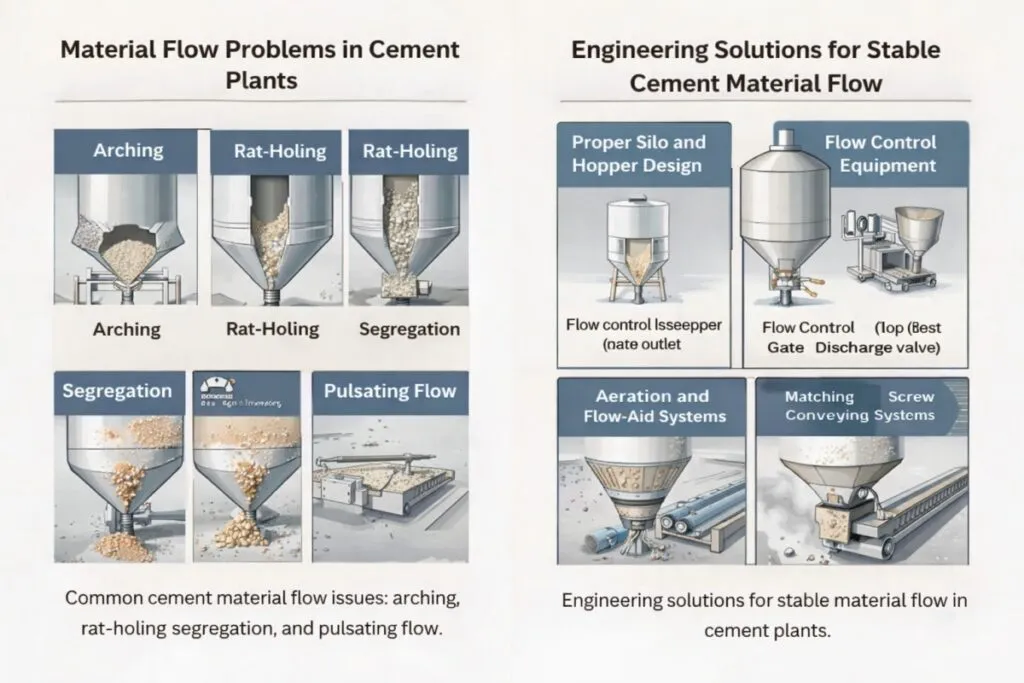
material flow problems in cement plant silo

Common Material Flow Problems in Cement Plants and How to Solve Them

Material flow problems are among the most common operational challenges in cement plants. Issues such as arching, rat-holing, segregation, and uncontrolled discharge can disrupt production, increase maintenance costs, and reduce equipment reliability. This article analyzes the most frequent material flow problems encountered in cement plants and explains practical engineering solutions based on bulk material handling principles and proven industry practices.

Common Material Flow Problems in Cement Plants and How to Solve Them Read More »

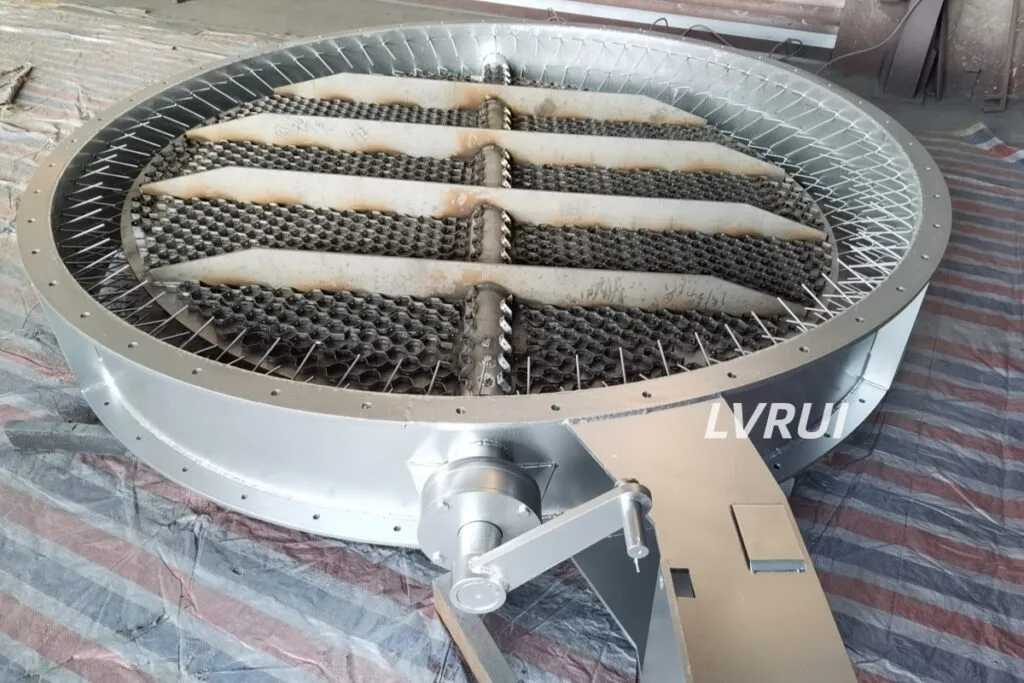
Damper valve used for airflow control in cement plant duct and ventilation systems by LVRUI

Butterfly Dampers for Industrial Duct Ventilation Systems: Design, Applications, and Engineering Considerations

Butterfly dampers are widely used in industrial duct ventilation systems to regulate airflow, balance pressure, and isolate process sections. Compared with other damper types, butterfly dampers offer a compact structure, fast response, and reliable airflow control for medium to large ducting applications. This article explains how butterfly dampers function in industrial ventilation systems, typical application scenarios, key design considerations, and selection guidelines for cement plants and bulk material handling facilities.

Butterfly Dampers for Industrial Duct Ventilation Systems: Design, Applications, and Engineering Considerations Read More »

Aeration pads placement design in cement silo cone

Aeration Pads Placement Design: 7 Rules for Cement Silo Cones

Aeration pads placement design affects how low-pressure air is distributed inside cement silo cones. A good layout helps reduce bridging, stagnant zones and unstable discharge, while poor placement may cause over-fluidization or uneven material flow. This guide explains practical placement rules, common mistakes and design information needed for cement silo aeration projects.

Aeration Pads Placement Design: 7 Rules for Cement Silo Cones Read More »

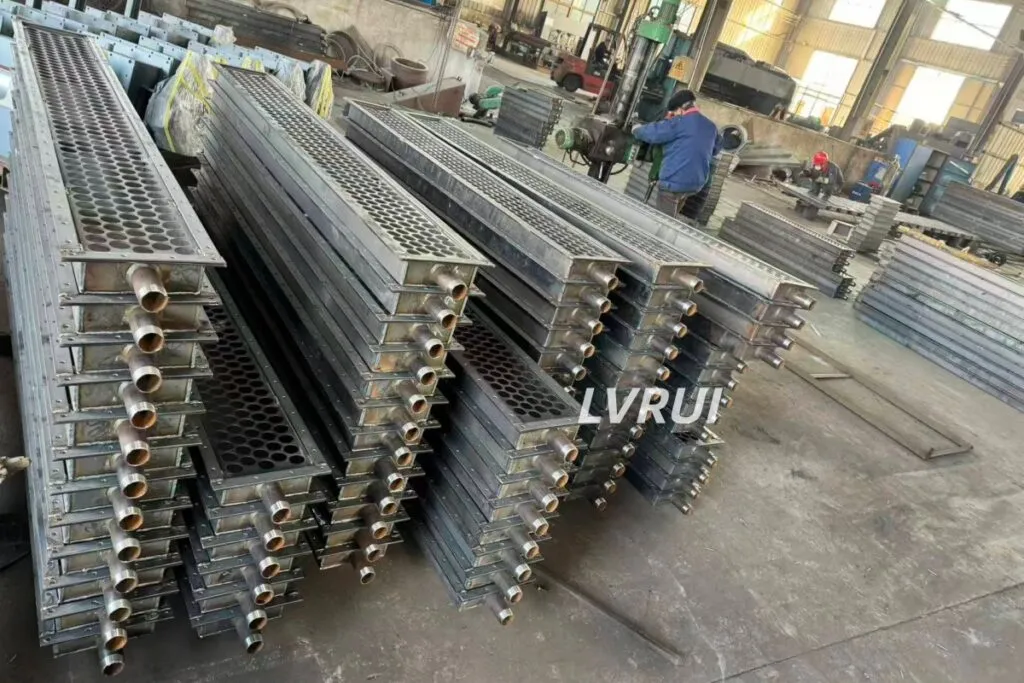
Aeration pads installed on cement silo cone for improved discharge

Aeration Pads for Cement Silos: Principles, Applications, and Selection Guidelines

Aeration pads play a critical role in improving material flow and discharge efficiency in cement silo systems. By introducing low-pressure air through porous membranes, aeration pads fluidize cement powder and reduce common problems such as arching, rat-holing, and unstable discharge. This article explains the working principles of aeration pads for cement silos, typical application scenarios, key benefits, selection guidelines, and best installation practices for reliable long-term operation.

Aeration Pads for Cement Silos: Principles, Applications, and Selection Guidelines Read More »

cement silo discharge design mistakes causing poor powder flow

Cement Silo Discharge Design Mistakes That Cause Poor Powder Flow

Cement silo discharge problems are often caused by system-level design mistakes, not only by one faulty valve or conveyor. Poor aeration layout, wrong gate selection, mismatched conveyor capacity, cement lumps, dust leakage and lack of maintenance access can all lead to unstable powder flow. This article explains common cement silo discharge design mistakes and how to identify them before they affect downstream equipment.

Cement Silo Discharge Design Mistakes That Cause Poor Powder Flow Read More »

Flow control gate for cement silo bottom discharge system

Flow Control Gate for Cement Silo Bottom Discharge: Working Principle and System Integration

A flow control gate for cement silo bottom discharge is a critical component in modern cement handling systems. It regulates the flow of cement from the silo outlet to downstream equipment such as air slide conveyors, screw conveyors, or bulk loaders, ensuring stable discharge and precise material control. By working together with silo aeration systems and air distributors, a properly designed flow control gate helps prevent material arching, reduces dust leakage, and improves overall operational efficiency. This article explains the working principle, structural design, application scenarios, and system integration methods of flow control gates used in cement silo bottom discharge systems.

Flow Control Gate for Cement Silo Bottom Discharge: Working Principle and System Integration Read More »

Bulk loading spout for cement silo dust-free loading system

Bulk Loading Spout for Cement Silo: Design, Working Principle & Selection Guide

Bulk loading spouts for cement silos are telescopic, dust-free loading systems designed to maximize efficiency, minimize material loss, and ensure environmental compliance. This guide explains their design, working principle, selection criteria, applications, and solutions for common issues in cement plants, ports, and terminals.

Bulk Loading Spout for Cement Silo: Design, Working Principle & Selection Guide Read More »

Silo air distributor working principle and airflow distribution

Cement Silo Bottom Air Distributor: Design, Working Principle & Selection Guide

A cement silo bottom air distributor is a key component in modern bulk material handling systems. It evenly distributes compressed air from a single inlet to multiple aeration pads, air slides, or fluidizing boxes under the silo cone, ensuring smooth material discharge and preventing arching or ratholing. This article explains the working principle, structural design, application scenarios, and selection guidelines of silo bottom air distributors, helping engineers choose the right solution for cement, fly ash, and powder silo aeration systems.

Cement Silo Bottom Air Distributor: Design, Working Principle & Selection Guide Read More »

Loading bellows system for cement truck bulk loading

Loading Bellows for Cement & Bulk Material Handling: Design, Working Principle, and Applications

Loading bellows are essential equipment for dust-free loading of cement, fly ash, clinker, and other bulk materials into trucks, tankers, railcars, and containers. By combining telescopic structure, flexible fabric cones, and integrated dust collection systems, loading bellows significantly reduce material spillage and environmental pollution. This article explains the working principle, structural design, application scenarios, and selection considerations of loading bellows systems used in modern cement plants and bulk material terminals.

Loading Bellows for Cement & Bulk Material Handling: Design, Working Principle, and Applications Read More »

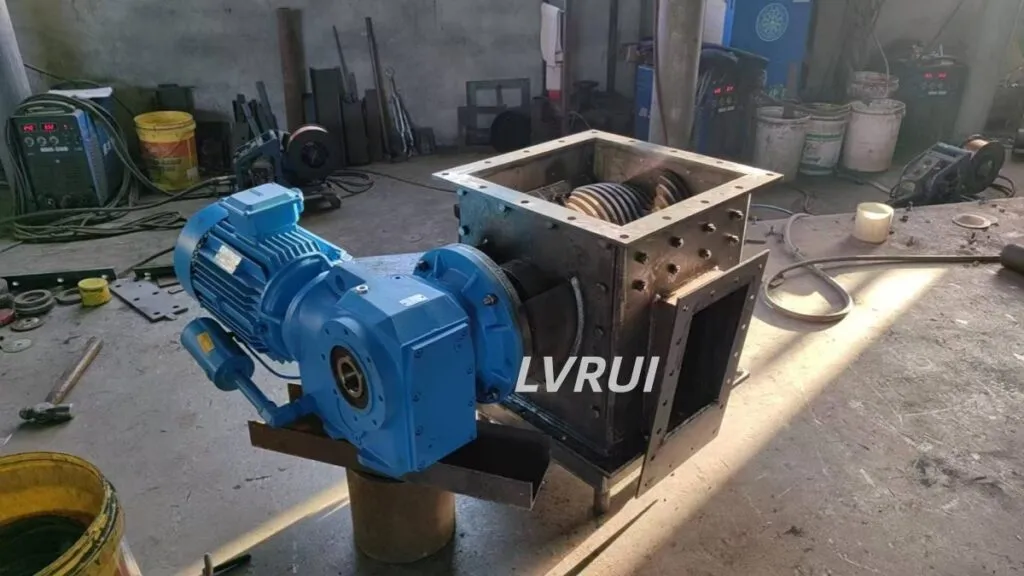
Industrial lump breaker for bulk material handling, manufactured by LVRUI

Single Shaft Crusher Valve Design: When Is It Enough for Powder Discharge?

A single shaft crusher valve design is suitable for powder discharge systems where material lumps are moderate, capacity is not extremely high and installation space is limited. It can help reduce oversized lumps before they enter screw conveyors, air slide conveyors, rotary valves or packing systems. This article explains when a single shaft design is enough, when a twin shaft design is better, and what factors should be checked before selection.

Single Shaft Crusher Valve Design: When Is It Enough for Powder Discharge? Read More »