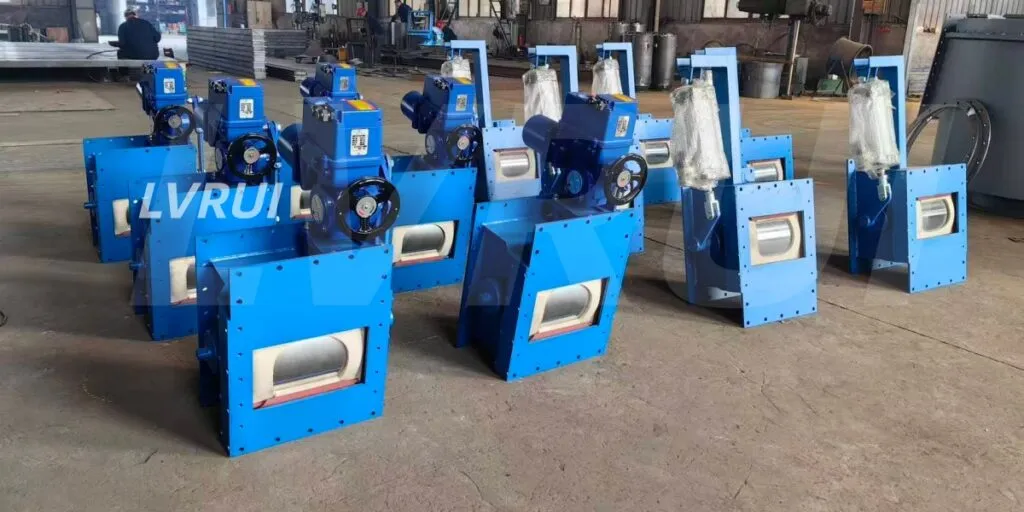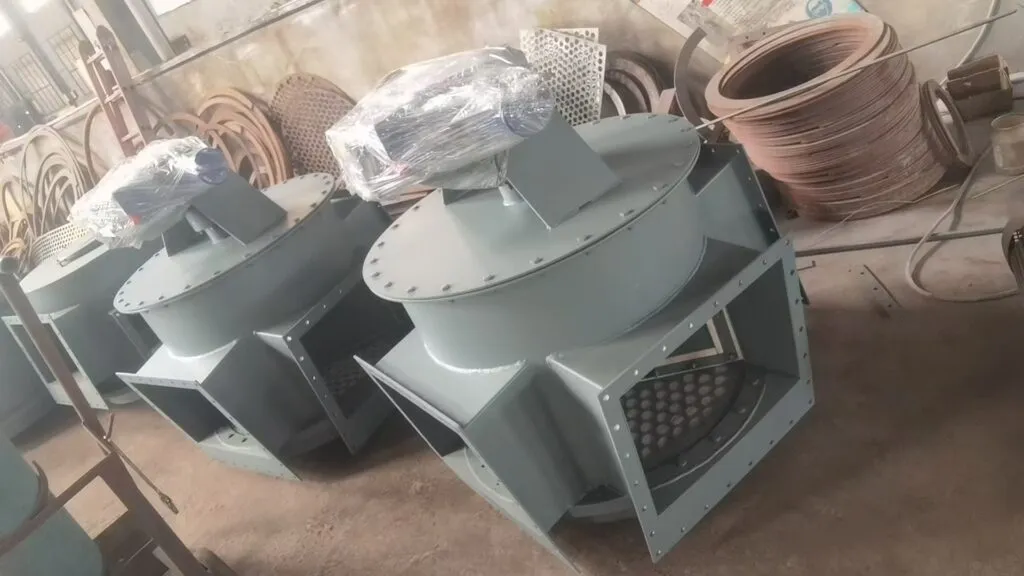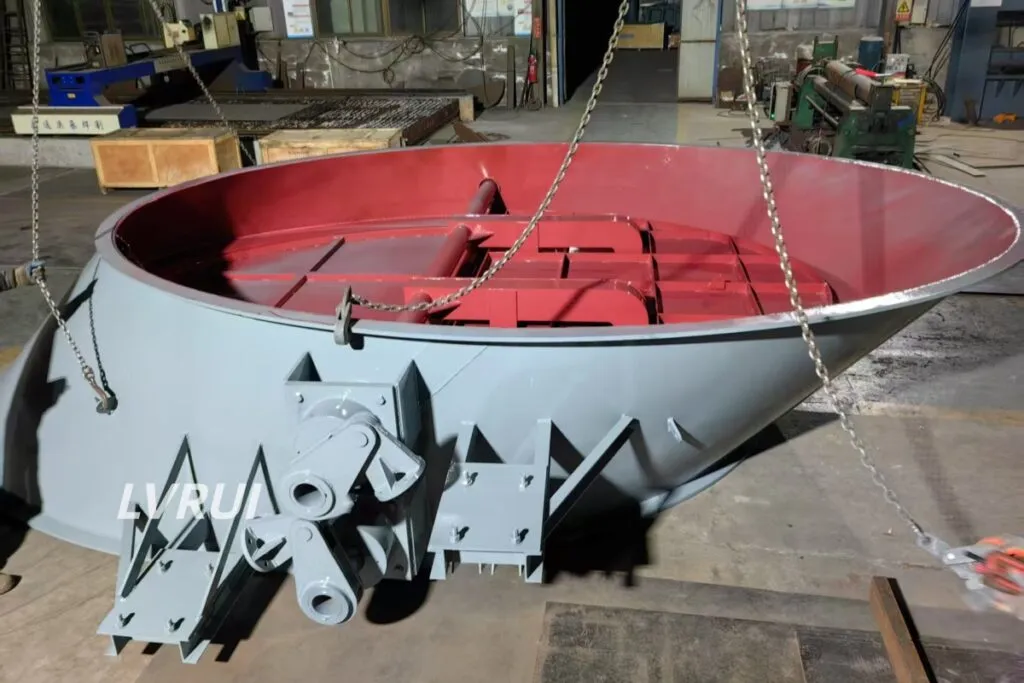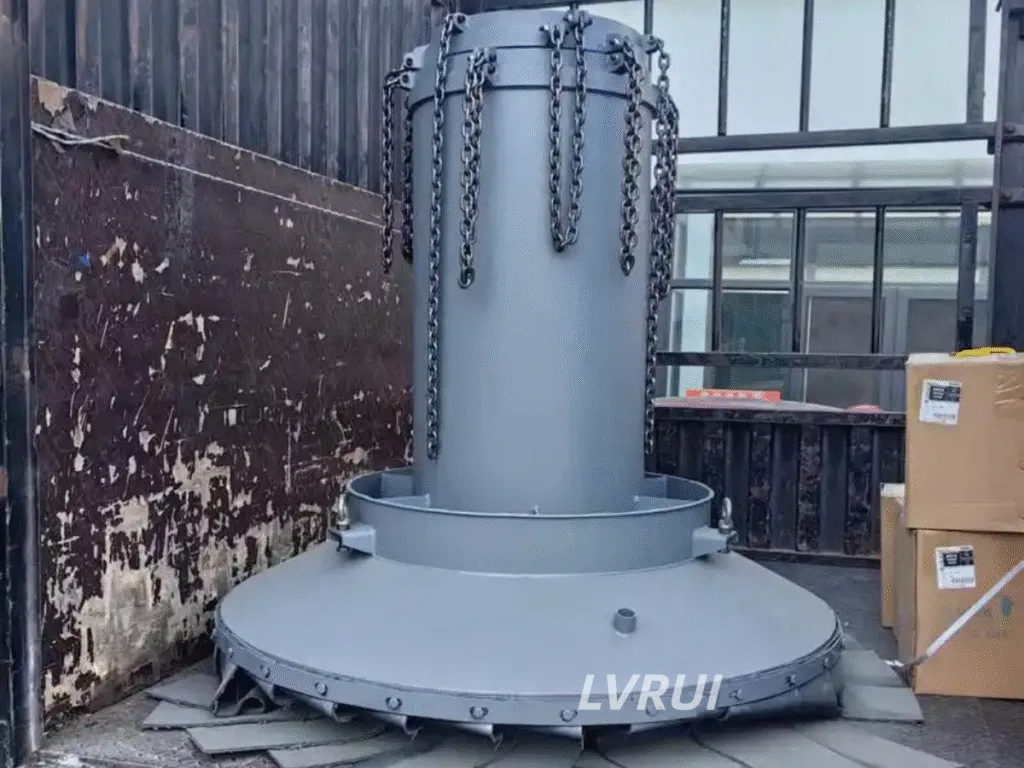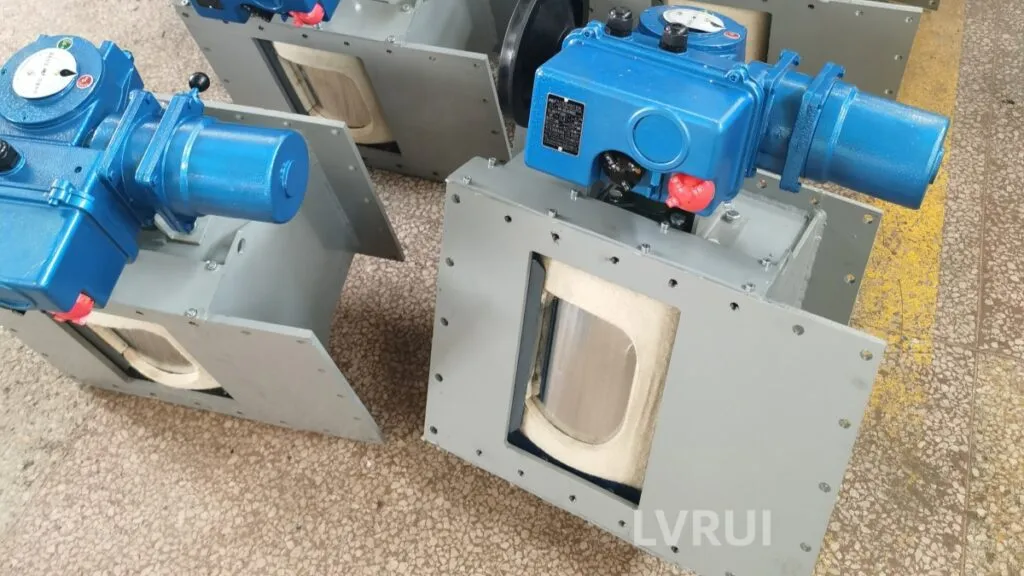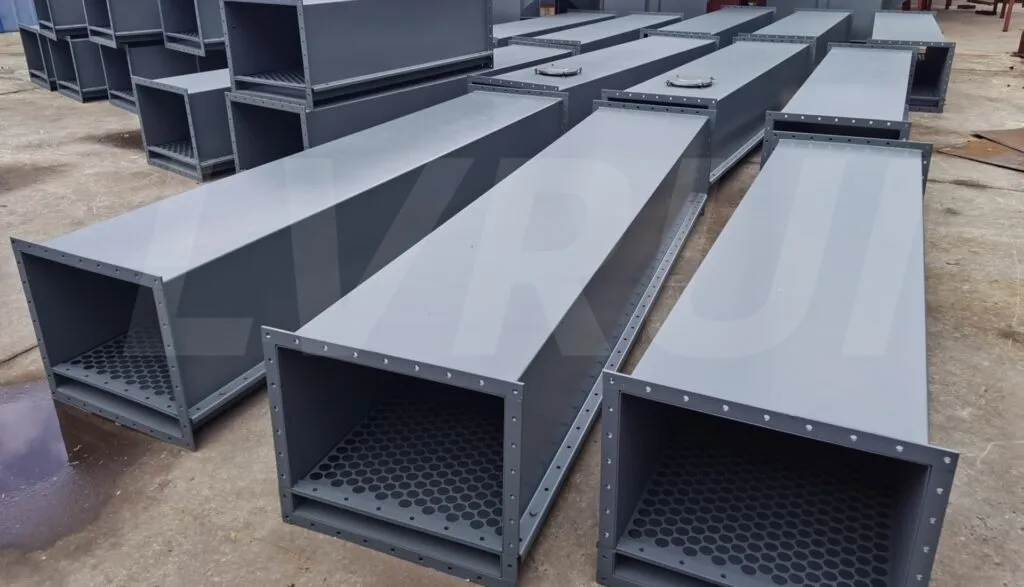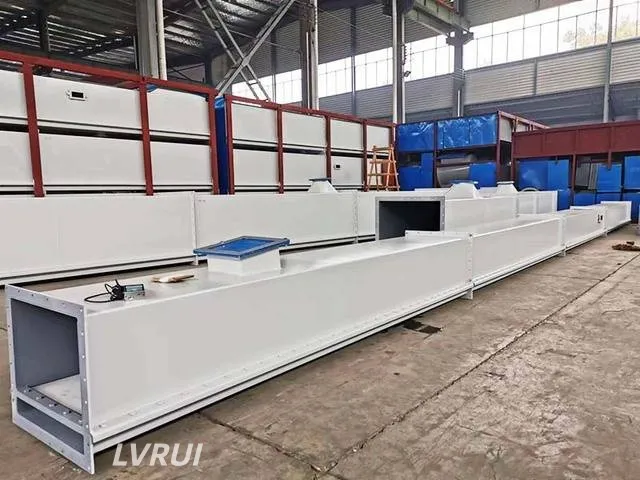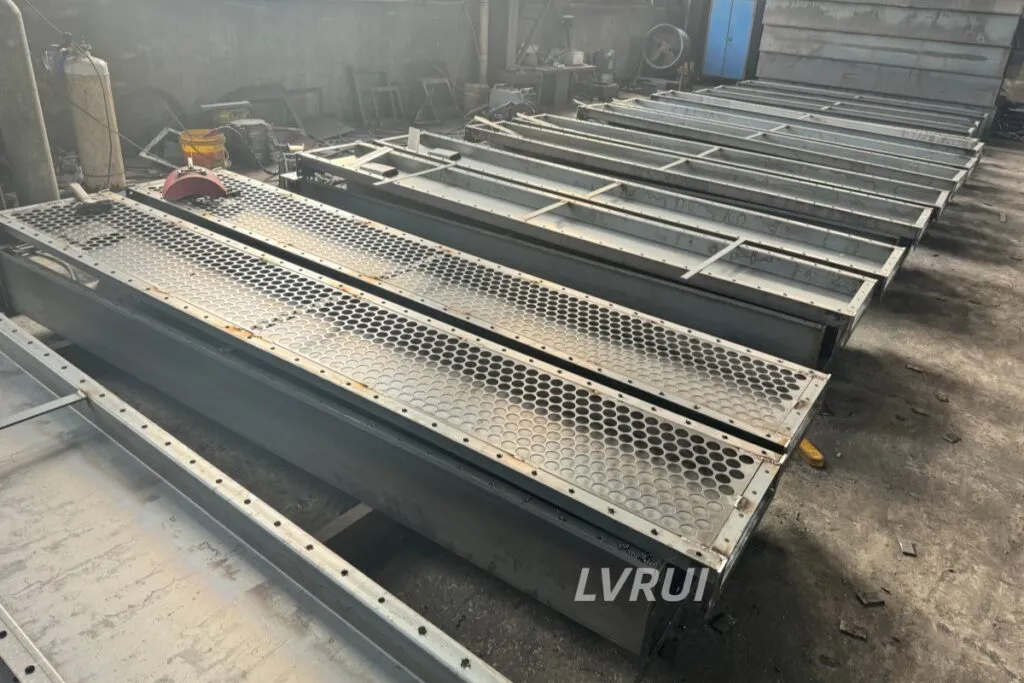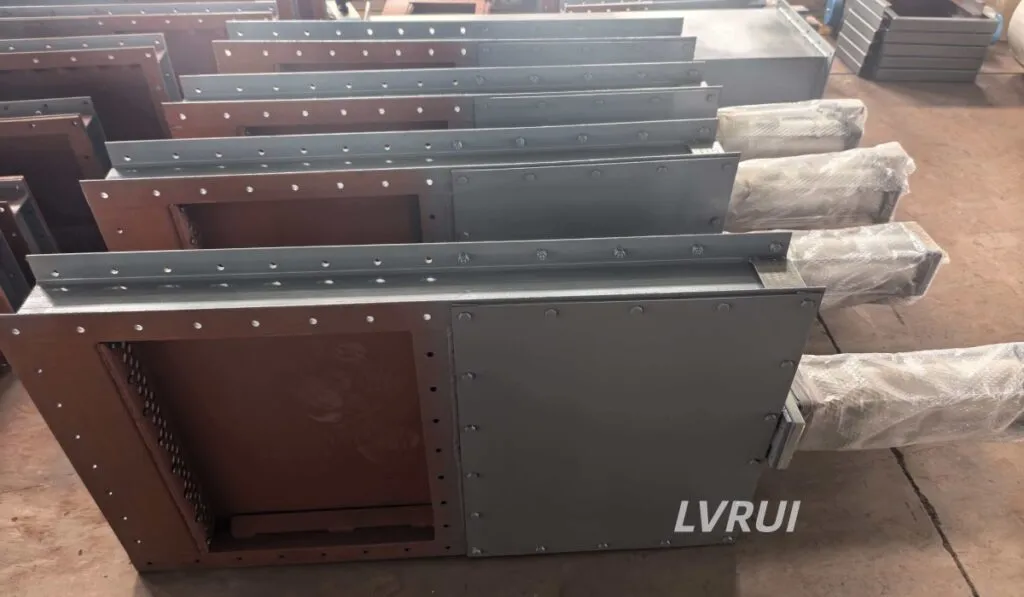
Pneumatic shut-off valve installed under air slide conveyor for cement silo discharge

Pneumatic Shut Off Valve for Air Slide Conveyor: Precise Flow Control for Cement & Powder Handling

Pneumatic shut-off valves play a critical role in air slide conveyor systems by providing fast, reliable, and dust-tight material flow control under silos and hoppers. In cement plants and powder handling lines, these valves ensure stable feeding, prevent material leakage, and protect downstream equipment. This article explains the working principle, advantages, selection criteria, and typical applications of pneumatic shut-off valves used with air slide conveyors, helping engineers choose the right solution for efficient bulk material conveying.
Pneumatic Shut Off Valve for Air Slide Conveyor: Precise Flow Control for Cement & Powder Handling Read More »

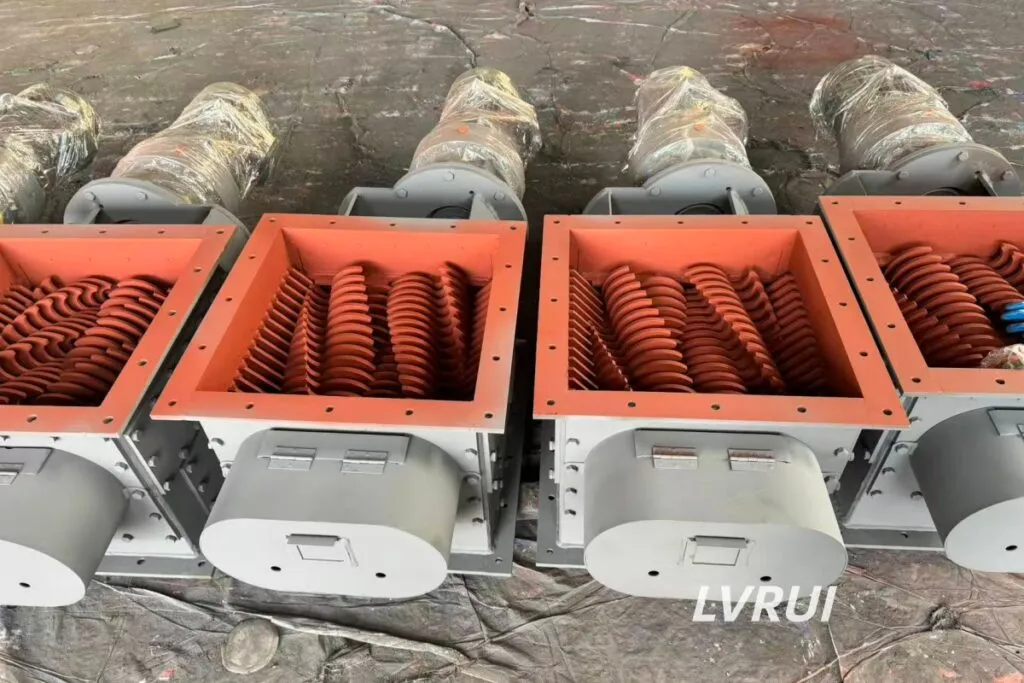
Electric twin shaft lump breaker valve for cement silo discharge

Twin Shaft Lump Breaker Design: When Is It Better Than Single Shaft?

Twin shaft lump breaker design is used when dry bulk materials contain larger lumps, compacted powder or unstable discharge conditions. Compared with single shaft design, a twin shaft structure can provide stronger pulling action, more balanced torque and more stable lump breaking performance. This article explains how twin shaft lump breakers work, when they are better than single shaft designs, and what should be checked before selection.

Twin Shaft Lump Breaker Design: When Is It Better Than Single Shaft? Read More »

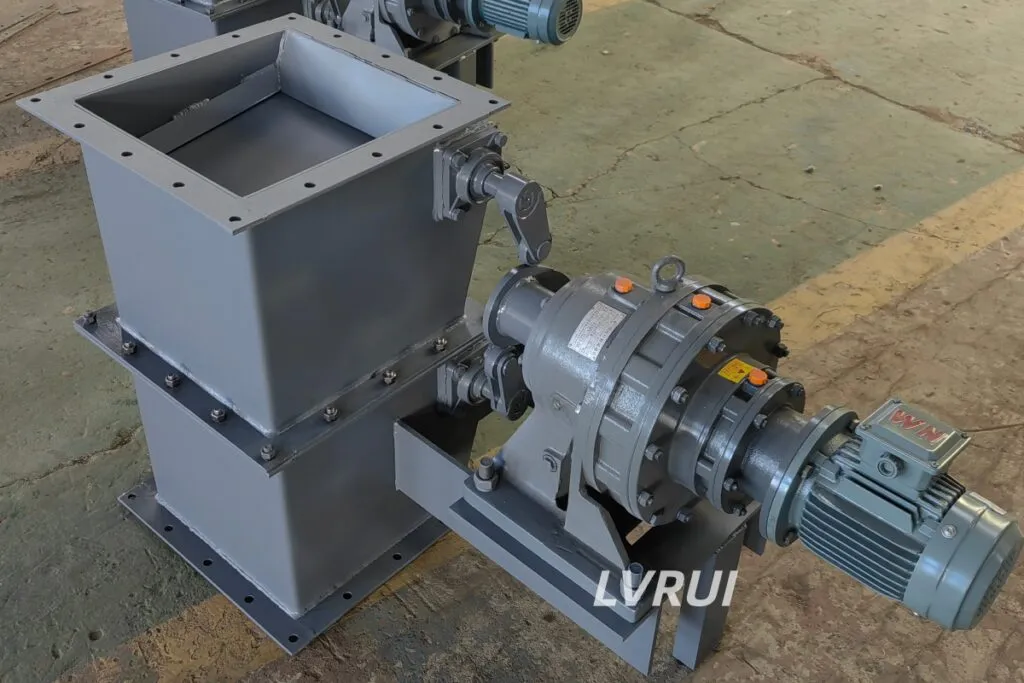
electric gravity flap valve used for cement bulk material discharge

Electric Gravity Flap Valve: Reliable Flow Control for Cement and Bulk Materials

An electric gravity flap valve is a widely used flow control device in cement plants and bulk material handling systems. By combining gravity-assisted opening with electric actuation, it provides reliable material discharge while preventing backflow and air leakage. This article explains the working principle, structural design, application scenarios, and key selection considerations of electric gravity flap valves, helping engineers choose the right solution for stable and efficient powder and granular material handling.

Electric Gravity Flap Valve: Reliable Flow Control for Cement and Bulk Materials Read More »

Pneumatic vs motorized flow control gate comparison – LVRUI

Flow Control Gates in Air Slide Conveyors: Cement Plant Applications and Selection Guide

Flow control gates in air slide conveyors help regulate cement, fly ash, raw meal, and other fine powders in cement plants and bulk powder handling systems. A properly selected gate improves discharge stability, reduces dust leakage, prevents material surges, and protects downstream equipment. This guide explains the main applications, gate types, selection points, and common mistakes when using flow control gates in air slide conveyor systems.

Flow Control Gates in Air Slide Conveyors: Cement Plant Applications and Selection Guide Read More »

air slide conveyor diverter valve for cement powder distribution

Air Slide Conveyor Diverter Valve: Efficient Powder Distribution in Cement Plants

An air slide conveyor diverter valve is a critical component in air slide conveyor systems, enabling accurate and stable powder distribution to multiple downstream lines. In cement plants, where fine materials such as cement, raw meal, and fly ash must be conveyed efficiently, a properly designed diverter valve ensures smooth flow control without disrupting aeration or causing material buildup. This article explains the working principle, structural design, application scenarios, and key selection considerations of air slide conveyor diverter valves, helping engineers optimize powder conveying and distribution in modern cement handling systems.

Air Slide Conveyor Diverter Valve: Efficient Powder Distribution in Cement Plants Read More »

Louver damper valve installed in industrial duct system

Louver Damper Valves for Industrial Airflow Control: Design, Applications & Selection Guide

Louver damper valves are widely used in industrial ventilation, dust collection, and kiln exhaust systems to regulate airflow volume and balance system pressure.
This article explains the working principle of louver dampers, compares them with butterfly dampers, and outlines key design considerations, applications, and selection tips for cement plants and bulk material handling facilities.

Louver Damper Valves for Industrial Airflow Control: Design, Applications & Selection Guide Read More »

Telescopic chute used in bulk material handling system for cement and powder loading

Telescopic Chutes in Bulk Material Handling Systems: Design, Applications, and Dust Control Solutions

Telescopic chutes are widely used in bulk material handling systems to achieve controlled, dust-free loading of dry bulk materials such as cement, fly ash, lime powder, and mineral fines.
This article explains how telescopic chutes work, their key design features, typical industrial applications, and how they integrate with conveying, flow control, and dust collection systems in modern cement and powder handling plants.

Telescopic Chutes in Bulk Material Handling Systems: Design, Applications, and Dust Control Solutions Read More »

Motorized flow control gate with electric actuator – LVRUI

Flow Control Gate Valve Applications and Performance Factors in Bulk Material Handling Systems

Flow control gate valves are widely used in bulk material handling systems to regulate material flow with high accuracy and reliability. Their real performance, however, depends on several critical factors including material characteristics, sealing structure, actuation method, and installation position. This article explains the key application scenarios of flow control gate valves and analyzes the main performance factors that engineers should consider when designing or upgrading bulk material handling systems.

Flow Control Gate Valve Applications and Performance Factors in Bulk Material Handling Systems Read More »

LVRUI Industrial Air Slide Conveyor for Cement and Bulk Powder Materials

How to Calculate Air Slide Conveyor Capacity for Cement and Bulk Powder Systems

Accurate calculation of air slide conveyor capacity is essential for cement plants and bulk powder handling systems. This guide explains the key parameters, calculation principles, common mistakes, and practical engineering examples. It also includes a structured FAQ to support global search visibility and GEO-optimized content for international cement and powder handling industries.

How to Calculate Air Slide Conveyor Capacity for Cement and Bulk Powder Systems Read More »

Complete LVRUI Air Slide Conveyor System for Cement and Fly Ash

How to Select the Right Air Slide Conveyor for Different Bulk Materials (Cement, Fly Ash & Lime)

Selecting the right Air Slide Conveyor depends heavily on the properties of the conveyed material. Cement, fly ash, and lime powder differ significantly in particle size, bulk density, flowability, and moisture sensitivity. This guide explains how material characteristics influence air slide design, helping engineers choose the most suitable air slide conveyor configuration for stable, efficient, and dust-free bulk material handling.

How to Select the Right Air Slide Conveyor for Different Bulk Materials (Cement, Fly Ash & Lime) Read More »

Air slide conveyor design parameters including air flow, slope angle and conveying capacity

Air Slide Conveyor Design Parameters Explained: Air Flow, Length, Slope & Capacity

Designing an efficient air slide conveyor system is not just about selecting the right equipment — it requires a precise understanding of key engineering parameters such as airflow rate, conveyor length, slope angle, and material capacity.
In this article, we break down the most critical air slide conveyor design parameters and explain how each factor directly affects conveying efficiency, stability, and long-term operation in cement plants and bulk material handling systems.

Air Slide Conveyor Design Parameters Explained: Air Flow, Length, Slope & Capacity Read More »

Air slide conveyor system for long-distance cement powder conveying in cement plant

Air Slide Conveyor System Design for Long-Distance & High-Capacity Powder Transport

Air slide conveyors are widely used in cement plants and bulk powder handling systems due to their low energy consumption, dust-free operation, and minimal maintenance. When conveying fine powders over long distances or at high throughput, proper system design becomes critical. This article explains how to design an air slide conveyor system for long-distance and high-capacity powder transport, covering layout planning, aeration design, airflow calculation, material properties, and common engineering considerations. Practical tips and application examples are provided to help engineers achieve stable, efficient, and reliable powder conveying performance.

Air Slide Conveyor System Design for Long-Distance & High-Capacity Powder Transport Read More »