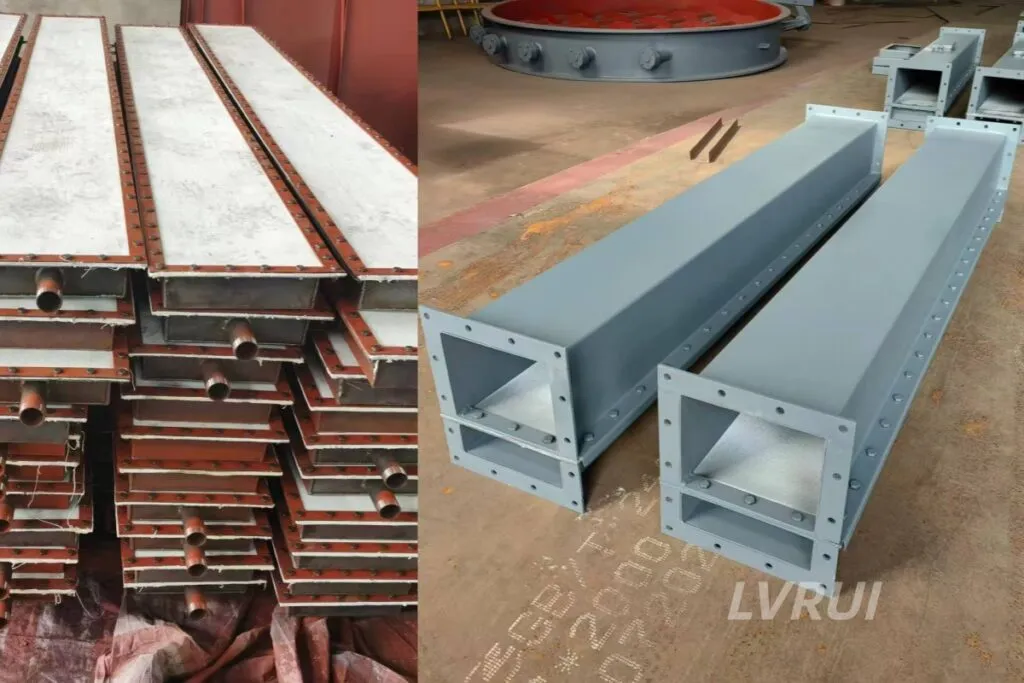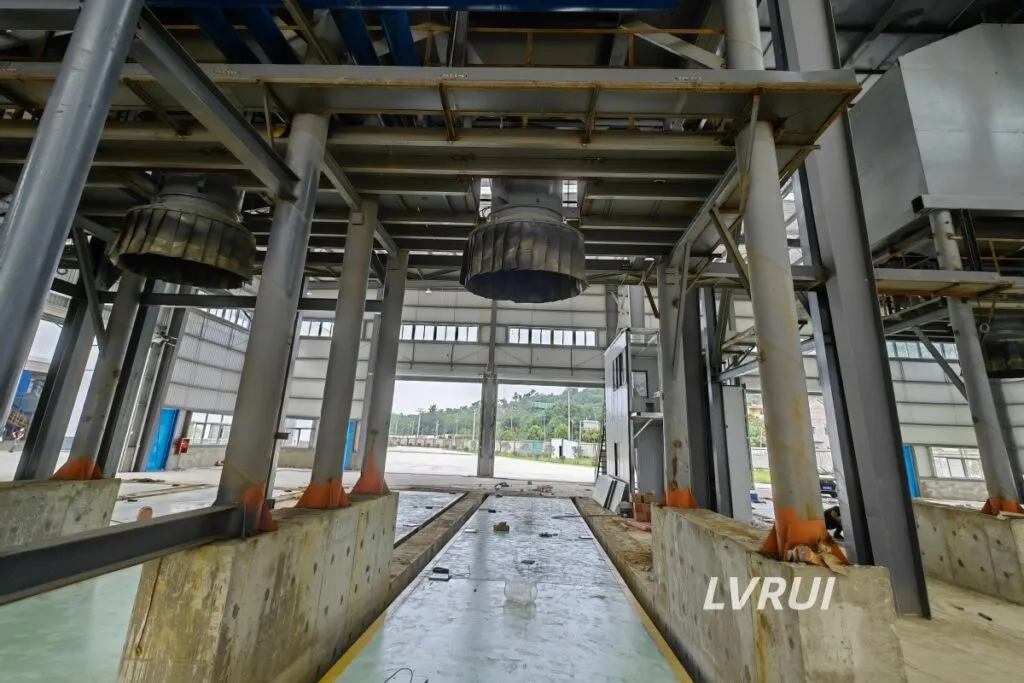
Industrial loading spout for cement, fly ash, and powder bulk material handling

How to Choose a Loading Spout for Cement, Fly Ash and Bulk Powder Handling

How to choose loading spout equipment is a key question for cement plants, fly ash terminals and bulk powder handling projects. A suitable loading spout should match the material characteristics, loading capacity, vehicle type, silo outlet height, dust control requirement and automation level. This guide explains how to choose loading spout systems for cement, fly ash, lime powder, mineral powder, clinker, grain and other dry bulk materials.

How to Choose a Loading Spout for Cement, Fly Ash and Bulk Powder Handling Read More »
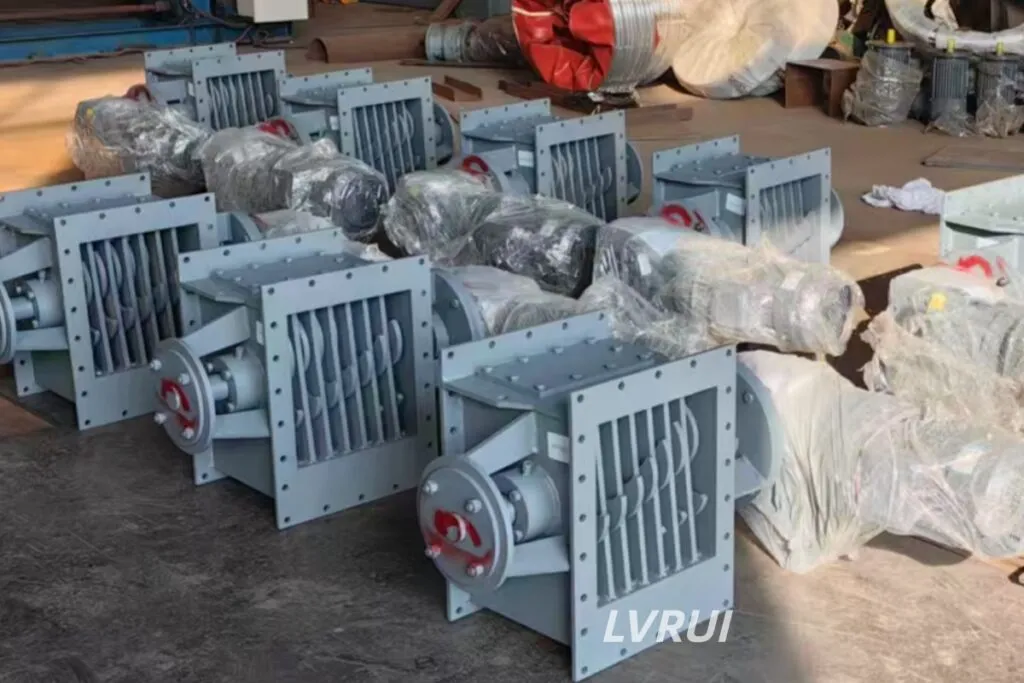
Industrial twin shaft lump breaker for bulk material handling systems

Lump Breaker Selection Guide: How to Choose the Right Model

This lump breaker selection guide explains how to choose the right model for dry bulk material handling systems. The correct selection should be based on material properties, maximum lump size, required output size, moisture condition, abrasiveness, capacity, installation position and downstream equipment. A lump breaker should not be selected only by product name, motor power or standard model number.

Lump Breaker Selection Guide: How to Choose the Right Model Read More »

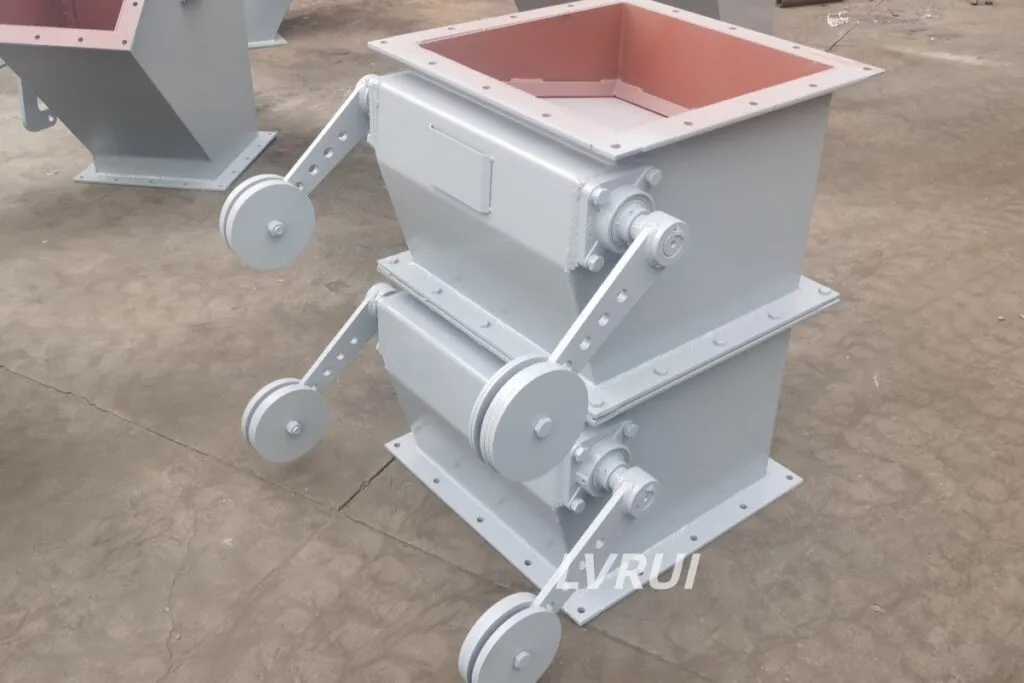
Double flap valve for bulk material discharge in cement plant

Double Flap Valve for Bulk Material Handling

A Double Flap Valve is a critical dust-tight discharge device widely used in cement plants, power stations, and bulk material handling systems. It enables controlled material discharge while maintaining effective airlock performance, preventing air leakage and pressure loss. This article explains the working principle, key advantages, typical applications, and selection guidelines for double flap valves in industrial conveying systems.

Double Flap Valve for Bulk Material Handling Read More »

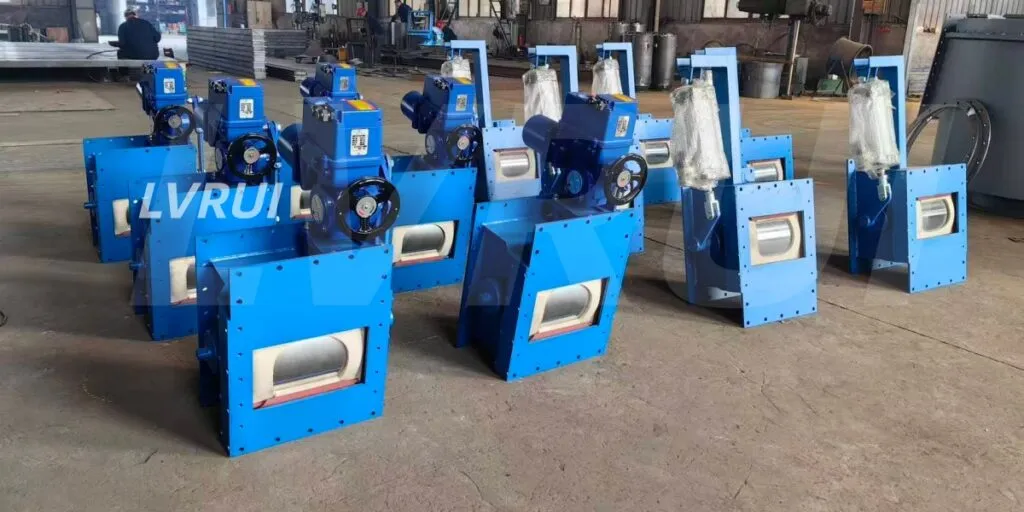
Pneumatic vs motorized flow control gate comparison – LVRUI

Flow Control Gate Design Considerations for Cement and Powder Handling Systems

Flow control gates play a critical role in regulating bulk material flow in cement plants, powder handling systems, and industrial conveying lines. Beyond basic selection, proper gate design directly impacts flow accuracy, sealing performance, maintenance frequency, and system reliability. This article explores key flow control gate design considerations, including gate structure, sealing methods, actuator selection, material compatibility, and installation layout—helping engineers and plant managers build more stable and efficient bulk handling systems.

Flow Control Gate Design Considerations for Cement and Powder Handling Systems Read More »

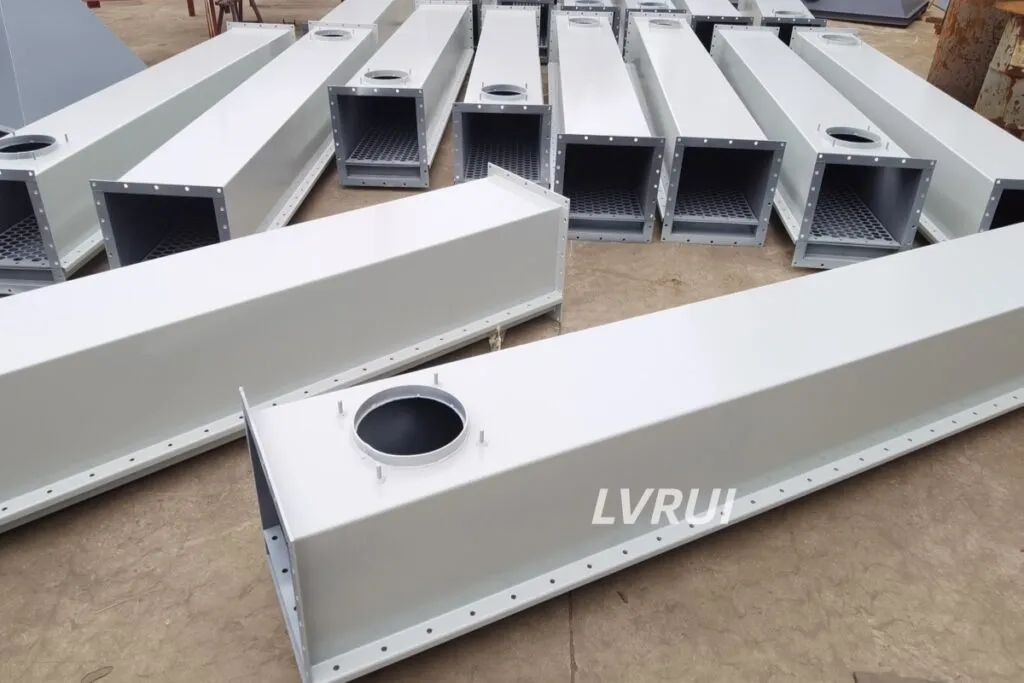
Air slide conveyor system layout for cement plant powder conveying

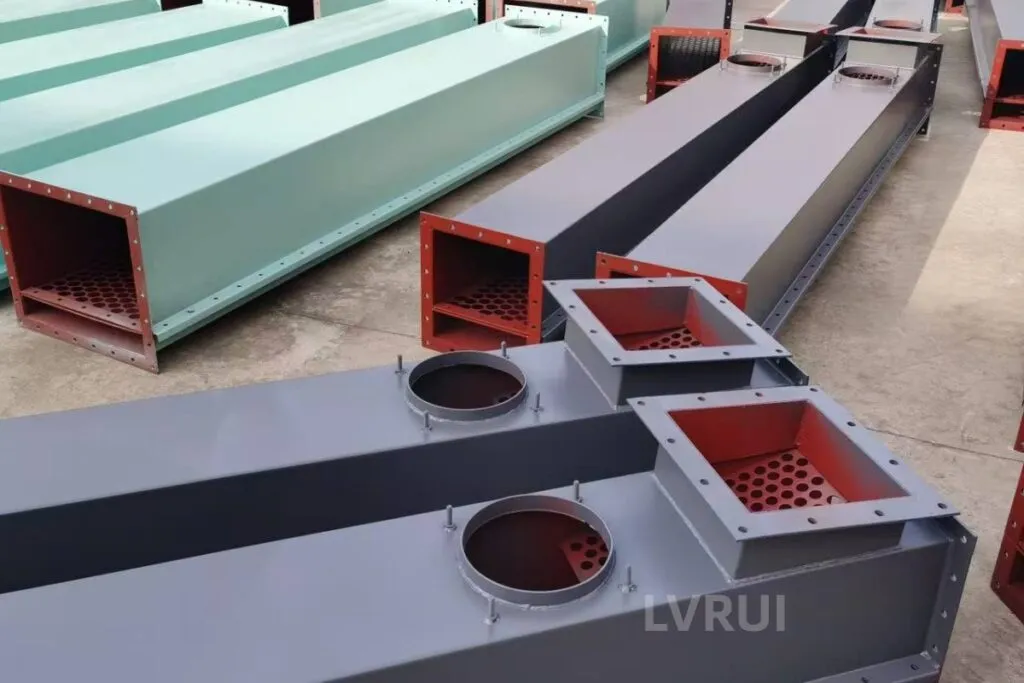
How to Design an Efficient Air Slide Conveyor System for Cement Plants

Designing an efficient air slide conveyor system is critical for stable, low-energy transport of cement, raw meal, and fly ash. This article explains practical engineering principles—material properties, inclination angle, aeration design, air supply control, layout, and maintenance—to help cement plants achieve reliable powder conveying with minimal downtime.

How to Design an Efficient Air Slide Conveyor System for Cement Plants Read More »

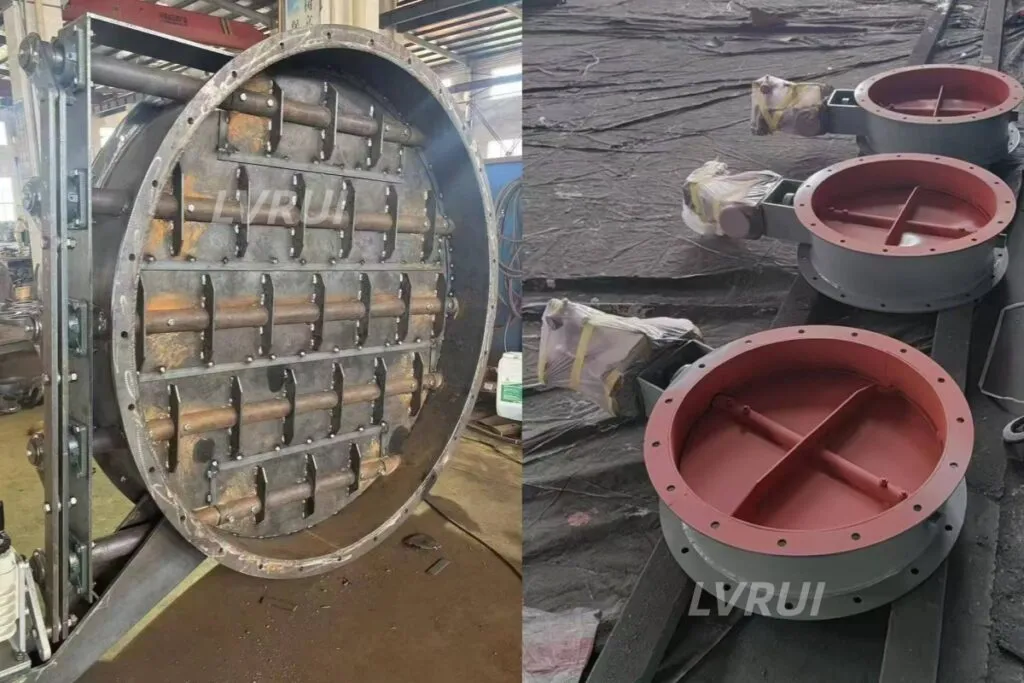
Butterfly damper valve vs louver damper valve for industrial airflow control

Butterfly Damper Valve vs Louver Damper Valve – Key Differences and Industrial Applications

Butterfly damper valves and louver damper valves are widely used in industrial airflow and gas control systems. Although both devices are designed to regulate air or gas flow, their structures, sealing performance, and application scenarios are significantly different. This article provides a detailed comparison of butterfly damper valves and louver damper valves, helping engineers and plant operators select the most suitable solution for cement plants, power stations, and bulk material handling systems.

Butterfly Damper Valve vs Louver Damper Valve – Key Differences and Industrial Applications Read More »

Bulk material handling systems used for conveying cement, fly ash, and industrial powders

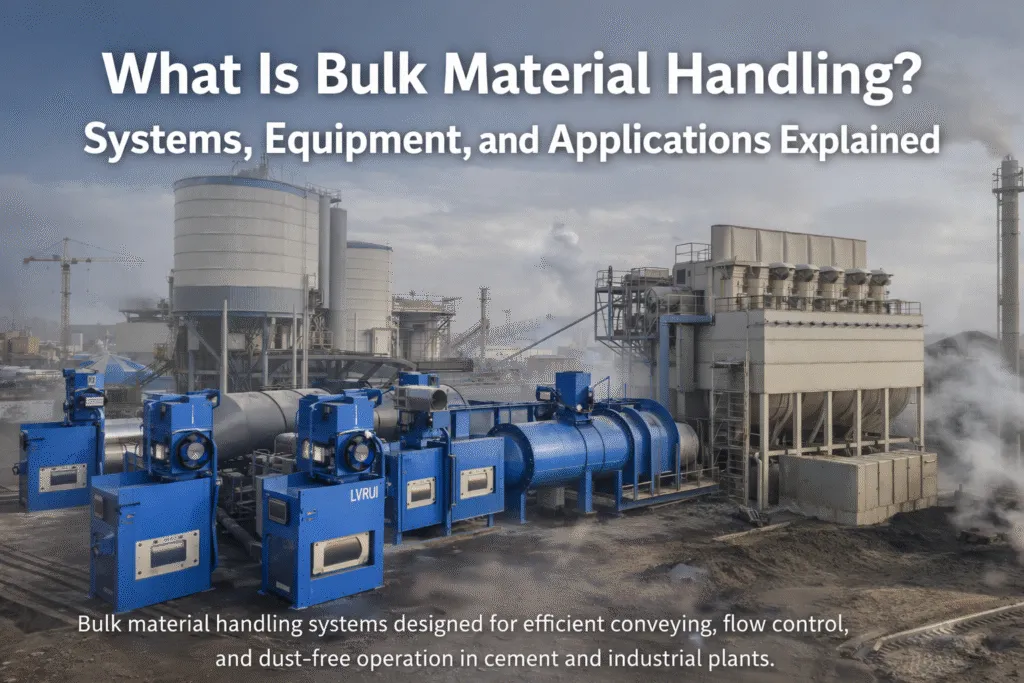
What Is Bulk Material Handling? Systems, Equipment, and Applications Explained

Bulk material handling refers to the process of storing, conveying, controlling, and loading large volumes of bulk solids such as cement, fly ash, limestone, clinker, grain, and other powders or granular materials.
This article explains what bulk material handling is, the main system components, commonly used equipment, and key industrial applications—helping engineers and plant operators choose reliable and efficient material handling solutions.

What Is Bulk Material Handling? Systems, Equipment, and Applications Explained Read More »

Damper valve used for airflow control in cement plant duct and ventilation systems by LVRUI

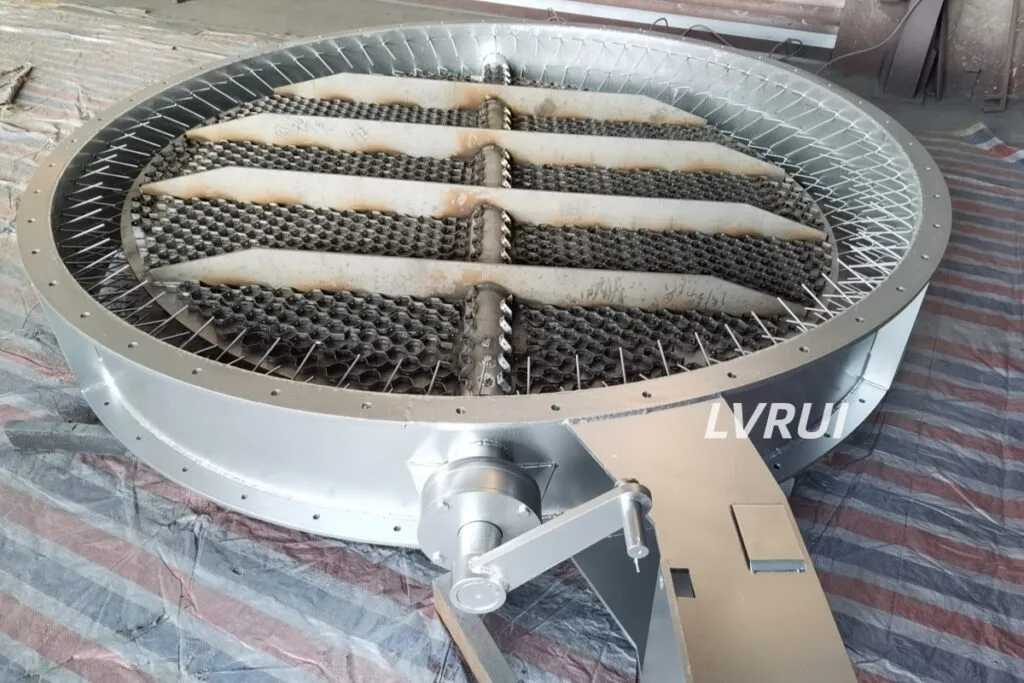
How to Select the Right Damper Valve for Cement Plant Airflow Control

Damper valves play a critical role in cement plant airflow control systems, directly affecting process stability, energy efficiency, and dust control performance. This article provides a practical engineering guide to selecting the right damper valve for cement plants, covering key factors such as operating temperature, dust load, sealing performance, and actuation methods. By understanding different damper valve types and application requirements, engineers can achieve reliable airflow regulation and long-term operational efficiency.

How to Select the Right Damper Valve for Cement Plant Airflow Control Read More »

Pneumatic vs motorized flow control gate comparison – LVRUI

Choosing the Right Pneumatic or Motorized Flow Control Gate for Cement and Bulk Material Handling

Pneumatic and motorized flow control gates are both widely used in cement plants and bulk material handling systems, but they serve different operational needs. Selecting the wrong type can result in unstable flow, excessive wear, dust leakage, and higher operating costs. This article provides a clear technical comparison between pneumatic flow control gates and motorized flow control gates, helping engineers and plant managers choose the most suitable solution based on control accuracy, response speed, maintenance, and application requirements.

Choosing the Right Pneumatic or Motorized Flow Control Gate for Cement and Bulk Material Handling Read More »

Common problems of air slide conveyor including poor material flow, dust leakage, and clogging in cement powder handling systems – LVRUI

Common Problems of Air Slide Conveyors (And How to Fix Them)

Air Slide Conveyors are widely used in cement plants and bulk material handling systems due to their low energy consumption, dust-free operation, and simple structure. However, improper design, incorrect operating parameters, or unsuitable materials can cause frequent operational problems. This article explains the most common air slide conveyor problems, their root causes, and proven engineering solutions to ensure stable, efficient powder conveying performance.

Common Problems of Air Slide Conveyors (And How to Fix Them) Read More »

Aeration pad and air slide conveyor integrated system for cement powder conveying

Integrated Aeration Pad & Air Slide Conveyor Solution for Cement Plants and Bulk Powder Systems

An aeration pad air slide conveyor system is widely used in cement plants and bulk powder handling systems to achieve stable material discharge and continuous conveying. This integrated solution helps reduce blockage, improve powder flow, and enhance operational reliability for cement, fly ash, and other dry fine powders.

Integrated Aeration Pad & Air Slide Conveyor Solution for Cement Plants and Bulk Powder Systems Read More »