Pneumatic vs motorized flow control gate comparison – LVRUI

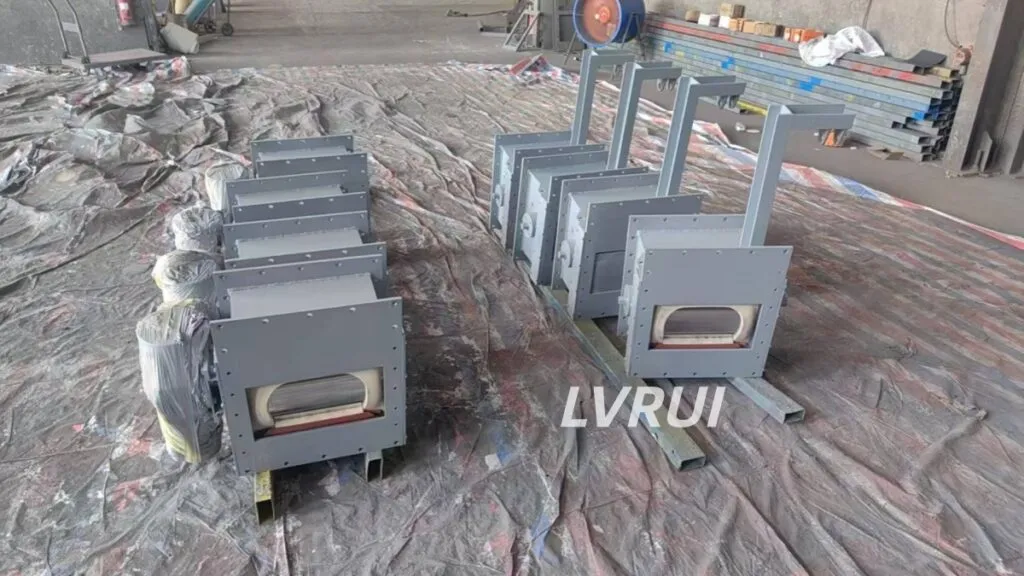
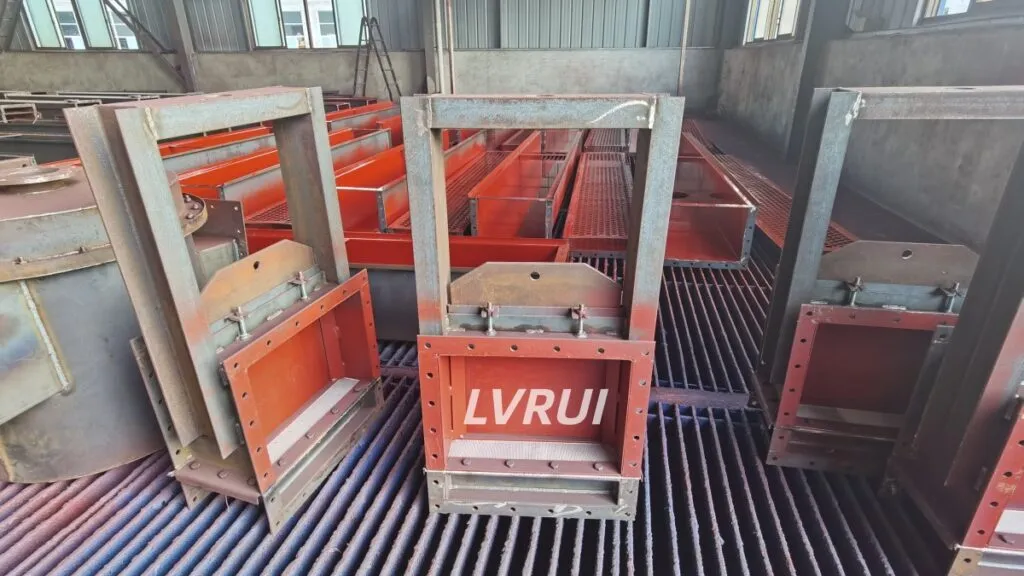
Flow Control Gate Design Considerations for Cement and Powder Handling Systems

Flow control gates play a critical role in regulating bulk material flow in cement plants, powder handling systems, and industrial conveying lines. Beyond basic selection, proper gate design directly impacts flow accuracy, sealing performance, maintenance frequency, and system reliability. This article explores key flow control gate design considerations, including gate structure, sealing methods, actuator selection, material compatibility, and installation layout—helping engineers and plant managers build more stable and efficient bulk handling systems.

Flow Control Gate Design Considerations for Cement and Powder Handling Systems Read More »

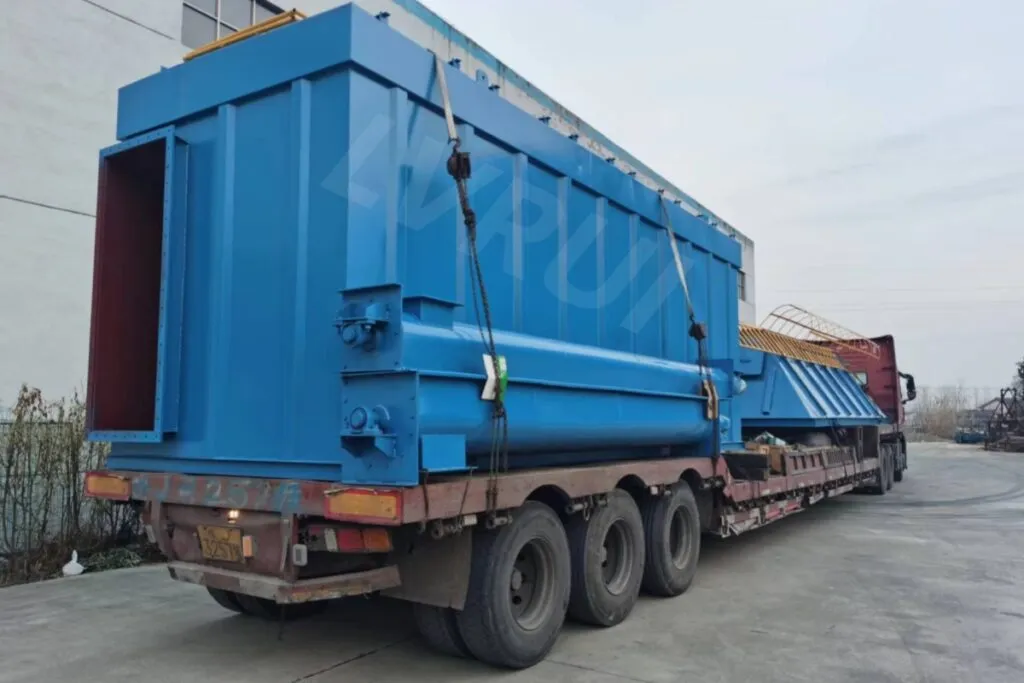
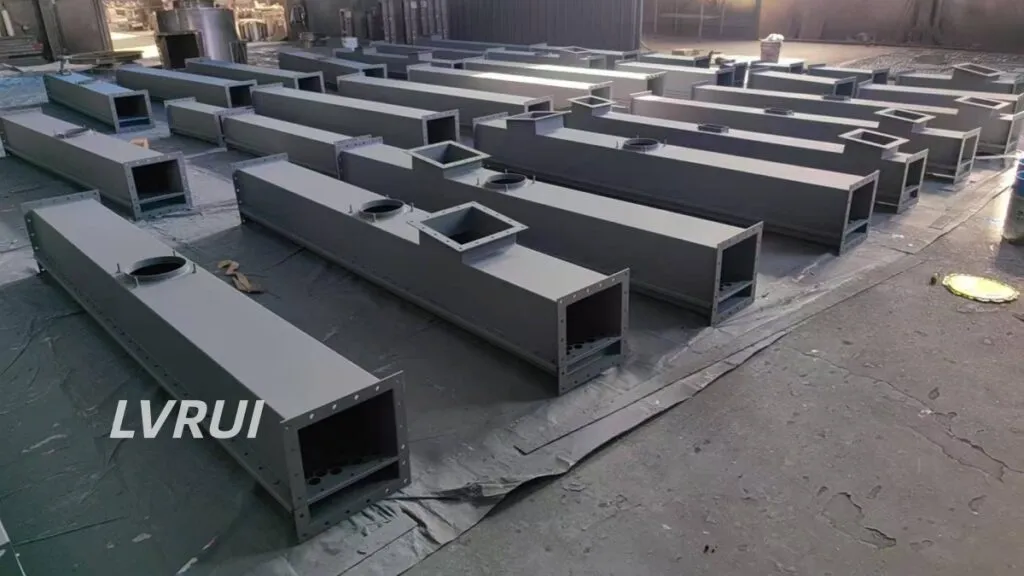
Air slide conveyor system layout for cement plant powder conveying

Air Slide Conveyor System Design: Air Distribution, Venting & Interfaces

Air slide conveyor system design focuses on how selected conveying equipment works together as one complete system. This guide covers air-distribution architecture, venting and dust-collection interfaces, material-flow routing, connected equipment, basic control logic and interlocks that should be coordinated before final system drawings are released.

Air Slide Conveyor System Design: Air Distribution, Venting & Interfaces Read More »

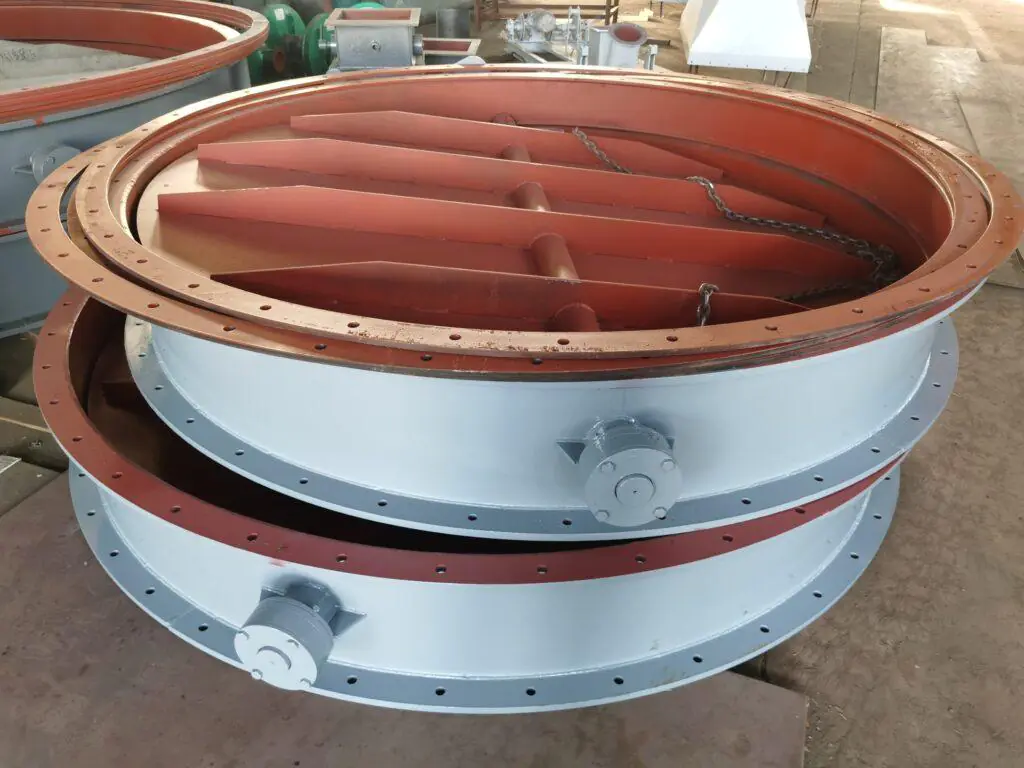
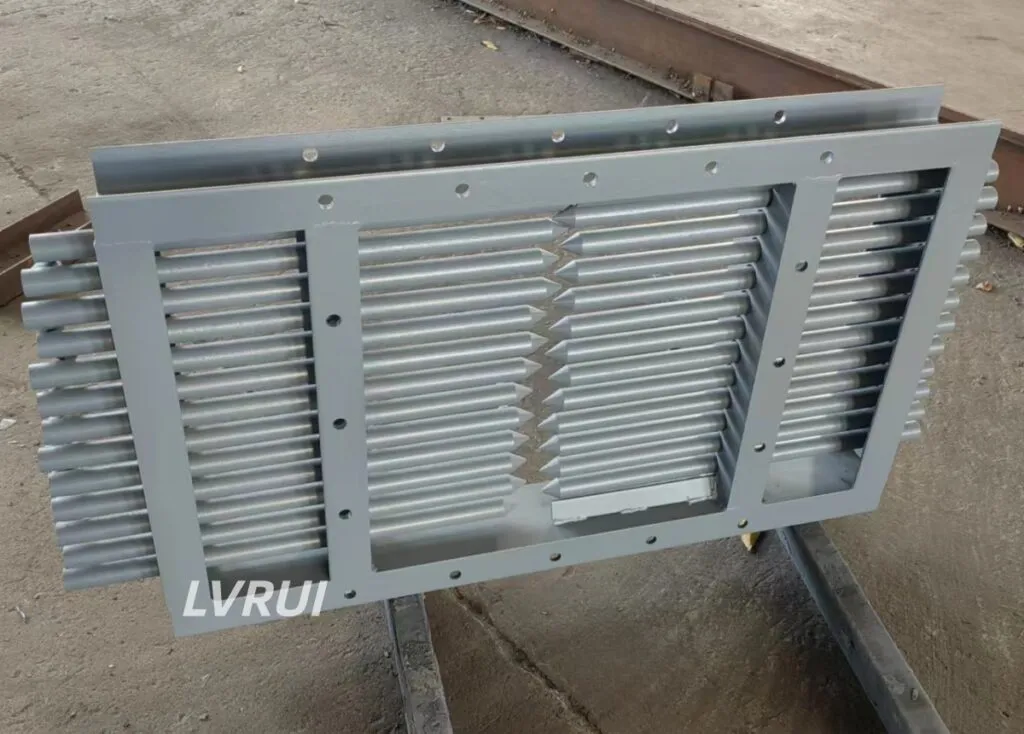
Butterfly damper valve vs louver damper valve for industrial airflow control

Butterfly Damper Valve vs Louver Damper Valve – Key Differences and Industrial Applications

Butterfly damper valves and louver damper valves are widely used in industrial airflow and gas control systems. Although both devices are designed to regulate air or gas flow, their structures, sealing performance, and application scenarios are significantly different. This article provides a detailed comparison of butterfly damper valves and louver damper valves, helping engineers and plant operators select the most suitable solution for cement plants, power stations, and bulk material handling systems.

Butterfly Damper Valve vs Louver Damper Valve – Key Differences and Industrial Applications Read More »

Bulk material handling systems used for conveying cement, fly ash, and industrial powders

What Is Bulk Material Handling? Systems, Equipment, and Applications Explained

Bulk material handling refers to the process of storing, conveying, controlling, and loading large volumes of bulk solids such as cement, fly ash, limestone, clinker, grain, and other powders or granular materials.
This article explains what bulk material handling is, the main system components, commonly used equipment, and key industrial applications—helping engineers and plant operators choose reliable and efficient material handling solutions.

What Is Bulk Material Handling? Systems, Equipment, and Applications Explained Read More »

Damper valve used for airflow control in cement plant duct and ventilation systems by LVRUI

How to Select the Right Damper Valve for Cement Plant Airflow Control

Damper valves play a critical role in cement plant airflow control systems, directly affecting process stability, energy efficiency, and dust control performance. This article provides a practical engineering guide to selecting the right damper valve for cement plants, covering key factors such as operating temperature, dust load, sealing performance, and actuation methods. By understanding different damper valve types and application requirements, engineers can achieve reliable airflow regulation and long-term operational efficiency.

How to Select the Right Damper Valve for Cement Plant Airflow Control Read More »

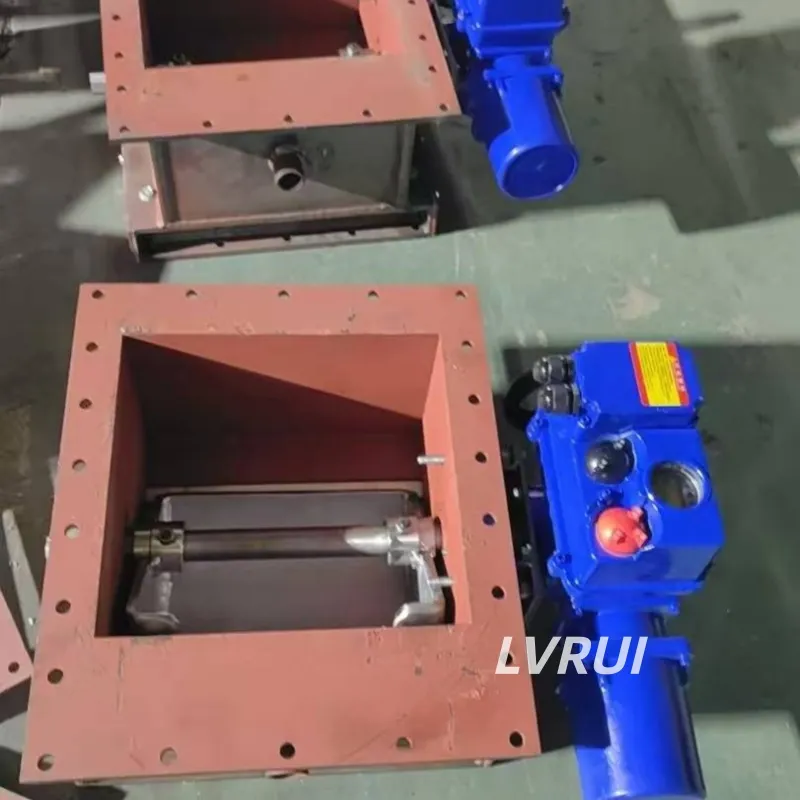
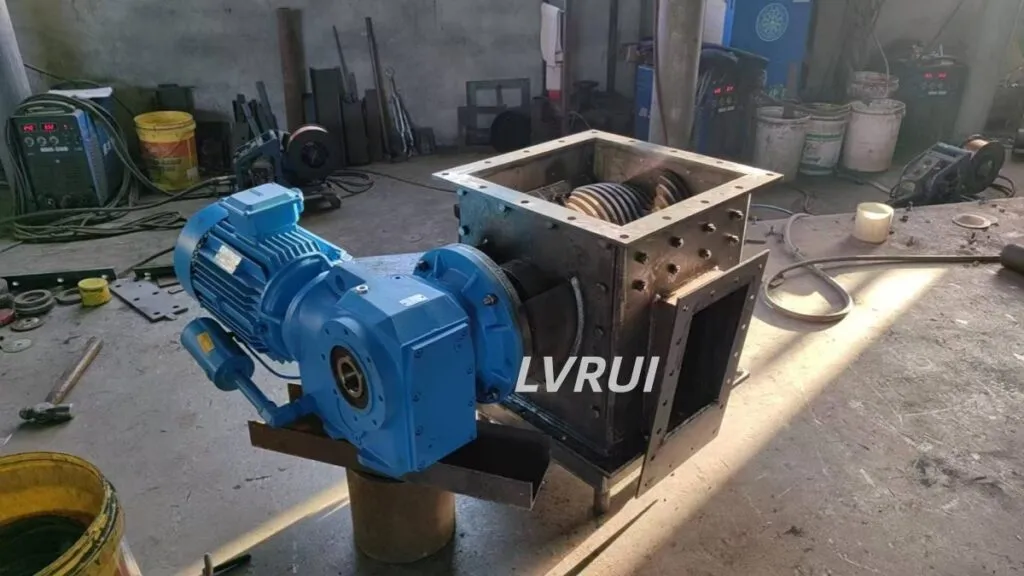
Pneumatic vs motorized flow control gate comparison – LVRUI

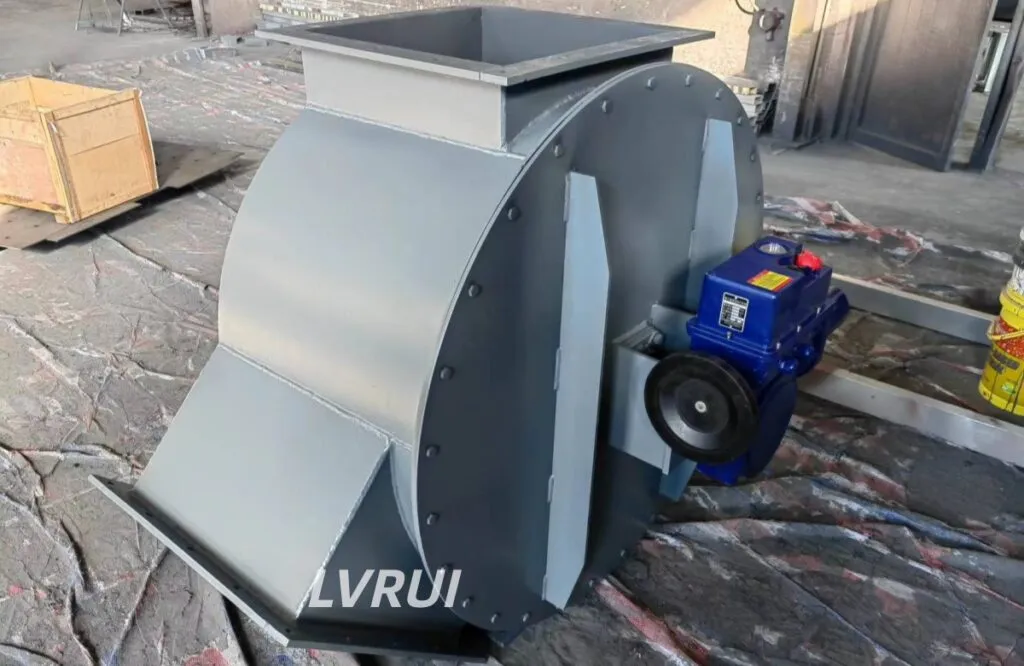
Choosing the Right Pneumatic or Motorized Flow Control Gate for Cement and Bulk Material Handling

Pneumatic and motorized flow control gates are both widely used in cement plants and bulk material handling systems, but they serve different operational needs. Selecting the wrong type can result in unstable flow, excessive wear, dust leakage, and higher operating costs. This article provides a clear technical comparison between pneumatic flow control gates and motorized flow control gates, helping engineers and plant managers choose the most suitable solution based on control accuracy, response speed, maintenance, and application requirements.

Choosing the Right Pneumatic or Motorized Flow Control Gate for Cement and Bulk Material Handling Read More »

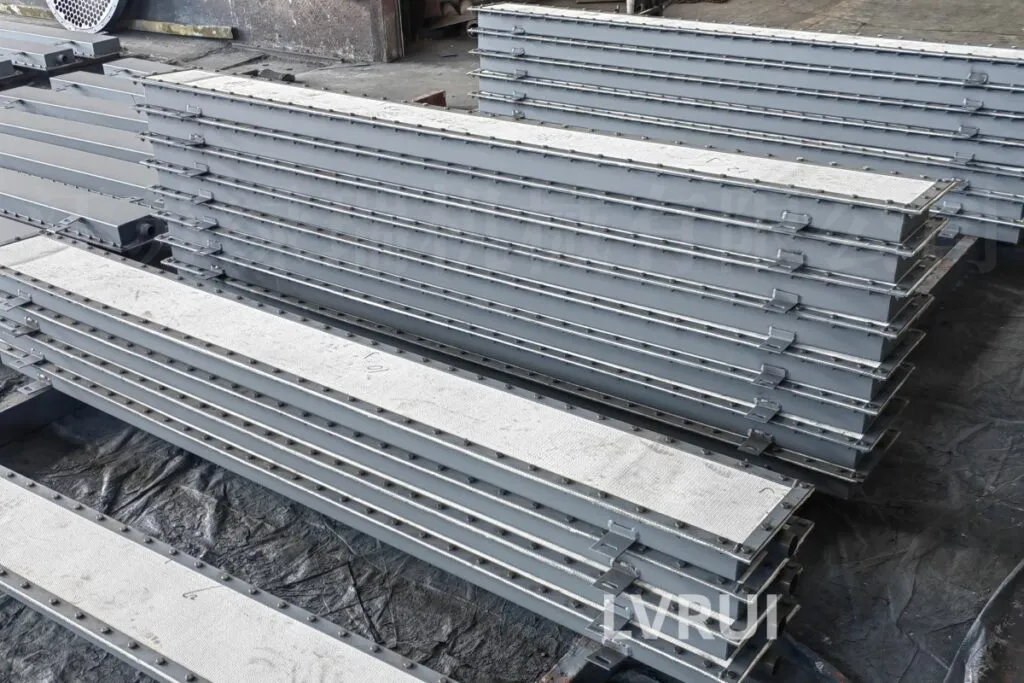
U-type screw conveyor for cement and powder material handling

Air Slide Conveyor vs Screw Conveyor: Which Is Better for Powder Handling?

Air slide conveyor vs screw conveyor selection depends on material behavior, conveying route, feeding requirements, installation layout and maintenance priorities. Air slides are well suited to continuous conveying of dry, fluidizable powders where a downward route is available, while screw conveyors provide mechanical conveying and better feeding control in compact or short-distance applications. This guide compares both systems and explains when one—or a combination of both—may be more suitable.

Air Slide Conveyor vs Screw Conveyor: Which Is Better for Powder Handling? Read More »

Common problems of air slide conveyor including poor material flow, dust leakage, and clogging in cement powder handling systems – LVRUI

Common Problems of Air Slide Conveyors (And How to Fix Them)

Common problems of air slide conveyors include poor powder flow, dust or air leakage, uneven fluidization, material buildup and reduced conveying capacity. This troubleshooting guide explains the likely causes behind each symptom and the first checks operators should make before changing airflow, replacing fabric or adjusting equipment settings. Detailed blockage and maintenance procedures are covered separately in the related technical guides.

Common Problems of Air Slide Conveyors (And How to Fix Them) Read More »

Aeration pad and air slide conveyor integrated system for cement powder conveying

Aeration Pad Air Slide Conveyor: Connecting Silo Discharge to Downstream Conveying

An aeration pad air slide conveyor system combines silo or hopper flow assistance with downstream powder conveying. Aeration pads use low-pressure air to improve the movement of dry, fluidizable powder near the discharge zone, while the air slide conveyor transfers the discharged material to the next process. This guide explains how the two devices work together, where flow-control equipment fits in the arrangement, and what should be checked when silo discharge remains unstable.

Aeration Pad Air Slide Conveyor: Connecting Silo Discharge to Downstream Conveying Read More »

Aeration pad installed in cement silo cone to improve powder flow and prevent blockage

Aeration Pad vs Aeration Box: Key Differences for Cement Silos

Aeration pad and aeration box are both used to introduce low-pressure air into dry powder, but they should not automatically be treated as identical components. The terms may overlap in supplier catalogs and engineering documents, while the actual structure, aeration area and mounting arrangement can differ. This guide explains how to identify the correct component for a cement silo or hopper project.

Aeration Pad vs Aeration Box: Key Differences for Cement Silos Read More »

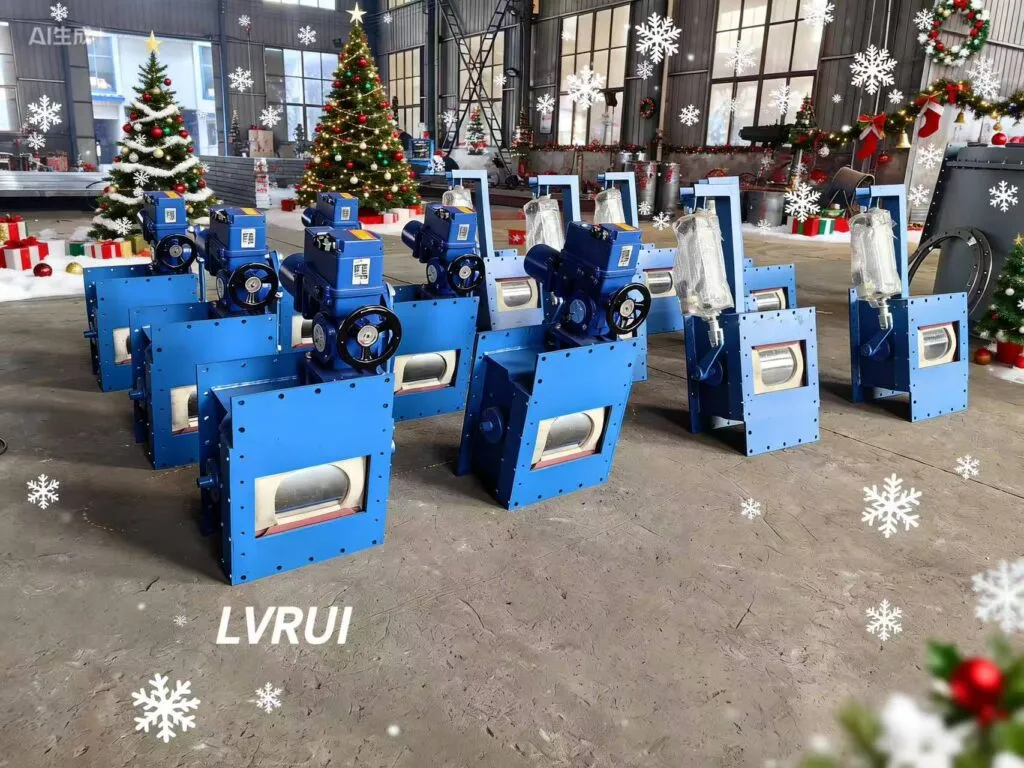
LVRUI bulk material handling equipment displayed in factory with Christmas decoration

Christmas Reflections: Keeping Bulk Material Handling Systems Running Smoothly During the Holiday Season

As Christmas approaches, many industrial plants continue operating to meet production demands. Reliable bulk material handling equipment—such as flow control gates, diverter valves, air slide conveyors, and telescopic loading chutes—plays a critical role in maintaining safe, efficient, and uninterrupted operations during the holiday season. This article reflects on the importance of stable material flow solutions and how well-designed equipment helps industries operate smoothly, even during festive downtime.

Christmas Reflections: Keeping Bulk Material Handling Systems Running Smoothly During the Holiday Season Read More »