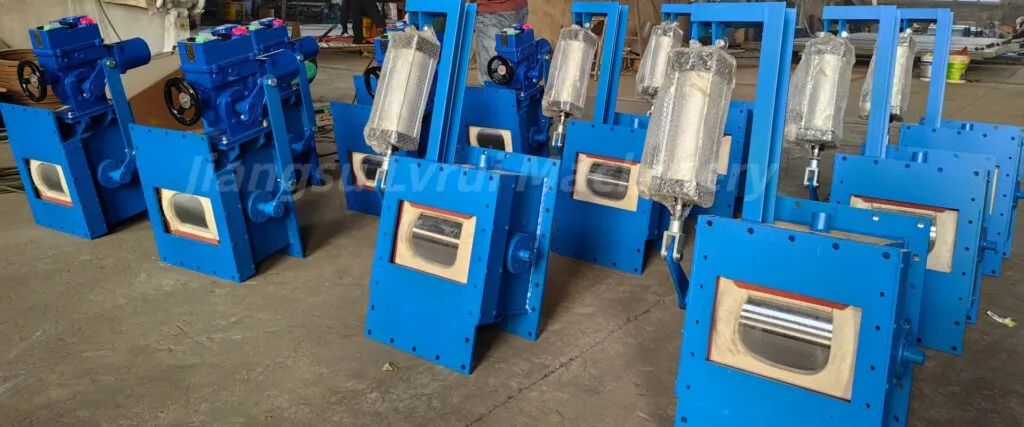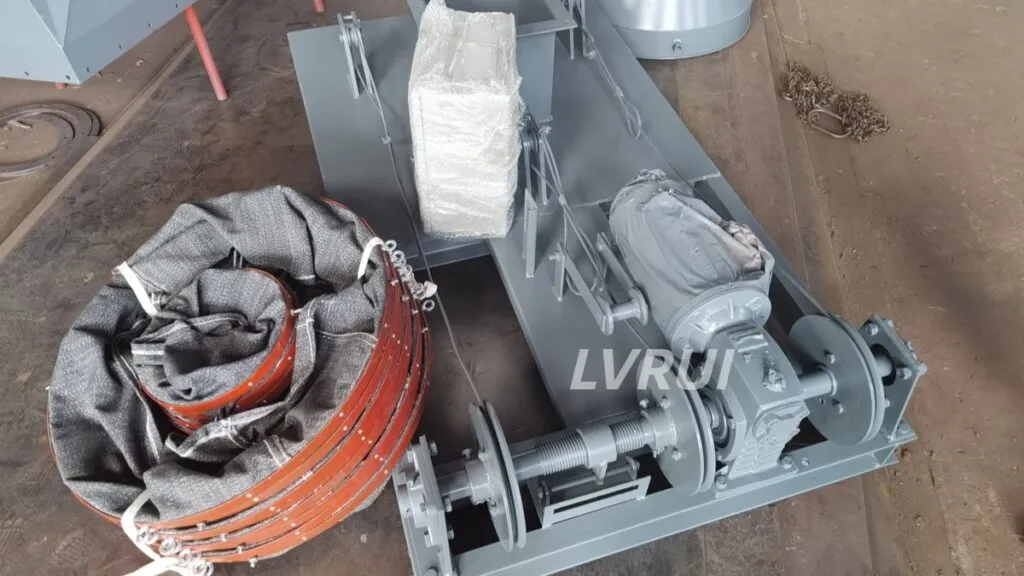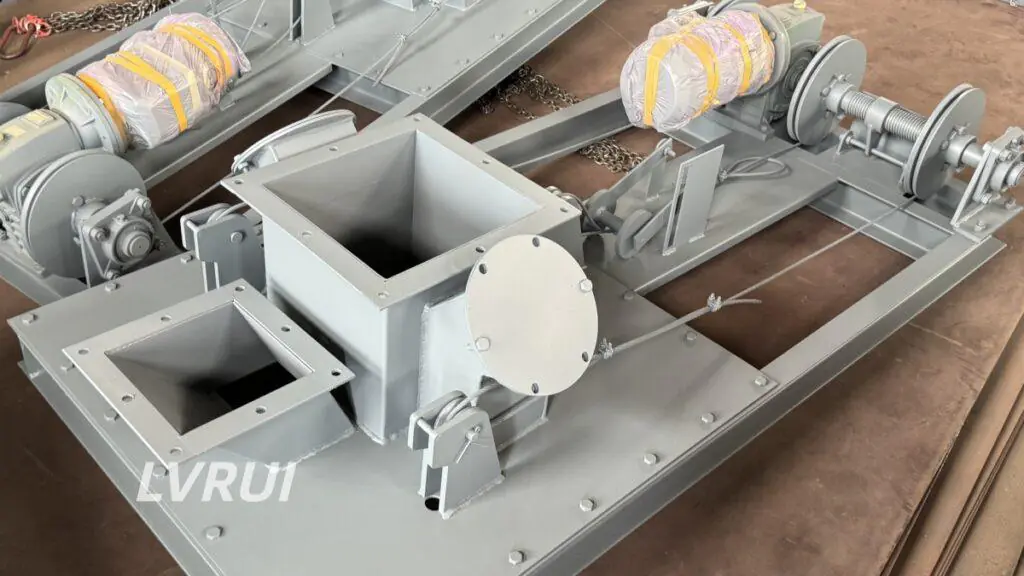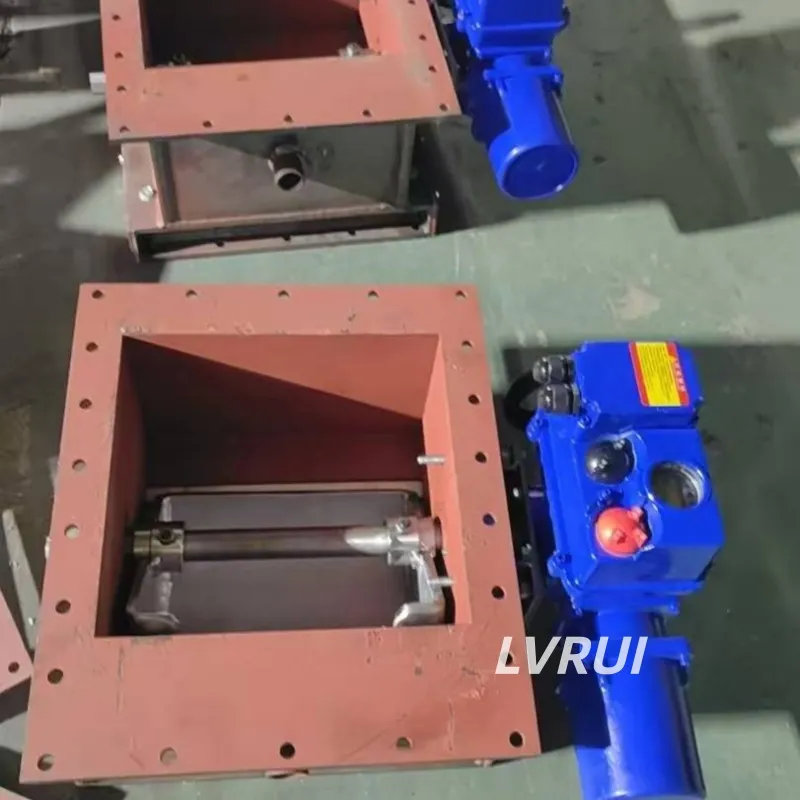
LVRUI heavy-duty Motorized Flow Control Gate Valve with electric actuator for precise material flow control in cement and mining systems.

Motorized Flow Control Gate Actuator: PLC Control & Position Feedback

A motorized flow control gate uses an electric actuator to adjust the discharge opening below a silo or hopper. Reliable operation depends not only on the valve body, but also on actuator torque, travel limits, position feedback, control signals, duty cycle, and PLC integration. This guide explains how these control elements work together in cement and dry powder systems, and what engineers should confirm when configuring a motorized gate for remote or automated operation.

Motorized Flow Control Gate Actuator: PLC Control & Position Feedback Read More »
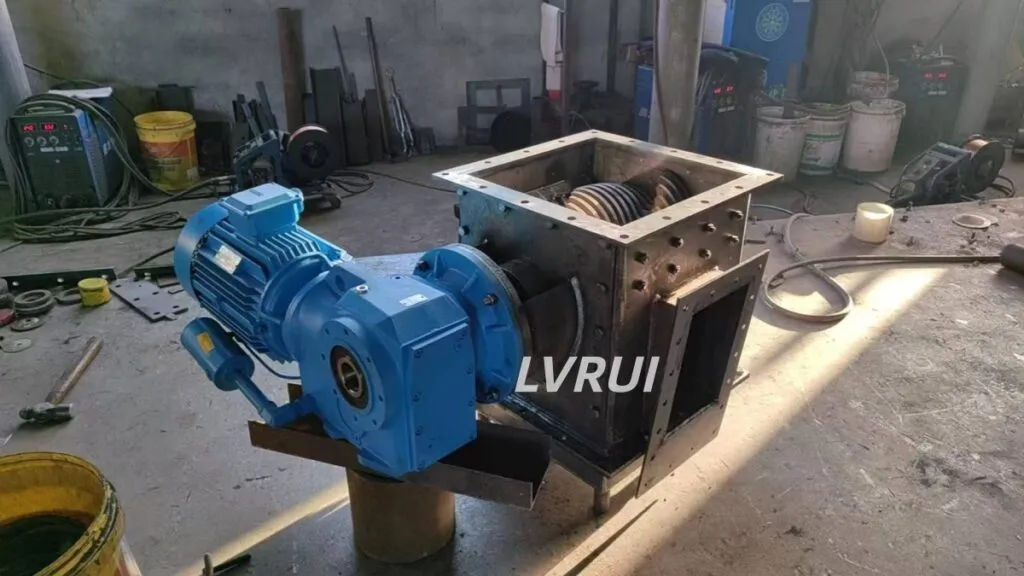
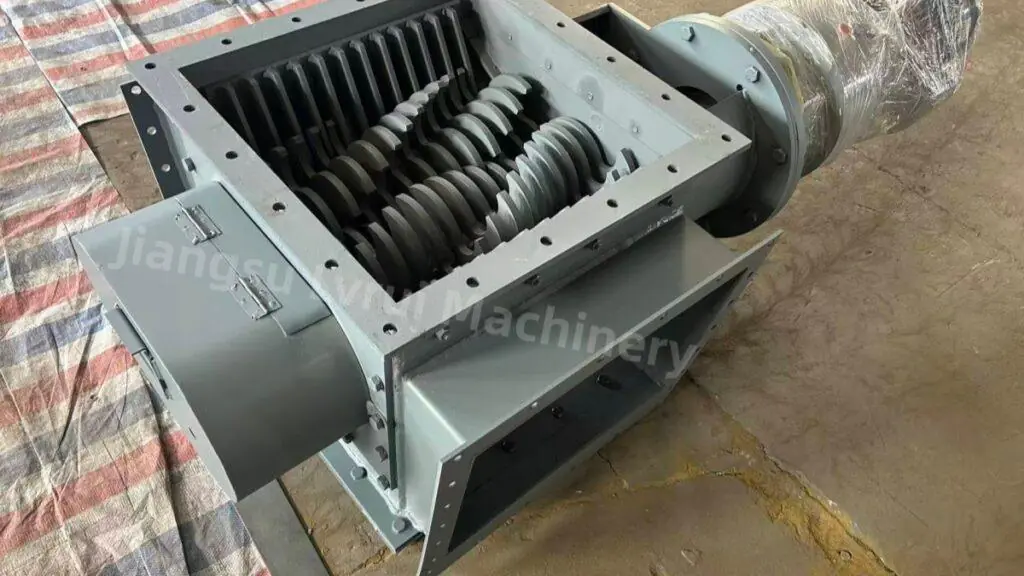
Industrial lump breaker for bulk material handling, manufactured by LVRUI

Industrial Lump Breaker Applications for Dry Bulk Materials

Industrial lump breakers are used where dry bulk materials form agglomerates that may interfere with downstream conveying, feeding or packaging equipment. Typical applications include silo outlets, hopper discharge points, screw conveyors, rotary valves, mixers, bagging systems and bulk loading lines. This guide explains where lump breakers are commonly installed, which materials are suitable, and when another type of equipment may be more appropriate.

Industrial Lump Breaker Applications for Dry Bulk Materials Read More »

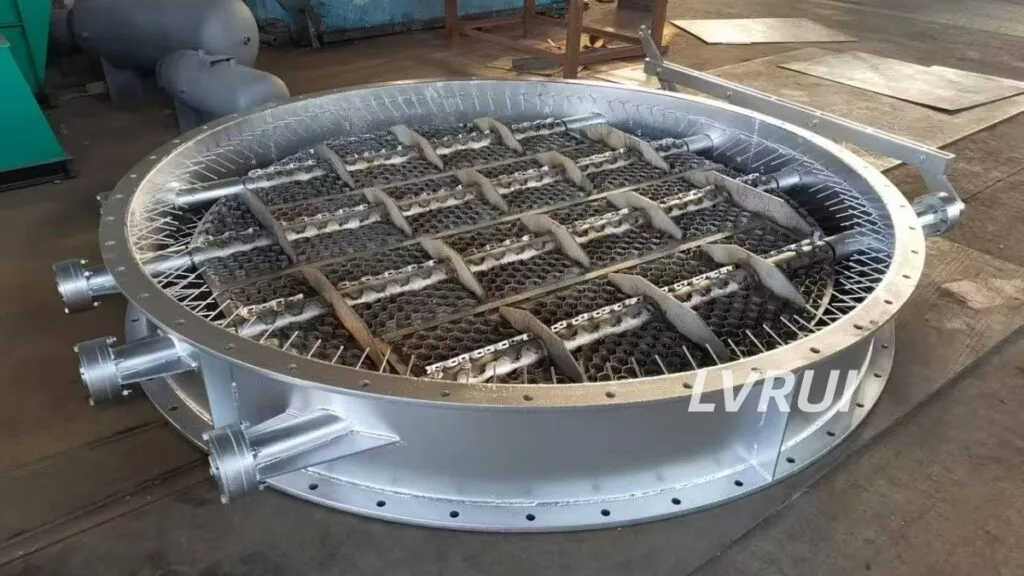
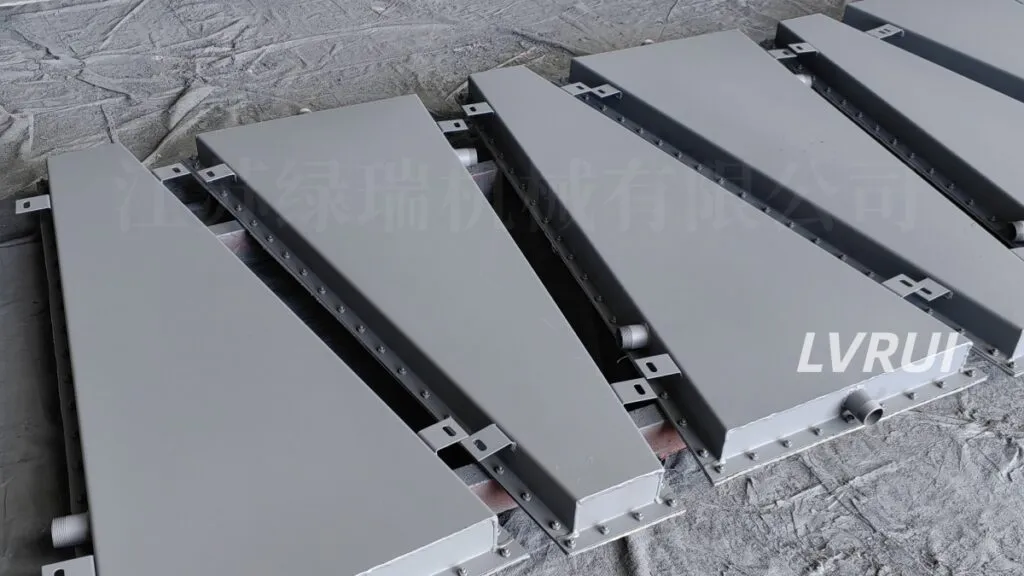
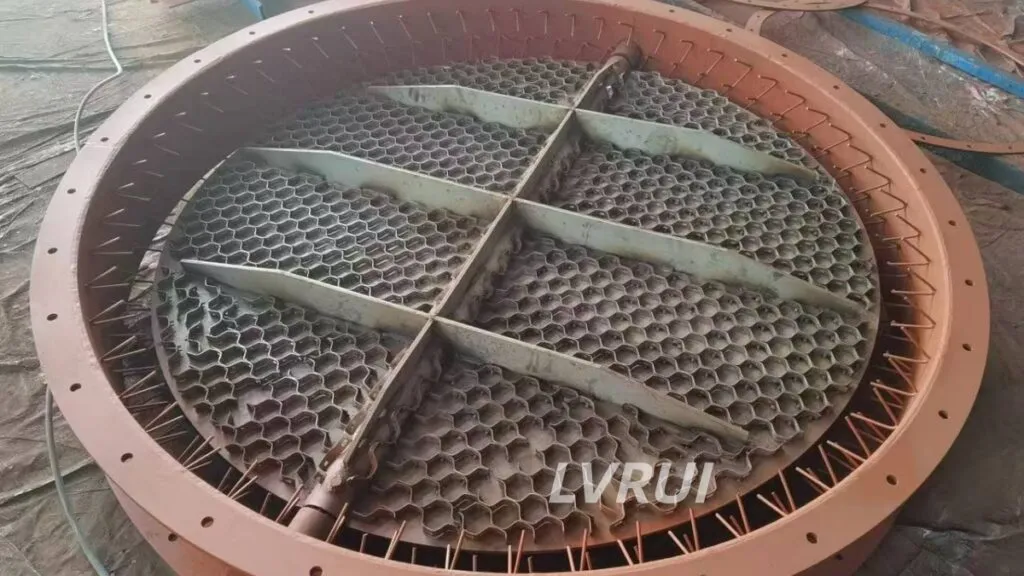
Air slide aeration plates and aeration pads for cement and powder fluidization – LVRUI.

Air Slide Aeration Plate: Powder Aeration, Fluidization and Flow Aid Explained

The term “air slide aeration plate” is used differently across powder-handling projects and supplier documents. It may refer to a plate-type fluidization device used as a powder flow aid, but it should not automatically be treated as the same component as a silo aeration pad or the internal support structure of an air slide conveyor. This guide explains the terminology, working principle, typical structure, and key differences engineers should confirm before specifying equipment.

Air Slide Aeration Plate: Powder Aeration, Fluidization and Flow Aid Explained Read More »

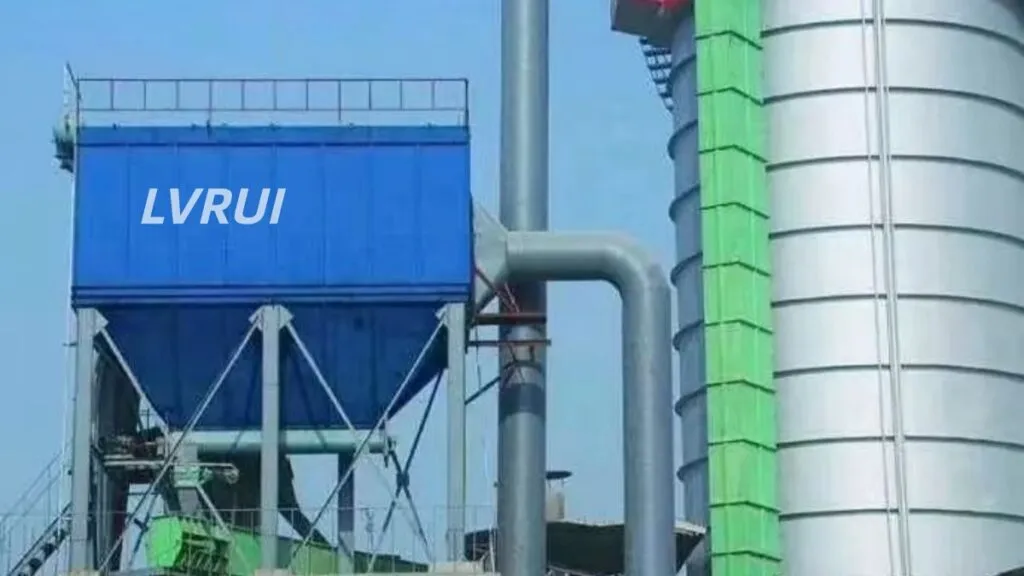
Industrial bag filter dust collector system by LVRUI for cement and powder processing plants

Bag Filter in Cement Plant: Applications and Dust Filtration Considerations

Bag filters play an important role in cement plant dust collection by removing fine particles from process gas streams. This article explains where bag filters are used in cement plants, including kiln systems, raw mills, cement mills, clinker coolers, and material handling areas. It also discusses key factors affecting filtration performance, such as dust characteristics, airflow conditions, filter media selection, and cleaning system operation.

Bag Filter in Cement Plant: Applications and Dust Filtration Considerations Read More »

Rod gate for silo and hopper discharge, manual slide gate valve for powder and bulk material handling

Rod Gate for Hopper Discharge: Clinker and Aggregate Applications

A rod gate for hopper discharge provides material isolation in clinker, aggregate and other coarse bulk material handling systems. It uses parallel withdrawable steel rods and is commonly combined with a sector gate or clamshell gate for downstream discharge control. This article explains how these devices work together, typical silo and hopper applications, installation arrangements and operating considerations. It also covers outlet connections, rod-withdrawal clearance and the information engineers need when planning a combined isolation and discharge system.

Rod Gate for Hopper Discharge: Clinker and Aggregate Applications Read More »

Pneumatic flow control gate for powder and bulk material discharge in cement plants

Pneumatic Flow Control Gate Working Principle & Control System Guide

A pneumatic flow control gate uses compressed air to operate the flow-control mechanism beneath a silo, hopper, or dry bulk powder handling system. Its performance depends on the pneumatic actuator, air supply, position control, feedback signals, and process interlocks. This guide explains the pneumatic flow control gate working principle, control sequence, actuator configuration, PLC integration, and common control-side problems while clarifying the difference between gate position and actual material flow rate.

Pneumatic Flow Control Gate Working Principle & Control System Guide Read More »

Butterfly damper valve for industrial airflow control system

Butterfly Damper Working Principle: How It Controls Industrial Airflow

Butterfly damper working principle is based on rotating a single blade around a shaft inside an air duct. As the blade position changes, the effective flow area changes, allowing the damper to regulate or isolate industrial airflow. This guide explains blade movement, shaft and actuator functions, airflow response, manual and automatic operation, and the operating conditions that affect butterfly damper performance in dust collection, ventilation and process-air systems.

Butterfly Damper Working Principle: How It Controls Industrial Airflow Read More »

Limestone Bulk Loader and Fly Ash Gate for Cement Plant Bulk Material Loading Systems

Cement vs Limestone Bulk Loader: Key Design Differences and Selection Guide

Cement and limestone may use similar bulk loading equipment, but the correct loader configuration depends on the actual material condition rather than the material name alone. Cement is normally handled as a fine powder, while limestone may range from fine powder to coarse crushed material. This guide compares dust control, abrasion, flow path, feeding control and loading interfaces to help engineers select a suitable bulk loading arrangement.

Cement vs Limestone Bulk Loader: Key Design Differences and Selection Guide Read More »

Lump breaker machine used to crush hard lumps and improve material flow in cement and powder handling systems

Cement Powder Lumps After Silo Discharge: How They Block Conveyors and Valves

Cement powder lumps after silo discharge can create serious problems in downstream equipment. Once hardened lumps leave the silo outlet, they may block screw conveyors, disturb air slide conveyor fluidization, jam rotary valves, affect flow control gates and interrupt bulk loading systems. This article explains how to identify these risks and when upstream protection is needed before conveyors and valves.

Cement Powder Lumps After Silo Discharge: How They Block Conveyors and Valves Read More »