Introduction
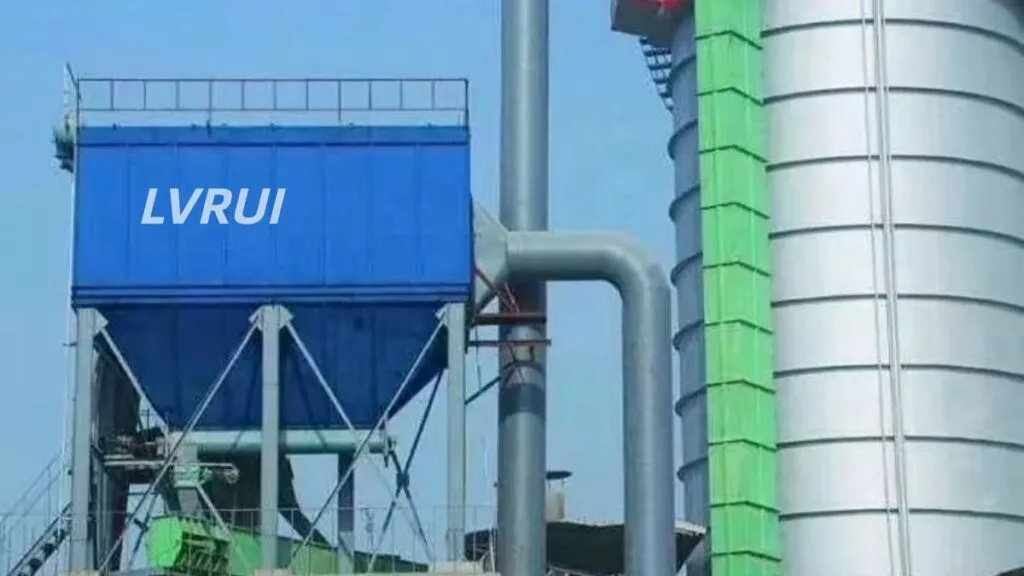
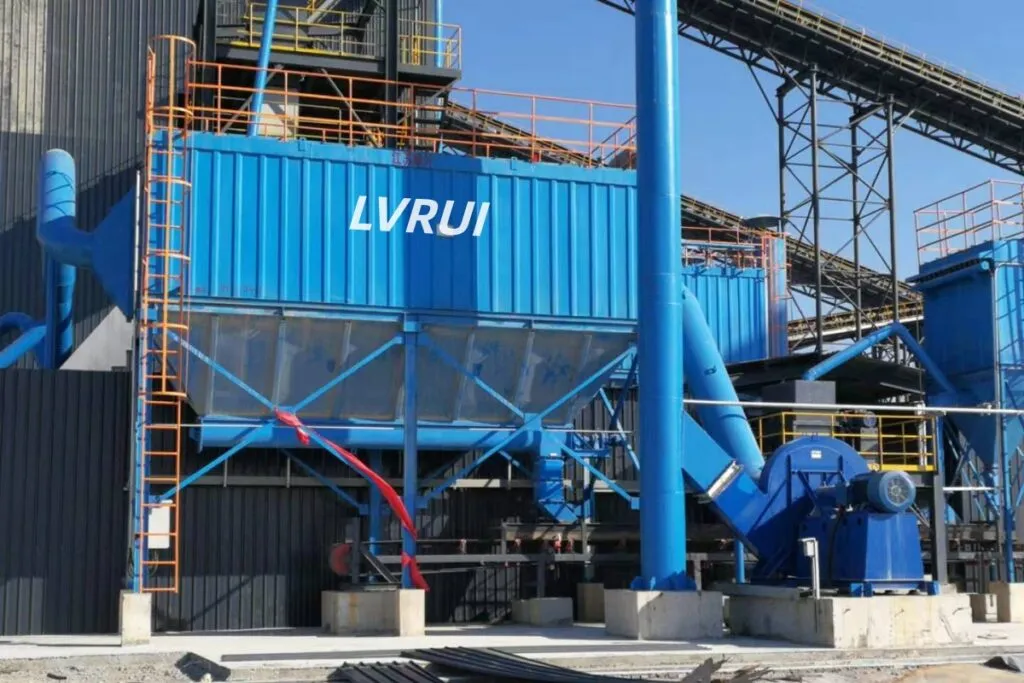
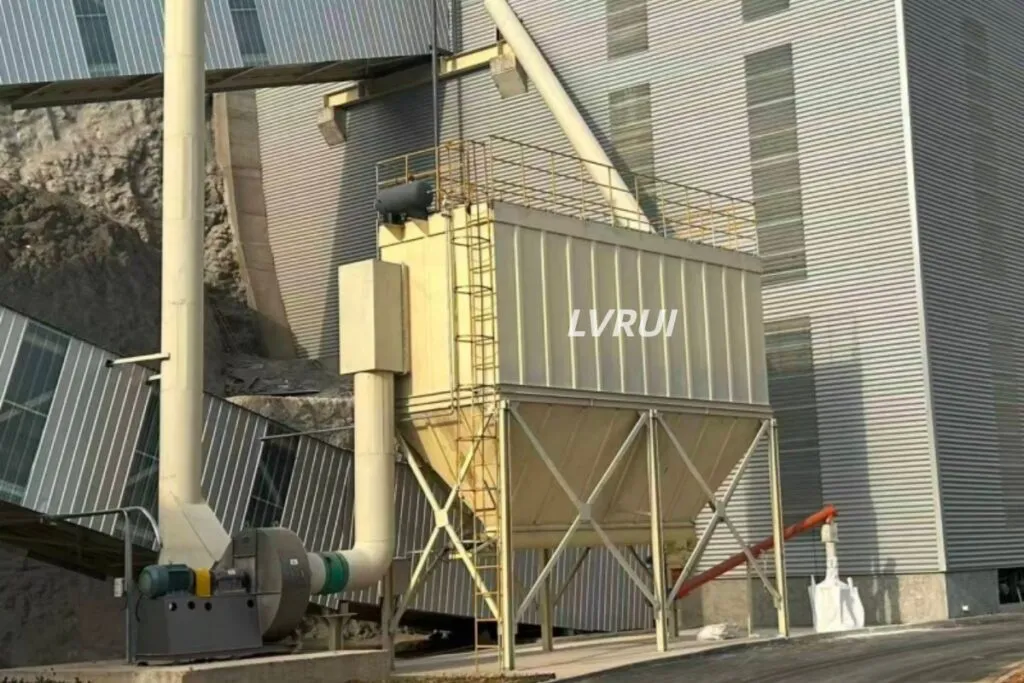
Industrial Bag Filter Troubleshooting is essential for cement plants, power plants, and other industrial facilities to ensure efficient dust collection and maintain regulatory compliance. Bag filters, also known as baghouse filters or fabric filters, are widely used to capture particulate matter from gas streams and prevent environmental pollution. Proper troubleshooting helps identify common problems such as bag blinding, uneven airflow, pulse jet cleaning failures, fabric media wear, and hopper plugging, enabling technicians to implement effective solutions and optimize system performance.
By following a systematic approach to industrial bag filter troubleshooting, maintenance teams can extend the lifespan of bag media, minimize downtime, and improve overall dust control efficiency in cement production and bulk material handling operations.
1. Bag Blinding / Rapid Pressure Rise
Problem: Rapid increase in differential pressure (ΔP) across the baghouse is usually caused by bag blinding — material buildup on the filter media that restricts airflow.
Symptoms:
- High differential pressure on gauge
- Reduced airflow and reduced dust collection efficiency
- Frequent pulse cleaning activation
Causes:
- Poor cleaning system performance
- High dust loading in the flue gas
- Inadequate bag media selection
Solutions:
- Check pulse jet system — ensure proper nozzle pressure and timer settings.
- Replace or upgrade bag media — consider high‑efficiency polyester or PTFE membrane bags for sticky dust.
- Install inlet baffles to distribute dust evenly across bag rows.
📌Learn more about baghouse filter design to optimize airflow distribution and reduce maintenance issues.
📌 Refer to the OSHA industrial dust collector guidance for compliance and best practices in dust control.
2. Uneven Airflow Across Bag Rows
Problem: Airflow imbalance causes some bag rows to carry more load, leading to premature bag wear and inefficient dust capture.
Symptoms:
- Certain bag compartments show high differential pressure
- Visible dust leakage from specific outlet areas
Causes:
- Damaged or improperly set pulse valves
- Incorrect hopper aerodynamics
- Blockage in plenum or tubesheet
Solutions:
- Inspect and replace malfunctioning pulse valves.
- Balance plenum airflow using perforated plates.
- Conduct a flow visualization test to identify blockages.
3. Pulse Jet Cleaning Failures
Problem: Pulse cleaning system not firing properly — bags do not get cleaned effectively.
Symptoms:
- Bags remain heavily loaded after cleaning cycle
- High pressure drop maintained
Causes:
- Loss of compressed air pressure
- Faulty diaphragm valves or solenoids
- Incorrect pulse timer settings
Solutions:
- Ensure compressed air supply meets required PSI.
- Test diaphragm valves and replace defective units.
- Adjust cleaning sequence and frequency based on dust characteristics.
📌 Explore fabric filter maintenance tips for extended bag life and improved dust collection efficiency.
4. Fabric Media Wear and Tears
Problem: Bags show signs of wear, fraying, or holes — reducing filtration efficiency.
Symptoms:
- Visible bag damage
- Increased dust emissions downstream
Causes:
- Abrasive dust particles
- High gas temperature
- Mechanical strain during installation
Solutions:
- Choose abrasion‑resistant bag materials such as aramid or PPS.
- Protect bags from high temperatures (> 260°C) using insulation or cooling systems.
- Train installation teams on proper bag handling techniques.
5. Hopper Plugging / Material Build‑up
Problem: Dust accumulates in the hopper, interfering with ash discharge and airflow.
Symptoms:
- Material bridging at hopper inlet
- Backpressure on baghouse system
Causes:
- Incorrect hopper slope
- Sticky dust with high moisture content
Solutions:
- Modify hopper slope to recommended angle (minimum 60° for most powders).
- Install vibrators or air cannons to prevent bridging.
- Ensure dust moisture is controlled before entry to baghouse.
FAQs About Industrial Bag Filter Troubleshooting
How do I know if bag blinding is affecting my baghouse performance?
During Industrial Bag Filter Troubleshooting, a rapid rise in differential pressure (ΔP) two to three times higher than normal typically indicates bag blinding. Visual inspection and testing of the pulse jet cleaning system are essential steps to confirm and resolve the issue in cement plants or bulk material facilities.
Can improper pulse jet cleaning settings damage the bag filter?
Yes. As part of Industrial Bag Filter Troubleshooting, technicians should ensure pulse jet cleaning is correctly timed. Too frequent pulses can erode bag media prematurely, while too infrequent pulses allow dust cake buildup. Adjustments should always be based on the specific dust type and load for optimal dust control.
What bag media is best for high‑abrasive cement dust?
During Industrial Bag Filter Troubleshooting, it is recommended to use abrasion‑resistant bag materials such as aramid or PPS with PTFE membrane. These provide longer life and maintain high filtration efficiency for cement, fly ash, lime, and other abrasive powders.
How often should I inspect my industrial bag filter?
Routine inspections are critical in Industrial Bag Filter Troubleshooting. Monthly visual inspection combined with quarterly differential pressure analysis is recommended for cement plants and other powder handling facilities to prevent failures and optimize system performance.
Why is airflow imbalance harmful in a baghouse?
Airflow imbalance is a common issue detected during Industrial Bag Filter Troubleshooting. It leads to uneven cleaning, localized wear, and reduced overall filtration efficiency. Correcting plenum and pulse jet settings ensures optimal airflow and longer bag life.
What safety precautions are necessary when troubleshooting bag filters?
During Industrial Bag Filter Troubleshooting, always follow safety protocols: lock out/tag out the system, depressurize, and wear proper PPE. These steps protect maintenance personnel while ensuring the baghouse operates safely and efficiently.
Masalah Umum dan Solusi Efektif pada Industrial Bag Filter
Industrial bag filter (baghouse) memainkan peran penting dalam sistem kendali debu di pabrik semen dan fasilitas industri lain. Masalah umum termasuk penumpukan debu pada media (bag blinding), aliran udara tidak merata, kegagalan sistem pulse jet, kerusakan media kain, dan tersumbatnya hopper. Solusi efektif mencakup pemeriksaan sistem pembersihan, penggantian media tahan abrasi, penyesuaian pengaturan pulse jet, pemasangan vibrator hopper, dan pemantauan tekanan diferensial secara berkala. Pemeriksaan rutin dan pemilihan bahan bag yang tepat dapat memperpanjang umur operasi dan meningkatkan efisiensi pengendalian debu.
CAT
If you need professional guidance, contact LVRUI for expert Industrial Bag Filter Troubleshooting support. Our team provides practical solutions for cement plant baghouses and bulk material dust control systems, ensuring minimal downtime and maximum efficiency. Reach us at info@lvrui-conveyor.com or visit lvrui-conveyor.com.