
Dust Control System for Cement Plants & Bulk Material Handling
Integrated Dust Control Solutions for Cement Plants and Bulk Material Handling Applications
What Is a Dust Control System?
A Dust Control System is an integrated solution designed to capture, collect and control airborne dust generated during cement production and bulk material handling processes.
The system combines dust capture points, extraction equipment, filtration units, sealing structures and airflow control components to reduce dust emissions during conveying, transfer, discharge and loading operations. By controlling airflow and collecting dust close to the generation point, a properly designed system helps maintain cleaner operating conditions in cement plants and bulk material handling facilities.
In cement plants and other industries handling dry bulk materials, dust may occur at transfer points, silo discharge areas, loading stations and other material handling interfaces. Industrial dust control systems are commonly configured according to dust generation points, material characteristics, airflow requirements and process layout.
A complete dust control solution is not limited to filtration equipment alone. Stable performance depends on the coordination of dust capture, extraction airflow, filtration capacity, sealing design and the operating conditions of the material handling process.
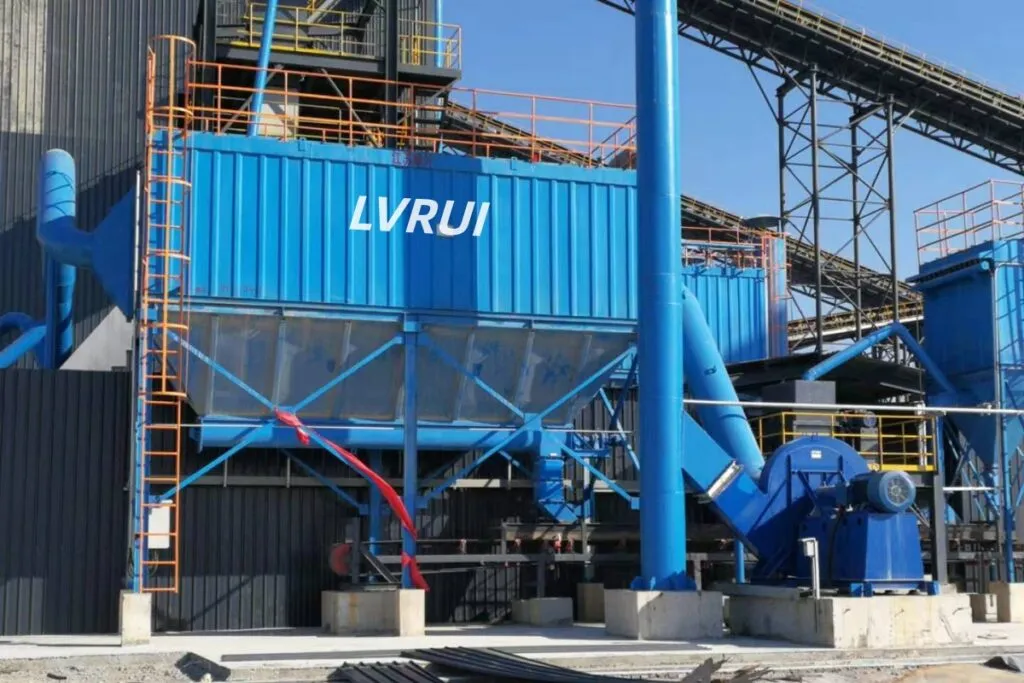
Main Functions of a Dust Control System
✓ Dust Capture at Generation Points
Dust control systems collect dust close to where it is generated, such as transfer points, discharge areas and loading stations.
✓ Dust Filtration and Collection
Filtration equipment such as bag filters and pulse jet dust collectors separates dust particles from airflow and helps achieve cleaner operating conditions.
✓ Material Handling Integration
Dust control equipment can be integrated with conveyors, loading systems and other bulk material handling equipment.
✓ Process-Specific Configuration
The system can be designed according to material properties, dust characteristics and plant layout requirements.
✓ Airflow Management
Proper airflow control helps maintain effective dust extraction performance and prevents excessive air leakage in the system.
Main Components of Dust Control Systems
Dust Collection Equipment
Dust collection equipment captures airborne particles generated during cement and bulk material handling processes. Applications may include bag filters, pulse jet dust collectors and compact dust collection units.
Air Filtration Systems
Air filtration systems remove collected dust particles from airflow to meet required emission control and operating standards.
Dust Extraction Points and Ducting
Extraction points, hoods and ducting systems guide dusty air from generation areas to the collection equipment.
In larger industrial applications, dust extraction systems are often integrated with a dedicated dust collection system to manage captured particles and maintain stable airflow performance.
Sealing and Enclosure Structures
Proper sealing and enclosure help reduce dust leakage around transfer points and loading areas.
Airflow Control Components
Dampers and control devices regulate airflow within dust extraction systems and help maintain stable operating conditions.
Applications of Dust Control Systems in Cement and Bulk Material Handling
Dust control is an essential part of the operation in cement plants, especially in areas where fine powders are being moved. Here are some common applications:
1. Cement Silo Discharge
During silo discharge, dust may be generated when cement powder enters downstream conveying equipment. A cement silo discharge system can help improve material flow and reduce dust generation around discharge points.
2. Bulk Material Loading and Unloading
During cement and powder loading operations, dust can escape at material transfer points. Dust control solutions help collect dust generated around bulk loading equipment and improve the working environment.
3. Material Transfer Points
During material transfer between conveyors, feeders or process equipment, dust can be generated due to material impact and airflow changes. Dust extraction systems can be installed at these points together with air slide conveyors or other conveying equipment to reduce airborne dust emissions.
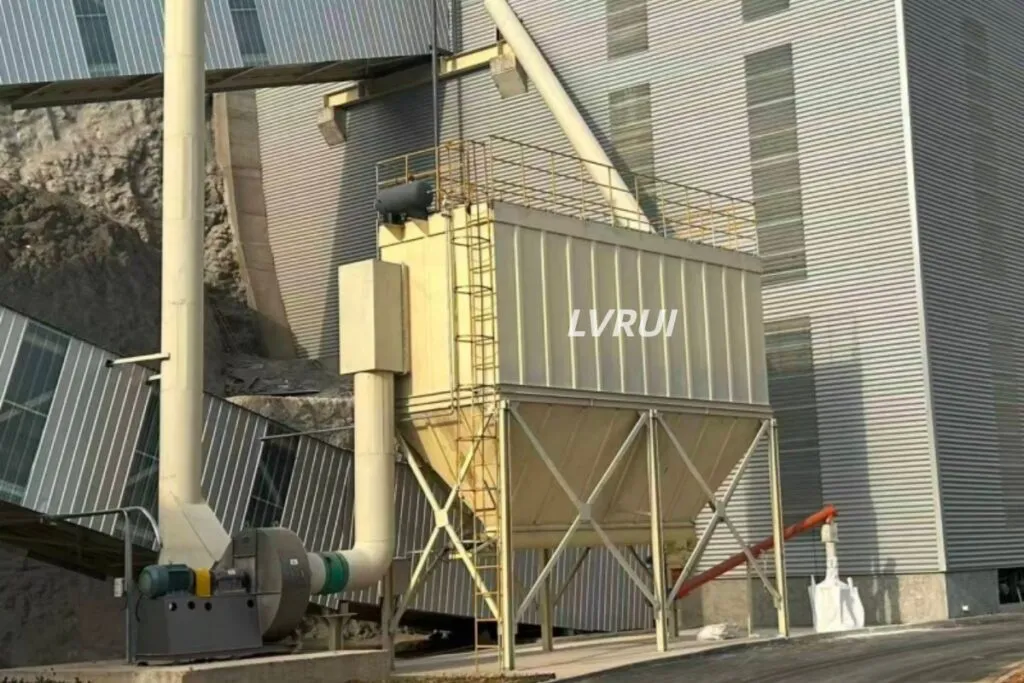
Dust Control System Design Considerations
A suitable dust control system should be designed according to the actual operating conditions, including:
✓ Dust generation location
✓ Material characteristics
✓ Required airflow and filtration capacity
✓ Equipment layout and installation conditions
✓ Integration with existing handling systems
How Does a Dust Control System Work?
A Dust Control System works by capturing dusty air from material handling areas and directing it to filtration equipment.
Dust is typically collected from:
✓ Silo discharge points
✓ Transfer points
✓ Loading areas
✓ Process equipment connections
The collected air passes through filtration equipment where dust particles are separated before clean air is discharged or returned according to system requirements.
Effective dust control starts with capturing dust as close as possible to the generation source before it spreads into the working environment.
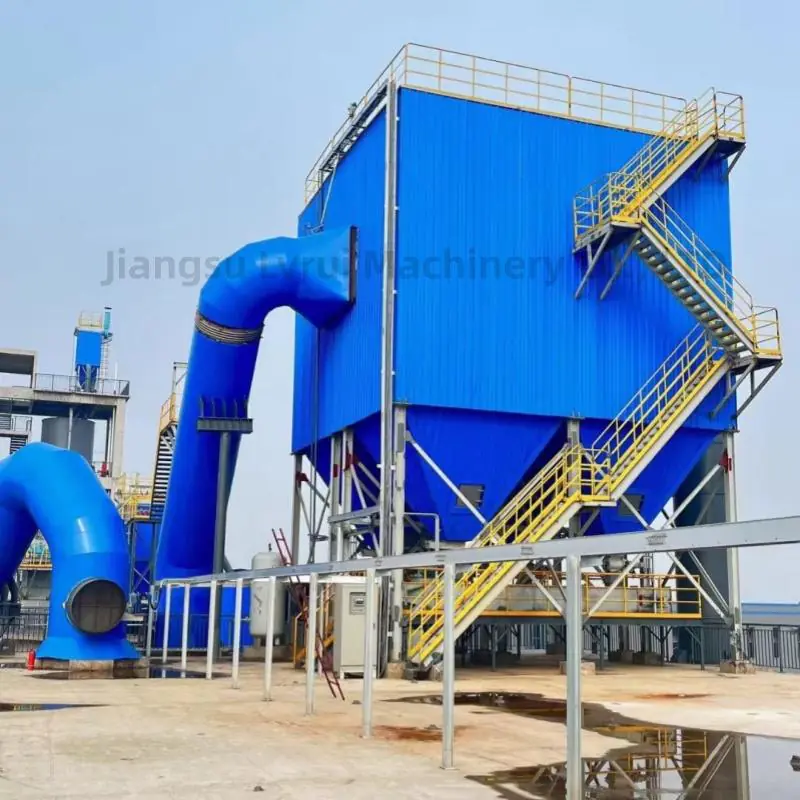
Dust Control Systems FAQs
What is a Dust Control System?
A Dust Control System is an integrated solution that captures and manages dust generated during bulk material handling processes through collection equipment, filtration systems and extraction points.
Where are Dust Control Systems used in cement plants?
They are commonly used at silo discharge points, conveyor transfer areas, loading stations and other locations where cement powder or bulk materials generate dust.
What equipment can be included in a Dust Control System?
A system may include dust collectors, bag filters, pulse jet dust collectors, ducting, extraction points and related control components.
Is a Dust Control System the same as a dust collector?
No. A dust collector is one component of a Dust Control System. The complete system also includes dust capture points, airflow design and connection arrangements.
How can dust be controlled during cement truck loading?
Yes. The system configuration depends on material properties, dust generation points, required airflow and existing plant layout.
How is dust controlled during bulk loading?
Dust control during bulk loading usually combines enclosed loading equipment, extraction systems and suitable filtration equipment to capture dust near the emission source.
Discuss Your Dust Control Requirements
Send LVRUI your dust generation points, material characteristics, existing equipment layout and required operating conditions. we can recommend a suitable dust collection and control configuration.
✓ Dust collection equipment selection
✓ Extraction point arrangement
✓ Integration with bulk material handling systems
✓ Technical drawings and remote support