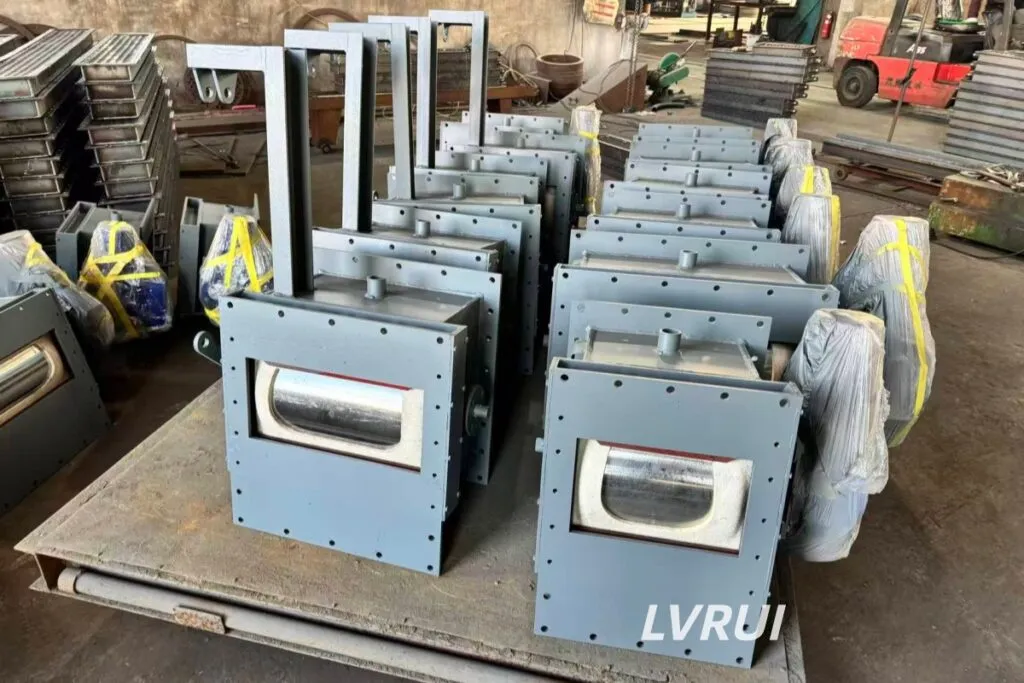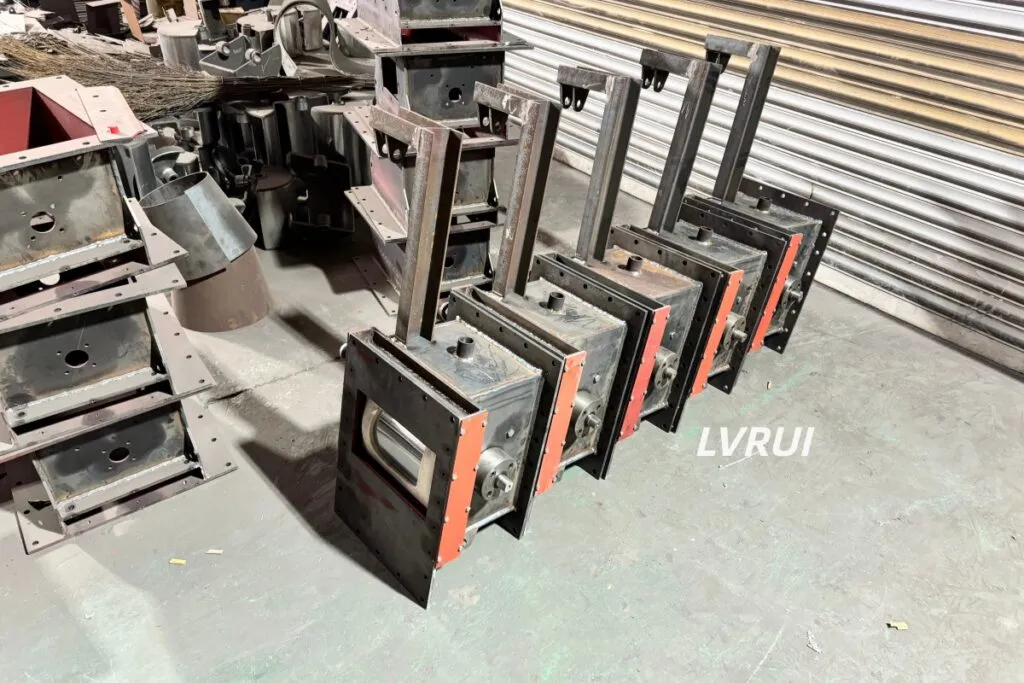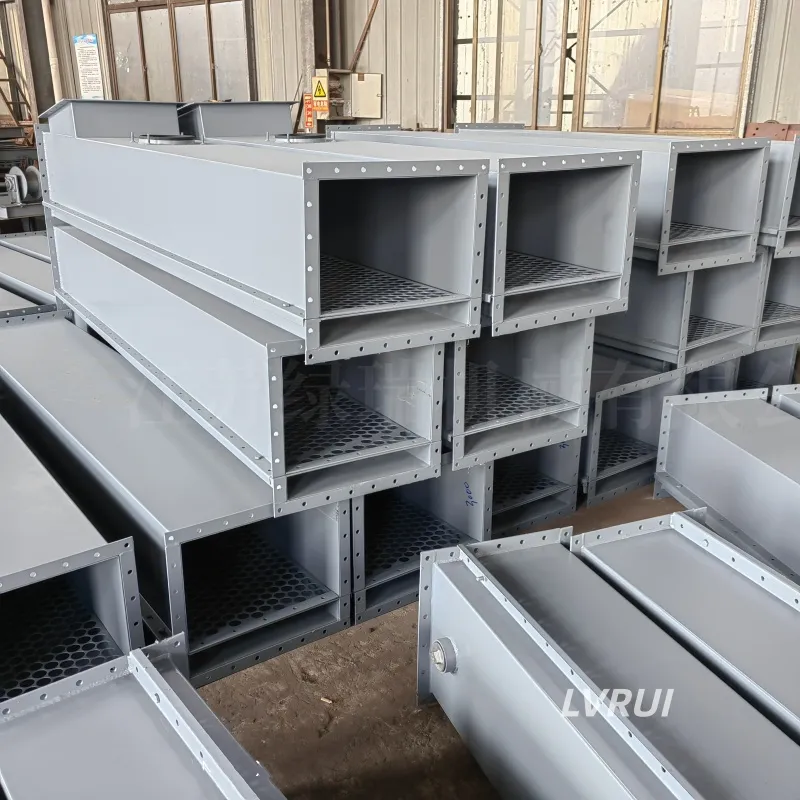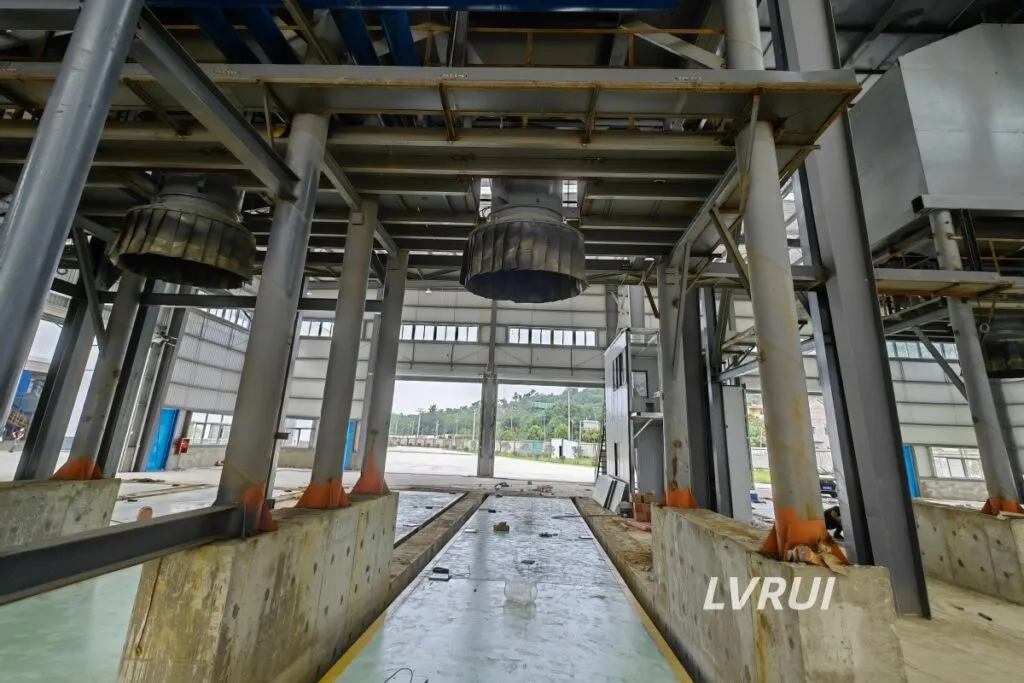
Flow control gate for cement silo bottom discharge system

When Should You Use a Flow Control Gate Valve Instead of a Slide Gate?

This article explains when a flow control gate valve should be used instead of a slide gate in cement plants, fly ash systems, and bulk material handling applications. It compares structural design, regulation capability, sealing performance, and system integration logic, helping engineers make informed decisions based on operational stability and discharge requirements.

When Should You Use a Flow Control Gate Valve Instead of a Slide Gate? Read More »

B400 pneumatic flow control gate installed under fly ash silo bottom

B400 Pneumatic Flow Control Gate for Fly Ash Silo Bottom Discharge: System Design, Flow Stability and Engineering Integration

The B400 Pneumatic Flow Control Gate is engineered for precise regulation of fly ash discharge in silo bottom systems. Unlike simple shut-off slide gates, a pneumatic flow control gate provides adjustable material flow, improved sealing, and stable integration with air slide conveyors and downstream bulk handling equipment. This article analyzes the structural design, operational logic, system integration principles, and engineering boundaries of B400 pneumatic flow control gates in fly ash silo bottom discharge systems, with practical guidance for plant designers and operators.

B400 Pneumatic Flow Control Gate for Fly Ash Silo Bottom Discharge: System Design, Flow Stability and Engineering Integration Read More »

Air slide conveyor aeration and airflow design for cement powder handling

Air Slide Conveyor vs Pneumatic Conveying System: Cement Plant Powder Handling Comparison

Air slide conveyors and pneumatic conveying systems are two widely used technologies for powder handling in cement plants. This article provides an engineering-level comparison between air slide conveyor systems and pneumatic conveying systems, focusing on working principles, energy consumption, material suitability, maintenance requirements, and system integration. The goal is to help plant engineers and EPC contractors select the most suitable conveying solution based on actual operating conditions.

Air Slide Conveyor vs Pneumatic Conveying System: Cement Plant Powder Handling Comparison Read More »

Industrial loading spout for cement, fly ash, and powder bulk material handling

Dust Free Telescopic Chute for Cement Loading: Design, Applications, and Engineering Best Practices

Dust-free telescopic chutes are essential equipment for controlling dust emissions during cement loading operations. By combining controlled material flow, adjustable chute length, and integrated dust sealing systems, these loading chutes significantly reduce material loss, environmental impact, and equipment wear. This article explains how dust-free telescopic chutes are used in cement loading systems, discusses key engineering considerations, and outlines best practices for stable and compliant operation in cement plants.

Dust Free Telescopic Chute for Cement Loading: Design, Applications, and Engineering Best Practices Read More »

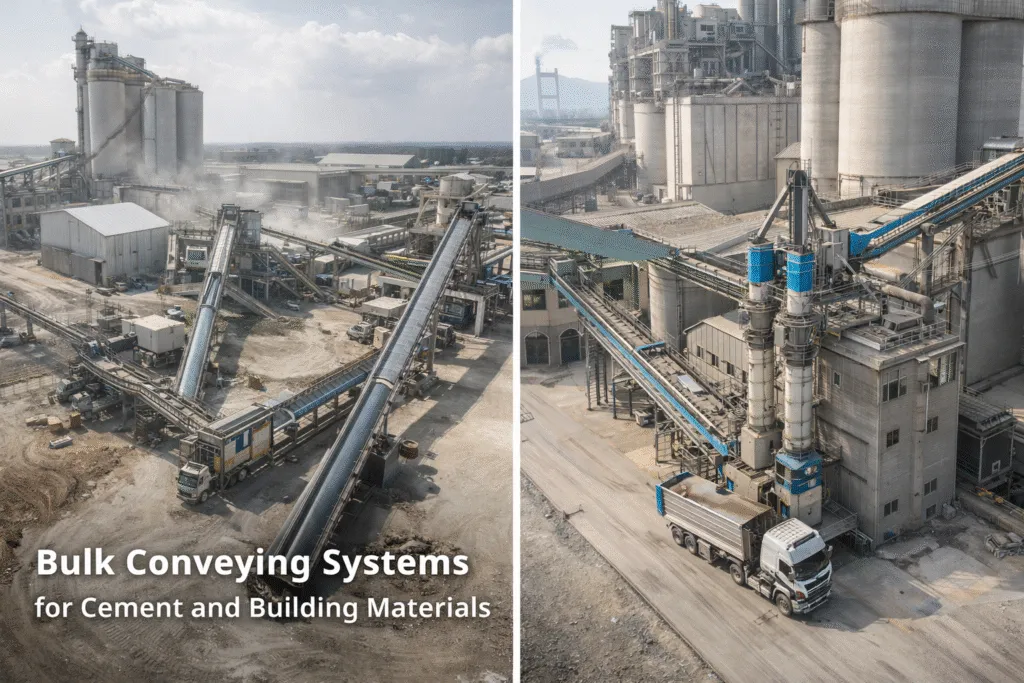
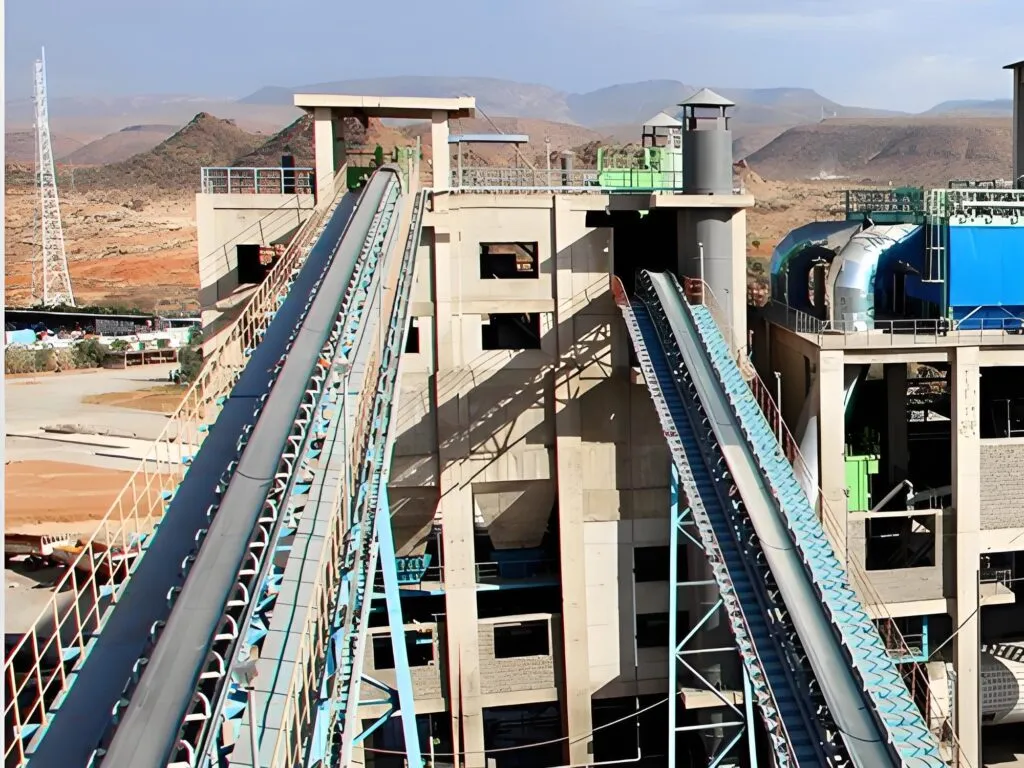
bulk conveying systems in cement and building materials industry

Bulk Conveying Systems in the Cement and Building Materials Industry: Applications, Challenges, and Engineering Practices

Bulk conveying systems are essential for handling cement, clinker, fly ash, and other building materials in modern industrial plants. From silo discharge to material transfer and bulk loading, reliable bulk conveying plays a critical role in maintaining production continuity, controlling dust, and protecting downstream equipment. This article explains how bulk conveying systems are used in the cement and building materials industry, highlights common engineering challenges, and outlines proven practices for stable and efficient operation.

Bulk Conveying Systems in the Cement and Building Materials Industry: Applications, Challenges, and Engineering Practices Read More »

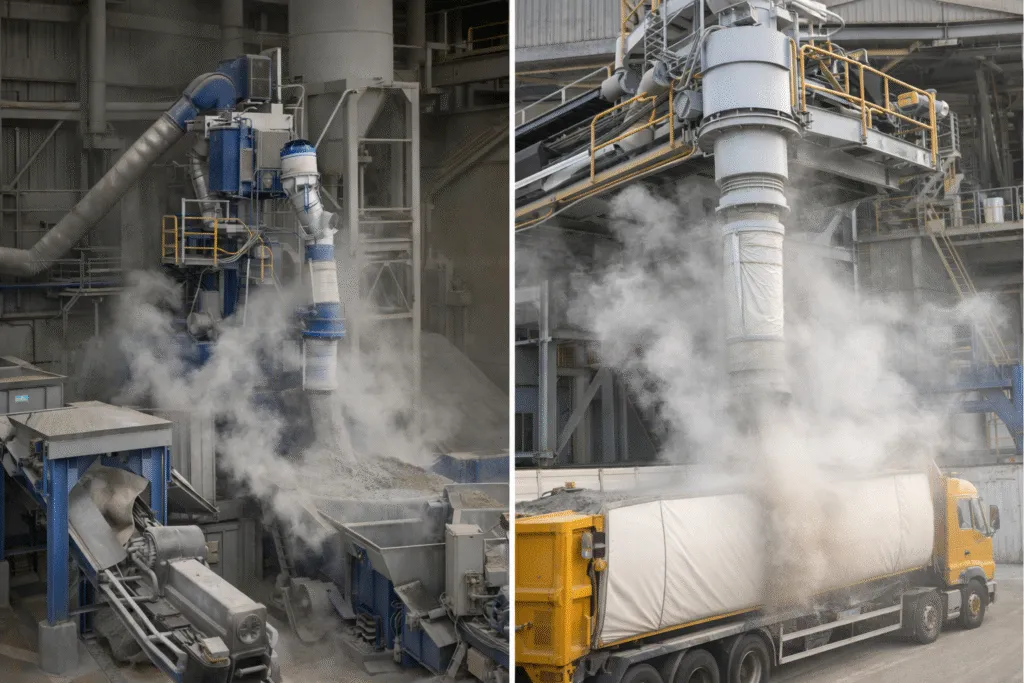
dust control in cement plant material handling system

Dust Control Challenges in Cement Plants and Practical Engineering Solutions

Dust control remains one of the most critical operational challenges in cement plants. From silo discharge and material transfer to bulk loading and conveying, uncontrolled dust emissions can affect plant efficiency, equipment reliability, environmental compliance, and workplace safety. This article analyzes common dust generation points in cement plants and explains practical engineering solutions based on proven bulk material handling practices.

Dust Control Challenges in Cement Plants and Practical Engineering Solutions Read More »

clinker bulk loader used in cement plant loading system

Clinker Bulk Loaders for Efficient and Dust-Controlled Clinker Handling

Clinker loading is a critical stage in cement plant logistics, where material impact, dust emission, and abrasion pose significant operational challenges. Clinker bulk loaders are specifically designed to ensure efficient, safe, and dust-controlled handling of hot, abrasive clinker during truck or ship loading. This article explains how clinker bulk loaders work, their key design features, and why proper loader selection is essential for reliable clinker handling operations in modern cement plants.

Clinker Bulk Loaders for Efficient and Dust-Controlled Clinker Handling Read More »

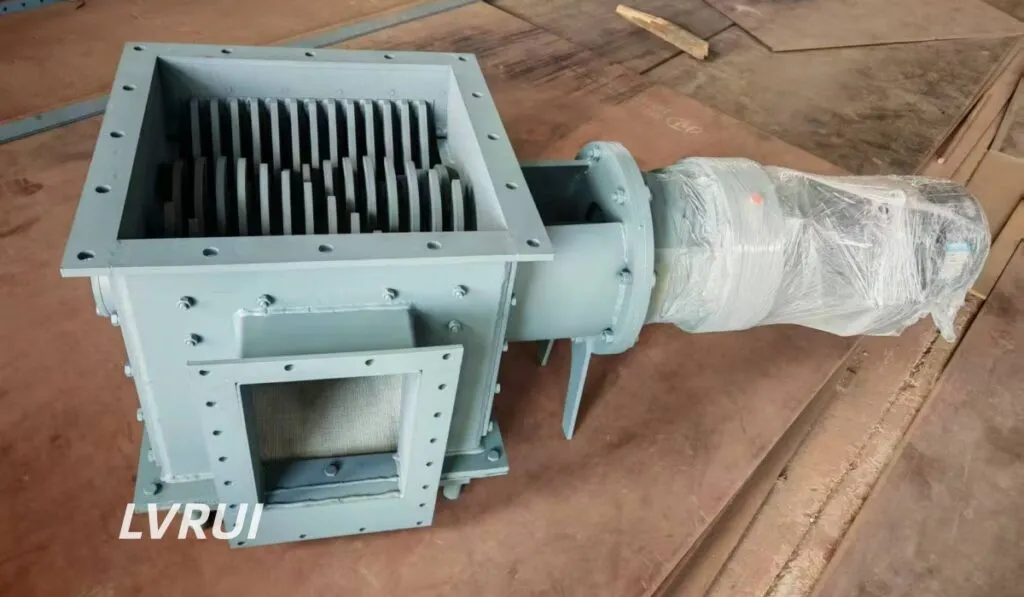
electric twin-shaft lump breaker valve in cement silo discharge system

System Integration of Electric Twin-Shaft Lump Breaker Valves in Cement Silo Discharge

In modern cement plants, stable silo bottom discharge is essential for continuous production and downstream equipment protection. Electric twin-shaft lump breaker valves are increasingly integrated into cement silo discharge systems to eliminate material agglomeration, stabilize flow, and improve system reliability. This article focuses on the system integration logic of electric twin-shaft lump breaker valves, explaining how they work together with silo structures, flow control devices, and conveying systems to ensure stable and controlled cement discharge.

System Integration of Electric Twin-Shaft Lump Breaker Valves in Cement Silo Discharge Read More »

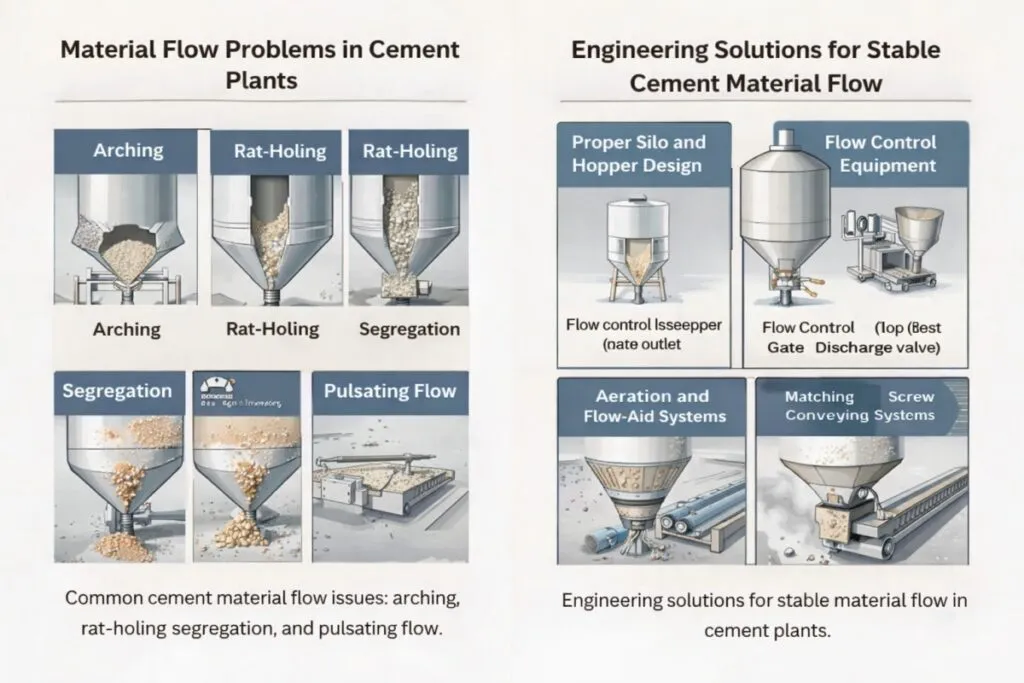
material flow problems in cement plant silo

Common Material Flow Problems in Cement Plants and How to Solve Them

Material flow problems are among the most common operational challenges in cement plants. Issues such as arching, rat-holing, segregation, and uncontrolled discharge can disrupt production, increase maintenance costs, and reduce equipment reliability. This article analyzes the most frequent material flow problems encountered in cement plants and explains practical engineering solutions based on bulk material handling principles and proven industry practices.

Common Material Flow Problems in Cement Plants and How to Solve Them Read More »

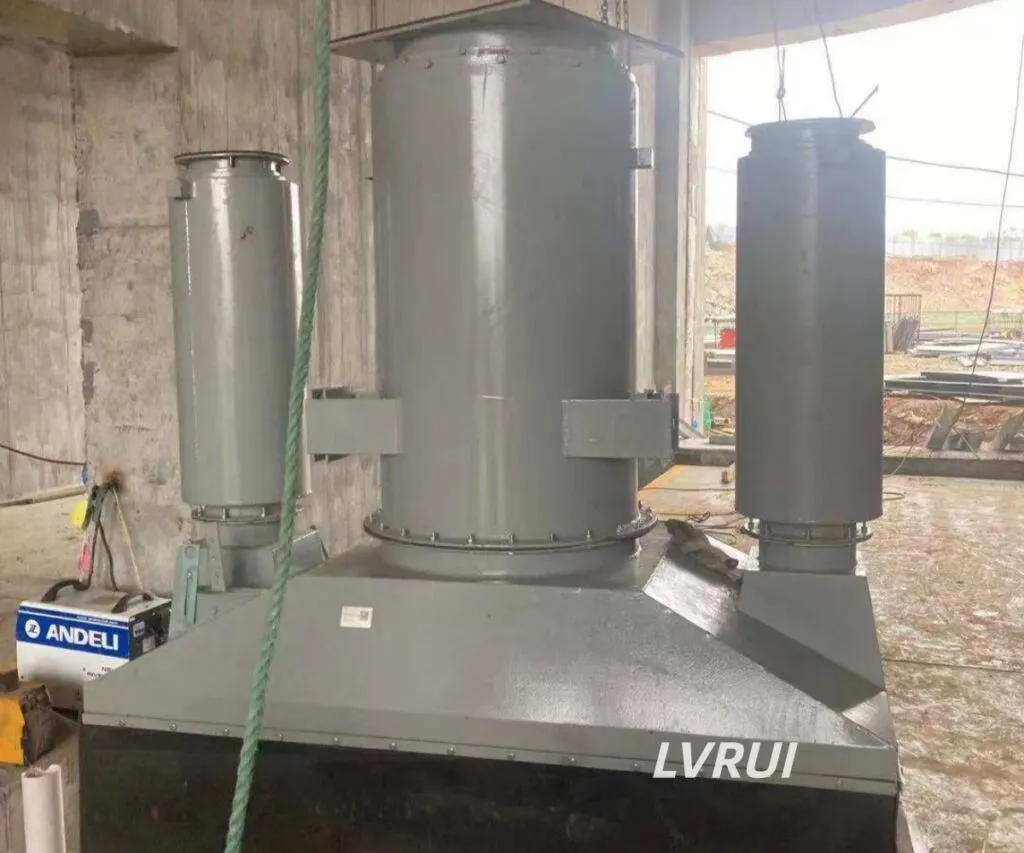
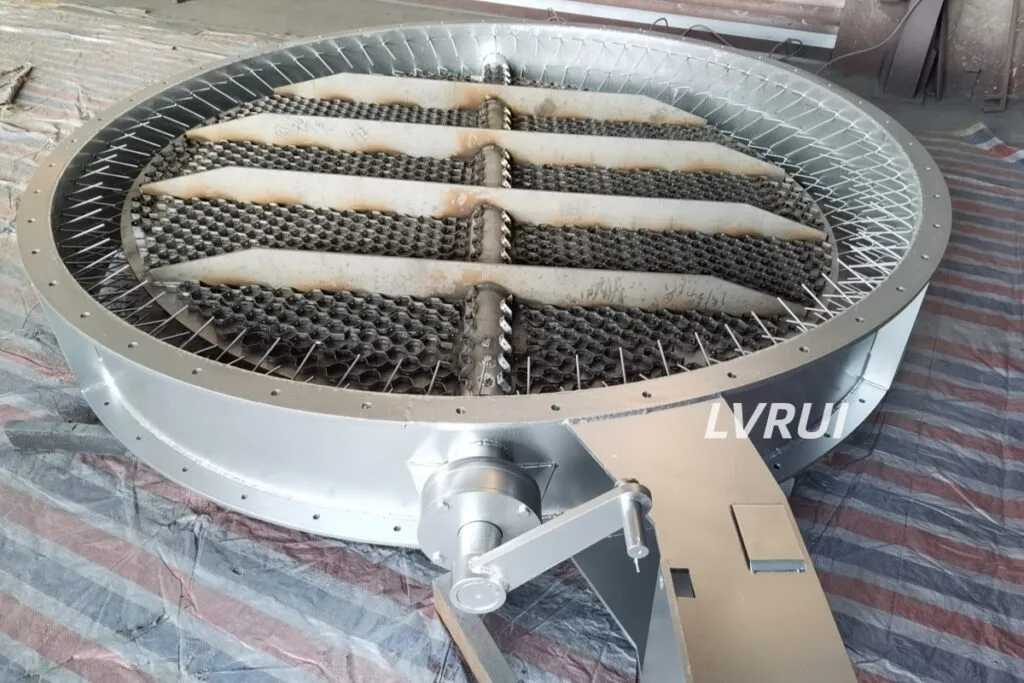
Damper valve used for airflow control in cement plant duct and ventilation systems by LVRUI

Butterfly Dampers for Industrial Duct Ventilation Systems: Design, Applications, and Engineering Considerations

Butterfly dampers are widely used in industrial duct ventilation systems to regulate airflow, balance pressure, and isolate process sections. Compared with other damper types, butterfly dampers offer a compact structure, fast response, and reliable airflow control for medium to large ducting applications. This article explains how butterfly dampers function in industrial ventilation systems, typical application scenarios, key design considerations, and selection guidelines for cement plants and bulk material handling facilities.

Butterfly Dampers for Industrial Duct Ventilation Systems: Design, Applications, and Engineering Considerations Read More »

Aeration pads placement design in cement silo cone

Best Placement Design of Aeration Pads in Cement Silo Cones

Proper placement design of aeration pads is critical for achieving stable and efficient discharge in cement silo systems. Incorrect positioning can lead to uneven fluidization, excessive air consumption, or localized blockages. This article explains the engineering principles behind aeration pad placement in cement silo cones, typical layout patterns, key influencing factors, and best practices to ensure reliable long-term operation.

Best Placement Design of Aeration Pads in Cement Silo Cones Read More »