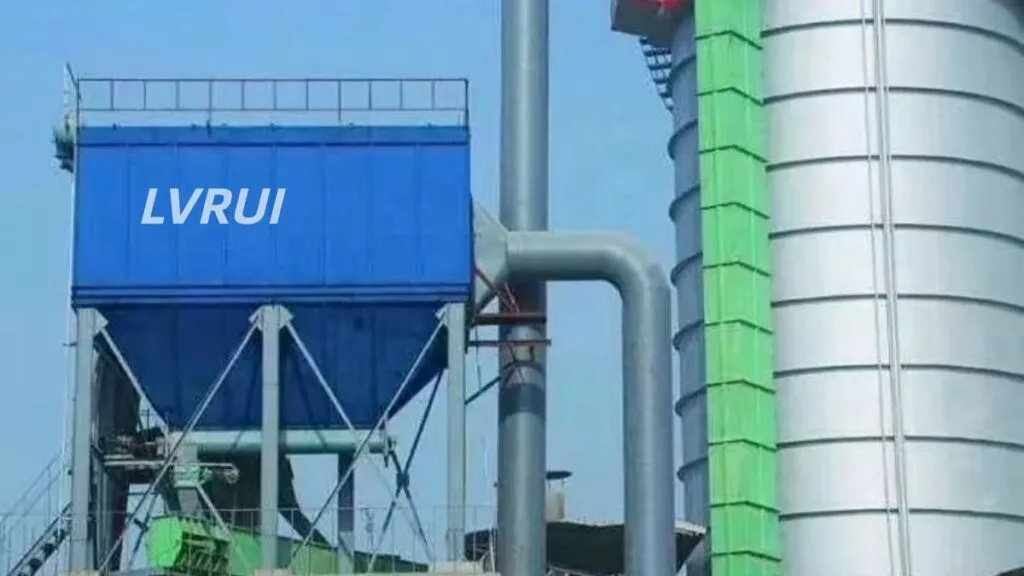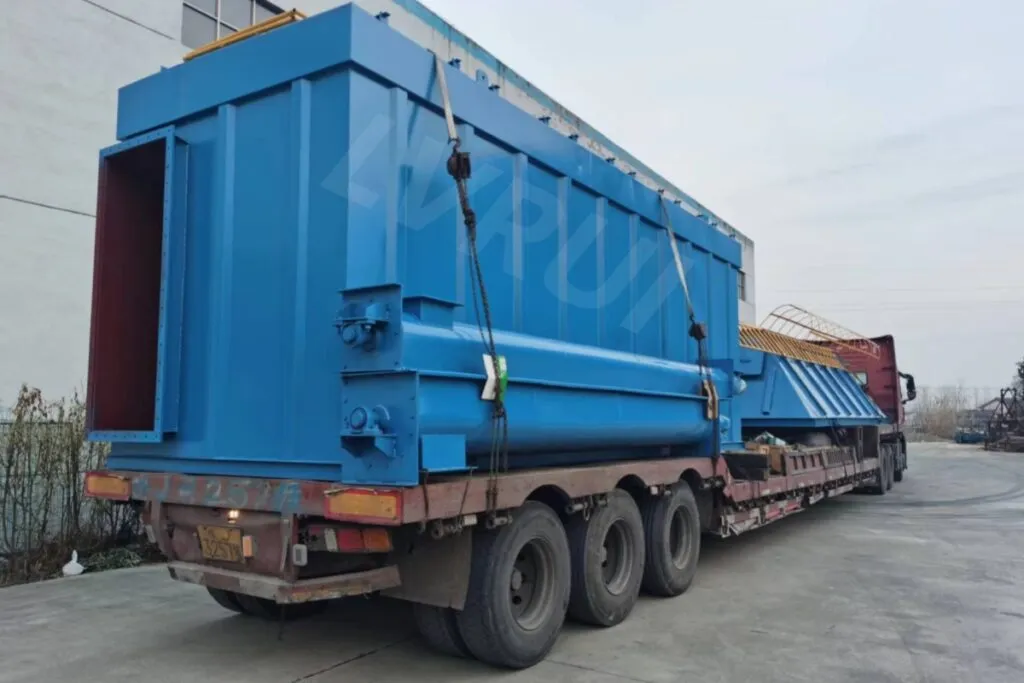
A practical guide to cement silo dust collectors, covering bag filter systems, working principles, selection factors, and dust control considerations.
Introduction
Cement storage silos generate dust during filling, discharging, and material transfer operations. Without effective dust collection equipment, displaced air containing fine cement particles may escape from silo vents and create environmental and operational problems.
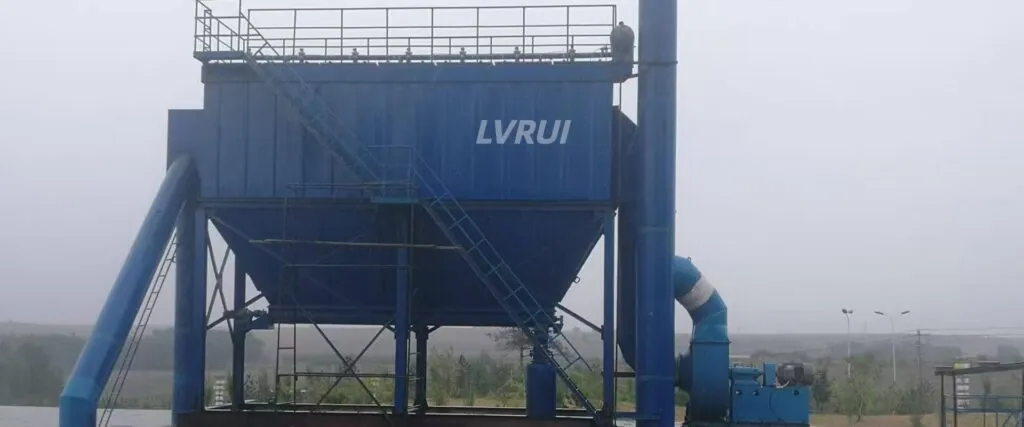
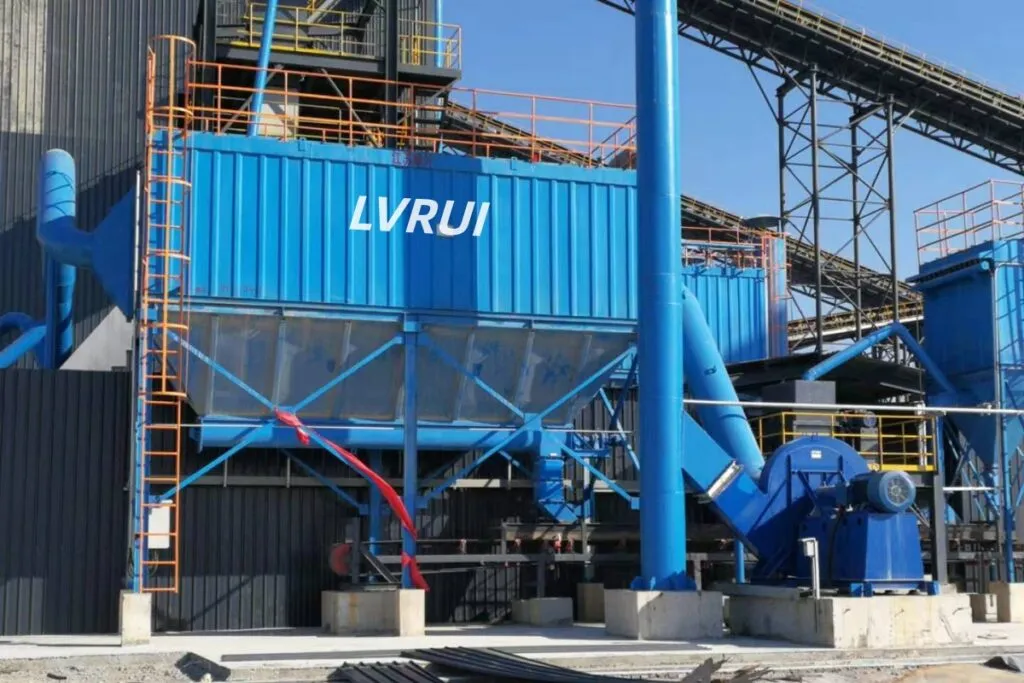
A cement silo dust collector is designed to capture airborne cement dust before it is released into the surrounding area. In many cement plants, bag filter systems are used as an efficient filtration solution because they can continuously separate fine particles from the airflow generated during silo operation.
This article explains the working principle, applications, components, and selection considerations of cement silo dust collectors. LVRUI provides dust collection equipment and system solutions for cement plants, including bag filter systems and silo dust control applications.
What Is a Cement Silo Dust Collector?
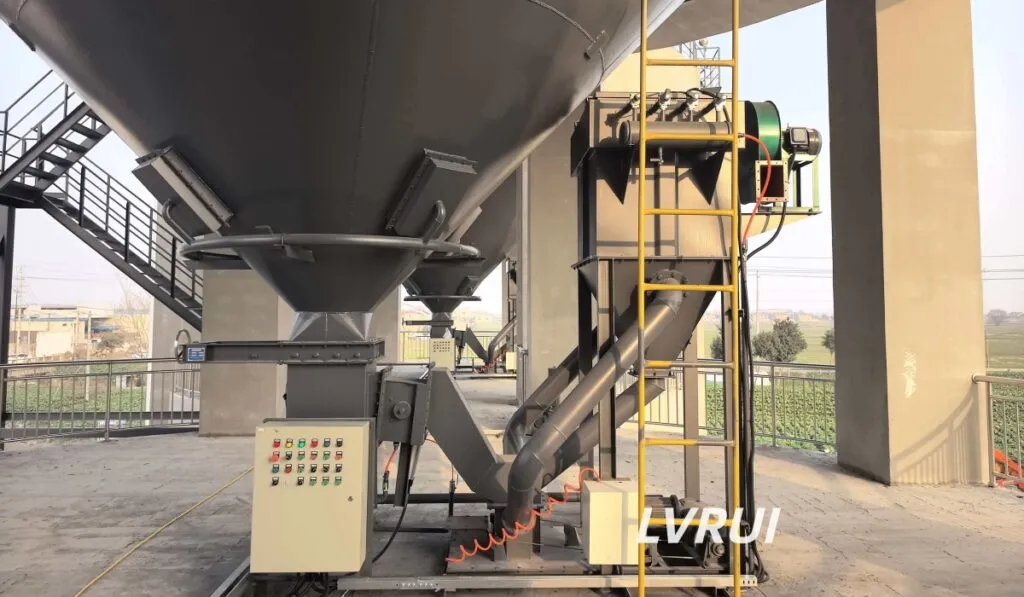
A cement silo dust collector is a filtration device installed on or connected to a cement storage silo to remove dust from displaced air during filling and material handling.
When cement enters the silo, the incoming material forces air and fine dust upward. The dust collector filters this dusty airflow through filter media, allowing clean air to pass while collecting cement particles.
A typical cement silo dust collection system includes:
✓ Filter housing
✓ Filter bags or filter elements
✓ Cleaning system
✓ Dust discharge components
✓ Control components
The collected cement dust can usually be returned to the production process, helping reduce material loss and improve cement plant cleanliness.
Why Do Cement Silos Require Dust Collectors?
During cement silo operation, dust can be generated from several processes:
Dust leakage problems during filling operations are often related to displaced air and insufficient filtration capacity. More details can be found in our guide about cement silo dust during filling.
Silo Filling
When cement is transported into a silo, displaced air carries fine cement particles toward the silo vent.
Without proper filtration, dust may escape through:
✓ Silo top vents
✓ Loading points
✓ Transfer connections
Cement Discharging
During silo discharge, airflow changes inside the silo may cause dust movement and unstable pressure conditions.
A suitable silo ventilation and dust collection arrangement helps support:
✓ Proper pressure equalization
✓ Cleaner working areas
✓ Reduced dust emissions
Material Handling
Additional dust may occur during:
- Pneumatic conveying
- Mechanical conveying
- Transfer operations
How Does a Cement Silo Dust Collector Work?
The working process includes four main steps:
1. Dust-Containing Air Enters the Collector
Dusty air from the cement silo enters the filter housing.
2. Dust Is Captured by Filter Media
Fine cement particles attach to the surface of filter bags while clean air passes through the filter material.
3. Filter Cleaning Removes Dust Layer
During operation, dust accumulation increases resistance.
A cleaning system, commonly pulse jet cleaning, removes collected dust from the filter bags.
4. Dust Returns to the System
The separated cement dust falls back into the silo or is collected for reuse.
Main Components of a Cement Silo Dust Collector
Filter Housing
The housing provides the structure for filtration and protects internal components from operating conditions.
Proper design helps maintain:
- Stable airflow distribution
- Easy maintenance access
- Reliable operation
Filter Bags
Filter bags are the main filtration media.
Their selection depends on:
✓ Cement dust characteristics
✓ Temperature
✓ Moisture conditions
✓ Required filtration performance
Fabric filters are widely used for particulate removal in industrial gas streams. For additional technical background, see the U.S. EPA guidance on fabric filter technology.
Cleaning System
Pulse jet cleaning is commonly used because it allows continuous operation without stopping filtration.
Cleaning performance affects:
- Pressure drop
- Filter bag life
- Energy consumption
Control System
Automatic controls may monitor:
- Differential pressure
- Cleaning frequency
- Operating conditions
Vent Connection
Dusty air from the silo enters the collector through the vent connection during filling operations.
Common Cement Silo Dust Collection Problems
High Pressure Drop
Possible causes:
- Filter bag clogging
- Excessive dust loading
- Poor cleaning performance
Solutions:
✓ Check pulse cleaning system
✓ Inspect filter bags
✓ Verify airflow conditions
Dust Leakage from Silo Vent
Possible causes:
- Damaged filter bags
- Poor sealing
- Incorrect filter selection
Solutions:
✓ Replace damaged filter media
✓ Check sealing conditions
✓ Improve filtration design
Unstable Silo Pressure
Possible causes:
- Insufficient ventilation capacity
- Blocked filter elements
- Improper system design
Solutions:
✓ Check airflow requirements
✓ Clean or replace filter components
✓ Review operating conditions
How to Select a Cement Silo Dust Collector?
Proper selection should consider:
Dust Characteristics
Important factors include:
- Particle size
- Dust concentration
- Abrasiveness
Airflow Requirements
The collector capacity should match:
- Silo filling rate
- Material handling conditions
- Required ventilation volume
Filter Media Selection
Different applications may require different materials according to:
- Temperature
- Moisture
- Chemical conditions
Maintenance Requirements
A practical design should allow:
- Easy filter replacement
- Simple inspection
- Reliable cleaning operation
Installation Location
The collector design should consider whether it is installed directly on the silo roof or connected through ductwork.
Cement Silo Dust Collector Applications
Cement silo dust collectors are commonly used in:
✓ Cement storage silos
✓ Powder material silos
✓ Cement terminal facilities
✓ Bulk loading systems
They are especially important in facilities where dust control and material recovery are required.
For broader cement plant dust filtration applications, bag filters in cement plants are also used in kiln systems, mills, clinker coolers, and material handling areas.
Cement Silo Dust Collector Maintenance Considerations
Regular maintenance helps maintain filtration performance.
Recommended practices include:
✓ Checking differential pressure
✓ Inspecting filter bags regularly
✓ Checking pulse cleaning performance
✓ Cleaning dust discharge areas
✓ Replacing damaged filter media
Proper maintenance can extend equipment service life and reduce unexpected downtime.
FAQs About Cement Silo Dust Collector
What is a cement silo dust collector?
A cement silo dust collector is a filtration device used to remove cement dust from airflow generated during silo filling and storage operations.
What type of filter is used for cement silos?
Bag filters are commonly used because they provide efficient filtration for fine cement particles.
Why does a cement silo release dust?
Dust is usually generated when displaced air carries fine cement particles during filling, conveying, or discharge operations.
How does a silo bag filter work?
A silo bag filter captures dust particles through filter media and releases cleaned air back into the environment.
How often should cement silo filter bags be replaced?
Replacement frequency depends on dust characteristics, operating conditions, cleaning performance, and filter material quality.
Can a dust collector reduce cement material loss?
Yes. Captured cement dust can often be returned to the production process, reducing material waste.
Conclusion
Cement silo dust collectors play an important role in controlling dust generated during cement storage and handling operations.
A properly designed bag filter system helps maintain stable silo pressure, reduce dust emissions, recover valuable cement material, and improve working conditions.
Selecting the correct filtration equipment requires consideration of dust properties, airflow requirements, filter media, and maintenance conditions. Proper dust collection design is especially important for cement silo filling systems where airflow and dust loading conditions change continuously.
Need Help Selecting a Cement Silo Dust Collector?
For a suitable dust collection solution, please provide:
✓ Cement material characteristics
✓ Silo capacity and filling conditions
✓ Dust generation problems
✓ Existing ventilation information
LVRUI can evaluate your working conditions and provide technical suggestions for cement silo dust collection applications, including bag filter selection and system configuration.
Email: info@lvrui-conveyor.com
WhatsApp/WeChat: +86 18261998937