
Industrial Filter Bags for Dust & Liquid Filtration Systems
High-Performance Industrial Filter Bags Designed for Dust Collectors, Baghouse Systems & Industrial Liquid Filtration
Kantong Filter Industri untuk Sistem Filtrasi Debu & Cairan
Overview
Industrial filter bags are critical filtration components used in dust collection and liquid filtration systems across a wide range of industries. These industrial filter bags are designed to capture fine dust particles, powders, and contaminants while maintaining stable airflow, low pressure drop, and long service life.
LVRUI industrial filter bags are widely applied in cement plants, power plants, chemical processing, food production, mining, and bulk material handling systems. With multiple material options, micron ratings, and custom sizes available, our filter bags can be precisely matched to different operating temperatures, dust characteristics, and filtration requirements.
Related Product: Dust Collection System.
Features
✅ High filtration efficiency for fine dust and powder materials
✅ Stable performance under high airflow and continuous operation
✅ Suitable for dust, air, and liquid filtration systems
✅ Excellent resistance to abrasion, moisture, and chemicals
✅ Available in round, flat, or customized structures
✅ Easy installation and replacement for industrial systems
These industrial dust filter bags are engineered for continuous industrial operation, ensuring stable filtration efficiency even under high dust load and harsh working conditions.
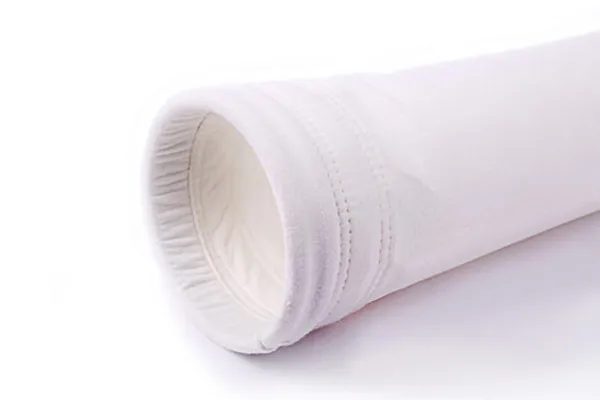
Materials Available
✅ Polyester Filter Bags – Standard industrial dust filtration
✅ Polypropylene (PP) Filter Bags – Chemical & liquid filtration
✅ PTFE Coated Filter Bags – High efficiency & anti-sticking
✅ Aramid / Nomex Filter Bags – High-temperature applications
✅ Fiberglass Filter Bags – Extreme temperature resistance
Filter bag material selection depends on operating temperature, dust abrasiveness, chemical exposure, and moisture content. Choosing the correct filter bag material helps improve filtration efficiency, reduce maintenance frequency, and extend service life.
Technical Specifications of Industrial Filter Bags
Industrial filtration bags can be customized according to different working conditions and filtration requirements. Key technical specifications include bag diameter, bag length, filtration area, micron rating, operating temperature, and material composition.
Common diameters range from 120 mm to 200 mm, while bag lengths can be customized based on baghouse or filtration system design. Filtration efficiency can be adjusted from 1 micron to 100 microns depending on dust particle size and application requirements.
Industrial filter bags can operate under continuous airflow conditions and are suitable for negative or positive pressure filtration systems. Proper selection of industrial filter bags helps improve filtration efficiency, reduce pressure loss, and extend service life.
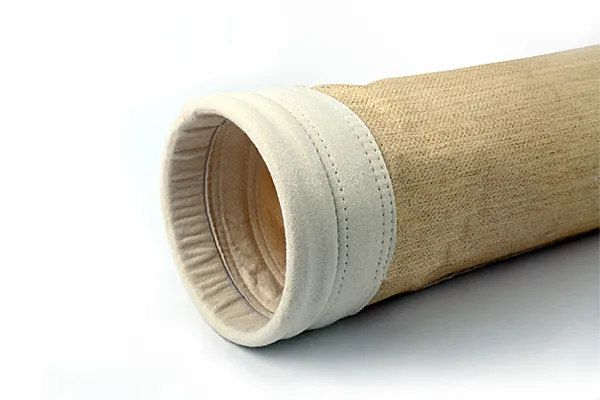
Applications
✅ Cement & fly ash conveying systems
✅ Baghouse dust collectors
✅ Power plant dust filtration
✅ Chemical & pharmaceutical processing
✅ Food & grain powder filtration
✅ Mining & mineral processing
✅ Liquid filtration systems
These industrial filter bags are commonly used in baghouse dust collectors, industrial dust filtration systems, and liquid filtration applications requiring stable and reliable filtration performance.
You May Also Need: Cement Bulk Loader.
Advantages
✅ Prevents dust leakage and material loss
✅ Improves air quality and environmental compliance
✅ Reduces system downtime and maintenance frequency
✅ Works reliably with continuous industrial operation
✅ Long service life and stable filtration performance
Reference:
Industrial Dust Filtration – U.S. Environmental Protection Agency (EPA)
FAQs About Industrial Filter Bags
What are industrial filter bags used for?
Industrial filter bags are used in dust collectors and filtration systems to capture dust particles, powders, and contaminants from air or liquid streams in industrial processes.
How do I choose the right filter bag material?
Filter bag selection depends on operating temperature, dust characteristics, chemical exposure, and filtration efficiency requirements. Common materials include polyester, polypropylene, PTFE, Nomex, and fiberglass.
What is the difference between baghouse filter bags and liquid filter bags?
Baghouse filter bags are designed for dry dust filtration in dust collectors, while liquid filter bags are used for filtering liquids in chemical and industrial processes.
What temperature range can industrial filter bags handle?
Depending on material selection, industrial filter bags can operate from ambient temperature up to high-temperature applications exceeding 200°C.
Can industrial filter bags be customized?
Yes. Industrial filter bags can be customized in diameter, length, material, micron rating, and top/bottom design to fit specific dust collectors or filtration systems.
Ready to get a reliable industrial filter bag solution for your dust or liquid filtration system?
Partner with LVRUI for professional bulk material handling solutions and responsive technical support.
✅ Get expert quotation and customized solution within 12 hours.
✅ Factory direct supply with strict quality control
✅ Professional engineering support from experienced team
✅ Stable delivery for overseas industrial projects