Practical maintenance for parallel rods, moving components and drive mechanisms in clinker and aggregate handling systems
Introduction
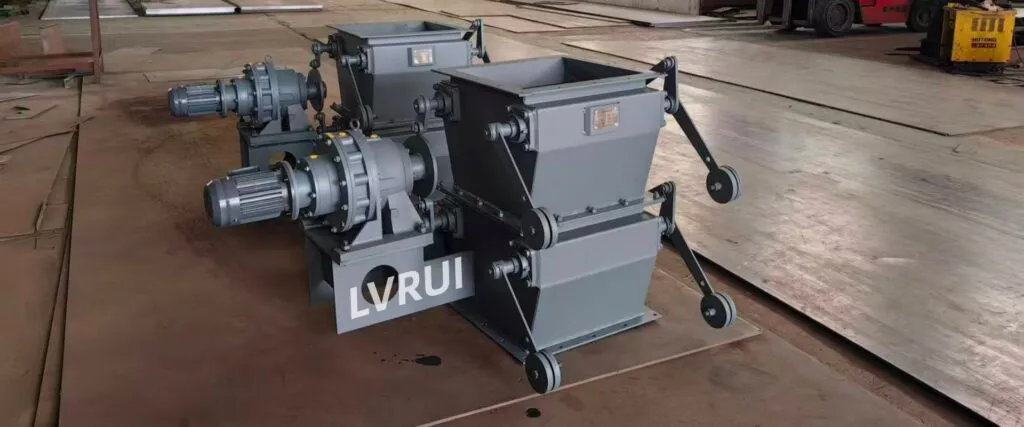
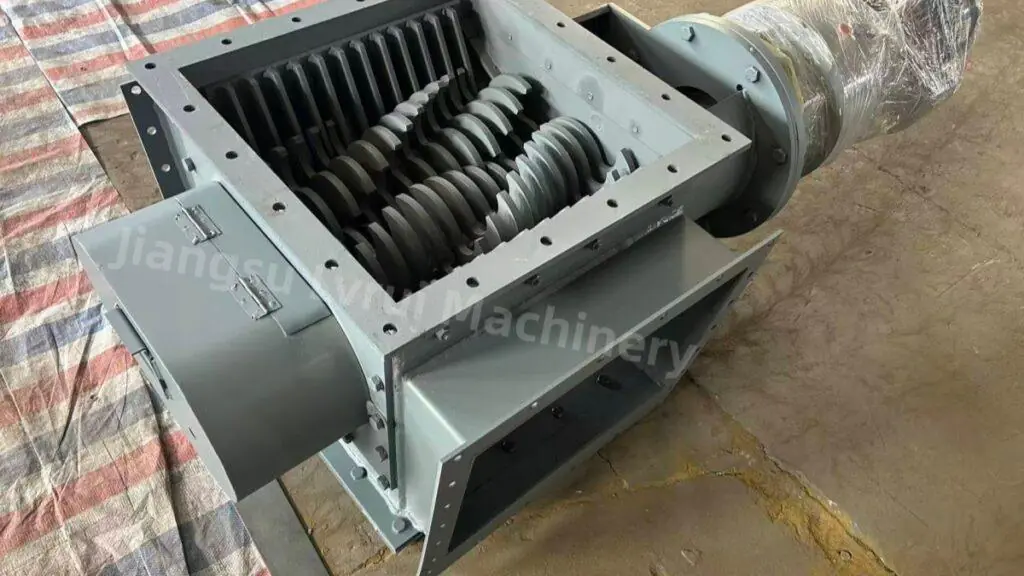
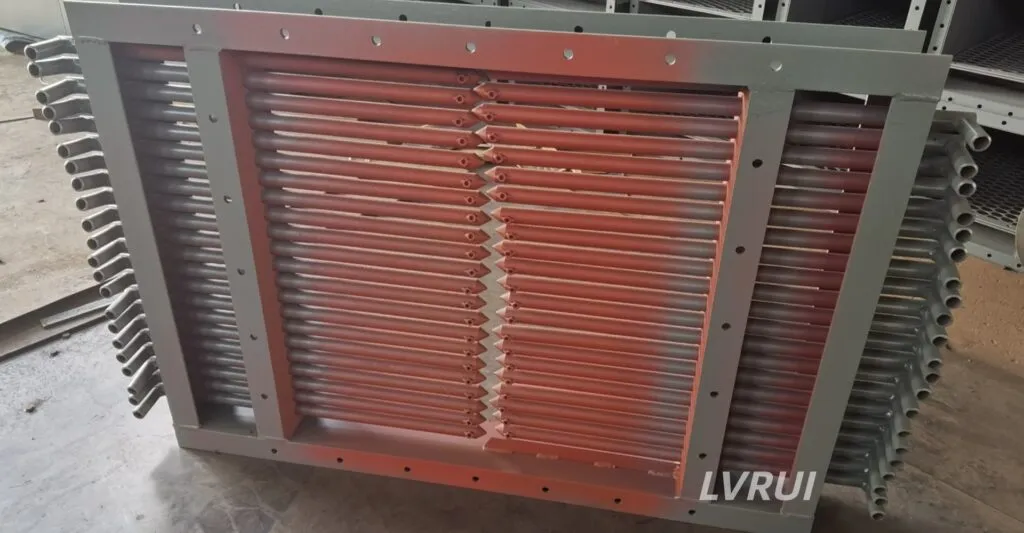
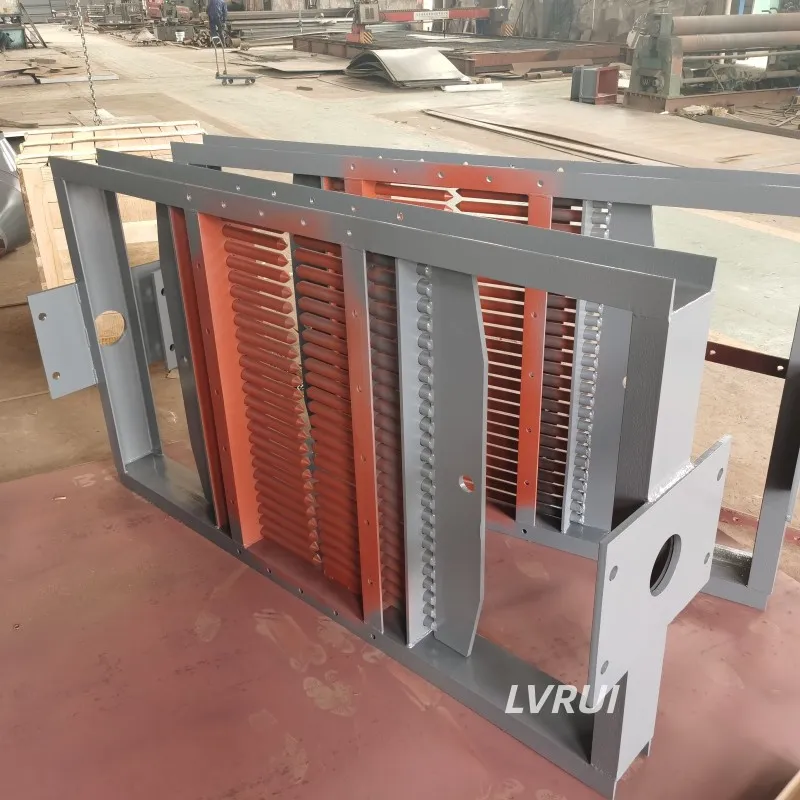
Rod gate maintenance focuses on the condition of parallel steel rods, supporting frames, moving components and drive mechanisms.
In clinker and aggregate handling systems, abrasive materials, high material loads and repeated operation can gradually affect rod movement and equipment condition.
Regular inspection helps operators identify wear, deformation, material accumulation and developing mechanical problems before they cause unexpected interruptions.
This guide explains the main maintenance procedures for parallel-rod gates, including routine inspection, wear monitoring, lubrication, drive maintenance and common movement problems.
Maintenance activities must be performed under the site’s approved safety procedures, with stored material loads and hazardous energy properly controlled. For equipment specifications and available drive configurations, see LVRUI’s rod gate product page.
Routine Rod Gate Inspection
Routine inspection is the foundation of effective rod gate maintenance. The inspection frequency should be established according to operating conditions, material abrasiveness, operating cycles and previous maintenance records.
The following components should be checked during planned inspections.
Parallel Rods and Alignment
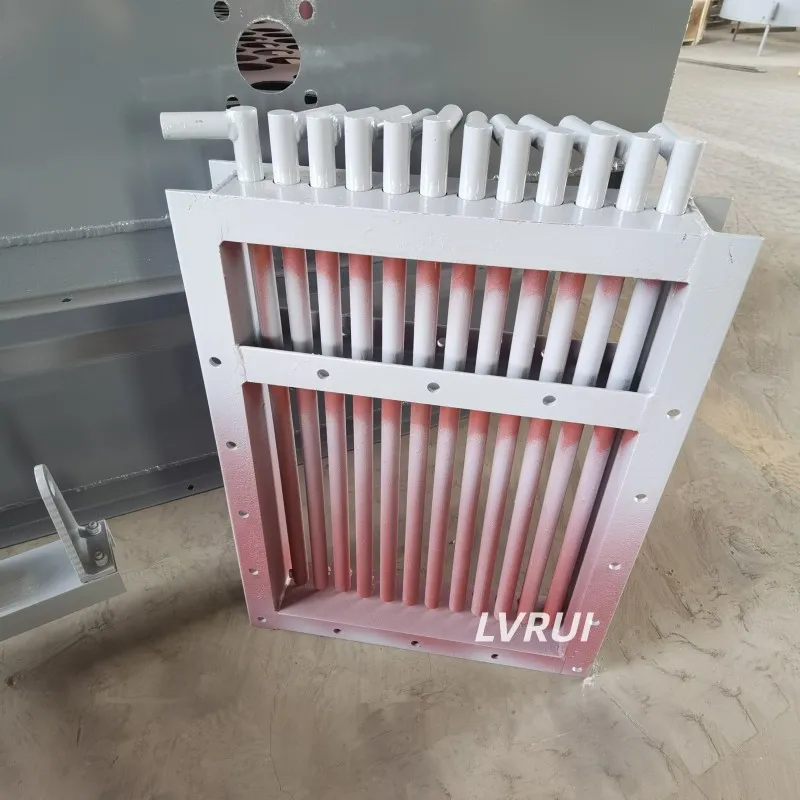
Inspect the rods for visible wear, bending, corrosion and abnormal alignment.
Pay particular attention to rods that are difficult to withdraw or reinsert, as this may indicate deformation, material accumulation or problems with the supporting structure.
For double-layer arrangements, inspect both rod layers and check for abnormal contact or interference between moving components.
Frame and Connection Components
Inspect the frame, mounting connections and accessible structural components for deformation, damage or loose fasteners.
Check for material accumulation around the rod openings and connection interfaces.
Where the equipment includes covers, gaskets or other secondary sealing components, inspect their condition as specified in the approved equipment drawings.
Rod Movement
Where safe operating conditions permit, verify that the rods can complete their specified movement without abnormal resistance.
Observe the operation of the drive and transmission components.
Unusual noise, vibration, incomplete travel or increasing operating resistance should be investigated before further operation.
Rod Wear and Replacement Checks
Rod wear is an important maintenance concern in clinker and aggregate handling applications.
Abrasive particles and repeated mechanical loading may gradually affect rod surfaces, supporting components and movement.
Inspection should focus on the following conditions:
- Visible surface wear or localized material loss
- Permanent bending or deformation
- Cracks or other structural damage
- Damaged rod ends or supporting components
- Abnormal movement caused by component wear
Rod condition should be evaluated against the approved equipment specifications and expected operating loads.
A rod showing significant deformation, cracking or wear beyond the manufacturer’s allowable limits should be assessed for replacement.
When replacement is necessary, the new component must match the approved dimensions, material requirements and operating configuration.
Maintenance records should document the inspection findings, affected components and replacement history.
These records can help identify recurring wear patterns and support future rod gate maintenance planning.
Lubrication and Moving Components
Proper lubrication is important for applicable drive and transmission components.
However, not every moving component of a rod gate requires routine lubrication.
For LVRUI rod gates, lubrication is primarily associated with the drive and transmission mechanisms. The rod guide areas generally do not require routine grease application unless specified for the particular equipment configuration.
Drive and Transmission Lubrication
Inspect the lubrication condition of applicable bearings, gear reducers, transmission components and other designated lubrication points.
Use the lubricant type and maintenance interval specified for the installed equipment.
Check for lubricant leakage, contamination and abnormal operating noise where relevant.
Avoid applying lubricants indiscriminately to components that do not require them.
Rod Guides and Contact Areas
Rod guide areas should generally be kept free of excessive dust, accumulated material and foreign objects.
During inspection, check the guides and adjacent surfaces for wear, damage and abnormal contact.
Do not routinely apply grease to rod guides unless the approved equipment documentation specifically requires it.
If rod movement becomes difficult, investigate material accumulation, alignment, structural condition and the drive mechanism rather than assuming additional lubrication is the solution.
Manual, Pneumatic and Electric Drive Maintenance
Drive maintenance requirements depend on the operating mechanism installed on the rod gate.
LVRUI supplies manual, pneumatic and electric configurations. Each requires appropriate checks according to its actual design.
Manual Rod Gate Maintenance
Inspect handles, operating mechanisms, locking devices and accessible transmission components where fitted.
Check for loose connections, visible wear, deformation and abnormal resistance during operation.
Manual operation should not require excessive force under the specified operating conditions.
If unusual resistance occurs, stop operation and investigate the cause rather than forcing the mechanism.
Pneumatic Rod Gate Maintenance
Inspect the pneumatic cylinders, air supply connections, hoses and control components.
Check for visible air leakage, damaged connections and abnormal cylinder movement.
Where fitted, inspect solenoid valves, position sensors and other control components according to the equipment documentation.
Verify that the available compressed air supply meets the specified operating requirements.
Lubrication of pneumatic components should follow the relevant component manufacturer’s instructions. Do not add lubricants to the air supply unless the installed equipment requires them.
Electric Rod Gate Maintenance
Inspect the motor, transmission mechanism, electrical connections and applicable position-control components.
Check for abnormal noise, overheating, vibration and incomplete operating movement.
Where a gear reducer is installed, follow its specified lubrication and inspection requirements.
Limit switches, position feedback and control-system interfaces should be checked where fitted.
Electrical inspection and maintenance must be performed by appropriately qualified personnel under the applicable site safety procedures.
Common Rod Movement Problems
Abnormal rod movement can result from material accumulation, component wear, deformation, installation conditions or drive-system faults.
The following rod gate maintenance checks can help identify possible causes of abnormal movement.
Rods Are Difficult to Withdraw
Possible causes include accumulated material around the rods, excessive material loading, bent rods, damaged guides or drive-system problems.
Check the available operating records and externally visible equipment condition.
Before internal inspection or attempts to clear an obstruction, the stored material load must be safely controlled and hazardous energy isolated.
Once safe access has been established, inspect the rods, guides and operating mechanism for the cause of the resistance.
Do not force the rods or increase actuator output beyond the approved operating limits to overcome an unidentified obstruction.
Rods Cannot Be Fully Reinserted
Incomplete insertion may result from material trapped around the rod openings, damaged guides, rod deformation or an operating mechanism fault.
Check whether the problem affects individual rods or multiple rod assemblies.
Inspect the applicable movement components and verify that the required operating clearance is available.
Any damaged or misaligned components should be repaired or replaced according to the approved equipment documentation.
Abnormal Noise or Uneven Movement
Unusual noise or uneven movement may indicate mechanical wear, loose connections, excessive resistance or a developing drive fault.
Check accessible transmission and supporting components.
For pneumatic or electric configurations, inspect the relevant actuator and control equipment according to the manufacturer’s instructions.
Do not resume normal operation until the cause of abnormal movement has been identified and the equipment has been confirmed suitable for service.
Maintenance of Combined Discharge Arrangements
In clinker silos and aggregate hoppers, rod gates are commonly combined with sector gates or clamshell gates.
The rod gate provides material isolation, while the accompanying gate can control downstream material discharge. For typical equipment layouts and installation considerations, see our guide to rod gates for hopper discharge.
Maintenance planning should account for the complete equipment arrangement rather than treating each device as an unrelated component.
Inspect the connections between the rod gate and the accompanying discharge gate for visible damage, loose connections and accumulated material.
Check that the operating sequence established for the installation is being followed.
Problems with the downstream gate should be investigated separately from faults affecting rod movement.
Any maintenance requiring access between the devices must account for the possibility of stored material above the rod gate and material retained within the connected discharge equipment.
The actual inspection and isolation arrangement must follow the approved project design and site maintenance procedures.
Safe Maintenance and Inspection Checklist
Before starting maintenance, personnel must follow the approved site procedures for hazardous-energy isolation, stored-material control and safe access.
A closed rod gate must not be treated as the sole means of protecting personnel from the release of stored bulk material.
The following checklist summarizes the principal maintenance activities.
| Inspection item | Recommended check |
|---|---|
| Parallel rods | Wear, bending, cracks and abnormal alignment |
| Rod guides | Material accumulation, damage and abnormal contact |
| Frame and connections | Deformation, damage and loose fasteners |
| Drive components | Wear, condition and designated lubrication points |
| Pneumatic equipment | Air leakage, connections and cylinder operation |
| Electric equipment | Motor, transmission and applicable position-control components |
| Operating movement | Abnormal resistance, noise and incomplete travel |
| Connected discharge gate | Connection condition and operating coordination |
| Maintenance records | Previous faults, wear history and component replacement |
Inspection and servicing must be planned according to the actual installation, operating conditions and equipment documentation.
For U.S. facilities, OSHA provides additional guidance on control of hazardous energy (lockout/tagout).
FAQs About Rod Gate Maintenance
How often should a rod gate be inspected?
Inspection frequency depends on the handled material, abrasiveness, operating frequency, equipment condition and previous maintenance findings. Establish an inspection schedule using the approved equipment documentation and actual operating experience.
What causes rod gates to become difficult to operate?
Common causes include material accumulation, bent rods, damaged guides, excessive operating resistance and drive-system faults. The underlying cause should be identified before attempting corrective maintenance.
Do rod gate guides require regular greasing?
LVRUI rod gate maintenance generally focuses lubrication on the drive and transmission components. Rod guide areas normally do not require routine grease application unless specified for the installed configuration. They should be inspected for accumulated material, wear and damage.
When should rod gate rods be replaced?
Replacement should be considered when rods show significant wear, permanent bending, cracking or other damage that affects their structural integrity or specified movement. Replacement decisions should follow the approved equipment requirements.
What maintenance is required for pneumatic and electric rod gates?
Pneumatic configurations require inspection of cylinders, air connections, applicable control valves and operating movement. Electric configurations require checks of the motor, transmission mechanism, electrical connections and applicable position-control components.
Lubrication and maintenance intervals should follow the relevant component documentation.
Is closing a rod gate sufficient for safe maintenance?
No. Closing a rod gate alone does not provide complete protection against hazardous energy or uncontrolled release of stored material. Maintenance must follow the site’s approved isolation and material-control procedures.
Conclusion
Effective rod gate maintenance requires attention to parallel rod condition, mechanical alignment, structural integrity and drive-system performance.
For clinker and aggregate applications, regular inspection helps identify abrasive wear, material accumulation and abnormal rod movement.
Lubrication should focus on the designated drive and transmission components, while rod guide areas should be maintained according to the actual equipment configuration.
A maintenance program based on operating conditions, inspection records and approved equipment documentation can help reduce unexpected faults and support reliable material isolation.
Need Help with Rod Gate Maintenance or Replacement?
If your equipment is experiencing abnormal rod movement, excessive wear or drive-system problems, please provide:
✓ Material type, bulk density and maximum lump size
✓ Existing equipment dimensions and rod configuration
✓ Manual, pneumatic or electric drive type
✓ Description of the operating problem
✓ Photographs of the affected components
✓ Existing equipment drawings and maintenance records, if available
LVRUI can review your equipment information and provide technical suggestions for component inspection, suitable replacement configurations and compatibility with the existing installation.
Email: info@lvrui-conveyor.com
WhatsApp / WeChat: +86 18261998937