How to choose, replace, and maintain flexible dust-control sleeves for cement, fly ash, and dry powder loading systems
What Are Canvas Shrouds for Loading Spouts?
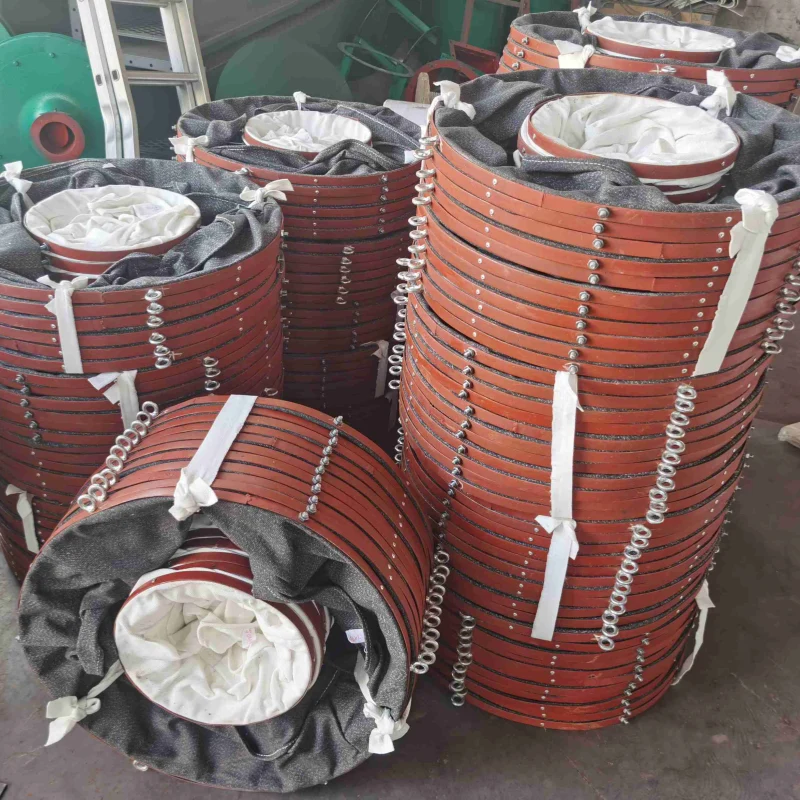
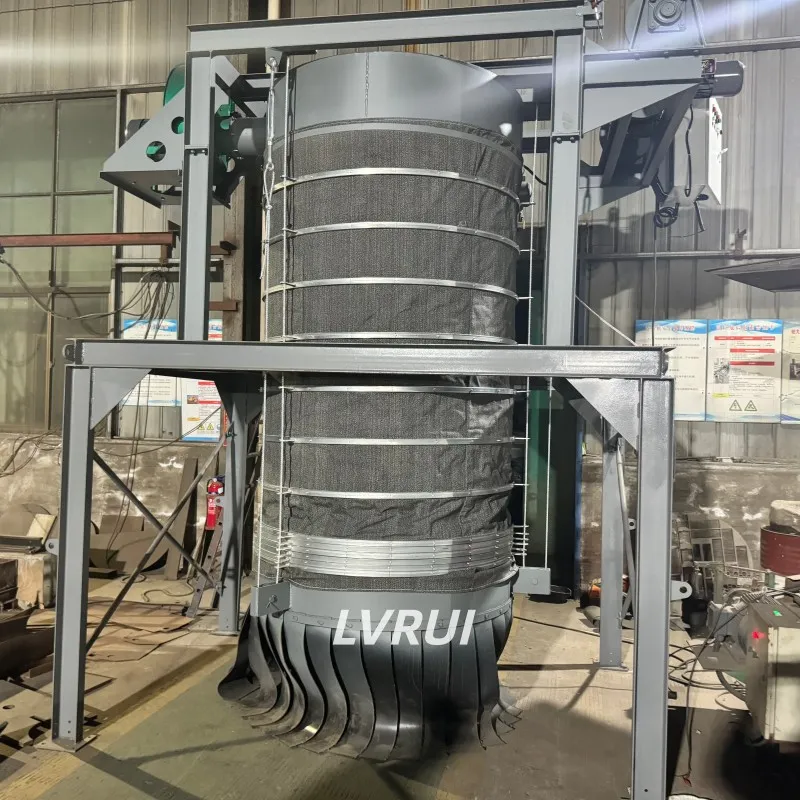
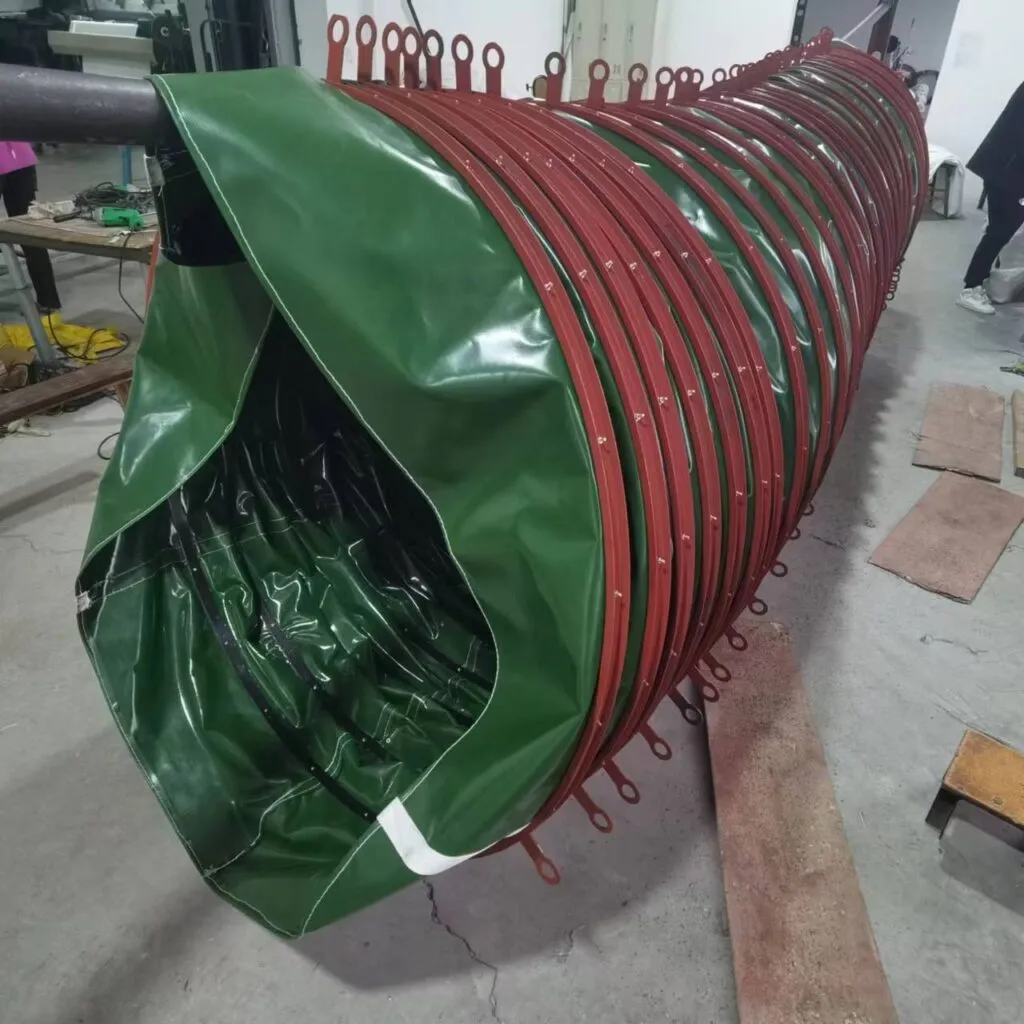
Canvas shrouds for loading spouts are flexible fabric sleeves installed around bulk loading equipment such as loading spouts, telescopic chutes, loading bellows, silo discharge outlets, and conveyor transfer points. Their main function is to reduce dust escape while allowing the loading equipment to extend, retract, and move during operation.
In many cement and dry powder loading systems, the loading spout needs to move up and down to match the height of a truck, tanker, railcar, or storage point. A rigid cover cannot handle this movement well. That is why a flexible canvas shroud is used.
A well-designed canvas shroud helps form a cleaner loading area, reduce powder escape, protect inner components, and improve the overall appearance of the loading station.
Why Canvas Shrouds Matter in Cement and Fly Ash Loading
During cement, fly ash, lime, mineral powder, and other dry bulk material loading, dust is one of the most common site problems. If the outer sleeve is damaged, too loose, too short, or made from the wrong material, powder can escape from the loading point. For this reason, canvas shrouds for loading spouts are commonly used as flexible dust-control covers around cement tanker loading, fly ash loading, and dry powder discharge points.
This creates several problems:
√ Visible dust around the loading area
√ More cleaning work after each loading cycle
√ Poor working conditions for operators
√ Faster wear on nearby parts
√ Material loss during loading
√ Higher risk of customer complaints
√ Lower overall impression of the loading system
For cement plants and bulk powder terminals, dust control is not only about keeping the site clean. It is also related to equipment life, plant management, operator comfort, and long-term operating cost.
A canvas shroud does not replace a complete dust collection system, but it is an important sealing and protection part in the whole loading structure. When it works together with a loading spout, dust collector, flow control gate, and stable discharge system, the loading process becomes cleaner and easier to manage.
NIOSH industrial dust control reference
Common Signs That a Loading Spout Canvas Shroud Needs Replacement
Many users replace canvas shrouds for loading spouts only after the fabric is completely torn. This is not ideal. In most cases, the loading system will show warning signs before serious failure. This is not ideal. In most cases, the loading system will show warning signs before serious failure.
A canvas shroud may need replacement when you notice the following problems.
1. Dust Leakage During Loading
If dust escapes from the outside of the loading spout, the canvas shroud may no longer seal the loading area effectively. The cause may be fabric damage, loose fastening, wrong diameter, poor fitting, or aging material.
Even small leakage should not be ignored. In dry powder loading, a small opening can quickly become a clear dust emission point during continuous operation.
2. Holes or Visible Wear Marks
Small holes can become larger very quickly during repeated lifting, lowering, vibration, and friction. Once the fabric is worn through, the shroud loses both sealing and protection performance.
For cement, fly ash, lime, and mineral powder loading, fabric wear often appears near folding areas, connection edges, and places where the shroud touches metal parts.
3. Cracked Seams or Broken Stitching
In many loading spout applications, the seam area carries repeated stress. If the stitching starts to crack, the whole shroud can fail even when the main fabric still looks acceptable.
This is why the stitching method, sewing strength, and edge reinforcement are important for custom canvas shrouds.
4. Deformation After Long-Term Use
A canvas shroud may become twisted, stretched, or uneven after long-term operation. This can affect the movement of the loading spout and may cause rubbing against nearby steel structures.
If the shroud no longer folds smoothly during lifting and lowering, it should be checked carefully.
5. Loose Upper or Lower Connection Points
If the upper or lower fixing edge becomes loose, material dust can escape from the connection area. This is common when the original mounting size is not accurate or the clamping structure is not tight enough.
A good replacement shroud should match the actual connection method of the loading equipment.
6. Poor Movement During Lifting or Lowering
If the shroud is too stiff, too short, or incorrectly folded, it may affect the normal extension and retraction of the loading spout.
This problem is often caused by wrong material selection, insufficient folding allowance, or inaccurate height design.
7. Fabric Aging Caused by Heat, Weather, or Material Contact
Outdoor loading systems may face sunlight, rain, wind, and temperature changes. In some applications, hot material or abrasive powder can also shorten the service life of the fabric.
If the fabric becomes hard, brittle, cracked, or discolored, replacement should be considered.
Main Applications of Canvas Shrouds in Bulk Material Handling
Canvas shrouds are not limited to one type of equipment. They are widely used in dry bulk material handling systems, especially where dust sealing and flexible movement are required. In dry bulk material handling, canvas shrouds for loading spouts are especially useful where the equipment must move frequently while still controlling dust leakage.
Common applications include:
√ Cement tanker loading
√ Fly ash loading systems
√ Silo discharge points
√ Loading spouts
√ Telescopic chutes
√ Bulk truck loading systems
√ Railcar loading systems
√ Conveyor transfer points
√ Dust collector inlet or outlet connections
√ Cement grinding station loading lines
√ Dry mortar and mineral powder loading points
For cement and fly ash applications, the canvas shroud is often used together with a loading spout. The loading spout controls the material discharge path, while the canvas shroud helps reduce dust escape around the outside.
How to Choose the Right Canvas Shroud Material
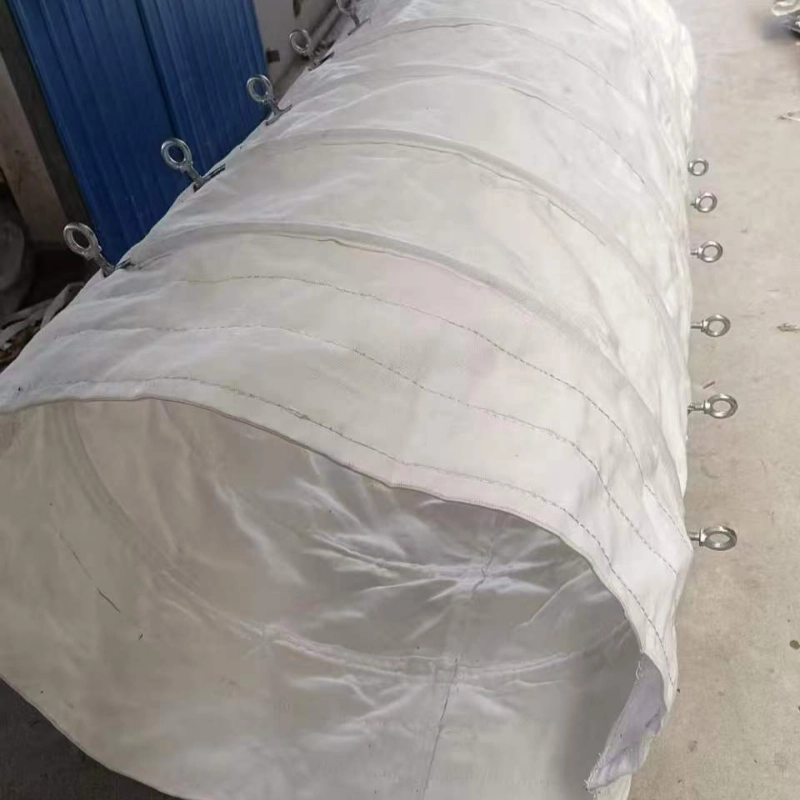
The right material depends on the working environment, powder type, temperature, movement frequency, and sealing requirement. Choosing only by price can lead to short service life and repeated replacement.
Below are common material options for canvas shrouds for loading spouts, especially in cement loading, fly ash loading, mineral powder loading, and silo discharge applications.
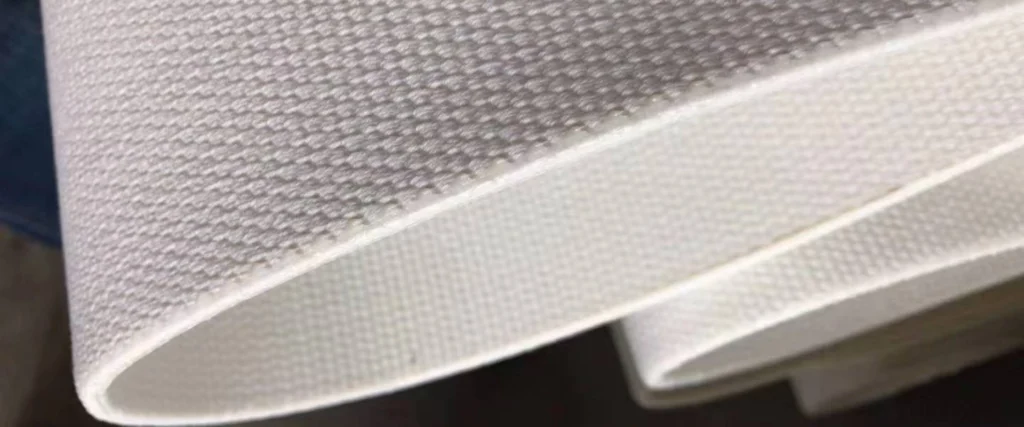
Standard Canvas Fabric
Standard canvas is suitable for general dust-covering applications where the working temperature is normal and the material is not highly abrasive. It is often used for basic protection and flexible connection.
This option may be suitable for light-duty applications, but it may not be the best choice for high-frequency cement loading or outdoor loading stations.
Coated Canvas
Coated canvas provides better surface protection than ordinary fabric. It can improve resistance to moisture, dust adhesion, and light abrasion.
For many cement and fly ash loading applications, coated canvas is a practical choice because it balances flexibility, dust resistance, and cost.
Rubber-Coated Fabric
Rubber-coated fabric is stronger and more wear-resistant. It is suitable for applications where the shroud may contact equipment surfaces, face vibration, or work in a rougher loading environment.
If the loading point has frequent movement or the outer sleeve may rub against nearby parts, rubber-coated fabric can provide better durability.
Silicone-Coated Fabric
Silicone-coated fabric is often used where better temperature resistance is required. It can be considered when the loading point faces higher temperature material, warm air, or more demanding working conditions.
This option is not necessary for every project, but it can be useful in specific high-temperature or special working environments.
Anti-Static or Special Fabric
In some dry powder applications, anti-static performance may be required. This depends on the material type and plant safety requirements.
Buyers should confirm the working condition before selecting this option. A supplier should not recommend special fabric only for a higher price. The choice should match the actual site requirement.
The Best Canvas Shroud Is Not Always the Thickest One
A common mistake is to think that thicker fabric always means better quality. This is not always true.
A very thick canvas shroud may be durable, but it may also be too stiff for smooth lifting and folding. If the fabric cannot move properly with the loading spout, it may crack earlier or affect equipment operation.
The correct design should balance:
√ Flexibility
√ Wear resistance
√ Dust sealing performance
√ Folding movement
√ Working temperature
√ Installation method
√ Service life
√ Replacement convenience
For loading spouts and telescopic chutes, flexibility is especially important because the shroud must move repeatedly during daily operation.
What Information Should Buyers Provide Before Ordering?
A canvas shroud is usually a custom-made part. To avoid poor fitting, buyers should provide accurate information before production. For canvas shrouds for loading spouts, accurate upper size, lower size, working height, and fabric requirement are more important than choosing only by appearance.
The most useful information includes:
√ Application equipment: loading spout, telescopic chute, silo outlet, conveyor transfer point, or other equipment
√ Material handled: cement, fly ash, lime, mineral powder, dry mortar, grain, or other powder
√ Upper connection size
√ Lower connection size
√ Required height or working stroke
√ Inner diameter and outer diameter if available
√ Fabric material requirement
√ Working temperature
√ Indoor or outdoor installation
√ Connection method: clamp, flange, bolt, zipper, belt, or custom fixing
√ Quantity needed
√ Existing drawing, sample, or site photos
If the old shroud is still available, photos of the worn part are very helpful. They allow the supplier to check the folding style, connection edges, fabric type, and failure position.
For urgent replacement projects, buyers should also confirm whether the equipment can stop for installation and whether the shroud needs to be made as a split type for easier replacement.
Common Design Details That Affect Service Life
A canvas shroud may look simple, but several design details directly affect its service life.
1. Correct Diameter
If the diameter is too small, the shroud may stretch too much during operation. If it is too large, the sealing effect may become weak and the fabric may swing excessively.
The correct diameter should match the actual equipment size and movement requirement.
2. Proper Folding Allowance
The shroud should have enough allowance for lifting and lowering. Poor folding design can cause fabric stress and early cracking.
For loading spouts, the working stroke should be confirmed before production.
3. Reinforced Edges
The upper and lower fixing edges should be reinforced, especially when clamps, bolts, or belts are used for installation.
Weak edges can tear even when the main fabric is still in good condition.
4. Strong Stitching
The seam should match the working load. Weak stitching often fails before the fabric itself.
For high-frequency loading systems, seam strength is one of the most important quality points.
5. Suitable Fabric Thickness
The fabric should be strong enough for the working environment but flexible enough for movement.
A correct fabric choice should consider both durability and operating movement.
6. Correct Connection Method
Different loading systems may require different fixing methods. A shroud for a loading spout may not use the same connection style as a shroud for a conveyor transfer point.
Before ordering, buyers should confirm whether the shroud will be fixed by clamp, flange, bolt, belt, zipper, or another custom method.
Canvas Shrouds and Complete Dust-Free Loading Systems
In a complete bulk loading system, the canvas shroud is only one part of the dust control structure. It should work together with other equipment to achieve a cleaner loading process.
A typical dust-controlled loading system may include:
√ Silo discharge outlet
√ Flow control gate valve
√ Loading spout or telescopic chute
√ Inner material guide cone
√ Outer canvas shroud
√ Dust collector
√ Level detection device
√ Control system
The flow control gate controls the material discharge rate. The loading spout guides the material into the truck or tanker. The canvas shroud helps reduce dust escape around the loading area. The dust collector removes suspended dust from the loading zone.
When these parts are matched correctly, the system can reduce dust leakage, improve loading stability, and lower maintenance pressure.
Icement bulk loader for dry powder loading
Mistakes to Avoid When Buying Replacement Canvas Shrouds
Buying a replacement canvas shroud only by appearance is risky. Many problems happen because the buyer provides only a rough size or chooses a general fabric without confirming the actual working condition. When buying canvas shrouds for loading spouts, the buyer should confirm the working stroke, installation method, dust-control requirement, and fabric condition before production.
Common mistakes include:
√ Using ordinary fabric in a high-wear loading area
√ Ignoring working temperature
√ Choosing a shroud that is too short for the lifting stroke
√ Copying the old size even when the old part has already deformed
√ Not checking the upper and lower connection method
√ Forgetting to provide site photos
√ Choosing very thick fabric without considering flexibility
√ Replacing the shroud without checking the loading spout structure
A good replacement should not only fit the old equipment. It should also solve the problem that caused the old shroud to fail.
For example, if the old shroud broke near the seam, the new design may need stronger stitching or reinforced edges. If dust leaked from the connection area, the new design may need a better fixing method. If the fabric cracked too quickly, the material selection may need to be upgraded.
How Canvas Shrouds Help Reduce Dust Leakage
Canvas shrouds reduce dust leakage by creating a flexible barrier around the loading area. During bulk loading, dry powder can escape when material falls from the discharge outlet into the truck or tanker. Air displacement, vibration, and material impact can push dust outward.
A properly fitted canvas shroud helps control this problem in three ways.
First, it covers the open space around the loading point. This reduces the chance of powder spreading into the surrounding area.
Second, it allows the loading spout to move while keeping the outer dust-control area closed. This is important because loading equipment often needs to adjust height during operation.
Third, it protects the loading area from direct exposure to wind and external airflow. For outdoor loading stations, this can make a clear difference.
However, the canvas shroud must be used correctly. If the size is wrong, the fabric is damaged, or the connection is loose, the dust-control effect will be limited.
Maintenance Tips for Longer Service Life
Regular inspection can help extend the service life of canvas shrouds for loading spouts and avoid sudden downtime.
Recommended inspection points include:
√ Check whether there are holes, cracks, or worn areas
√ Check whether the stitching is still firm
√ Check whether the upper and lower fixing edges are loose
√ Check whether the shroud folds smoothly during lifting and lowering
√ Check whether there is powder leakage around the connection area
√ Check whether the fabric has become hard, brittle, or deformed
√ Check whether the shroud rubs against nearby steel parts
√ Check whether the loading spout movement is affected
If small damage is found early, the user may be able to repair or replace the shroud before serious dust leakage occurs.
For high-frequency loading systems, regular inspection is more important because the shroud moves many times every day. Cement plants, fly ash terminals, and dry powder loading stations should include canvas shrouds in routine loading equipment inspections.
Why Custom Canvas Shrouds Are Often Better Than Standard Parts
Some loading systems can use standard shroud sizes, but many cement and fly ash loading applications require custom dimensions. This is because different plants use different silo outlets, loading spout structures, installation heights, and connection methods.
Custom canvas shrouds can be designed according to:
√ Actual equipment size
√ Required lifting stroke
√ Site installation space
√ Fabric performance requirement
√ Upper and lower fixing method
√ Dust-control requirement
√ Existing equipment structure
√ Replacement schedule
For old equipment, custom design is especially useful. Many older loading spouts do not have standard drawings available. In this case, site photos, basic measurements, and old samples can help the supplier produce a suitable replacement.
A custom canvas shroud can also be designed as a split type if the site needs faster installation or if the equipment structure does not allow easy disassembly.
Canvas Shrouds for Different Bulk Materials
Different dry bulk materials create different working challenges. The same shroud design may not be suitable for every material.
Cement
Cement loading usually requires good dust sealing and stable folding movement. For high-frequency cement tanker loading, coated canvas or stronger fabric is usually more practical than ordinary canvas.
Fly Ash
Fly ash is very fine and easy to escape from gaps. For fly ash loading systems, accurate size and tight connection are important. If the shroud is loose at the upper or lower edge, dust leakage can become obvious.
Lime and Mineral Powder
Lime and mineral powder may create more wear depending on particle characteristics and loading conditions. The fabric should be selected according to abrasion level and working temperature.
Dry Mortar
Dry mortar loading may involve mixed materials and different particle sizes. The shroud should have enough wear resistance and should not affect the loading spout movement.
Grain and Other Granular Materials
For grain and other granular materials, dust level may be lower than cement or fly ash, but flexible connection and weather protection can still be important.
When Should You Upgrade the Canvas Shroud Design?
A replacement canvas shroud should not always copy the old design. If the old part failed too quickly, the replacement should be improved.
You may need to upgrade the design when:
√ The old shroud tears repeatedly in the same position
√ Dust leakage appears even after replacement
√ The shroud is difficult to install
√ The fabric becomes hard or cracked too quickly
√ The loading spout movement is not smooth
√ The connection edge becomes loose during operation
√ The loading station has changed its working condition
√ The material handled has changed
√ The equipment is used more frequently than before
In these cases, buyers should not only provide dimensions. They should also explain the failure problem. This helps the supplier recommend better material, stronger edges, improved stitching, or a different connection method.
FAQ About Canvas Shrouds for Loading Spouts
What are canvas shrouds for loading spouts?
Canvas shrouds for loading spouts are flexible fabric sleeves used around loading spouts, telescopic chutes, and bulk loading equipment. They help reduce dust escape, protect the loading area, and allow the equipment to move during operation.
When should a loading spout canvas shroud be replaced?
It should be replaced when there is visible dust leakage, fabric tearing, worn holes, cracked stitching, loose fixing edges, deformation, or poor movement during loading spout operation.
Can canvas shrouds reduce cement dust during bulk loading?
Yes. A properly fitted canvas shroud can help reduce cement dust escape around the loading point. For better dust control, it should work together with a loading spout, dust collector, and proper discharge control.
What material is best for canvas shrouds?
The best material depends on the working condition. Standard canvas may be enough for light-duty use, while coated canvas, rubber-coated fabric, or silicone-coated fabric may be better for cement, fly ash, higher temperature, or rougher environments.
Are canvas shrouds standard parts or custom parts?
Many canvas shrouds for loading spouts are custom-made because loading spouts, silo outlets, and telescopic chutes often have different sizes and connection methods. Buyers should provide drawings, measurements, photos, or old samples.
What information is needed to order a replacement canvas shroud?
Useful information includes equipment type, material handled, upper and lower connection size, height, diameter, working temperature, installation method, site photos, and quantity.
Can a canvas shroud be used outdoors?
Yes, but the fabric should be selected according to outdoor conditions such as sunlight, rain, wind, and temperature changes. Coated or specially treated fabric may be more suitable for outdoor use.
Why does a canvas shroud fail quickly?
Common reasons include wrong material selection, poor fitting, excessive stretching, weak stitching, sharp contact points, high temperature, strong abrasion, or incorrect installation.
Can canvas shrouds be used for fly ash loading?
Yes. Canvas shrouds are commonly used in fly ash loading systems, especially around loading spouts, tanker loading points, and silo discharge areas where dust control is required.
Do canvas shrouds replace dust collectors?
No. Canvas shrouds help reduce dust escape around the loading area, but they do not replace a dust collector. In many systems, both parts are needed for better dust control.
Can canvas shrouds be made according to old samples?
Yes. If drawings are not available, buyers can provide photos, basic dimensions, and old samples. This helps the supplier check the fabric type, connection style, folding structure, and wear position.
What is the difference between a canvas shroud and a loading spout?
A loading spout is the main equipment used to guide bulk material into a truck, tanker, railcar, or storage point. A canvas shroud is a flexible outer sleeve or cover used around the loading spout to help reduce dust leakage and protect the loading area.
Conclusion
Canvas shrouds for loading spouts may look like simple flexible covers, but they have a direct impact on dust control, loading cleanliness, equipment protection, and daily maintenance. In cement plants, fly ash terminals, grinding stations, dry mortar plants, and bulk powder loading systems, a damaged or poorly selected shroud can quickly lead to dust leakage and unstable operation.
When choosing a replacement canvas shroud, buyers should not only check the price. They should confirm the application equipment, material handled, working temperature, movement stroke, connection method, and site installation condition. A well-designed canvas shroud should fit the equipment correctly, move smoothly, reduce dust escape, and withstand the actual working environment.
For loading spouts and dry bulk material handling systems, the best result often comes from matching the canvas shroud with the complete system design, including the loading spout, flow control gate, dust collector, and discharge structure.
Contact Jiangsu Lvrui Machinery Co., Ltd.
Jiangsu Lvrui Machinery Co., Ltd. provides canvas shrouds, loading spouts, flow control gate valves, air slide conveyors, lump breakers, and bulk material handling solutions for cement plants, fly ash terminals, grinding stations, and dry powder industries.
If you need a replacement canvas shroud for a loading spout, telescopic chute, silo outlet, or conveyor transfer point, you can send us your drawings, photos, dimensions, material information, and working conditions. Our team can help check the suitable fabric, connection method, and custom design for your application.
WhatsApp: +86-18261998937
WeChat: +86-18261998937
Email: info@lvrui-conveyor.com