How Air Slide Canvas Supports Smooth Cement Powder Conveying
Introduction
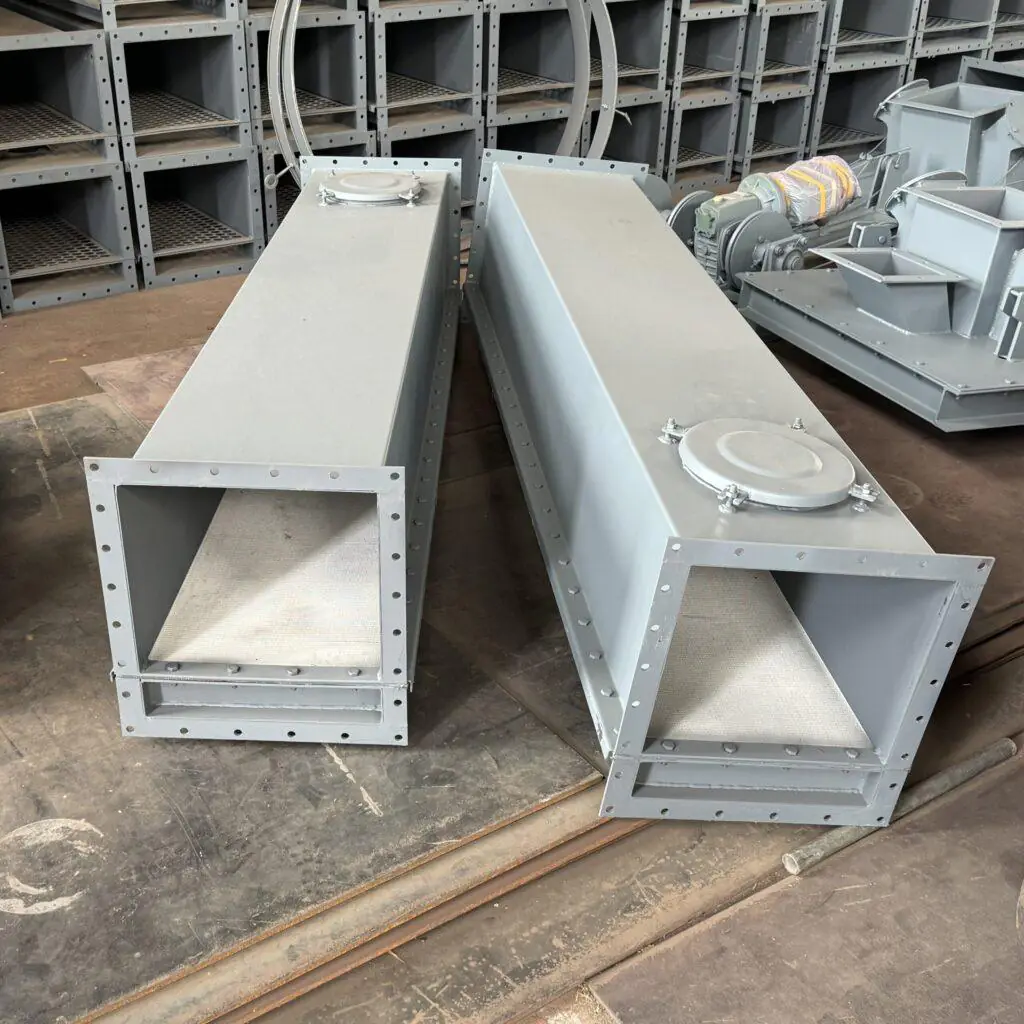
Air slide canvas working principle is one of the key technical points in cement powder conveying systems. In an air slide conveyor, low-pressure air passes through a permeable canvas layer, fluidizes the dry powder above it, and allows the material to flow smoothly along a slightly inclined chute.
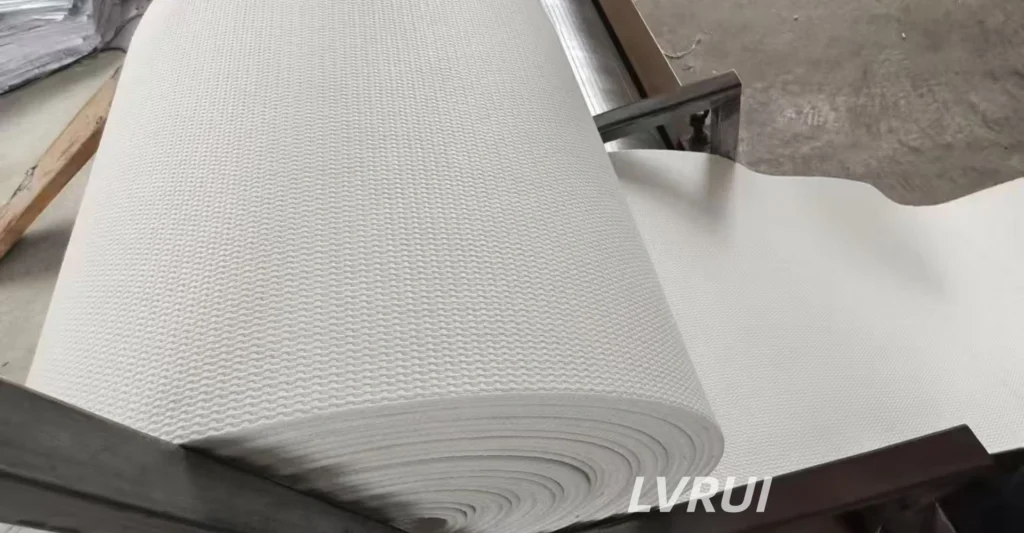
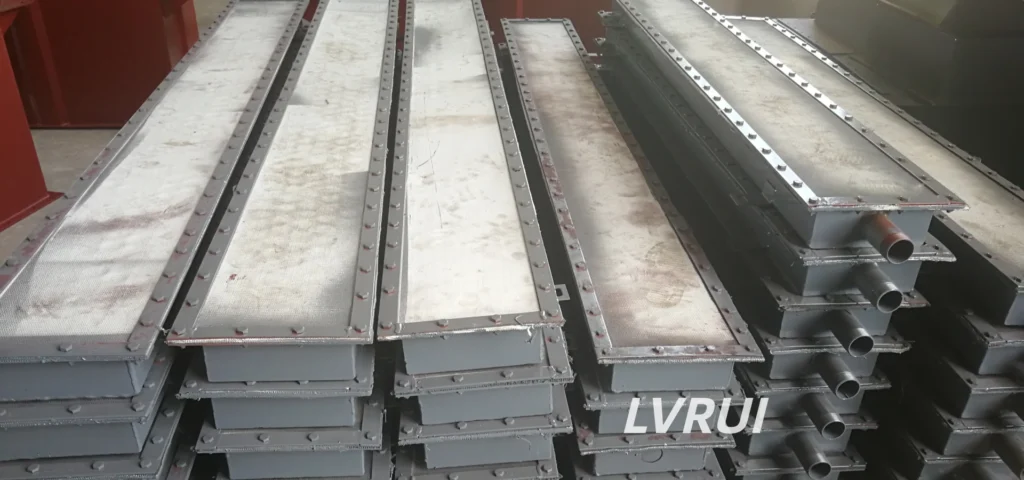
Air slide canvas is also commonly called air slide fabric, air slide cloth, fluidization fabric, or air permeable cloth. Although these names are used differently by suppliers and cement plants, they all refer to the breathable layer that separates the upper material chamber from the lower air chamber in an air slide conveyor.
For cement plants, grinding stations, fly ash terminals, and bulk powder handling systems, choosing the right air slide canvas directly affects conveying efficiency, air consumption, dust control, and long-term system stability.
What Is Air Slide Canvas in a Cement Air Slide Conveyor?
Air slide canvas is a high-strength, air-permeable textile installed inside an air slide conveyor. It is placed between the upper chamber, where cement powder flows, and the lower chamber, where low-pressure air is supplied.
When the blower sends air into the lower chamber, the air passes evenly through the canvas. The cement powder above the canvas becomes fluidized and behaves more like a flowing liquid. With a proper chute slope, the powder moves forward by gravity without mechanical pushing parts inside the conveying chamber.
Common names include:
√ Air slide canvas
√ Air slide fabric
√ Air slide cloth
√ Fluidization fabric
√ Air permeable cloth
√ Pneumatic conveying fabric
In cement plants, air slide canvas is widely used for cement powder, fly ash, raw meal, lime powder, alumina, and other dry fine powders that can be fluidized by air.
Air Slide Canvas Working Principle
The air slide canvas working principle can be understood in four steps:
- Low-pressure air enters the lower air chamber.
- Air passes uniformly through the air slide canvas.
- Cement powder above the canvas becomes fluidized.
- The fluidized powder flows along the inclined chute by gravity.
The canvas does not move during operation. Its function is to distribute air evenly while supporting the powder layer above it. When the air distribution is stable, the powder flow becomes smoother, cleaner, and more energy-efficient.
A typical air slide conveyor works with a slight downward slope. In many cement plant applications, the slope is selected according to material type, conveying distance, capacity, layout, and air supply condition. If the slope, air volume, or canvas permeability is not suitable, the system may suffer from poor flow, uneven discharge, or blockage.
For a related equipment overview, see LVRUI’s air slide conveyor page.
For a technical reference, see fluidization fabrics used in cement transport.
Why Air Slide Canvas Is Important for Cement Powder Conveying
Air slide canvas is not just a replaceable spare part. It directly affects the full conveying performance of the air slide system.
If the canvas has good permeability, stable thickness, and proper strength, air can pass through evenly and fluidize the powder consistently. If the canvas is blocked, damaged, unevenly installed, or wrongly selected, the material may stop flowing properly.
In cement plants, common problems caused by unsuitable air slide canvas include:
√ Poor cement powder flow
√ Uneven material discharge
√ Higher air consumption
√ Local blockage inside the chute
√ Dust leakage at transfer points
√ Shorter service life of the conveyor system
√ Frequent shutdown for cleaning or replacement
This is why the air slide canvas working principle should be understood before selecting fabric material, thickness, permeability, and installation method.
Image Caption: Low-pressure air passes through air slide canvas and fluidizes cement powder inside the conveyor chute.
Material Options for Air Slide Canvas
Different cement plant conditions require different air slide canvas materials. The most common options include polyester, aramid, PPS, and blended fabrics.
Polyester Air Slide Canvas
Polyester air slide canvas is widely used in standard cement powder and fly ash conveying systems. It offers good strength, stable air permeability, abrasion resistance, and cost performance.
It is suitable for:
√ Cement powder conveying
√ Fly ash handling
√ Lime powder transfer
√ Raw meal conveying
√ Standard temperature applications
Aramid Air Slide Canvas
Aramid air slide canvas is used where higher temperature resistance is required. It is more suitable for demanding applications where ordinary polyester fabric may not provide enough heat resistance.
It is suitable for:
√ High-temperature powder conveying
√ Hot material transfer lines
√ Heavy-duty cement plant applications
√ Applications requiring better wear resistance
PPS or High-Temperature Fabric
PPS and other high-temperature materials may be selected for special working conditions. These are usually used when temperature, chemical resistance, or operating stability is more demanding.
Before choosing high-temperature air slide canvas, the actual material temperature, air temperature, moisture condition, and conveying layout should be checked carefully.
Air Slide Canvas vs Air Slide Fabric: Are They the Same?
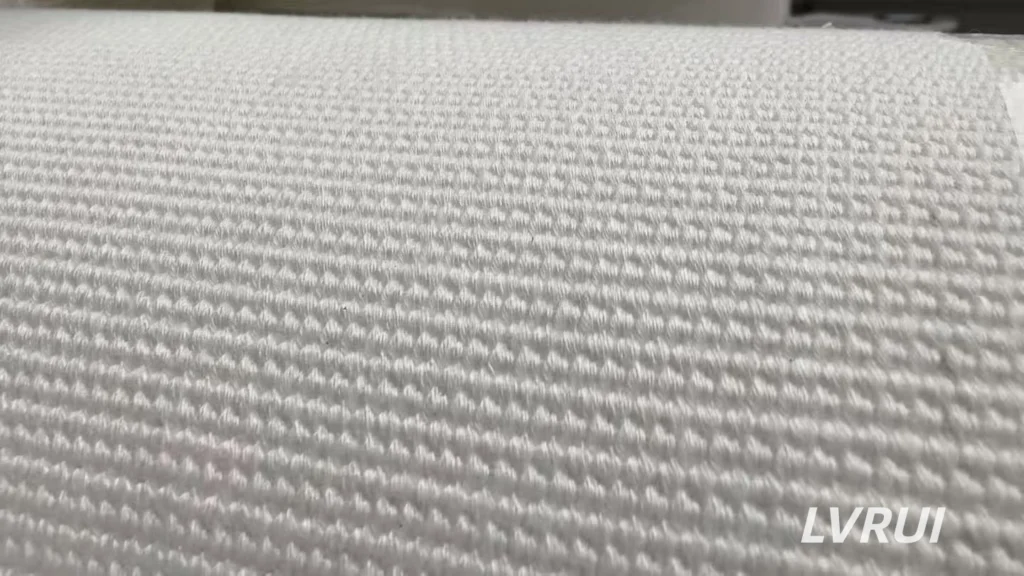
In most cement and bulk powder handling applications, air slide canvas and air slide fabric refer to the same type of air-permeable textile used inside air slide conveyors.
The difference is mainly in wording:
√ “Air slide canvas” is often used in practical plant maintenance and replacement discussions.
√ “Air slide fabric” is often used in product descriptions and supplier specifications.
√ “Fluidization fabric” is more technical and highlights the working principle.
√ “Air permeable cloth” describes the material function more directly.
For SEO and technical clarity, this article uses air slide canvas working principle as the main topic, while still keeping air slide fabric, fluidization fabric, and air permeable cloth as related terms.
For product specifications, you can refer to LVRUI’s air slide fabric product page.
Common Applications in Cement Plants
Air slide canvas is used in many cement plant powder conveying and discharge systems. Its main role is to support smooth, enclosed, and low-wear powder movement.
Typical applications include:
√ Cement air slide conveyor systems
√ Cement silo discharge lines
√ Silo bottom fluidization systems
√ Grinding station powder transfer
√ Cement packing plant feeding
√ Fly ash conveying systems
√ Bulk truck loading systems
√ Ship loading powder transfer systems
√ Blending and homogenizing systems
In a cement silo discharge system, air slide canvas can work together with air slide conveyors, aeration pads, flow control gates, diverter valves, lump breakers, and dust collection equipment.
For related system design, see LVRUI’s cement silo discharge system.
Key Advantages of Air Slide Canvas
When the air slide canvas is properly selected and installed, it brings several practical advantages for cement plants.
√ Smooth powder flow
The canvas allows low-pressure air to pass evenly, helping dry cement powder flow with less friction.
√ Low mechanical wear
There are no screw blades, chains, or belts moving inside the material chamber.
√ Lower energy consumption
For suitable dry fine powder, air slide conveying can be more energy-efficient than some mechanical conveying methods.
√ Enclosed conveying
The chute structure helps reduce dust leakage when sealing and transfer points are properly designed.
√ Stable continuous operation
A properly designed air slide conveyor can support continuous powder conveying in cement plants.
√ Easy replacement
Air slide canvas can be replaced during maintenance when it becomes blocked, worn, or damaged.
√ Suitable for multiple powder materials
It can be used for cement, fly ash, lime powder, raw meal, alumina, and similar dry fine powders.
Selection Factors for Air Slide Canvas
Selecting air slide canvas should not be based only on price. The right canvas must match the material condition, conveyor design, and plant operation requirements.
Important factors include:
| Selection Factor | What to Check | Why It Matters |
|---|---|---|
| Material type | Cement, fly ash, lime, raw meal | Different powders have different fluidization behavior |
| Moisture content | Dry, slightly wet, or sticky | Wet powder may block the canvas |
| Air permeability | Low, medium, or high | Affects fluidization and air consumption |
| Thickness | Usually selected by application | Affects strength and pressure drop |
| Temperature resistance | Normal or high-temperature condition | Prevents fabric damage in hot systems |
| Conveyor width | Chute size and canvas width | Ensures proper installation |
| Working pressure | Low-pressure air supply | Affects powder flow stability |
| Abrasion condition | Light or heavy wear | Influences service life |
| Maintenance access | Easy or difficult replacement | Affects downtime and cost |
For cement powder conveying, the canvas should provide balanced air permeability. Too little permeability can cause poor fluidization, while too much permeability may increase air consumption or create unstable powder movement.
Common Problems and Maintenance Tips
Air slide canvas performance may decline after long-term use. Regular inspection can help avoid unexpected shutdowns.
Common problems include:
√ Canvas blockage caused by moisture or fine powder buildup
√ Uneven air distribution caused by damaged canvas
√ Local wear caused by poor installation or sharp edges
√ Powder leakage caused by weak sealing at joints
√ Reduced conveying capacity caused by insufficient air supply
√ Material accumulation caused by wrong slope or poor discharge design
Practical maintenance tips:
√ Keep conveyed material dry and free-flowing
√ Check air pressure and air volume regularly
√ Inspect canvas surface during shutdown
√ Replace damaged or seriously blocked canvas in time
√ Avoid uneven tightening during installation
√ Check chute sealing and connection points
√ Confirm that downstream equipment is not causing back pressure
If the material contains lumps or serious caking, a lump breaker may be needed before the air slide conveyor to protect the canvas and reduce blockage risk.
When Should Air Slide Canvas Be Replaced?
Air slide canvas should be replaced when it can no longer provide stable air distribution or proper powder fluidization.
Typical signs include:
√ Powder flow becomes slower than normal
√ Conveyor capacity drops without other clear reasons
√ Air pressure becomes unstable
√ Some chute sections stop flowing properly
√ Canvas surface is damaged, hardened, or blocked
√ Dust leakage increases near joints or inspection covers
√ Frequent cleaning is required to keep the system running
In cement plants, replacement timing depends on material abrasiveness, operating hours, air quality, temperature, moisture, and maintenance habits.
Conclusion
Air slide canvas working principle is based on air fluidization. Low-pressure air passes through the permeable canvas layer, fluidizes cement powder, and allows the material to flow smoothly through an inclined air slide conveyor.
For cement plants and bulk powder handling systems, air slide canvas is a small component with a large effect on conveying stability. Proper material selection, correct installation, suitable air supply, and regular maintenance can improve powder flow, reduce blockage, lower energy consumption, and extend equipment service life.
If your cement air slide conveyor has poor flow, high air consumption, frequent blockage, or unstable discharge, checking the air slide canvas should be one of the first maintenance steps.
FAQs About Air Slide Canvas Working Principle
What is the air slide canvas working principle?
The air slide canvas working principle is based on low-pressure air passing through a permeable canvas layer to fluidize dry cement powder. Once the powder becomes fluidized, it flows along the inclined air slide conveyor by gravity, without moving mechanical parts inside the material chamber.
How does the air slide canvas working principle improve cement powder conveying?
The air slide canvas working principle improves cement powder conveying by reducing friction between the powder and the conveyor chute. When air passes evenly through the canvas, cement powder behaves more like a fluid, allowing smoother, cleaner, and more stable conveying in cement plants.
Is air slide canvas the same as air slide fabric?
Yes. In most cement plant applications, air slide canvas and air slide fabric refer to the same breathable textile used inside air slide conveyors. It may also be called air slide cloth, fluidization fabric, air permeable cloth, or air slide conveyor fabric.
What is the difference between air slide canvas working principle and air slide fabric working principle?
Air slide canvas working principle and air slide fabric working principle describe the same fluidization process. Both refer to how low-pressure air passes through a permeable fabric layer and fluidizes dry powder materials such as cement, fly ash, lime powder, and raw meal.
How does air slide canvas help cement powder flow?
Air slide canvas distributes air evenly from the lower air chamber to the powder layer above it. When the cement powder is fluidized, friction is reduced and the material can move smoothly through the chute. This is why air slide canvas for cement plants is important for stable powder conveying.
What materials are suitable for air slide canvas?
Common air slide canvas materials include polyester, aramid, PPS, and blended fabrics. Polyester is widely used for standard cement and fly ash conveying, while aramid or PPS may be selected for higher-temperature air slide conveyor systems.
Why does air slide canvas become blocked?
Air slide canvas may become blocked because of material moisture, fine powder buildup, oil contamination in compressed air, incorrect air pressure, poor sealing, or long-term material accumulation. Once the canvas is blocked, the air slide canvas working principle cannot work properly and powder flow becomes unstable.
Can air slide canvas be used for wet cement?
No. Air slide canvas is designed for dry, fine, and fluidizable powders. Wet or sticky cement can block the air permeable cloth and reduce fluidization performance, causing poor flow, higher air consumption, and possible conveyor blockage.
When should air slide canvas be replaced?
Air slide canvas should be replaced when powder flow becomes unstable, conveying capacity drops, air distribution becomes uneven, or the canvas surface becomes damaged, hardened, worn, or seriously blocked. Regular inspection helps keep the air slide canvas working principle effective in daily cement plant operation.
Where is air slide canvas used in cement plants?
Air slide canvas is used in cement air slide conveyors, cement silo discharge systems, grinding stations, packing plant feeding lines, fly ash conveying systems, bulk loading systems, and blending or homogenizing systems. It is a key fluidization fabric for cement transport and bulk powder handling.
What factors affect the air slide canvas working principle?
The air slide canvas working principle is affected by air pressure, air volume, canvas permeability, fabric thickness, powder moisture, material fineness, chute slope, conveyor width, and downstream discharge condition. If any of these factors are unsuitable, cement powder fluidization may become uneven.
How do I choose the right air slide canvas for cement powder conveying?
To choose the right air slide canvas for cement powder conveying, check the material type, moisture content, working temperature, chute width, air supply condition, required capacity, and replacement space. A suitable air slide conveyor fabric should provide stable permeability, good strength, and long service life.
Need air slide canvas, air slide fabric, or a complete air slide conveyor solution for cement powder handling?
Contact Jiangsu Lvrui Machinery Co., Ltd. for customized support based on your material type, conveying capacity, chute width, air supply condition, and plant layout.
Email: info@lvrui-conveyor.com
WhatsApp / WeChat: +86-18261998937
Website: https://lvrui-conveyor.com/