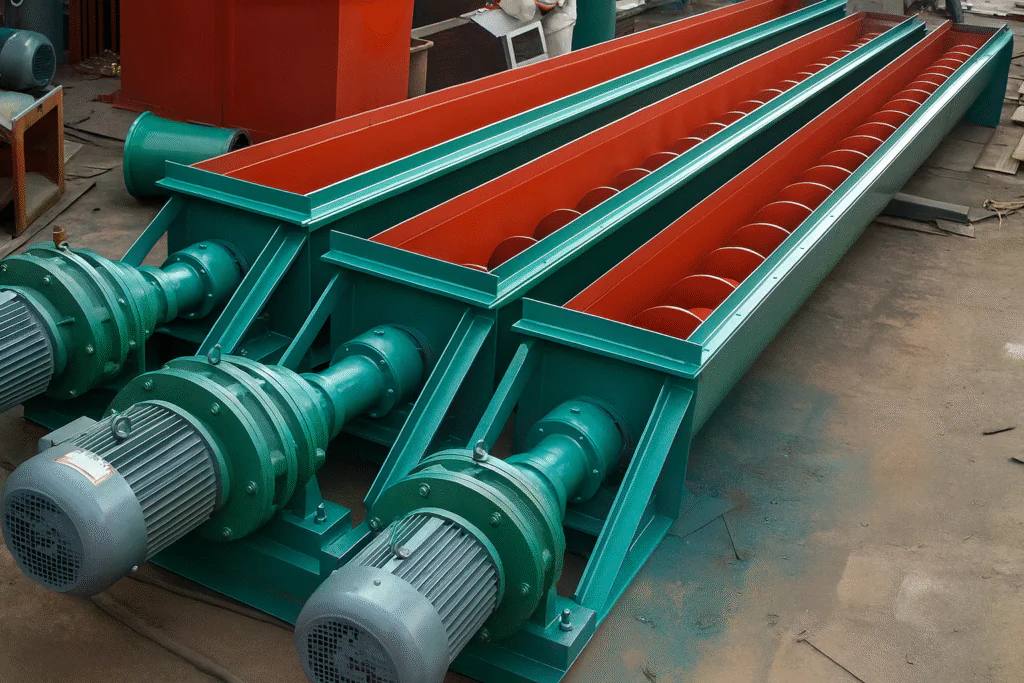
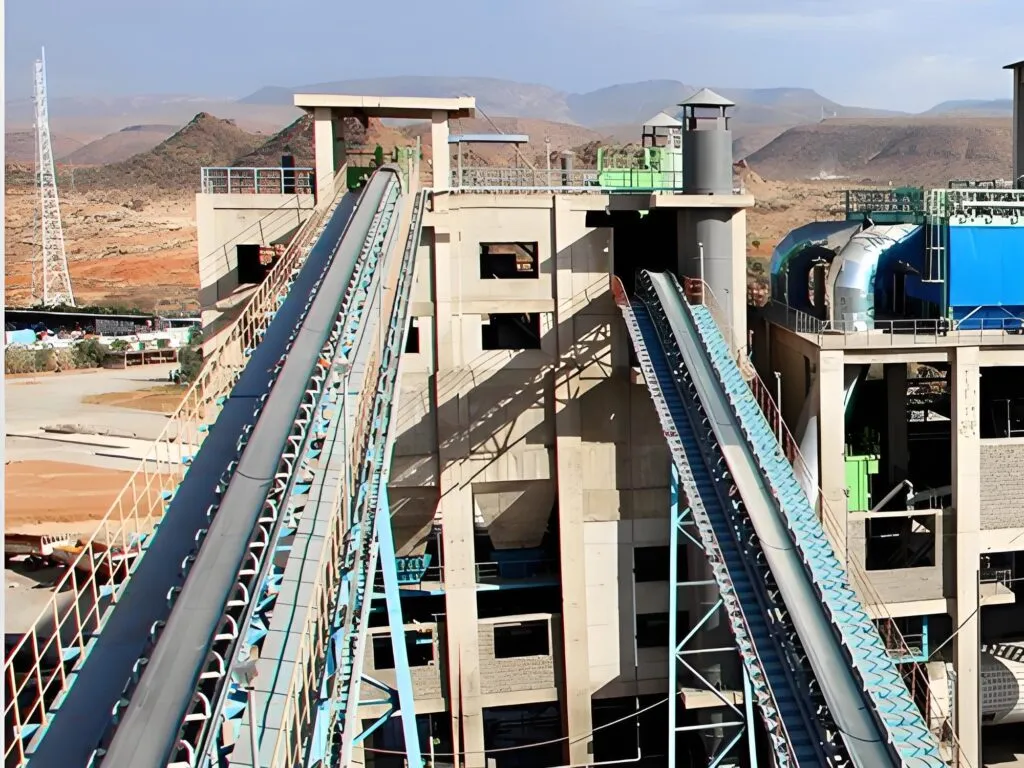
Optimizing Material Transport in Cement, Mining & Bulk Operations
Mengoptimalkan Transportasi Material di Pabrik Semen, Pertambangan & Operasi Bulk
Introduction
A belt conveyor system is one of the most essential pieces of equipment in industrial material-handling operations. These systems ensure continuous, stable, and efficient transport of bulk materials such as coal, clinker, ore, limestone, sand, gypsum, and other powders. Belt conveyors are widely used in cement plants, ports, mining sites, power stations, and chemical industries.
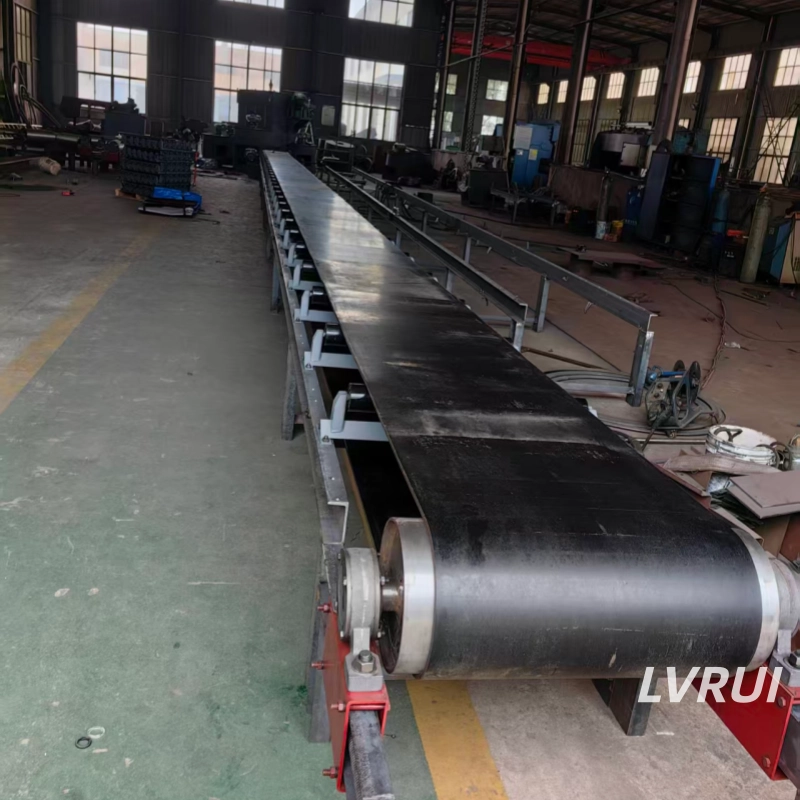
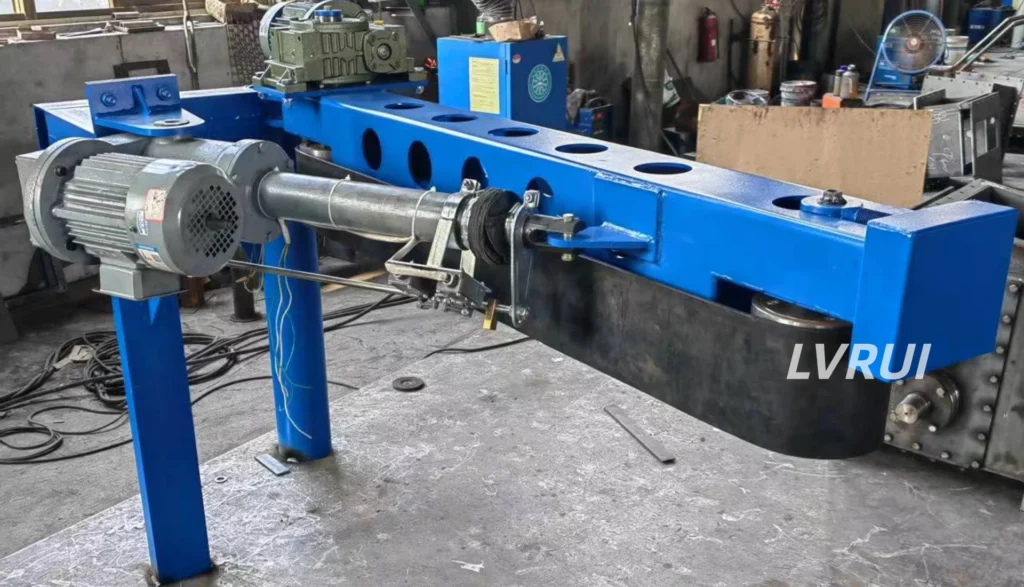
The system shown in the images represents a heavy-duty belt conveyor, designed for high-capacity loading and unloading operations. With optimized design, these conveyors reduce downtime, minimize material spillage, and improve overall efficiency.
What Makes This Belt Conveyor System Efficient?
1. High-Performance Belt Structure
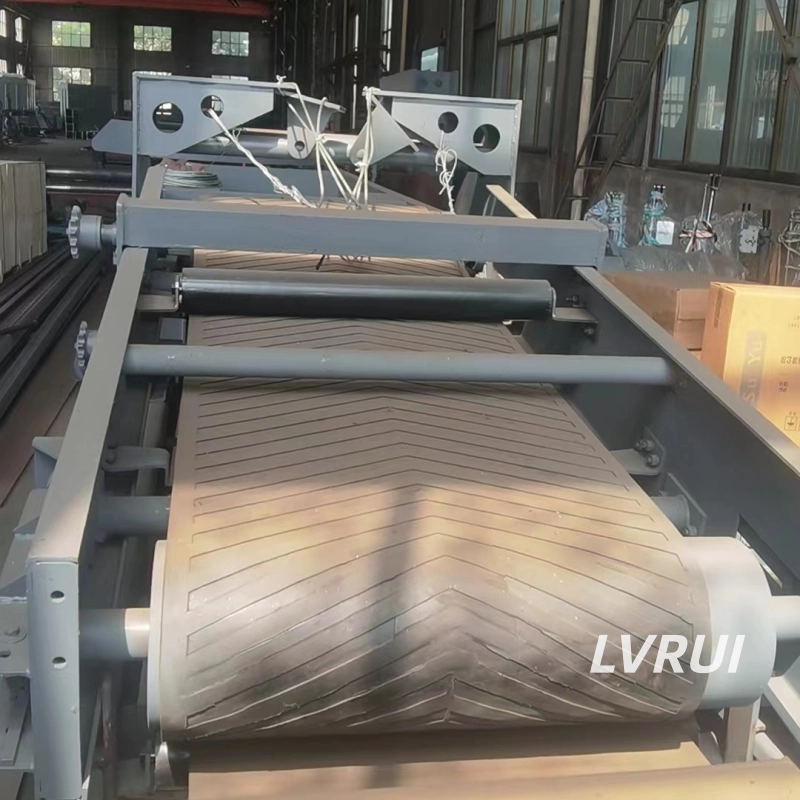
The conveyor uses a reinforced rubber belt, engineered to transport large volumes of materials with excellent wear resistance. Its stability over long distances reduces slippage and ensures smooth operation. The belt’s durable structure minimizes downtime and extends service life, even under continuous heavy-duty operation.
2. Optimized Carrying Idlers
Multiple sets of carrying idlers support the belt load and keep it running smoothly. Proper idler spacing reduces belt vibration, lowers friction, and extends the overall system lifespan. Industrial-grade idlers withstand harsh environments, including high humidity and abrasive bulk materials.
3. Suitable for Heavy-Duty Environments
This belt conveyor system is built for ports, mining operations, bulk cargo yards, and cement plants. It is designed to handle large throughput and operate continuously in challenging conditions. The system is adaptable to different layouts and can be integrated with upstream and downstream equipment for full process automation.
4. Increased Loading and Transport Efficiency
By delivering materials steadily and continuously, the system reduces manual handling, minimizes material loss, and improves overall productivity. High-capacity conveyors can transport hundreds of tons per hour, reducing operational costs for industrial sites.
5. Low Maintenance, Long Service Life
Wear-resistant belts and sealed idlers reduce maintenance frequency and prolong system lifespan. With minimal downtime, operators can rely on consistent performance even under high-volume and heavy-duty use, making it ideal for long-term investment.
Applications of Belt Conveyor Systems
Belt conveyor systems are highly versatile and applicable across multiple industries:
- Cement plants: clinker, limestone, gypsum, fly ash handling
- Mining and quarrying: coal, ore, aggregate transport
- Port & terminal bulk loading systems
- Power plants: coal and biomass transport
- Chemical and fertilizer industries
- Construction material manufacturing
These conveyors ensure continuous flow, reduce manual labor, and prevent material spillage, which is essential for large-scale operations.
Why Belt Conveyors Are Essential in Bulk-Material Logistics
- Continuous and stable conveying
- High transport capacity
- Minimal dust and material loss
- Cost-effective for long-distance handling
- Highly automated and easy to integrate with upstream and downstream equipment
Modern industries rely on belt conveyor systems to increase efficiency and reduce operational cost, making them a vital component of global material-handling infrastructure.
FAQs
What is a belt conveyor system used for?
Belt conveyors transport bulk materials continuously, efficiently, and safely in cement plants, ports, mining sites, and industrial terminals.
What materials can be transported using these conveyors?
Common materials include coal, clinker, ore, limestone, sand, gypsum, and other bulk powders.
How does a belt conveyor improve operational efficiency?
By enabling continuous transport, minimizing manual handling, and reducing material loss, belt conveyors increase productivity and reliability.
Can these conveyors operate in harsh environments?
Yes, heavy-duty designs and reinforced belts allow operations in ports, mining sites, bulk cargo yards, and chemical plants.
What maintenance is required for a belt conveyor system?
Low-maintenance designs with wear-resistant belts and sealed idlers minimize downtime and extend service life.
How does LVRUI support customized conveyor solutions?
LVRUI provides tailored belt conveyor systems for specific applications, including customized belt length, width, and material handling requirements.
Conclusion / CTA
Belt conveyor systems are essential for efficient bulk material handling in cement plants, mining, ports, and industrial operations. Choosing high-quality, heavy-duty conveyors ensures reliable, long-term performance.
Need a reliable belt conveyor system for your bulk material handling? Contact LVRUI today:
📧 info@lvrui-conveyor.com | 🌐 lvrui-conveyor.com
Versi Singkat Bahasa Indonesia
Artikel ini menjelaskan belt conveyor system untuk material bulk, meliputi prinsip kerja, keunggulan, aplikasi, dan solusi dari LVRUI untuk industri semen, pelabuhan, dan pertambangan. Sistem ini memastikan transportasi material kontinu, efisien, dan aman.