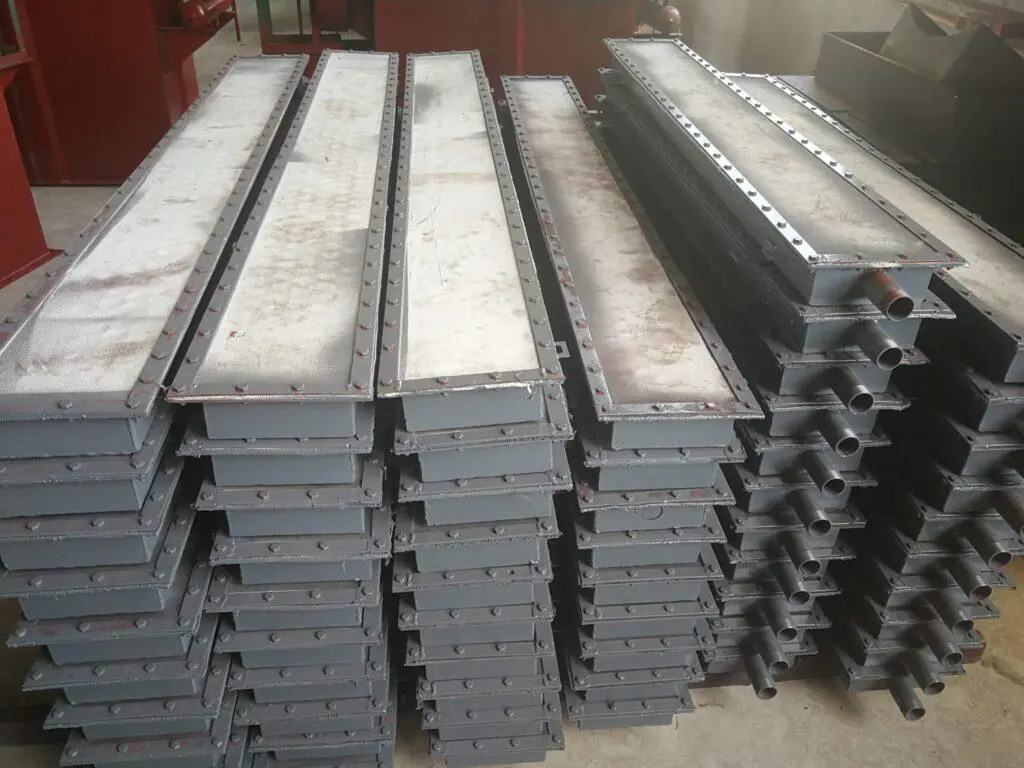
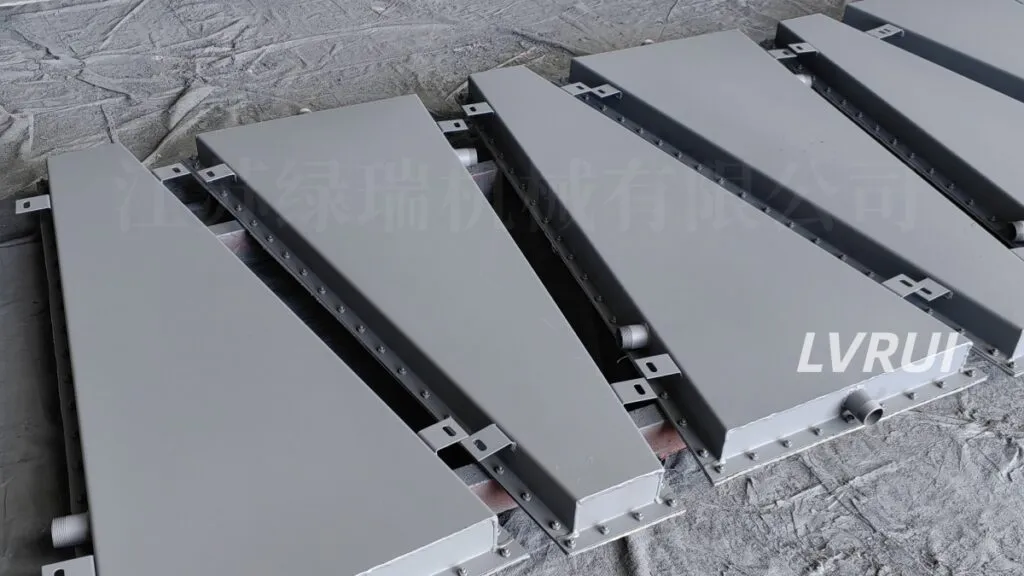
Comprehensive guide on air slide conveyor cost ROI, investment, and efficiency for cement, fly ash, lime, and bulk powder handling.
Panduan lengkap tentang air slide conveyor cost ROI, investasi, dan efisiensi untuk semen, fly ash, kapur, dan bahan bubuk curah.
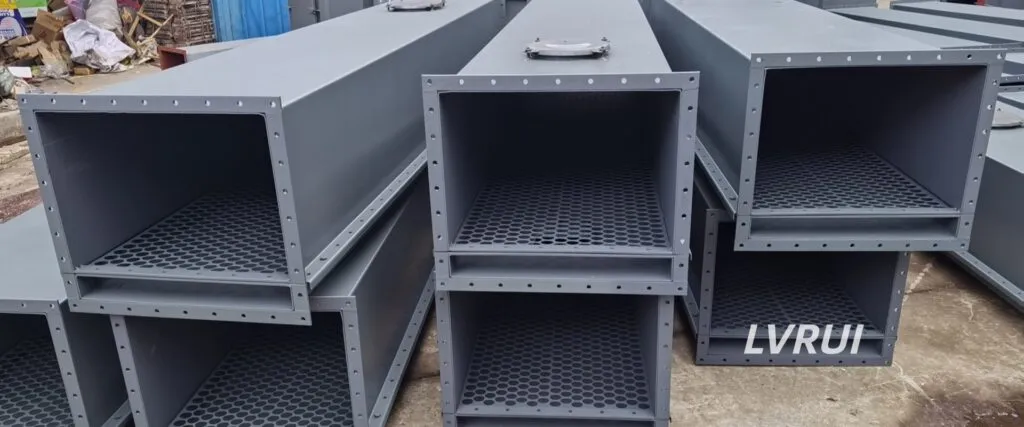
Introduction to Air Slide Conveyor Costs
When evaluating air slide conveyor cost ROI, plant engineers must consider all cost components: equipment purchase, installation, energy consumption, and preventive maintenance. Understanding these factors helps optimize the investment and improves long-term operational efficiency.
ROI Calculation and Payback
To calculate the air slide conveyor cost ROI, combine total investment—including purchase, installation, and maintenance—with expected energy savings and productivity gains. For most cement plants, a properly designed air slide conveyor can achieve payback within 1–3 years, maximizing efficiency and reducing downtime.
Cost Optimization Strategies
Maximizing air slide conveyor cost ROI involves selecting the right model for material type, comparing suppliers, and implementing preventive maintenance. Energy-efficient design and proper airflow configuration also significantly improve ROI while reducing operational costs in cement, fly ash, and lime handling.
Related: What Is an Air Slide Conveyor? Complete Beginner’s Guide
Components of Total Cost
The total cost and ROI of an air slide conveyor can be divided into several key components:
1. Purchase Cost
The initial purchase cost strongly affects air slide conveyor cost ROI. Selecting high-quality steel and anti-wear coatings may increase upfront cost but reduces maintenance expenses, improving ROI over the system’s life.
2. Installation Cost
Professional installation ensures optimal performance and minimizes downtime, which is critical for maintaining high ROI. Proper setup of blowers, airflow, and integration with existing plant infrastructure improves air slide conveyor cost ROI.
3. Maintenance and Spare Parts
Routine preventive maintenance, replacement of fabric pads, and monitoring blower performance are essential. Reducing downtime directly enhances air slide conveyor ROI and long-term savings.
See: Air Slide Conveyor Material Compatibility Guide: Cement, Fly Ash, Lime, and More
Energy Consumption and Savings
Energy efficiency is a key factor in air slide conveyor cost ROI. Air slide conveyors rely on low-pressure air to fluidize materials, reducing energy costs compared to mechanical conveyors.
Key considerations:
- Proper blower sizing and airflow rate
- Optimizing system layout to minimize energy loss
- Regular monitoring of pressure and airflow conditions
Maintenance and Downtime Impact
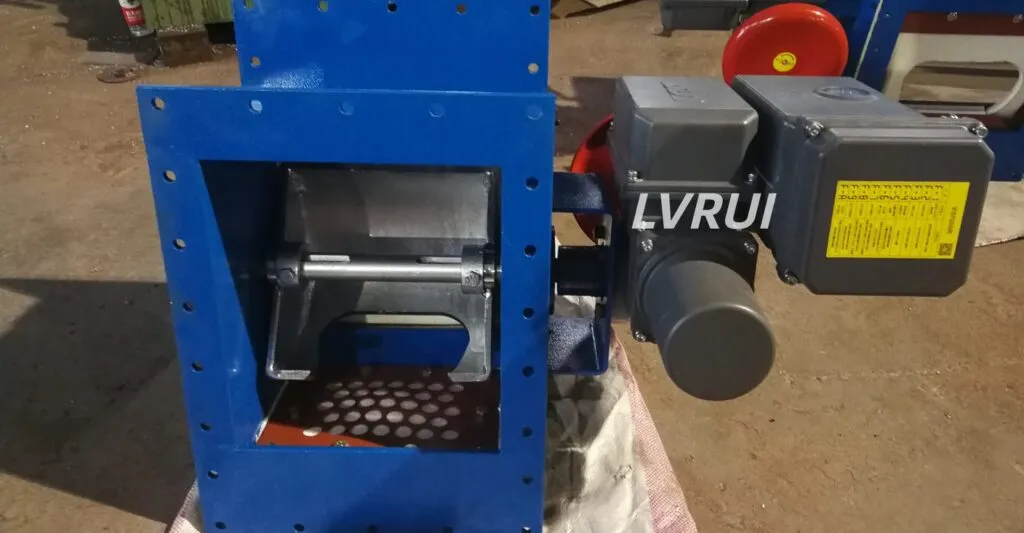
Maintenance and unplanned downtime significantly affect air slide conveyor cost ROI. Implementing a scheduled preventive maintenance plan helps maintain consistent material flow and protects ROI.
Tips:
- Inspect airflow pads and blower systems weekly
- Keep spare parts inventory for quick replacement
- Monitor airflow and material consistency for early warning signs
ROI Calculation and Payback Period
To calculate air slide conveyor cost ROI:
- Sum total costs (purchase + installation + maintenance)
- Estimate energy savings and productivity gains
- Divide net gains by total investment
Typical payback periods range from 12–36 months, depending on plant scale and material handling frequency. High-capacity plants handling cement, fly ash, or lime usually achieve faster ROI due to reduced downtime and energy savings.
See: Industrial Energy Efficiency Tips
Cost Optimization Tips for Cement Plants
- Choose the right model for your material and throughput
- Compare multiple suppliers for cost vs. long-term reliability
- Optimize layout and airflow to reduce energy consumption
- Implement preventive maintenance to minimize downtime
- Train staff for efficient operation and quick troubleshooting
Conclusion and Recommendations
Optimizing air slide conveyor cost ROI requires careful consideration of purchase, installation, maintenance, and energy efficiency. By following best practices and preventive maintenance, cement plants can achieve high ROI, reliable operations, and reduced operational costs.
FAQ About Air Slide Conveyor Cost ROI
What factors affect the air slide conveyor cost ROI in cement plants?
Air slide conveyor cost ROI depends on purchase price, installation, preventive maintenance, energy use, and material type (cement, fly ash, lime). Considering these factors ensures optimal investment and efficient bulk powder handling.
How to calculate the ROI of an air slide conveyor system?
To calculate air slide conveyor cost ROI, sum total costs (equipment + installation + maintenance) and compare with energy savings, reduced downtime, and productivity gains. This ensures accurate ROI for cement, fly ash, and lime handling.
What is the typical payback period for air slide conveyors?
A well-designed system achieves a payback period of 1–3 years. Optimizing airflow, preventive maintenance, and energy efficiency improves air slide conveyor cost ROI and reduces operational expenses.
Can air slide conveyors help reduce energy consumption and maintenance costs?
Yes. Energy-efficient air slide conveyors minimize blower usage and material buildup. Implementing scheduled maintenance reduces downtime and maximizes air slide conveyor cost ROI for cement, lime, and fly ash systems.
Which materials are compatible with air slide conveyors for cost-effective operation?
Air slide conveyor cost ROI improves when using compatible materials like cement, fly ash, lime, and other bulk powders. Material properties such as particle size, density, and flowability directly affect cost and efficiency.
What strategies optimize air slide conveyor ROI in bulk powder handling systems?
Strategies to enhance air slide conveyor cost ROI include selecting the right model, comparing suppliers, implementing preventive maintenance, monitoring energy use, and adjusting airflow for material characteristics.
CTA
Need a reliable Air Slide Conveyor for your cement or powder handling system? Contact LVRUI today at info@lvrui-conveyor.com or visit lvrui-conveyor.com.
- Expert quotation within 12 hours
- Factory-direct quality control
- Engineering and system support
- Stable overseas delivery
Indonesian Short Version
Artikel ini membahas biaya total, pemeliharaan, penghematan energi, dan ROI dari Air Slide Conveyor untuk semen, fly ash, dan kapur. Panduan ini membantu meningkatkan efisiensi dan mengurangi downtime di pabrik.