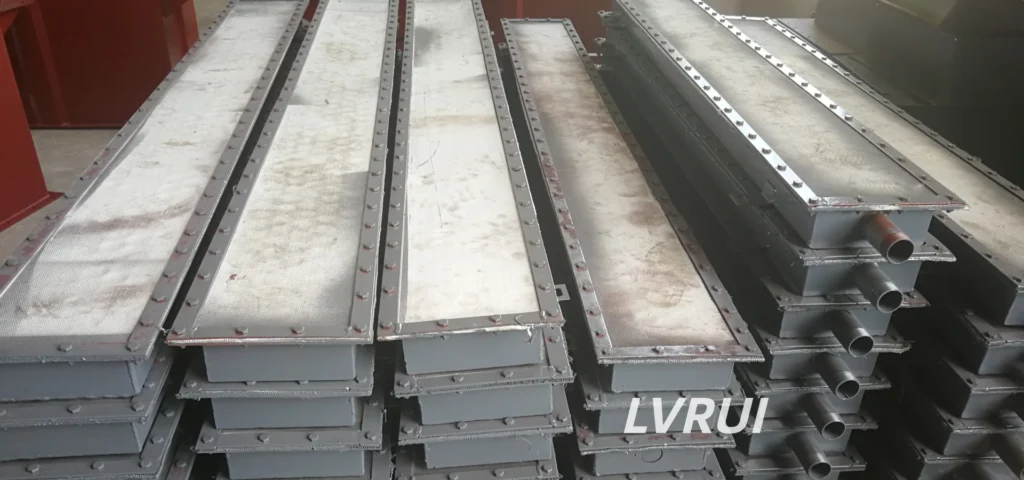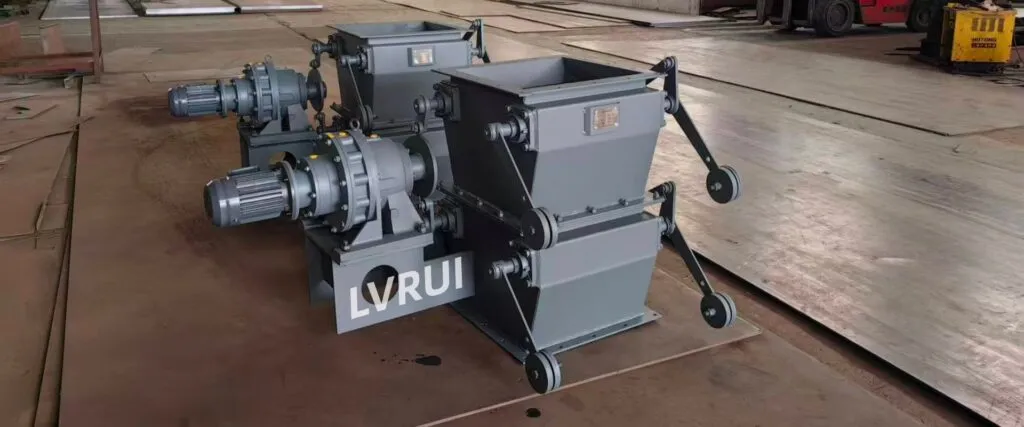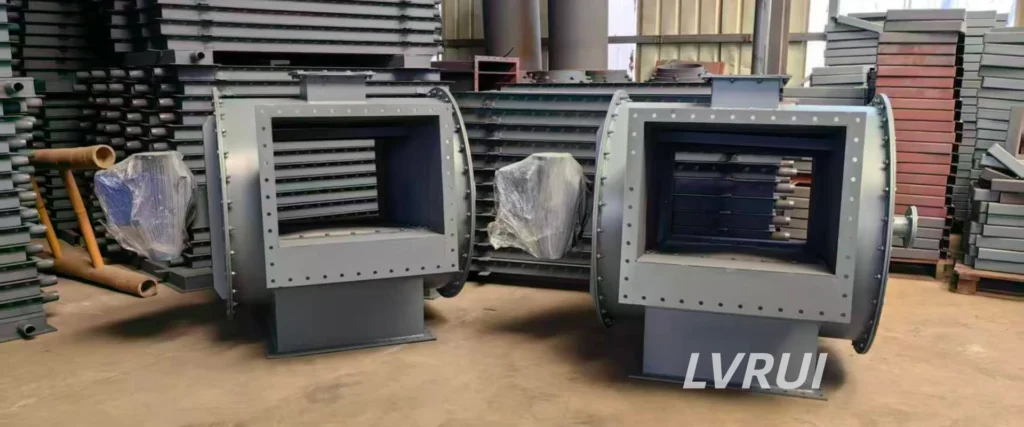
Air slide diverter valves are used in cement plants to change the direction of dry powder transported through air slide conveyor systems. Depending on the conveying layout, different valve configurations can be used to redirect material between conveying routes or discharge it into a silo below.
The two main air slide diverter types are circular three-way diverter valves and T-type two-way diverter valves. Although both are used with air slide conveyors, their flow arrangements and installation applications are different.
Understanding these differences helps engineers select a suitable diverter valve for their conveying systems.
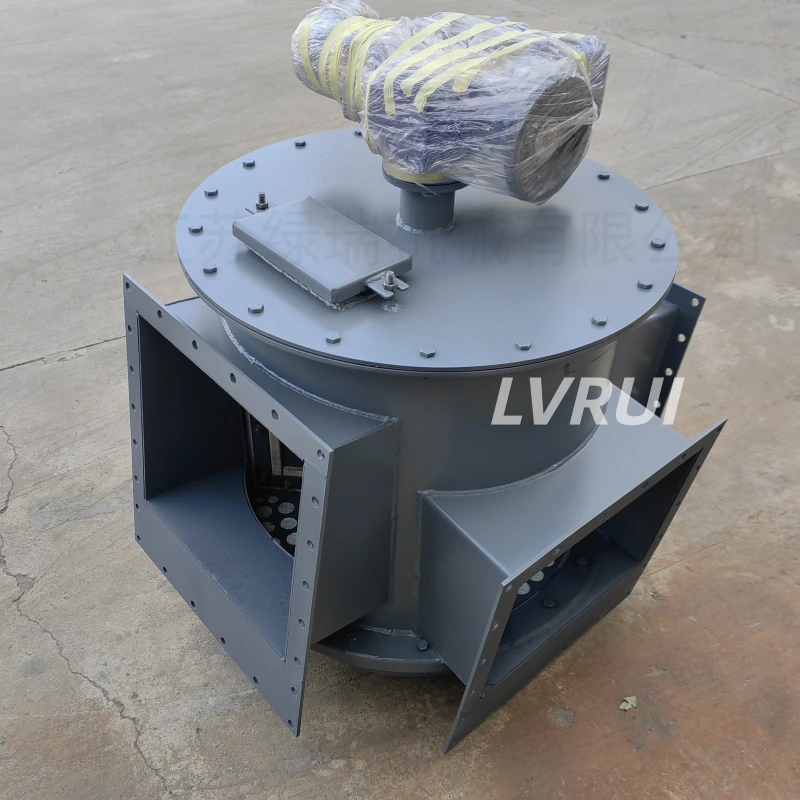
1. Circular Three-Way Air Slide Diverter Valve
Circular three-way diverter valves are used when material needs to be directed between different conveying routes.
They are available in two main connection arrangements:
- One inlet and two outlets.
- Two inlets and two outlets.
In a two-inlet, two-outlet arrangement, each inlet can be directed to either outlet according to the required material routing configuration.
The angle between the two outlets can also be customized to match the actual air slide conveyor layout.
There are two main internal switching designs:
Valve Plate Type
This design changes the direction of the incoming material through a movable valve plate. Its internal construction is relatively simple and suitable for standard material routing applications.
Curved Valve Core Type
This design uses a curved internal valve core to change the selected material outlet. Compared with the valve plate design, it generally provides better sealing performance, although its internal structure is more complex.
Circular three-way diverter valves can be equipped with electric, pneumatic, or manual drives according to the operating and control requirements.
2. T-Type Two-Way Air Slide Diverter Valve
T-type two-way diverter valves have one inlet and two outlets:
- One straight-through outlet for continuing material conveying.
- One downward outlet for discharging material into a silo or hopper below.
They are typically installed in the middle of an air slide conveyor where a downward discharge point is required.
The material flow direction is changed by a movable aerated flap inside the valve. The flap incorporates a perforated plate and an independent air chamber underneath.
This arrangement allows the material to be directed either along the original conveying route or toward the downward discharge outlet.
The independent air chamber can be connected to the existing air slide blower, provided the available airflow and operating pressure are sufficient.
Two T-Type Body Designs
T-type diverter valves are available in rectangular and circular body configurations.
- Rectangular Type: Has a relatively simple body structure and slightly lower sealing performance compared with the circular design.
- Circular Type: Uses a round body configuration and generally provides better sealing performance.
Both configurations can be equipped with electric, pneumatic, or manual drives.
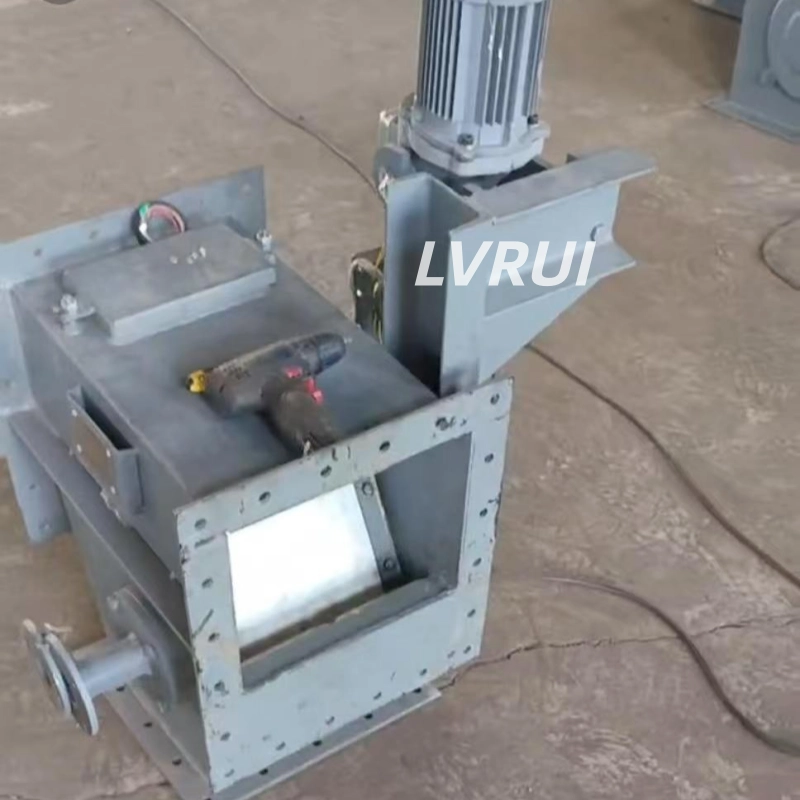
3. Main Differences Between the Two Air Slide Diverter Types
The main difference is their material flow arrangement and intended installation application.
| Feature | Circular Three-Way | T-Type Two-Way |
|---|---|---|
| Inlet arrangement | One or two inlets | One inlet |
| Outlet arrangement | Two outlets | Straight and downward outlets |
| Main function | Change between conveying routes | Continue conveying or discharge downward |
| Internal design | Valve plate or curved valve core | Movable aerated flap |
| Body configuration | Circular | Rectangular or circular |
| Drive options | Electric, pneumatic, manual | Electric, pneumatic, manual |
A circular three-way diverter is generally selected when material needs to be redirected between different air slide conveying routes.
A T-type two-way diverter is more suitable when an existing conveying line needs an additional downward discharge point, such as feeding a silo underneath the air slide.
4. How to Choose the Right Air Slide Diverter Valve
Before selecting a diverter valve, consider the following factors:
Material Flow Direction
Determine whether the system requires switching between different conveying routes or discharging material downward into a silo.
Installation Layout
Check the number of inlets and outlets, connection dimensions, outlet direction, and available installation space.
Sealing Requirements
Consider the required sealing performance when selecting between the different internal structures and body configurations.
Aeration Air Supply
For a T-type diverter, check whether the existing air slide blower has sufficient airflow and pressure to supply the additional aeration chamber without affecting the original conveying system.
For further technical background on fluidized powder flow and airflow conditions in air slide conveyors, see this research on airslide modelling for fine powder transport.
Drive Method
Select electric, pneumatic, or manual operation according to the required control method, switching frequency, and site conditions.
Correct selection should be based on the complete conveying arrangement rather than the valve shape alone. For a broader understanding of flow-routing devices and equipment interfaces within a complete conveying line, see our Air Slide Conveyor System Design Guide.
5. Typical Applications
Air slide diverter valves are commonly used in cement and dry powder handling systems, including:
- Cement powder distribution and silo feeding systems.
- Raw meal conveying lines.
- Fly ash conveying systems.
- Mineral powder handling systems.
- Multiple-silo feeding arrangements.
- Air slide conveyors with intermediate discharge points.
They provide flexible material routing and help connect different conveying and storage equipment within a cement plant.
For more information about air slide conveying equipment, visit our Air Slide Conveyor page.
Air Slide Diverter Types FAQs
What are the two main types of air slide diverter valves?
The two main air slide diverter types are circular three-way diverter valves and T-type two-way diverter valves. They differ mainly in their material flow arrangements and installation applications.
What is the difference between a circular three-way valve and a T-type valve?
A circular three-way valve redirects material between two outlets, while a T-type valve allows material to continue straight through or discharge downward into a silo or hopper.
Can air slide diverter valves use different drive methods?
Yes. Both types can be configured with electric, pneumatic, or manual drives.
Can a T-type diverter use the existing air slide blower?
Yes. Its independent aeration chamber can use the existing blower through a suitable air connection, provided the available airflow and pressure are adequate.
Need an Air Slide Diverter Valve for Your Cement Plant?
Jiangsu LVRUI Machinery Co., Ltd. provides customized air slide diverter valves for cement plants and dry powder conveying systems.
Contact our team to compare different air slide diverter types and identify a suitable configuration based on your air slide dimensions, required flow directions, installation layout, and preferred drive method.
For product configurations and customization options, visit our Air Slide Diverter page.
Contact Jiangsu LVRUI Machinery Co., Ltd.
Telephone / WhatsApp: +86-18261998937
Website: https://lvrui-conveyor.com/
Email: info@lvrui-conveyor.com