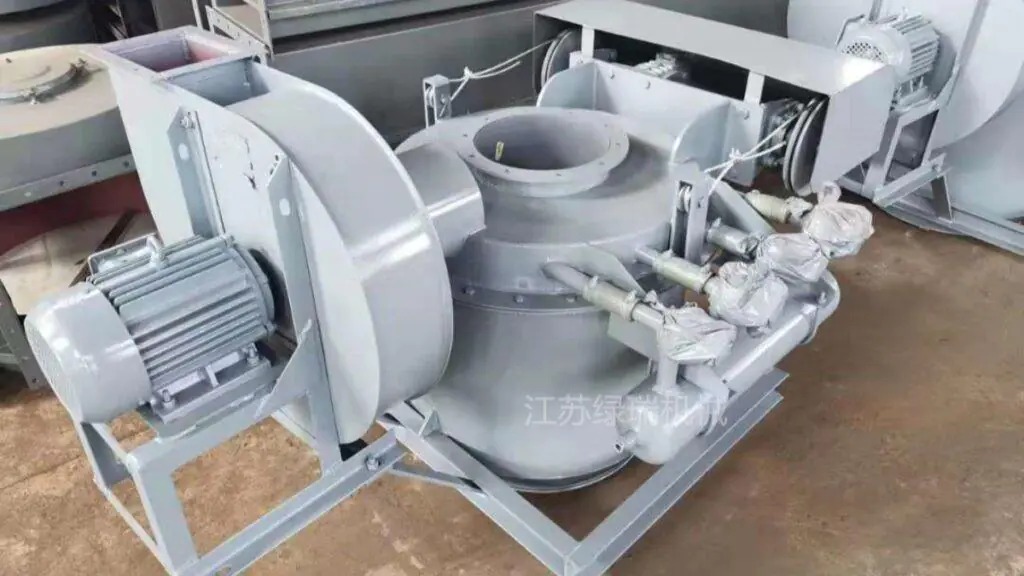
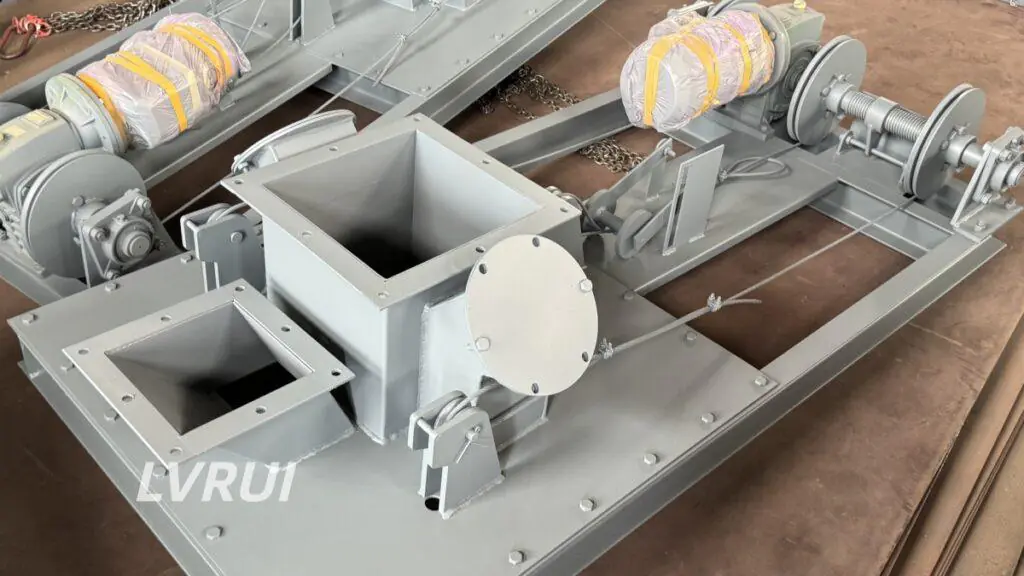
Ensuring Zero-Dust Bulk Material Transfer in Cement Plants and Powder Handling Facilities
Memastikan Pemindahan Material Massal Bebas Debu di Pabrik Semen dan Fasilitas Penanganan Serbuk
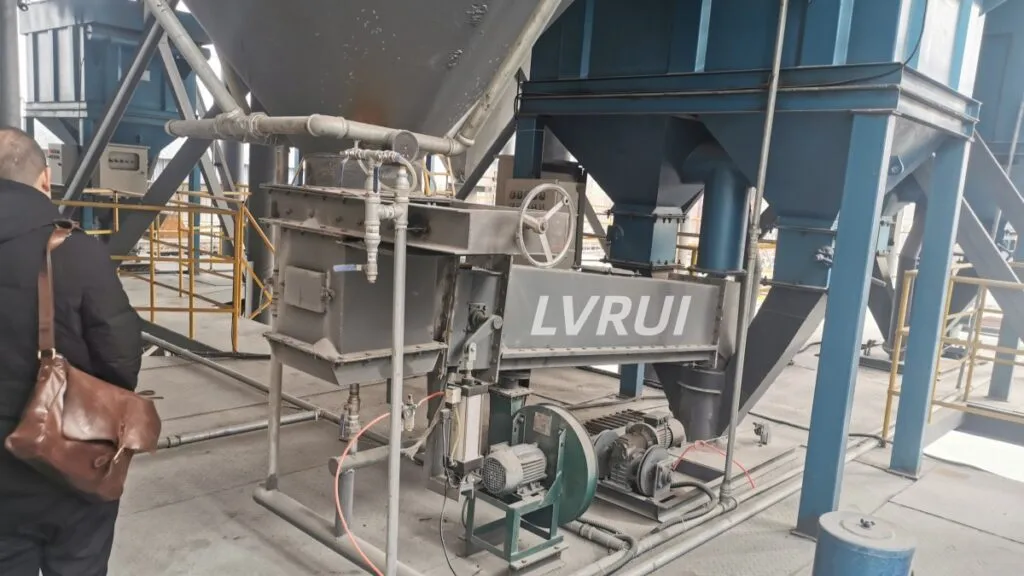
How do these chutes achieve zero-dust loading?
Cement plant zero dust telescopic chutes by LVRUI are engineered to prevent dust emissions during bulk material handling in cement plants and powder facilities. Key features include:
- Fully enclosed telescopic structure with flexible bellows
- Controlled material velocity using internal cones
- Active dust extraction via integrated suction channels
- Automatic height adjustment using tilt or rotary level sensors
Telescopic Loading Chute Engineering Guide
Why Dust Control Matters in Cement Plants
Dust in cement plants leads to:
- Material loss and segregation
- Environmental compliance issues
- Safety risks
LVRUI telescopic chutes ensure continuous, dust-free transfer from silos to trucks or railcars.
Core Technologies Behind Zero-Dust Performance
A. Fully Enclosed Telescopic Structure
- Heavy-duty outer bellows create sealed pressure zones
- Material flows isolated from external wind and air currents
B. Controlled Material Velocity (Anti-Turbulence)
- Stackable internal cones reduce free-fall velocity
- Prevents “impact dust” at container bottom
C. Active Dust Extraction & Filtration
- Dual-wall suction channel captures airborne particles
- Integrates with bag filters or central dust collection systems
- Slight negative pressure ensures particles return to system
D. Intelligent Level Sensing & Auto Height Adjustment
- Sensors automatically adjust chute skirt
- Maintains tight contact with material pile to prevent dust escape
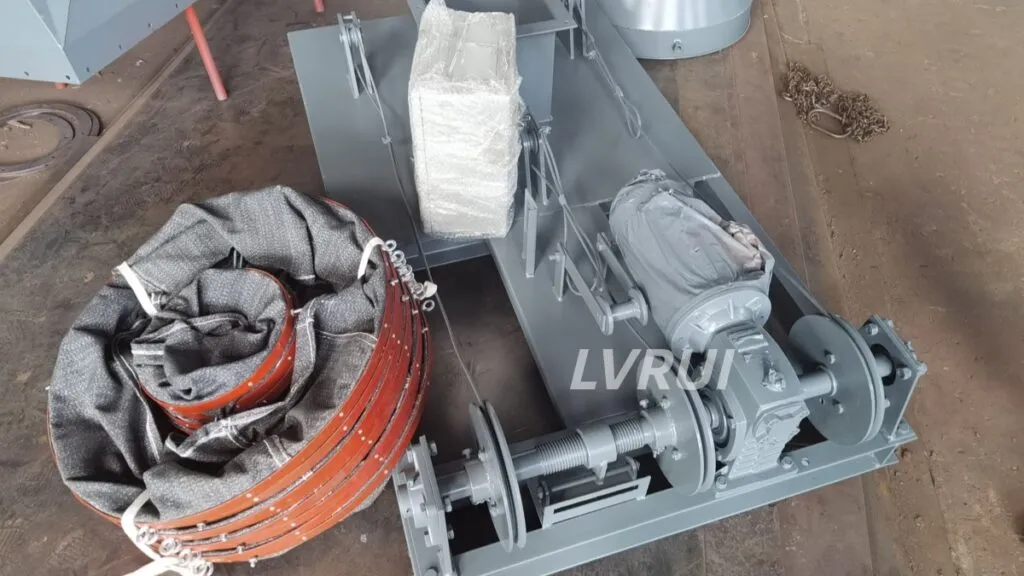
Comparison: Traditional vs LVRUI cement plant zero dust telescopic chutes
| Feature | Open Chute Loading | LVRUI Zero-Dust Telescopic Chute |
|---|---|---|
| Dust Emission | High (up to 5% material loss) | Near Zero |
| Material Integrity | Segregation | Maintained (Controlled Flow) |
| Safety Compliance | OSHA / Environmental fines risk | Meets ISO 14001 & Safety Standards |
| Loading Speed | Limited by dust suppression | High-speed continuous loading |
| Cleanup Cost | Frequent and costly | Minimal maintenance required |
Industrial Applications
- Chemicals: Hazardous powder handling
- Cement & Fly Ash: High-volume truck/rail loading
- Mining: Minerals and ores
- Agriculture: Dust-free grain/fertilizer transfer
Technical FAQ: Real-World Operational Challenges
Can these chutes handle abrasive materials like clinker or coal?
Yes. Internal cones are lined with Hardox steel, ceramics, or high-polyurethane to ensure extended service life and dust-tight transfer. LVRUI telescopic chutes maintain material integrity even under heavy-duty abrasive loads.
CEMA – Conveyor Equipment Manufacturers Association
How do they perform in high-wind environments?
Reinforced bellows prevent chute swaying and dust leakage, ensuring stable and dust-free operation even under strong winds.
Can existing silos retrofit these chutes?
Yes. The modular design allows integration with silo bottom outlets, slide gates, and flow control valves, making retrofits simple for existing bulk material systems.
What maintenance is required?
Minimal. Periodic inspection of bellows and sensors is sufficient to maintain continuous zero-dust operation and reliable performance.
Which industries benefit most?
Cement, fly ash, mining, and agriculture industries benefit from safe, efficient, and dust-free bulk material handling using LVRUI cement plant zero dust telescopic chutes. This ensures optimized cement and powder handling with reduced material loss and improved operational efficiency.
How do cement plant zero dust telescopic chutes improve operational efficiency and safety?
By combining controlled material flow, automatic skirt adjustment, and active dust extraction, LVRUI chutes reduce loading cycle time, minimize material spillage, and protect operators from dust exposure, enhancing both productivity and workplace safety. These features make them ideal for bulk material handling in cement plants and powder facilities.
Conclusion & CTA
Partner with LVRUI for Cleaner Cement Plant Operations
LVRUI zero-dust telescopic chutes combine enclosed structures, velocity control, and dust extraction to protect workers, improve efficiency, and maintain environmental compliance.
Need a custom cement plant zero dust telescopic chutes solution? Contact LVRUI Engineering Team Today for consultation and quotation.
Visit: lvrui-conveyor.com
Ringkasan (Bahasa Indonesia)
Bagaimana cara telescopic loading chute bebas debu bekerja di pabrik semen?
Sistem LVRUI menggabungkan struktur tertutup, kontrol kecepatan material melalui kerucut internal, dan sistem penghisap debu terintegrasi. Sensor otomatis menjaga ujung chute menempel pada tumpukan material, memastikan pemindahan bebas debu. Solusi ini efektif untuk semen, fly ash, dan material curah lainnya secara aman dan efisien.