(EN)Aeration Pads for Cement Silos – Working Principles, Applications, and Selection Guide
(ID)Aeration Pads untuk Silo Semen – Prinsip Kerja, Aplikasi, dan Panduan Pemilihan
1. Introduction: Flow Challenges in Cement Silos
Cement silos are widely used for storing cement, fly ash, raw meal, and other fine powders in cement plants and bulk material handling facilities. However, due to the fine particle size, moisture sensitivity, and high bulk density of cement, flow problems are extremely common during silo discharge.
Due to the fine particle size, cohesion, and moisture sensitivity of cement, material flow inside silos is often unstable. Issues such as arching and rat-holing are closely related to powder flow behavior in silos, which is a well-known challenge in bulk material handling systems.
2. What Are Aeration Pads? – Working Principles Explained
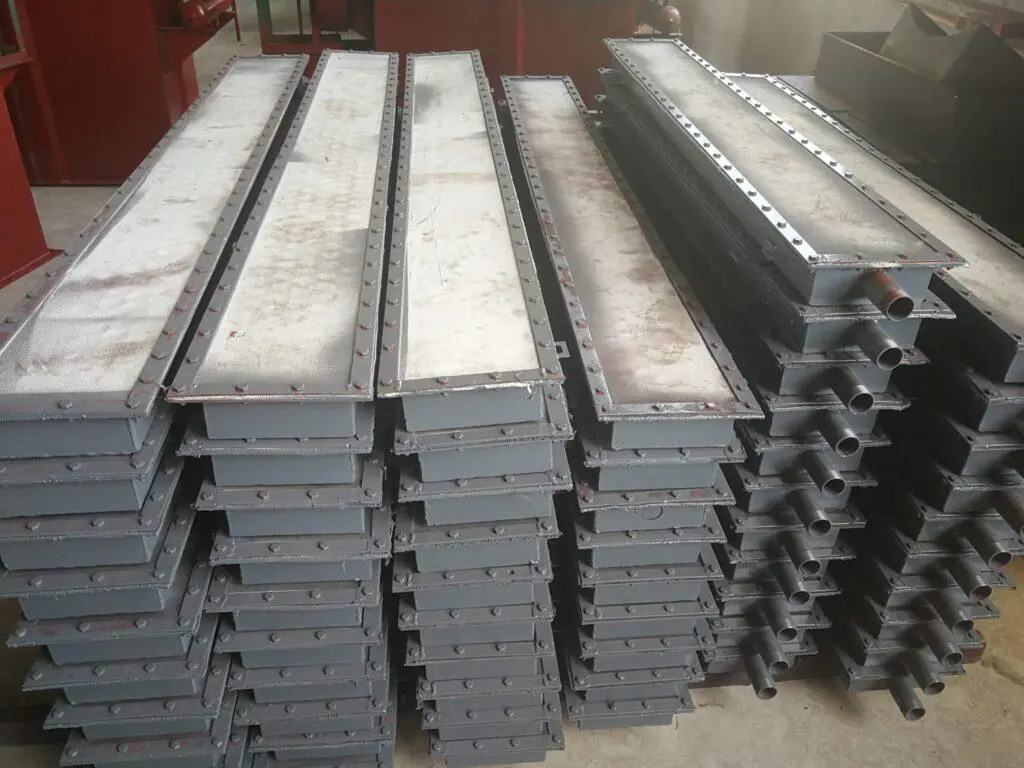
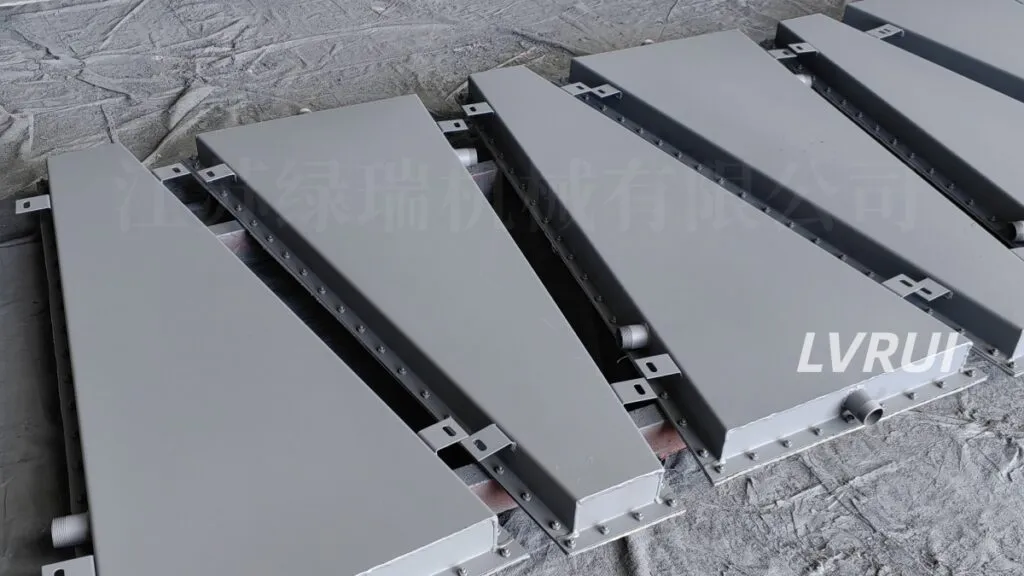
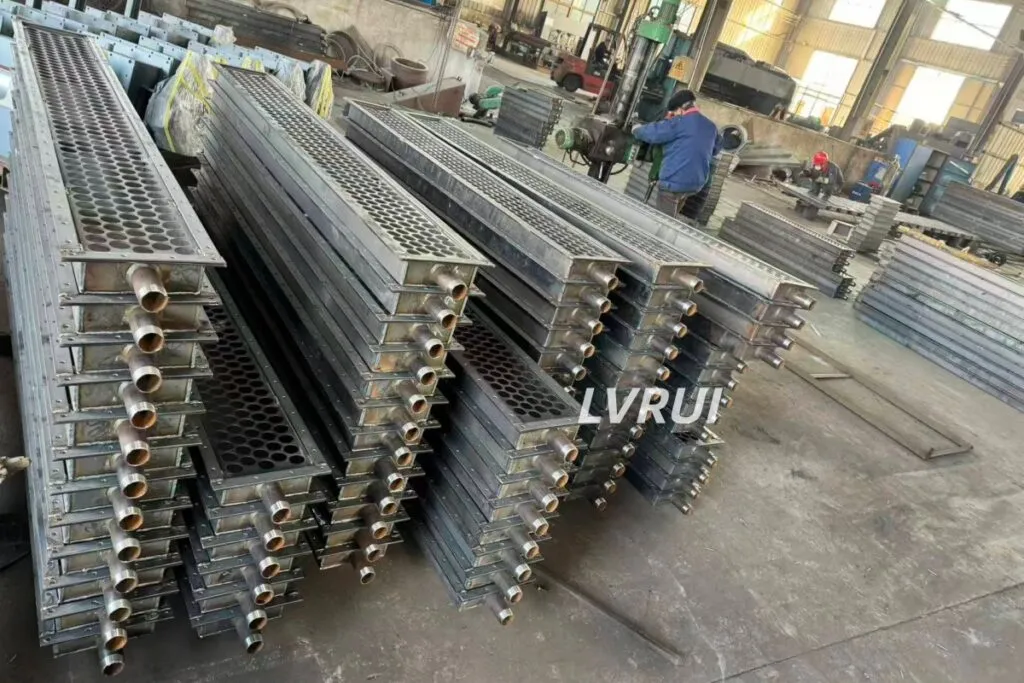
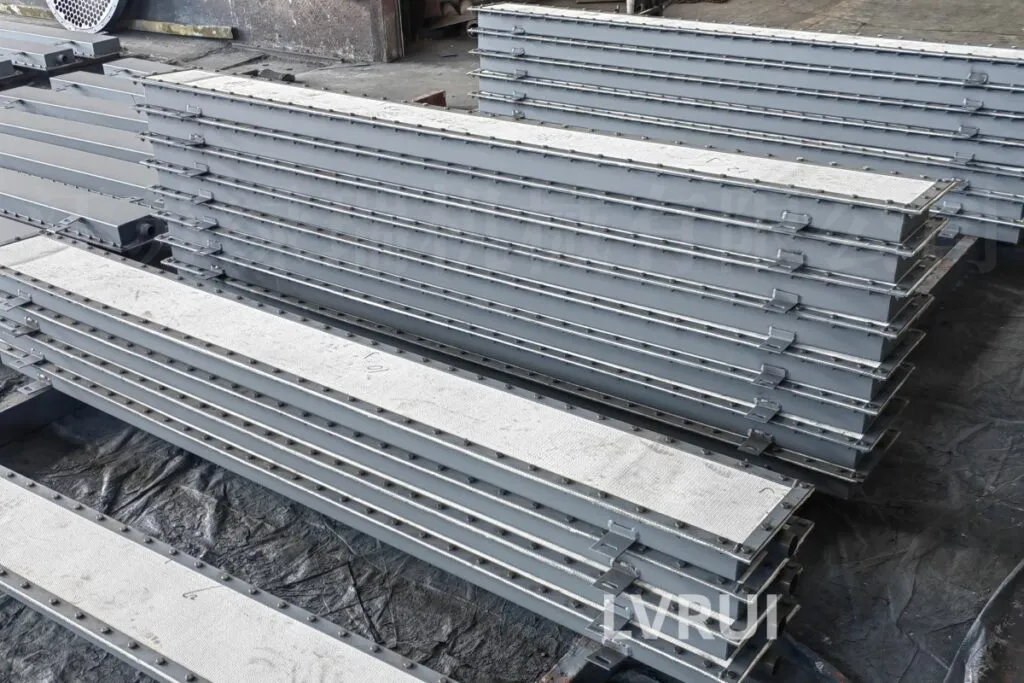
Aeration pads, also known as air fluidization pads or air pads, are devices installed on the cone or bottom section of cement silos. They consist of a metal housing and a high-quality porous fabric membrane.
When low-pressure air is supplied to the aeration pad, air passes uniformly through the porous membrane and enters the cement powder. This airflow reduces inter-particle friction and transforms the cement from a static state into a fluidized or semi-fluidized state. As a result, the material flows more freely toward the silo outlet.
Unlike mechanical flow aids, aeration pads introduce energy gently and evenly, minimizing material degradation and structural stress on the silo.
3. Typical Applications of Aeration Pads in Cement Silos
Aeration pads are commonly applied in several key areas of cement silo systems:
- Cement silo cone sections to promote mass flow
- Silo discharge zones above flow control devices
- Interfaces between silos and pneumatic conveying equipment
- Areas prone to material buildup or arching
In practical applications, aeration pads for cement silos are strategically installed to ensure consistent material flow and reliable silo discharge performance.
In many installations, aeration pads work together with an Air Slide Conveyor to ensure smooth and continuous material transfer from storage to conveying systems.
4. Key Benefits of Using Aeration Pads in Cement Silo Systems
Aeration pads provide multiple operational advantages in cement silo discharge applications:
✔ Improved material flow stability
✔ Reduced risk of arching and blockage
✔ Lower load on downstream valves and conveyors
✔ Enhanced consistency in pneumatic conveying systems
✔ Reduced need for manual intervention
✔ Low energy consumption due to low-pressure air operation
By stabilizing material flow, aeration pads also help protect downstream equipment such as flow control gates and rotary valves from excessive wear and overload.
5. Selection Considerations for Cement Silo Aeration Pads
Selecting the right aeration pads is essential for reliable operation. Key factors to consider include:
- Cement type and particle size distribution
- Moisture content and storage conditions
- Required air pressure and air quality
- Installation position and spacing
- Compatibility with existing silo and conveying system design
For systems feeding into pneumatic equipment such as air slide conveyors, proper matching of aeration intensity is critical to maintain stable flow without over-fluidization.
From an engineering perspective, aeration pads for cement silos must be carefully selected to match material properties, silo geometry, and downstream conveying systems.
6. Installation and Maintenance Best Practices
Proper installation ensures the long service life of aeration pads:
- Install aeration pads evenly around the silo cone
- Ensure correct orientation and secure mounting
- Use clean, dry air to prevent fabric clogging
- Avoid excessive air pressure that may disturb material flow
Regular inspection of the porous fabric and air supply lines helps maintain consistent performance and prevents unexpected downtime.
7. Aeration Pads vs Other Anti-Blocking Solutions
Compared with other silo flow-aid devices, aeration pads offer distinct advantages:
- Versus air cannons: continuous and gentle operation
- Versus mechanical agitators: no moving parts and lower maintenance
- Versus vibrators: reduced structural stress on the silo
This makes aeration pads especially suitable for continuous cement production environments where reliability is critical.
8. Conclusion
Aeration pads are a fundamental yet highly effective solution for improving cement silo discharge performance. By fluidizing cement powder at critical zones, they reduce flow problems, stabilize discharge rates, and protect downstream conveying equipment. When properly selected and installed, aeration pads significantly enhance the reliability and efficiency of cement silo systems.
When properly selected and installed, aeration pads for cement silos significantly improve operational stability and long-term system efficiency.
Indonesian Short Version
Aeration pads digunakan pada silo semen untuk meningkatkan aliran material dan mencegah masalah seperti penggumpalan dan penyumbatan. Dengan memasukkan udara bertekanan rendah melalui membran berpori, aeration pads membantu mengubah semen menjadi kondisi terfluidisasi sehingga proses pengosongan silo menjadi lebih stabil dan efisien. Sistem ini banyak digunakan bersama air slide conveyor dan peralatan pengangkutan pneumatik lainnya di pabrik semen.
Need a reliable aeration pads solution for your cement silo system?
Contact LVRUI today for expert technical support and fast quotation.
📧 Email: info@lvrui-conveyor.com
🌐 Website: https://www.lvrui-conveyor.com