Understanding Air Slide Fabric for Smooth Conveying in Cement Plants
Memahami Kain Air Slide untuk Sistem Transportasi Bubuk di Pabrik Semen
Introduction
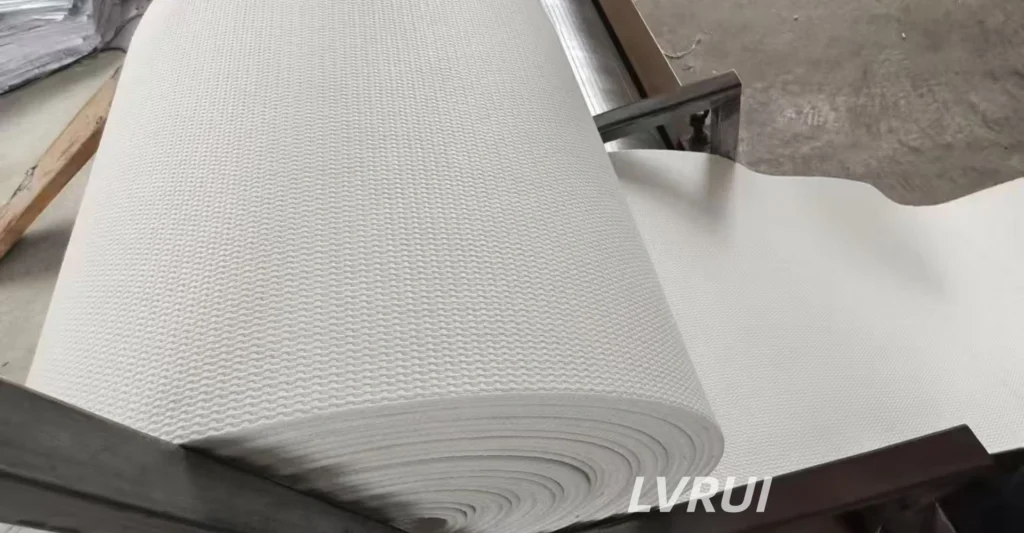
Air slide fabric—also called air slide canvas, fluidization fabric, or air permeable cloth—is a core component of air slide conveying systems used in cement, fly ash, alumina, and other powder handling systems. It enables smooth, low-friction, and continuous conveying through aerodynamic fluidization.
In this article, you will learn what air slide fabric is, how it works, available material options, key advantages, and where it is commonly applied in cement and bulk powder handling systems.
What Is Air Slide Fabric?
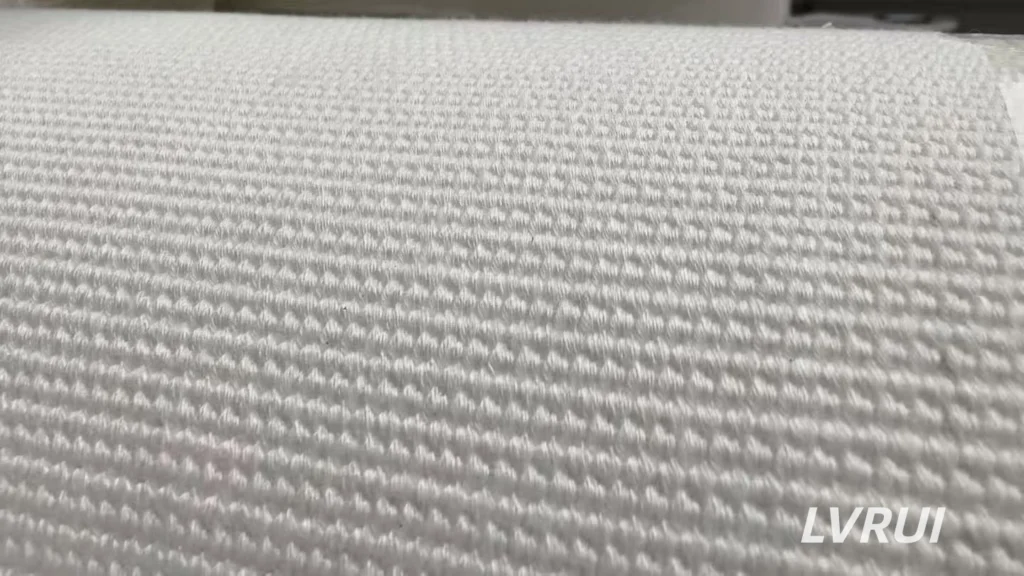
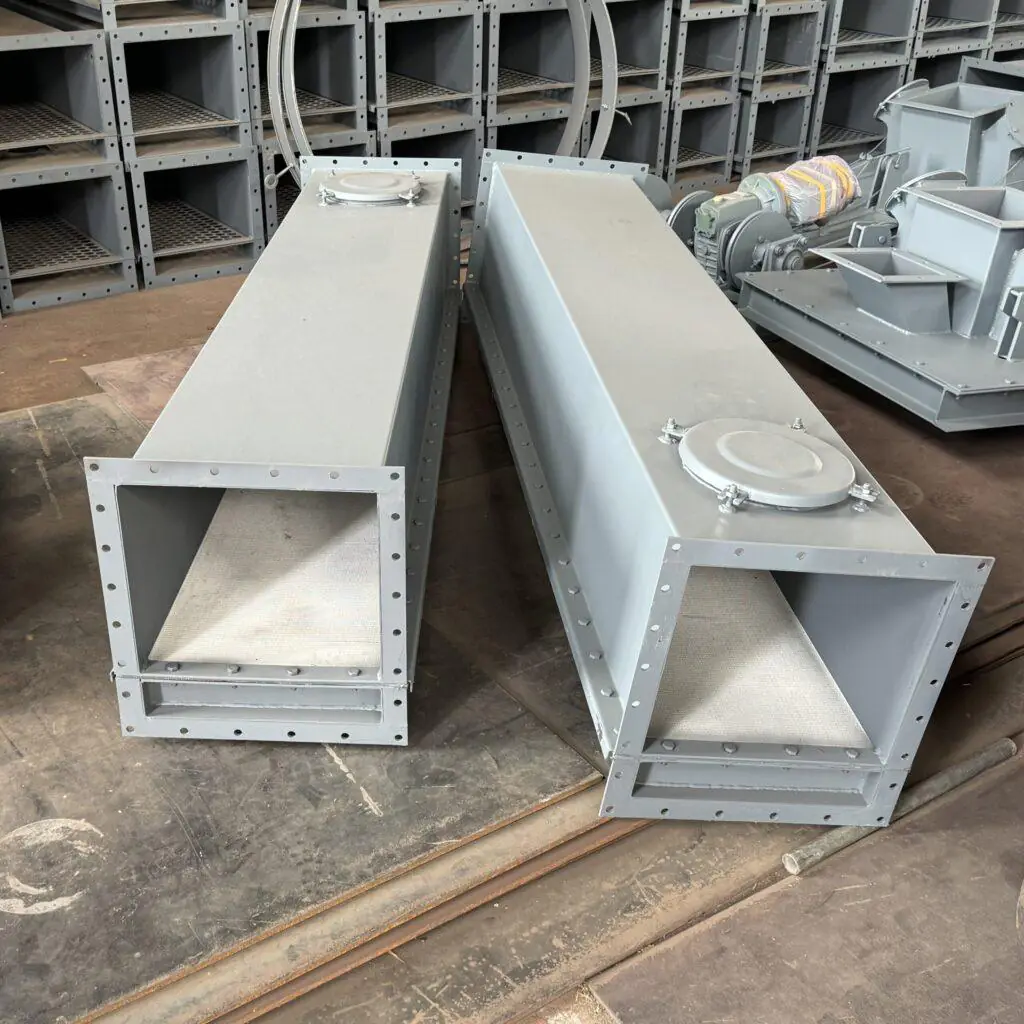
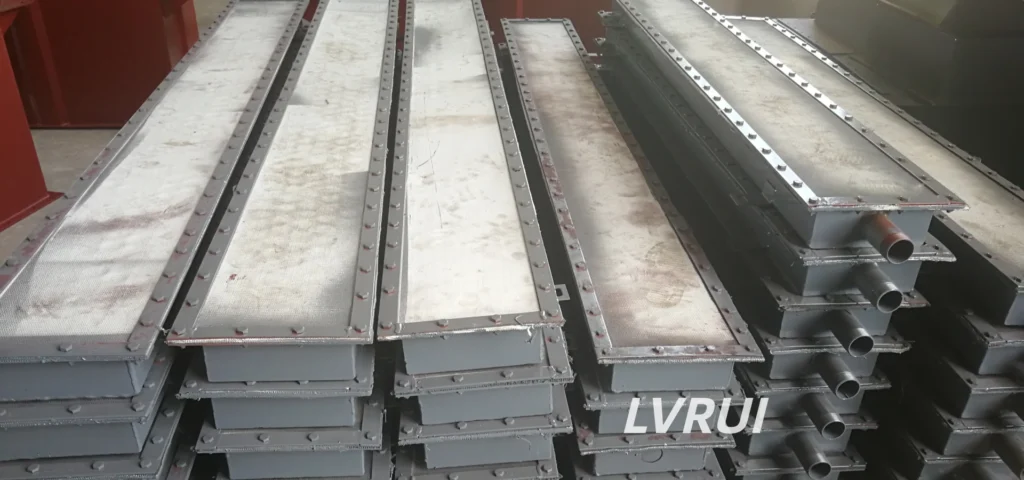
Air slide fabric is a high-strength, air-permeable textile installed between the upper material chamber and the lower air chamber of an air slide conveyor. Compressed air passes through the fabric, fluidizing powder materials and allowing them to flow easily along the sloped chute with minimal friction.
Common industry names include:
- Air slide canvas
- Air slide cloth
- Fluidization fabric
- Air permeable belt
- Pneumatic conveying fabric
It is widely used for conveying cement, fly ash, alumina, lime powder, and similar dry bulk materials.
How Air Slide Fabric Works (Working Principle)
The working principle is simple yet highly effective:
- Compressed air enters the lower chamber.
- Air passes uniformly through the air slide fabric.
- Powder material above becomes fluidized.
- Material flows continuously along the slightly inclined chute (typically 6–12°) by gravity.
This results in a low-energy, dust-free, and maintenance-free conveying system compared to mechanical conveyors.
Material Options for Air Slide Fabric
Different applications require different fabric materials. The common types include:
① Polyester Air Slide Fabric (PES)
- Most widely used
- High strength and durability
- Good heat resistance
- Excellent cost-performance ratio
- Suitable for cement and fly ash applications
② Aramid Air Slide Fabric (Nomex)
- High temperature resistance up to 250°C
- Suitable for high-temperature clinker or hot material conveying
- Superior mechanical wear resistance
③ Cotton or Blended Fabrics
- Traditional material
- Lower cost
- Used in certain low-temperature applications
Key Advantages of Air Slide Fabric
Air slide canvas delivers several benefits for industrial conveying:
- ✔ Uniform air permeability
- ✔ High tensile strength
- ✔ Excellent abrasion resistance
- ✔ Stable performance under continuous operation
- ✔ Long service life
- ✔ Easy replacement and installation
- ✔ Dust-free, low-maintenance operation
These advantages make it ideal for cement plants, power plants, and bulk powder terminals.
Common Applications
Air slide canvas is widely used across the bulk material handling system:
- Cement air slide conveyor
- Silo bottom fluidization system
- Cement packing plant feeding
- Bulk loading systems (truck and ship loaders)
- Clinker, fly ash, alumina conveying
- Blending and homogenizing systems
Any powder material requiring continuous, smooth flow can benefit from air slide canvas.
See: cement silo discharge system
Why Choose LVRUI Air Slide Fabric?
LVRUI supplies high-quality air slide canvas with:
- Uniform and stable air permeability
- Strong woven structure
- High heat and abrasion resistance
- Customized width and thickness
- 100% factory price
- Fast delivery and global supply
Suitable for cement, lime, fly ash, and alumina conveying systems.
Conclusion
Air slide fabric plays a critical role in pneumatic conveying systems by enabling efficient, dust-free material flow. Choosing the right material and design ensures long service life and stable operation in demanding industrial environments.
FAQs
What is the main function of air slide fabric in cement plants?
Air slide canvas enables smooth, continuous, and dust-free conveying of powder materials like cement, fly ash, and alumina by fluidizing the material through compressed air.
Which types of materials are used for air slide conveyors?
Common options include polyester fabrics for standard use, aramid (Nomex) for high-temperature applications, and cotton or blended fabrics for cost-effective, low-temperature operations.
How does air slide technology improve energy efficiency?
By using low-pressure air to fluidize powders, these systems reduce energy consumption compared to mechanical conveyors and minimize material wear.
Can air slide fabric be customized for specific plant requirements?
Yes, suppliers like LVRUI can provide fabrics with specific widths, thicknesses, and material types tailored for cement, lime, and alumina conveying systems.
What are the advantages of using air slide fabric over traditional conveying systems?
Advantages include uniform air permeability, high tensile strength, abrasion resistance, long service life, easy installation, and low-maintenance, dust-free operation.
Where is air slide fabric most commonly applied in cement plants?
It is widely used in cement air slide conveyors, silo bottom fluidization systems, cement packing plants, bulk loading systems, and blending/homogenizing systems.
CAT
Air slide fabric plays a critical role in pneumatic conveying systems by enabling efficient, dust-free material flow. Choosing the right material and design ensures long service life and stable operation in demanding industrial environments.
Need a reliable air slide fabric for your cement or bulk powder system? Contact LVRUI today for customized solutions:
📧 info@lvrui-conveyor.com | 🌐 lvrui-conveyor.com
Ringkasan Singkat (Indonesian Version)
Kain air slide digunakan untuk mengangkut bubuk semen, abu terbang, dan alumina secara halus, bebas debu, dan kontinu. Artikel ini menjelaskan prinsip kerja, jenis material, keunggulan, dan aplikasi kain air slide di pabrik semen dan sistem pengangkutan bubuk. LVRUI menyediakan solusi kain air slide berkualitas tinggi dengan pemasangan mudah dan pengiriman global.