How Airflow, Venting Capacity, Filter Condition, and Silo Pressure Cause Dust Emissions
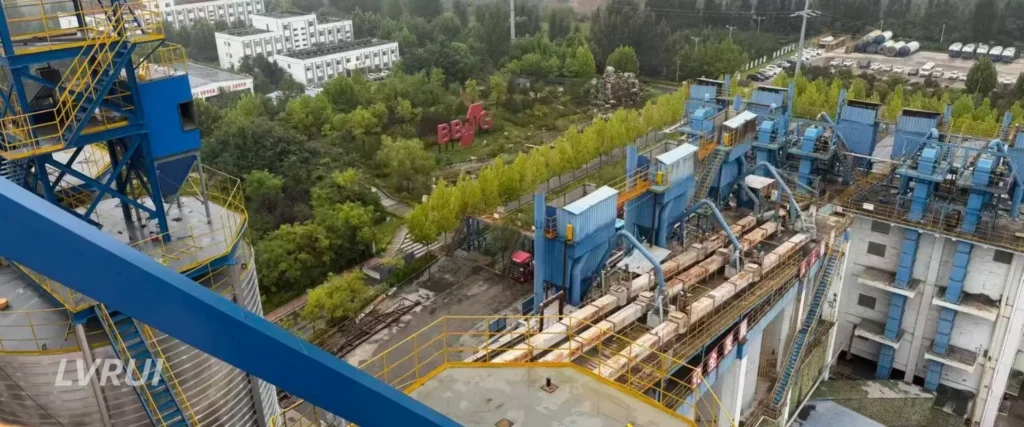
Why Does Pneumatic Filling Create Dust at the Silo Top?
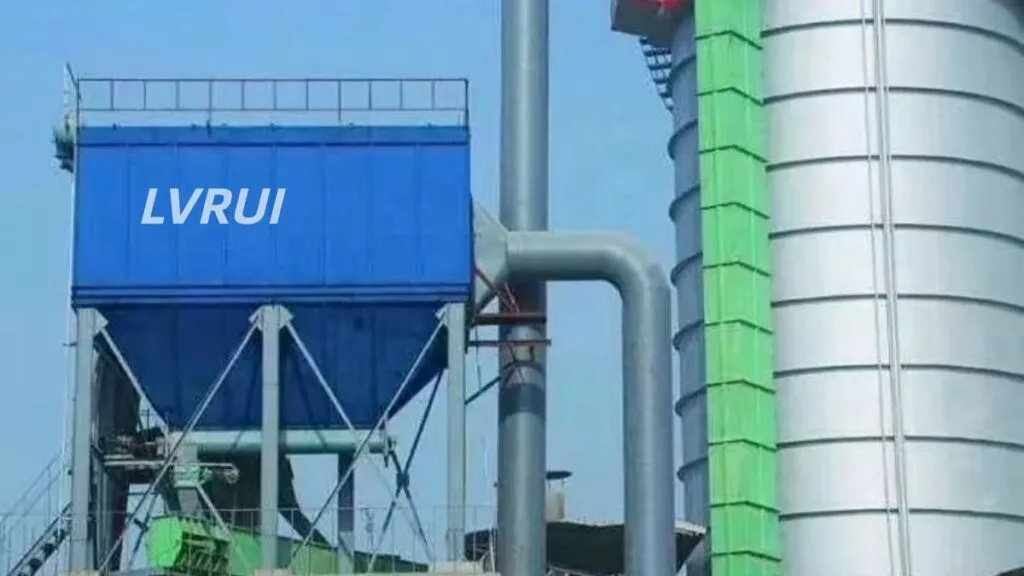
Cement silo dust during filling is closely related to how cement and conveying air enter the silo and how effectively that air can leave through the venting system. During pneumatic filling, cement is transported from a bulk tanker or pneumatic conveying line into the storage silo together with conveying air.
The cement settles inside the silo, while the conveying air and the air displaced by the incoming solids must leave through the designed venting path.
The basic process is:
Bulk tanker or pneumatic conveying line
→ cement and conveying air enter the silo
→ cement settles
→ air moves toward the silo top
→ dust is separated by the vent filter or dust collector
→ filtered air leaves the silo
If this airflow cannot leave the silo freely, internal pressure can rise. Fine cement particles carried with the air may then escape through the filter outlet, mounting flange, inspection openings, pressure-relief area, or other weak sealing points.
This is why visible dust at the silo top should be treated as a system symptom rather than automatically as a damaged filter.
For a wider explanation of silo venting and industrial dust-control applications, see our dust collection system page.
1. Filling Airflow Exceeds the Effective Venting Capacity
The first condition to check is the balance between air entering the silo and air that can leave through the venting system.
During tanker unloading, a substantial volume of conveying air enters together with the cement. The silo-top filter must allow this air to escape while retaining the dust. UK government guidance for bulk cement handling also emphasizes appropriate filtration and emission-control measures during cement loading and unloading operations.
Problems may appear when:
- The tanker unloads faster than before
- Conveying airflow has been increased
- A different tanker or compressor operates under different conditions
- The existing vent filter has insufficient effective capacity
- Filter resistance has increased over time
- The filling system has been modified without reviewing silo venting
A useful diagnostic clue is whether the dust changes with the filling rate.
If the silo remains relatively clean during slower unloading but produces visible dust when the tanker unloads faster, the filter media may not necessarily be damaged. The complete airflow balance should be checked first.
The important relationship is:
Higher incoming airflow
→ higher required venting airflow
→ greater filter loading and resistance
→ possible pressure increase if venting becomes insufficient
Therefore, the question is not only whether the filter is functioning.
The more important question is:
Can the venting system handle the actual pneumatic filling condition?
2. Filter Elements Are Blocked or Heavily Loaded
Cement dust accumulates on the surface of filter bags or cartridges during normal operation.
A controlled dust layer is part of fabric filtration, but excessive buildup increases airflow resistance.
If the filter becomes heavily loaded:
Restricted airflow
→ higher resistance through the filter
→ slower pressure relief during filling
→ increasing silo pressure
→ dust may escape through available leakage paths
Possible signs include:
- Dust problems becoming progressively worse
- Filling taking longer than before
- High differential pressure where monitoring is available
- Heavy cement buildup on filter elements
- Frequent high-pressure alarms
- Dust appearing around covers, flanges, or other joints
A blocked filter does not automatically mean the filter elements must be replaced.
The underlying problem may be poor cleaning, moisture, cement buildup, abnormal dust loading, or another operating condition.
For detailed diagnosis of high differential pressure, bag blinding, airflow problems, and general baghouse faults, refer to our industrial bag filter troubleshooting guide.
3. The Filter Cleaning System Is Not Working Properly
Many silo-top filters use pulse-jet, reverse-air, vibration, or another cleaning method to remove accumulated dust from the filter elements.
For pulse-cleaned equipment, possible problems include:
- Insufficient compressed-air pressure
- Failed pulse or diaphragm valves
- Solenoid valve problems
- Incorrect cleaning intervals
- Blocked pulse pipes
- Interrupted compressed-air supply
The important relationship for silo filling is:
Poor cleaning
→ increasing dust buildup
→ increasing filter resistance
→ reduced venting airflow
→ higher silo pressure during filling
If dust emissions increase gradually rather than suddenly, cleaning performance should therefore be checked before assuming that the vent filter is undersized.
This article does not cover detailed baghouse repair procedures because those belong to general filter troubleshooting rather than silo-filling diagnosis.
4. Filter Media or Internal Seals Are Damaged
A different problem occurs when airflow through the filter remains relatively normal but cement dust passes into the clean-air side.
Possible symptoms include:
- Visible dust directly from the clean-air outlet
- Sudden dust emission after previously stable operation
- Dust deposits downstream of the filter
- Damaged bags or cartridges
- Poor sealing between the dirty-air and clean-air sections
The distinction between blockage and damage is important.
Blocked filter:
Air cannot pass through easily.
Damaged filter:
Air can pass through, but dust is no longer retained effectively.
Filter damage can result from abrasion, mechanical contact, poor installation, unsuitable operating conditions, or long-term wear.
If physical damage is suspected, our cement filter bag damage patterns guide explains how holes, abrasion, hardening, seam failure, and other visible damage can help identify the root cause.
5. The Silo Is Too Full or Material Reaches the Venting Area
Silo level can directly affect the loading on the top filter.
If cement rises too close to the vent filter, material can enter areas intended primarily for ventilation and dust separation.
Possible causes include:
- High-level sensor failure
- Incorrect level indication
- Continued filling after the silo approaches its operating limit
- Poor supervision during tanker unloading
- Material buildup near the silo top
- Abnormal turbulence near the filling inlet
If dust problems occur mainly when the silo is close to full, check the level-control system and actual material level before modifying the dust collector.
High-level alarms and pressure-protection devices are safety functions. They should not be used as substitutes for normal level control or adequate venting.
If an overpressure alarm activates or the pressure-relief valve opens during filling, the delivery should be stopped and the cause investigated according to the site’s safety procedures and equipment manufacturer’s instructions.
A pressure-relief valve should protect the silo during an abnormal pressure event; it should not operate as the normal venting path during routine filling.
6. Dust Escapes Through Poorly Sealed Flanges, Covers, or Joints
Not all visible silo-top dust comes through the filter outlet.
If pressure develops inside the silo, dust-laden air may escape through weak sealing points such as:
- Filter mounting flange
- Inspection covers
- Manholes
- Access doors
- Pipe connections
- Damaged gaskets
- Poorly sealed joints
Even when the filtration system itself is operating, a damaged gasket or poorly sealed connection can create visible dust around the silo roof.
The location of the dust is therefore an important diagnostic clue.
Replacing filter bags will not solve a leakage problem caused by a mounting flange, access cover, or housing seal.
7. Additional Air Is Entering the Silo Unexpectedly
Pneumatic filling is not always the only source of air entering a cement silo.
Depending on the system design, compressed air may also be used for:
- Silo-bottom aeration
- Aeration pads
- Fluidizing systems
- Air cannons
- Air purge or fluidization lines
- Other powder-flow assistance equipment
Under normal operation, these systems should operate according to their intended control sequence.
If an aeration valve fails open or an auxiliary air system operates continuously when it should not, additional air can enter the silo.
This creates two possible problems:
Additional airflow
→ greater demand on the silo venting system
and
Continuous aeration
→ more cement dust becomes suspended
→ higher dust loading on the filter
Therefore, when a silo develops unexplained pressure or filter-loading problems even though the tanker filling conditions have not changed, check whether another compressed-air source is entering the silo.
Where Is the Dust Actually Escaping?
Before replacing any component, identify the exact emission point.
Dust from the Clean-Air Outlet
Possible causes:
- Damaged filter bags or cartridges
- Incorrect filter installation
- Failed internal seals
- Leakage between dirty-air and clean-air sections
Dust Around the Filter Mounting Flange
Possible causes:
- Damaged gasket
- Loose connection
- Housing deformation
- Poor installation sealing
- Excessive internal pressure
Dust Around a Manhole or Inspection Cover
Possible causes:
- Gasket failure
- Poor mechanical sealing
- Excessive silo pressure
- Restricted venting
Dust Appears Mainly During Fast Tanker Unloading
Check:
- Tanker unloading conditions
- Conveying airflow
- Effective venting capacity
- Filter resistance
Dust Becomes Worse Gradually
Check:
- Filter loading
- Cleaning performance
- Compressed-air supply
- Cement or moisture buildup
Dust Appears Suddenly but Airflow Seems Normal
Check:
- Filter-media damage
- Internal seals
- Filter installation
Dust Is Released Around the Pressure-Relief Valve
Treat this differently from ordinary dust leakage.
PRV operation may indicate an abnormal pressure event. Filling should be stopped and the cause of the pressure rise investigated rather than treating the valve as part of normal silo ventilation.
Is Silo-Top Dust Always Caused by a Damaged Filter?
No.
Visible cement dust can result from:
- Insufficient venting capacity
- Excessive incoming airflow
- Blocked filter elements
- Ineffective filter cleaning
- Damaged filter media
- Poor sealing
- Excessive silo level
- Unexpected auxiliary airflow
Therefore:
Visible silo-top dust does not automatically mean damaged filter bags.
A better diagnostic approach is to determine whether the air entering the silo can leave through the intended venting path without creating excessive resistance or pressure.
Only then should individual components be replaced.
How to Troubleshoot Cement Silo Dust During Filling
A systematic troubleshooting sequence can prevent unnecessary filter replacement and help identify the actual cause.
Step 1: Record When the Dust Appears
Determine whether the problem occurs:
- During every tanker delivery
- Only at high filling rates
- Only when the silo is nearly full
- Immediately after filling begins
- After several minutes of filling
- Near the end of tanker unloading
- Suddenly after previously normal operation
The timing of the problem provides useful evidence.
Step 2: Identify the Exact Dust Escape Point
Check whether dust comes from:
- Filter clean-air outlet
- Filter flange
- Manhole or inspection cover
- Silo roof connection
- Pressure-relief area
- Another joint or opening
Do not assume that all silo-top dust originates from the filter media.
Step 3: Check the Venting Path
Confirm that air can leave through the intended venting system.
Inspect for:
- Heavily loaded filter elements
- Cement buildup
- Obstructed airflow passages
- Abnormally high filter resistance
- Restricted ducts where applicable
Step 4: Check the Filter Cleaning System
Verify the operation of the cleaning mechanism.
For pulse-cleaned equipment, check compressed-air availability, pulse operation, valves, and cleaning sequence.
Step 5: Inspect Filter Elements and Seals
Inspect for visible damage, poor installation, and sealing failure.
Filter elements should be replaced according to their actual condition rather than simply because visible dust has appeared.
Step 6: Compare Current Filling Conditions With Previous Operation
Ask whether anything has changed:
- Faster tanker unloading
- Different compressor settings
- Different tanker
- Modified conveying system
- Different cement characteristics
- Changed filling procedure
A change in operating conditions can expose a venting limitation that was not obvious before.
Step 7: Check Silo Level and Auxiliary Air Systems
Confirm that:
- Level sensors are working
- High-level alarms are functional
- The silo is not overfilled
- Aeration systems operate only when required
- No pneumatic valve has failed open
- Other compressed-air sources are operating correctly
Step 8: Check Pressure-Protection Equipment
Pressure alarms and pressure-relief devices should be maintained according to the equipment manufacturer’s requirements and site safety procedures.
Repeated activation should be investigated as a process or equipment fault rather than accepted as normal operation.
When Do the Filter Elements Actually Need Replacement?
Replacement is appropriate when inspection confirms physical deterioration such as:
- Holes or tears
- Severe abrasion
- Damaged seams
- Permanent hardening
- Structural deformation
- Filter-media deterioration
- Persistent dust passage caused by physical failure
However, replacing the filter elements alone is unlikely to solve problems caused by insufficient venting capacity, failed cleaning, excessive airflow, sealing leakage, high material level, or unwanted auxiliary air.
Before purchasing replacement elements, determine whether the actual problem is:
filtration failure
or
airflow and venting failure.
That distinction can prevent the same problem from returning after new filters are installed.
How to Reduce Silo-Top Dust During Future Filling Operations
Reliable dust control depends on the complete filling and venting system rather than one component.
Good operating practice includes matching venting capacity to actual pneumatic filling conditions, maintaining filter elements and cleaning systems, inspecting seals and mounting flanges, keeping level and pressure protection functional, controlling tanker unloading conditions, and investigating repeated pressure events instead of treating visible dust as an isolated filter problem.
For cement and fine-powder applications, bag filters or localized dust collectors should be selected according to actual airflow, dust loading, material characteristics, operating conditions, cleaning method, and installation arrangement.
Conclusion
Cement silo dust during filling should be treated as a system-level symptom rather than automatically as a filter-bag failure.
During pneumatic filling, conveying air enters the silo together with cement, while displaced air must leave through the designed venting system.
Dust emissions can increase when airflow exceeds effective venting capacity, filters become blocked, cleaning becomes ineffective, filter media or seals fail, material reaches the venting area, or additional compressed air enters the silo unexpectedly.
A practical diagnostic sequence is:
Filling condition
→ incoming airflow
→ silo venting
→ filter resistance
→ cleaning system
→ filter condition and sealing
→ silo level
→ auxiliary air sources
→ pressure protection
Finding the actual restriction, leakage point, or abnormal operating condition before replacing components normally leads to a more reliable solution.
FAQs About Cement Silo Dust During Filling
Why does my cement silo release dust only when the tanker unloads quickly?
Faster pneumatic unloading can increase the airflow entering the silo. If the effective venting capacity or filter condition cannot handle the operating airflow, internal pressure and visible dust emissions may increase. Compare the actual unloading condition with the available venting capacity before assuming that the filter is damaged.
How can I tell whether a silo-top filter is blocked?
Possible signs include increasing filter resistance, slower filling, heavily loaded filter elements, pressure alarms, and dust beginning to escape from flanges or other weak sealing points. Differential-pressure data, where available, can provide additional evidence.
Why is cement dust coming directly from the clean-air outlet?
Dust at the clean-air outlet more strongly suggests filter-media damage, incorrect installation, failed seals, or leakage between the dirty-air and clean-air sections. The filter elements and internal sealing should be inspected.
Why does dust appear near the end of tanker unloading?
The operating condition can change as unloading approaches completion, particularly during final air clearing or blowdown. If dust repeatedly appears at the same stage of each delivery, record the tanker operating procedure and check whether airflow or silo pressure changes during that period.
Can overfilling cause the silo-top filter to become blocked?
Yes. If cement reaches too close to the filter or venting area, dust loading can increase significantly and material may interfere with normal filter operation. High-level detection and properly supervised filling are therefore important.
Should I install a larger silo vent filter if dust appears during filling?
Not automatically. First check the existing filter condition, cleaning system, sealing, filling airflow, silo level, and any auxiliary air source. A larger filter should only be considered after the actual airflow and operating requirements are understood.
Why does a pressure-relief valve release cement dust during filling?
PRV operation may indicate that silo pressure has reached the valve’s activation condition. This should be treated as an abnormal event requiring investigation of venting restrictions, filter condition, filling airflow, silo level, and other possible air sources. The PRV should not function as the normal silo vent.
What information is needed to evaluate a silo venting dust problem?
Useful information includes the stored material, silo dimensions, pneumatic filling capacity, conveying airflow if available, existing filter type and filtration area, cleaning method, silo level-control arrangement, photos of the silo top, and a description of exactly when and where the dust appears.
Need Help With Cement Silo Dust Collection?
Jiangsu Lvrui Machinery Co., Ltd. supplies dust collection and bulk material handling equipment for cement, fly ash, mineral powder, and other dry bulk materials.
If you are experiencing cement silo dust during filling, send us:
- Material being stored
- Silo dimensions
- Pneumatic filling capacity
- Conveying airflow, if available
- Existing filter type or filtration area
- Photos of the silo-top equipment
- Site layout or installation drawing
- Description of when and where the dust appears
Based on your operating conditions, we can recommend a suitable equipment configuration and provide technical drawings and a quotation.
Email: info@lvrui-conveyor.com
WhatsApp: +86 18261998937
WeChat: +86 18261998937