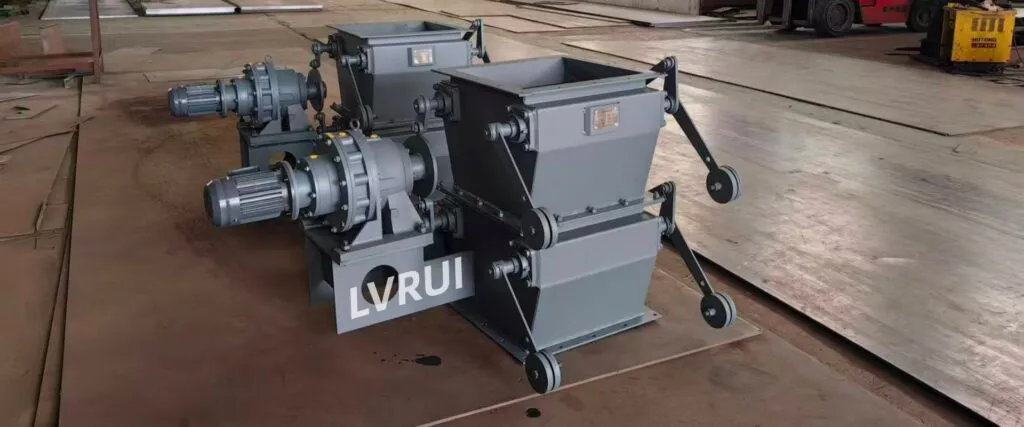
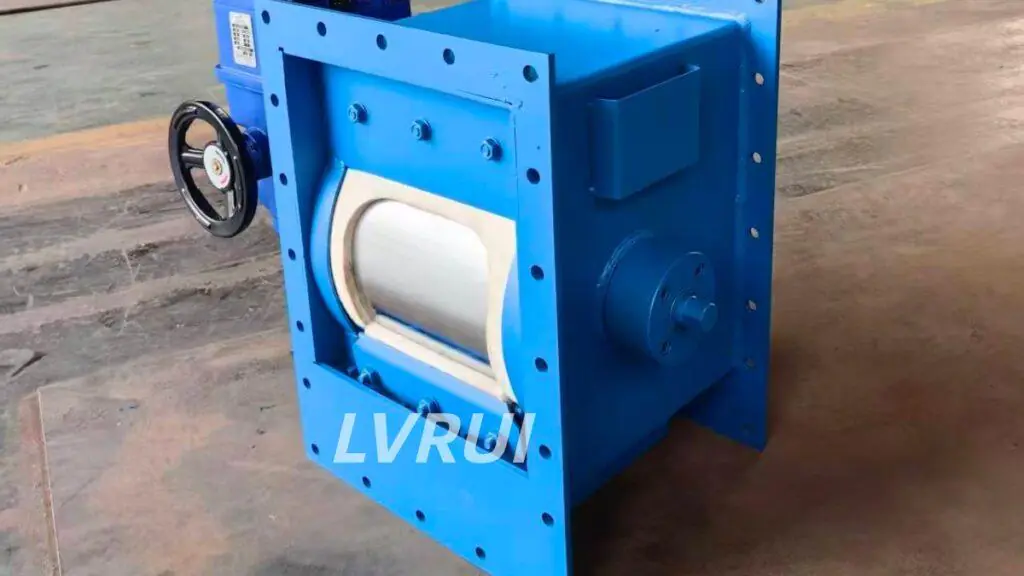
Why Cement Lumps Should Be Checked Before They Enter Screw Conveyors, Air Slide Conveyors, Rotary Valves and Bulk Loading Systems
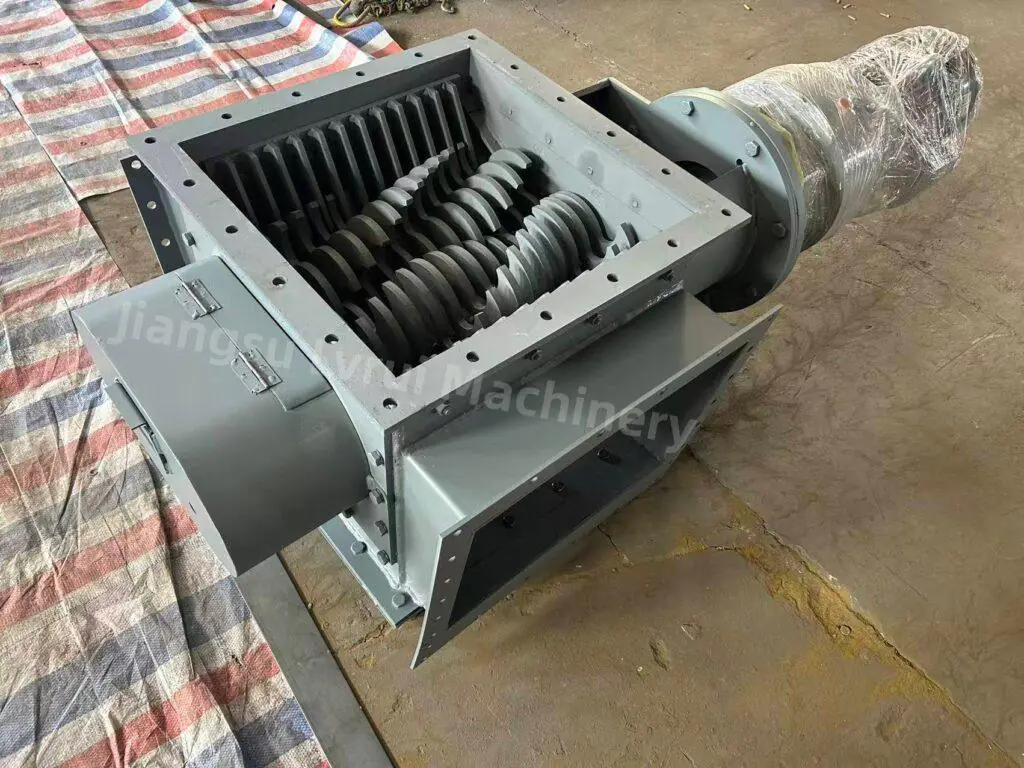
What Happens After Cement Lumps Leave the Silo Outlet?
In many cement plants, the first visible problem is not inside the silo. Operators may only notice the issue after material reaches the conveyor, valve or loading equipment.
Cement powder may leave the silo outlet together with hardened lumps. These lumps may look small at the beginning, but once they reach a narrow inlet, rotary chamber, gate opening or transfer point, they can quickly create blockage.
This is why cement powder lumps after silo discharge should not be treated as a minor material problem. Once oversized lumps enter downstream equipment, they can cause mechanical overload, unstable feeding, poor sealing, frequent cleaning and unexpected shutdown.
Typical downstream equipment affected by cement lumps includes:
√ Screw conveyors
√ Air slide conveyors
√ Rotary valves
√ Flow control gates
√ Slide gate valves
√ Loading spouts
√ Cement bulk loaders
√ Pneumatic conveying lines
√ Transfer chutes
√ Silo discharge outlets
The key point is simple: powder handling equipment is usually designed for flowable cement powder, not for hardened blocks. If the material condition changes, the whole discharge line becomes less stable. Cement powder lumps are often first noticed when downstream equipment starts to run unstably, not when the material is still inside the silo.
Why Downstream Equipment Is Sensitive to Cement Lumps
Cement conveying and loading systems usually rely on stable material flow. The equipment may work well when cement powder is dry, fine and flowable. But when lumps enter the system, the flow pattern changes immediately.
Cement lumps can create problems because they are:
√ Larger than normal powder particles
√ Harder than flowable cement powder
√ Difficult to fluidize evenly
√ Easy to collect at narrow openings
√ Able to jam moving parts
√ Able to damage fabric, blades or sealing areas
√ Difficult to discharge smoothly through valves
A small lump may pass through the system without a problem. But repeated lumps, large hardened blocks or compacted material can gradually reduce flow stability. In severe cases, one oversized lump can stop the entire conveying or loading process.
How Cement Lumps Block Screw Conveyors
Screw conveyors are widely used in cement powder handling because they can move material continuously from silo outlets, hoppers or transfer points. However, a screw conveyor is not designed to receive oversized hardened lumps.
When cement lumps enter the screw conveyor inlet, they may collect at the feed opening. If the inlet is narrow or the lump is too hard, the screw blade may not be able to move the material forward smoothly.
Common symptoms include:
√ Sudden increase in motor current
√ Abnormal noise near the inlet
√ Reduced conveying capacity
√ Material buildup at the screw inlet
√ Overload protection shutdown
√ Screw blade wear or deformation
√ Frequent manual cleaning
In many cases, operators first suspect a motor problem or conveyor design issue. But the real cause may be oversized cement lumps entering the screw conveyor before they are broken down.
For this reason, the material condition before the screw conveyor should be checked, especially after long storage periods, humid weather, silo shutdown or unstable discharge.
When cement powder lumps enter a screw conveyor inlet, the screw blade may face sudden resistance and higher motor load.
How Cement Lumps Affect Air Slide Conveyors
Air slide conveyors depend on stable fluidization. They work best when the material is dry, fine and able to flow evenly over the air slide fabric.
When cement lumps enter an air slide conveyor, they do not behave like normal powder. Large or hardened lumps may stay near the inlet, disturb the powder layer or reduce the fluidization effect.
Possible problems include:
√ Uneven material flow
√ Poor fluidization near the inlet
√ Cement buildup on the air slide fabric
√ Local blockage inside the conveyor
√ Reduced conveying speed
√ Unstable discharge at the outlet
√ Higher maintenance frequency
The air slide fabric is especially sensitive. If lumps collect on the fabric surface, air distribution may become uneven. In some cases, hard pieces may also damage the fabric or reduce its service life.
This does not mean an air slide conveyor is the wrong equipment. It means the material entering the conveyor must be suitable for fluidized conveying. If cement powder contains repeated hardened lumps, the upstream discharge condition should be checked first.
For air slide systems, cement powder lumps can disturb fluidization because they do not behave like fine, flowable cement powder.
How Cement Lumps Jam Rotary Valves
Rotary valves are often used to control powder discharge, maintain airlock function or feed downstream conveying systems. They have a limited clearance between the rotor and housing.
When cement lumps enter the rotary valve, several problems may occur:
√ Lumps get stuck between rotor blades
√ Rotor movement becomes unstable
√ Motor load increases
√ Valve clearance is damaged
√ Sealing performance becomes worse
√ Material discharge becomes uneven
√ The valve may stop suddenly
A rotary valve can handle powder discharge, but it is not a lump breaking machine. If hard cement blocks enter the rotor chamber, the valve may jam or wear faster than expected.
For systems that frequently handle compacted cement powder, the material should be checked before it reaches the rotary valve. Otherwise, the valve may become the first failure point in the discharge line.
If cement powder lumps enter the rotary chamber, they may become trapped between the rotor and the housing.
How Cement Lumps Affect Flow Control Gates
A flow control gate is used to regulate material flow from a silo, hopper or conveying system. It should open, close and adjust smoothly.
When a cement lump gets stuck near the gate plate, it may cause several issues:
√ The gate cannot close completely
√ The gate plate is blocked by hardened material
√ Sealing becomes poor
√ Material leaks through the gate
√ Flow adjustment becomes inaccurate
√ The actuator or manual mechanism becomes overloaded
√ Emergency cleaning is required
This kind of problem is easy to misjudge. Operators may think the gate is damaged, but the actual problem may be a lump trapped in the sealing area or sliding path.
If the flow control gate repeatedly fails to close or adjust smoothly, the material condition before and around the gate should be inspected.
A flow control gate may fail to close fully when cement powder lumps are stuck near the gate plate or sealing area.
How Cement Lumps Interrupt Bulk Loading Systems
Bulk loading systems need stable feeding. Whether the cement is loaded by a loading spout, telescopic chute or bulk loader, the upstream material flow must remain consistent.
Cement lumps can interrupt loading in several ways:
√ Uneven feeding into the loading spout
√ Sudden flow interruption
√ Material blockage before the loading chute
√ Unstable discharge into the truck or tanker
√ Higher dust generation due to irregular flow
√ Longer loading time
√ Manual intervention during loading
In bulk loading operations, unstable feeding can also affect site cleanliness and loading efficiency. If a lump blocks the upstream feed point, the loading process may stop before the truck is fully loaded.
For cement plants, grinding stations and bulk terminals, the loading system should not be treated separately from the silo discharge system. If the upstream material contains hardened lumps, the loading spout or bulk loader will also be affected.
In bulk loading systems, cement powder lumps can interrupt feeding before material reaches the loading spout.
Site Diagnosis Table
The diagnosis should focus on where cement powder lumps appear and which downstream equipment is affected first.
The following table can help operators identify whether downstream equipment problems may be caused by cement lumps after silo discharge.
| Problem on Site | Possible Cause | Equipment at Risk | Suggested Check |
|---|---|---|---|
| Screw conveyor motor current rises suddenly | Oversized cement lumps enter the inlet | Screw conveyor | Check inlet opening and lump size |
| Screw conveyor makes abnormal noise | Hard material is trapped near the screw blade | Screw conveyor | Inspect feed inlet and first screw section |
| Air slide conveyor flow becomes uneven | Lumps disturb powder fluidization | Air slide fabric | Check material condition before the inlet |
| Material builds up inside the air slide conveyor | Hardened lumps cannot fluidize properly | Air slide conveyor | Inspect fabric surface and inlet area |
| Rotary valve gets jammed | Hard lumps enter the rotor chamber | Rotary valve | Check valve inlet and rotor clearance |
| Flow control gate cannot close fully | Lump stuck at the gate plate | Flow control gate | Check sealing area and gate movement |
| Loading spout discharge becomes unstable | Lumps interrupt feeding before loading | Loading spout / bulk loader | Check upstream silo outlet and feeder |
| Frequent manual cleaning is required | Lumps collect at transition points | Whole discharge line | Check whether lumps appear after long storage |
| Valve leakage happens repeatedly | Hardened material blocks the sealing path | Flow control gate / slide gate | Inspect gate plate and material buildup |
| Bulk loading time becomes longer | Material flow is interrupted by lumps | Loading system | Check feed stability before loading |
This type of diagnosis is important because the first damaged machine is not always the root cause. The real issue may be material condition before the downstream equipment.
How to Judge Whether the Problem Comes from Cement Lumps
Not every blockage is caused by cement lumps. Some problems may come from poor aeration, incorrect equipment sizing, excessive moisture, worn parts or wrong operating settings.
However, cement lumps should be suspected when the following signs appear:
√ The blockage happens after long storage
√ The problem becomes worse in humid weather
√ Large hardened pieces are found during cleaning
√ Downstream equipment stops suddenly
√ Motor current rises without obvious mechanical damage
√ Valves cannot close because material is trapped
√ Air slide conveyor flow becomes uneven after restart
√ Loading spout feeding becomes unstable
√ Manual cleaning removes hard cement blocks
√ The problem repeats at the same transition point
A useful method is to record where the blockage happens, when it happens and what material condition is found during cleaning. If hardened cement lumps are repeatedly found near the same equipment, upstream protection should be considered.
When Upstream Protection Is Needed
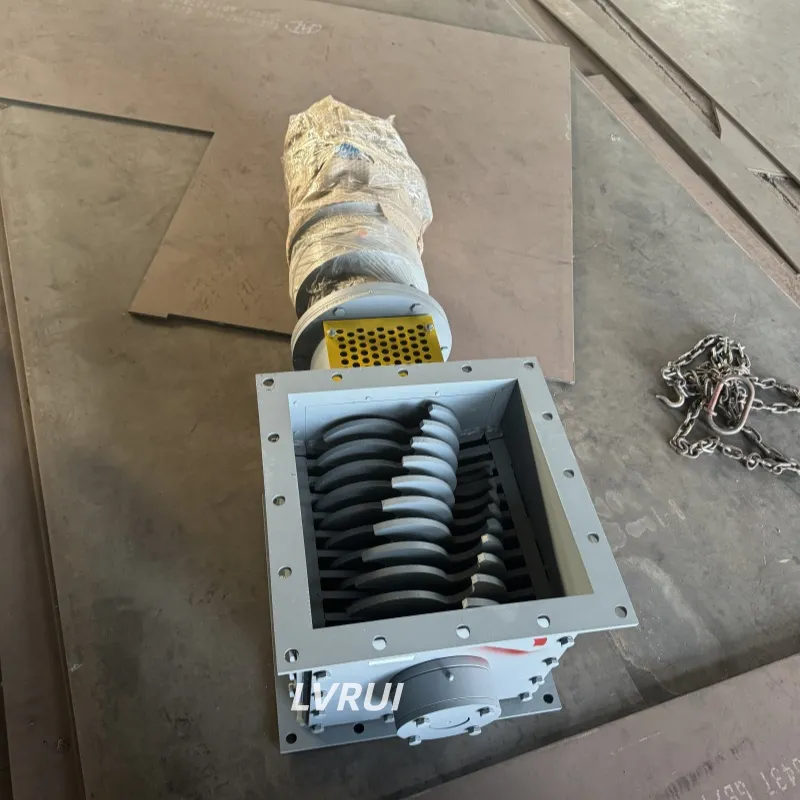
Upstream protection is needed when cement lumps repeatedly reach sensitive downstream equipment. The purpose is to prevent oversized blocks from entering screw conveyors, air slide conveyors, rotary valves, flow control gates or bulk loading systems.
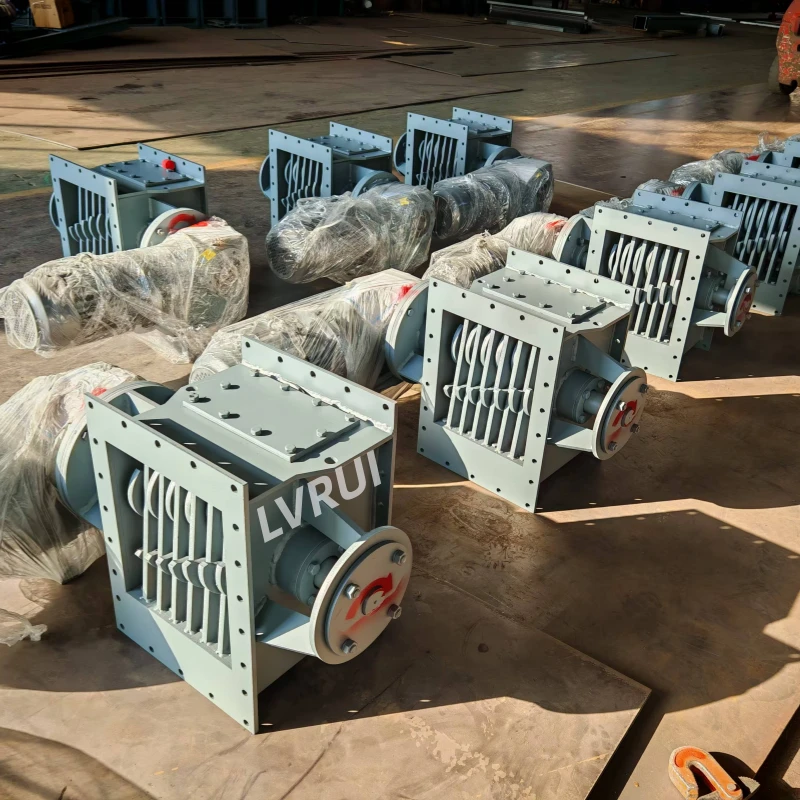
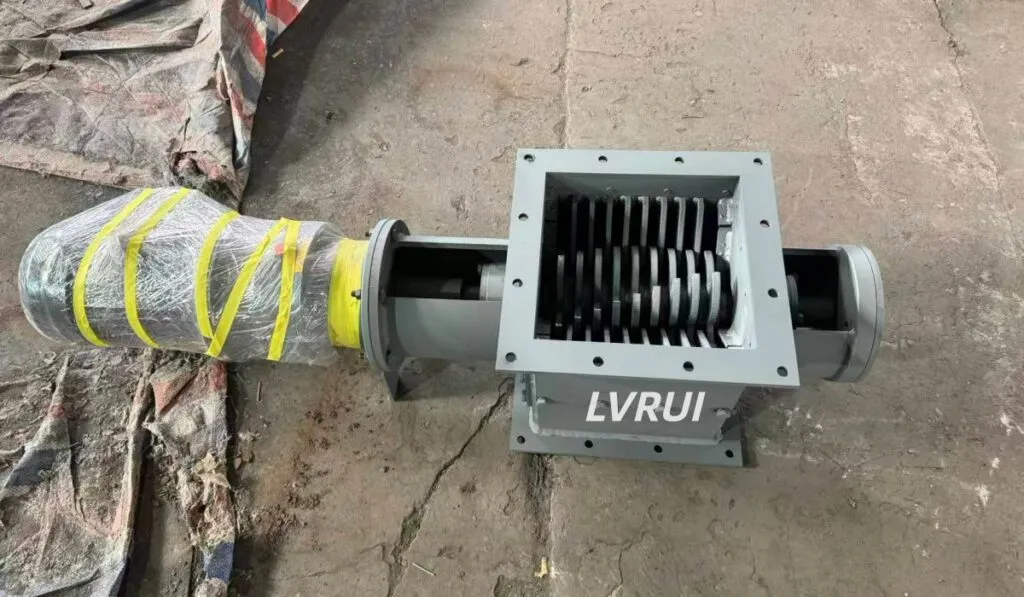
When hardened lumps repeatedly appear at the silo outlet, a cement silo lump breaker can be installed before downstream conveying or loading equipment to reduce blockage risk and protect the system.
The function is not fine grinding. The goal is to break oversized cement lumps into smaller, flowable pieces before they reach equipment that is not designed to handle hard blocks.
This is especially useful when:
√ Screw conveyor inlet blockage happens repeatedly
√ Air slide conveyor fabric is affected by hard material
√ Rotary valve gets jammed by compacted cement
√ Flow control gate cannot close because of trapped lumps
√ Bulk loading becomes unstable
√ Long storage time causes repeated lump formation
√ Manual cleaning becomes too frequent
How to Reduce Downstream Blockage Risk
To reduce the risk of downstream blockage, cement plants should not only focus on one machine. The whole discharge path should be checked.
Practical actions include:
√ Keep the silo dry and sealed
√ Maintain stable silo aeration
√ Avoid long storage time where possible
√ Inspect material condition after shutdown
√ Check the silo outlet regularly
√ Keep flow control gates moving smoothly
√ Inspect screw conveyor inlets
√ Check air slide conveyor fabric condition
√ Clean transition points before buildup becomes serious
√ Use upstream protection when hardened lumps appear repeatedly
√ Match equipment size with actual material condition
If lumps only appear occasionally, better operation and maintenance may reduce the problem. If lumps repeatedly enter downstream equipment, mechanical protection before the conveyor or valve is usually more reliable.
For general conveyor and bulk material handling references, the bulk material handling engineering reference from the Conveyor Equipment Manufacturers Association can be used as an industry background source.
Why the Root Cause Should Be Checked Before Replacing Equipment
When a screw conveyor, valve or loading spout stops frequently, replacing the equipment may not solve the problem. If cement lumps continue to enter the same point, the new equipment may face the same failure.
Before replacing downstream equipment, check these questions:
√ Is the material still flowable after leaving the silo?
√ Are hard cement lumps found during cleaning?
√ Does the problem happen after long shutdowns?
√ Is the blockage always near the inlet or gate area?
√ Does the motor current rise suddenly?
√ Is the valve blocked by material instead of mechanical failure?
√ Is the air slide conveyor receiving oversized lumps?
√ Does the loading system stop because feeding is interrupted?
If the answer is yes, the system may need material conditioning or upstream lump control, not only replacement of downstream equipment.
Practical Maintenance Checks for Operators
Routine inspection helps identify cement lump problems before they become serious.
Useful checks include:
√ Inspect silo outlet after long shutdowns
√ Check whether hardened pieces appear during discharge
√ Watch screw conveyor motor current
√ Listen for abnormal noise at conveyor inlets
√ Inspect air slide conveyor inlet and fabric condition
√ Check rotary valve movement and discharge stability
√ Confirm flow control gate opens and closes fully
√ Clean transition points regularly
√ Record blockage position and material condition
√ Compare problems before and after humid weather
√ Check whether loading becomes unstable at the same point
Maintenance records are useful because they show patterns. If the same equipment blocks repeatedly and hard cement pieces are always found, the issue is probably not random.
FAQ About Cement Powder Lumps After Silo Discharge
What are cement powder lumps after silo discharge?
They are hardened agglomerates of cement powder that leave the silo outlet and enter downstream equipment. They may form during storage, moisture exposure, compaction or long shutdown periods.
Why are cement lumps dangerous for downstream equipment?
They are larger and harder than normal cement powder. Once they enter conveyors, valves or loading equipment, they may cause blockage, overload, poor sealing, unstable feeding and unexpected shutdown.
Can cement lumps block a screw conveyor?
Yes. Large lumps can collect at the screw conveyor inlet, increase motor load, create abnormal noise, damage screw blades or stop the conveyor.
Can cement lumps affect an air slide conveyor?
Yes. Air slide conveyors need dry and flowable powder. Hardened lumps can disturb fluidization, cover the air slide fabric, reduce conveying stability and cause local blockage.
Why does a rotary valve jam when handling cement powder?
A rotary valve may jam if hard cement lumps enter the rotor chamber. The lumps can get trapped between the rotor and housing, causing overload, wear or sudden stoppage.
Can cement lumps stop a flow control gate from closing?
Yes. If a lump is trapped near the gate plate or sealing area, the gate may not close completely. This may cause leakage, poor flow control or mechanical overload.
Can cement lumps affect bulk loading?
Yes. If lumps interrupt feeding before the loading spout or bulk loader, the loading process may become unstable, slower or require manual cleaning.
How can operators confirm that cement lumps are the real cause?
Operators should inspect the blocked area, check whether hard cement pieces are present, record when the blockage happens and compare the problem with storage time, humidity and shutdown conditions.
When should upstream lump control be considered?
It should be considered when cement lumps repeatedly reach screw conveyors, air slide conveyors, rotary valves, flow control gates or loading systems and cause frequent blockage or equipment overload.
Is the solution always to install new equipment?
No. The plant should first check silo sealing, aeration, storage time, discharge condition and maintenance records. If hardened lumps continue to reach downstream equipment, upstream protection may be required.
Contact LVRUI for Cement Silo Discharge and Powder Handling Solutions
If your cement plant has repeated conveyor blockage, valve jamming, unstable loading or manual cleaning caused by hardened cement lumps, the problem should be checked from the silo outlet to the downstream equipment.
Jiangsu Lvrui Machinery Co., Ltd. provides dry bulk material handling equipment for cement plants, grinding stations, fly ash systems, lime powder systems and mineral powder production lines. We can help select suitable equipment for silo discharge, powder conveying, flow control, dust collection and bulk loading systems.
For a proper recommendation, please provide your material name, maximum lump size, silo outlet size, discharge capacity, installation position and downstream equipment.
WhatsApp: +86-18261998937
WeChat: +86-18261998937
Email: info@lvrui-conveyor.com
Simplified Indonesian Version
Gumpalan semen setelah keluar dari silo dapat menyebabkan banyak masalah pada peralatan berikutnya. Jika gumpalan keras masuk ke screw conveyor, air slide conveyor, rotary valve, flow control gate, atau sistem loading, aliran material bisa menjadi tidak stabil, motor overload, valve macet, dan proses loading terganggu.
Masalah ini sering terlihat setelah penyimpanan lama, kondisi lembap, atau setelah sistem berhenti cukup lama. Operator perlu memeriksa outlet silo, inlet conveyor, area valve, dan titik transfer untuk memastikan apakah ada gumpalan semen yang menyebabkan penyumbatan. Jika gumpalan sering masuk ke peralatan berikutnya, perlindungan di bagian upstream sebelum conveyor atau valve perlu dipertimbangkan.