(EN)Managing Dust Emissions in Cement Material Handling Operations
(ID)Pengendalian Debu dalam Operasi Penanganan Material di Pabrik Semen
Why Dust Control Is a Critical Issue in Cement Plants
Cement plant dust control refers to the engineering practices used to limit airborne dust during material discharge, transfer, conveying, and bulk loading operations in cement plants.
Uncontrolled dust may lead to:
- Health risks for plant operators
- Accelerated wear of mechanical equipment
- Increased maintenance and cleanup costs
- Environmental compliance issues
For modern cement plants, effective dust control is not optional—it is a fundamental requirement for stable operation.
Uncontrolled dust becomes a systemic problem because airborne particles spread across equipment, work areas, and ventilation systems, increasing wear, safety risks, and maintenance frequency.
Common Dust Generation Points in Cement Material Handling
Silo Bottom Discharge
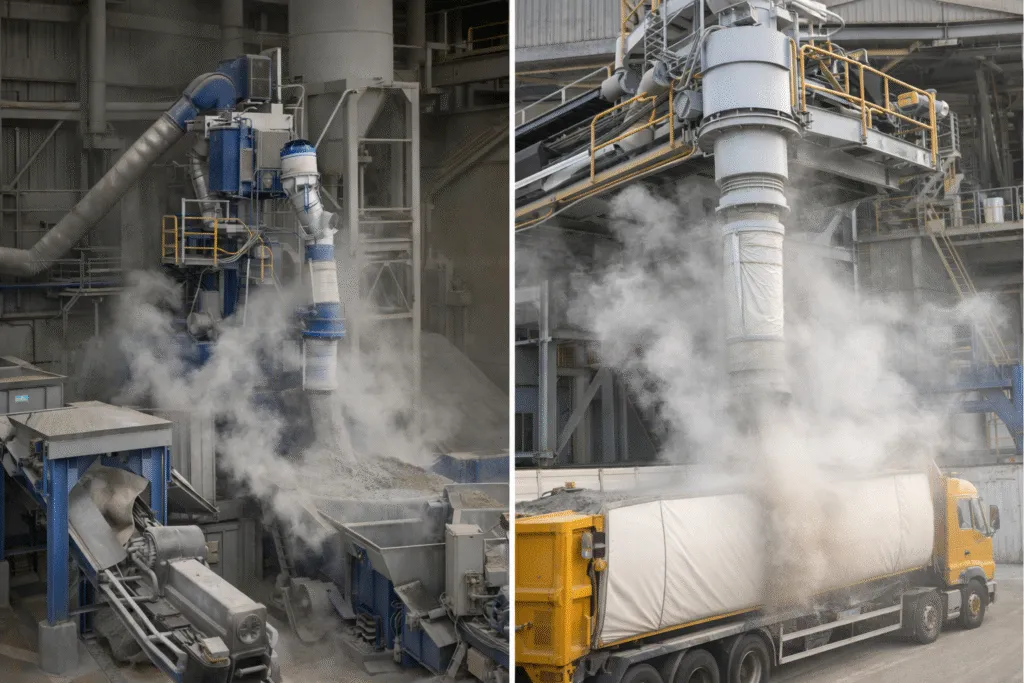
Dust is often generated at silo outlets when material flow becomes unstable or discharge devices are improperly sealed. Poorly designed discharge interfaces can allow air ingress, increasing dust release during material flow.
Transfer Points Between Equipment
Material transfer points between silos, conveyors, and loading equipment are another major source of dust. Height differences and uncontrolled free fall significantly increase dust generation.
Bulk Loading Operations
During truck or ship loading, material impact and open loading environments can cause severe dust emissions if appropriate loading equipment is not used.
In practical engineering experience, most dust issues in cement plants originate from unstable material flow, excessive free-fall height, and poor enclosure at transfer points.
Engineering Solutions for Dust Control in Cement Plants
Optimized Discharge and Flow Control
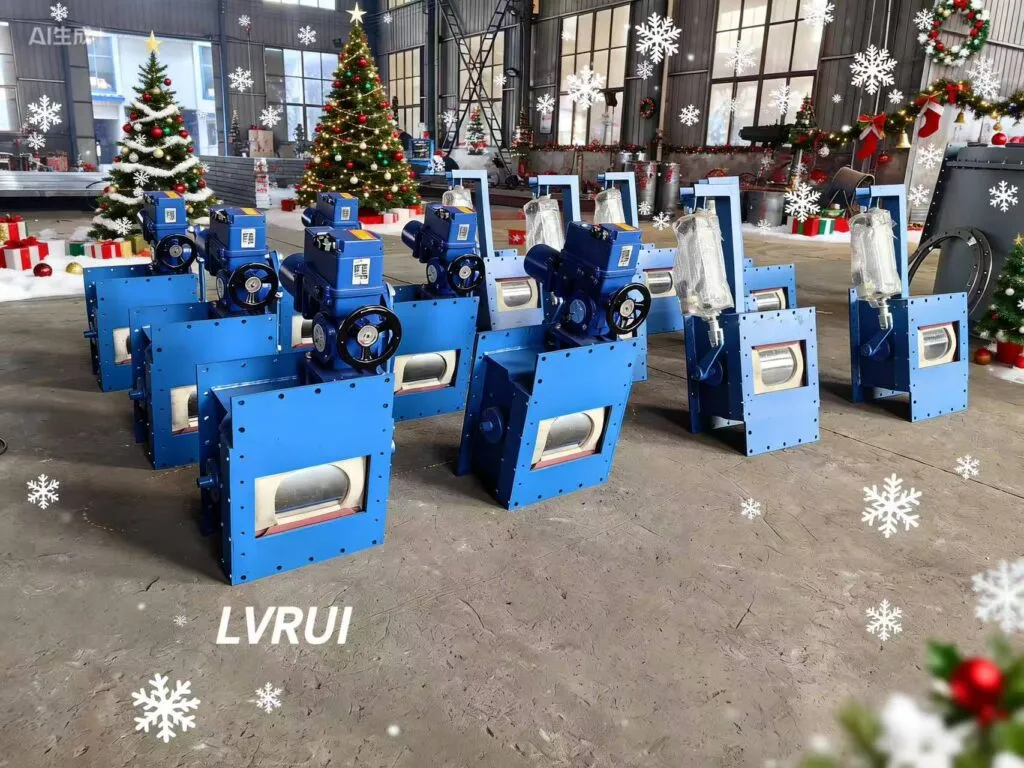
Optimized discharge systems often rely on flow control gates to regulate material flow and minimize dust generation at silo outlets.
Enclosed Conveying Systems
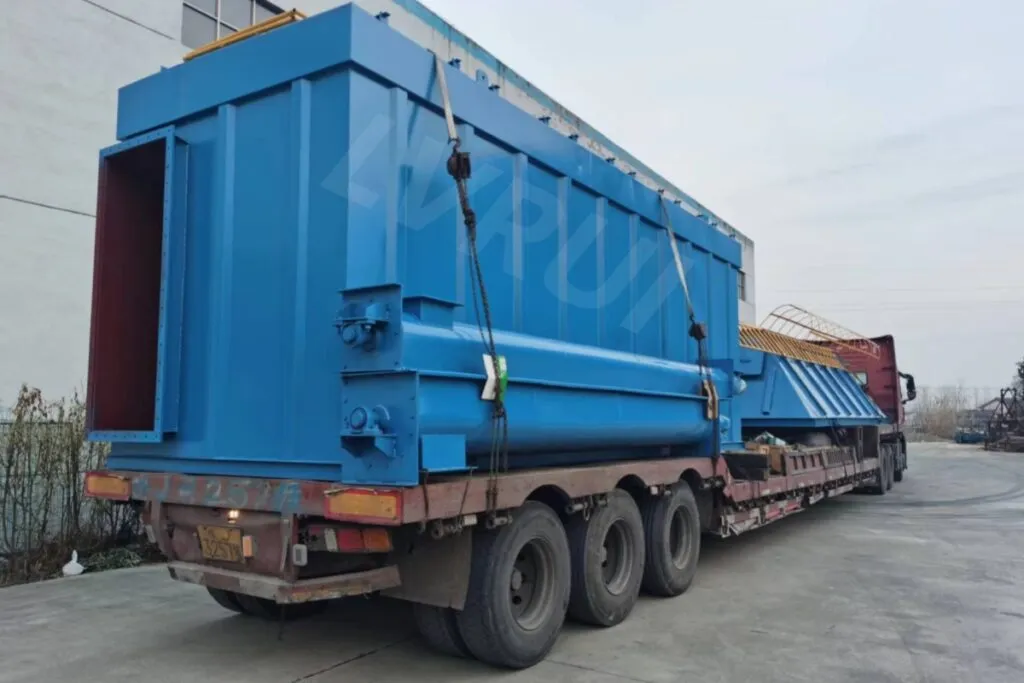
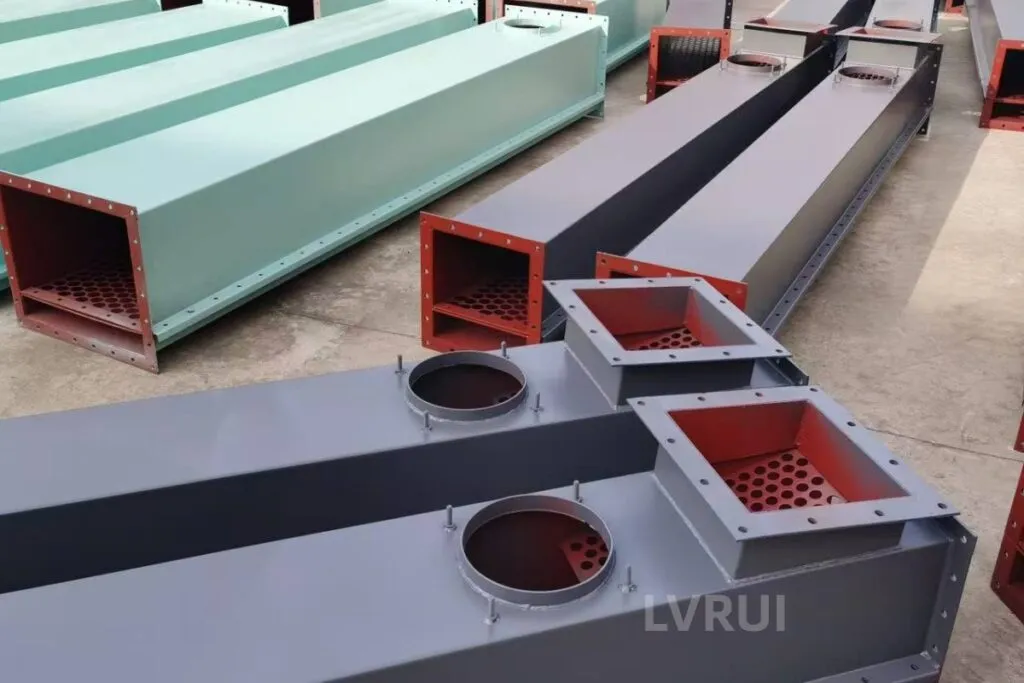
In many cement plants, enclosed air slide conveyors are widely used to transport fine materials while maintaining effective dust control.
Dust-Controlled Bulk Loading Equipment
Bulk loading operations require dedicated equipment to manage material flow and suppress dust at the loading point.
Effective cement plant dust control requires coordinated design of discharge systems, enclosed conveying equipment, and dust-controlled bulk loading solutions.
Suitable and Unsuitable Dust Control Applications
Effective cement plant dust control solutions are suitable for:
- Silo bottom discharge operations
- Enclosed material transfer points
- Cement and clinker bulk loading systems
- Continuous conveying lines handling fine powders
Dust control measures may be less effective when:
- Materials contain excessive moisture
- Transfer points remain open and unenclosed
- Flow control devices are improperly sized or installed
Dust-controlled loading systems often incorporate telescopic loading chutes to reduce free-fall height and contain dust during truck or ship loading.
System-Level Approach to Dust Control
Effective dust control is not achieved by a single piece of equipment. It requires a system-level approach covering storage, discharge, conveying, and loading stages, as commonly described in bulk material handling engineering principles.
Effective cement plant dust control is achieved only when discharge, conveying, and loading stages are treated as an integrated material handling system rather than isolated equipment.
Operational Benefits of Effective Dust Control
Cement plants that implement comprehensive dust control solutions benefit from:
✔ Improved workplace safety
✔ Reduced equipment wear
✔ Lower maintenance costs
✔ Enhanced environmental compliance
Over time, these benefits directly contribute to more reliable and efficient cement plant operations.
Indonesian Short Version | Versi Singkat Bahasa Indonesia
Pengendalian debu merupakan tantangan utama di pabrik semen, terutama pada tahap pengeluaran silo, pemindahan material, dan proses pemuatan. Dengan desain sistem yang tepat, penggunaan peralatan tertutup, serta sistem pemuatan yang terkendali debu, pabrik semen dapat mengurangi emisi debu, meningkatkan keselamatan kerja, dan menjaga keandalan operasional jangka panjang.
LVRUI focuses on bulk material handling equipment for cement and powder industries, covering discharge, conveying, dust control, and bulk loading systems.
Looking for reliable dust control solutions for cement plant material handling systems?
Contact LVRUI Machinery at info@lvrui-conveyor.com or visit https://www.lvrui-conveyor.com to get professional technical support and customized engineering solutions.