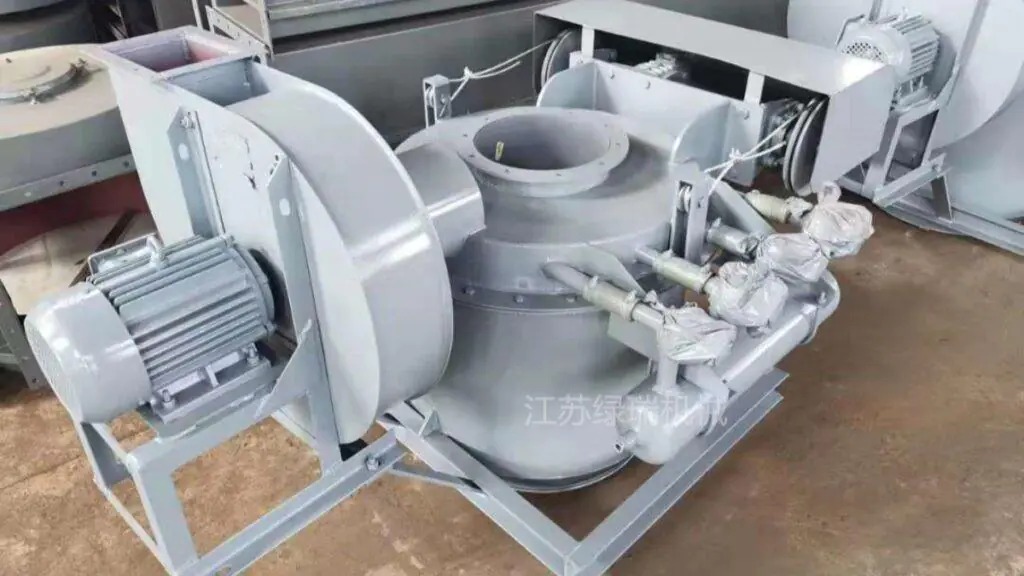
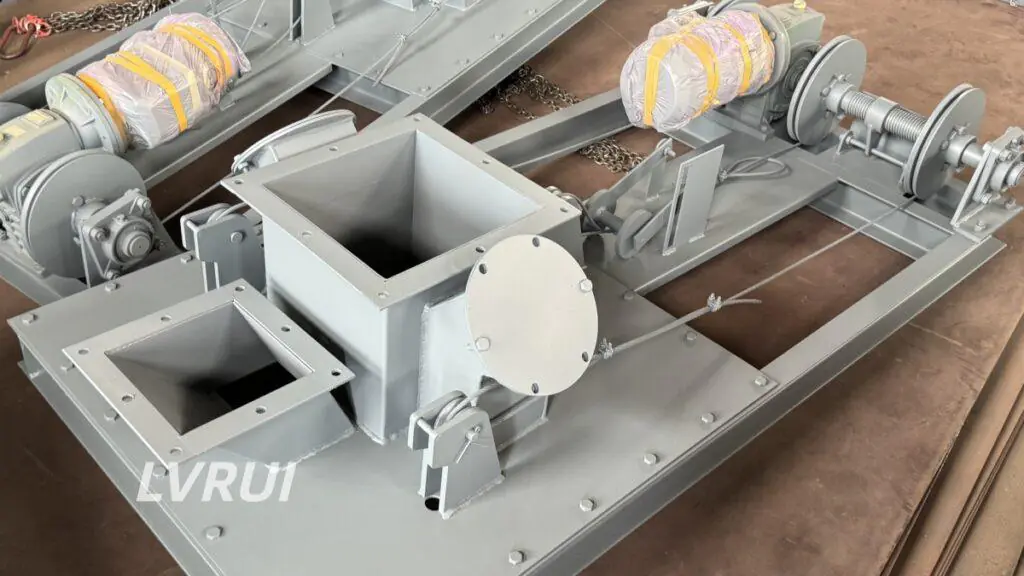
Dust-Free Telescopic Chute Solutions for Cleaner and Safer Cement Loading
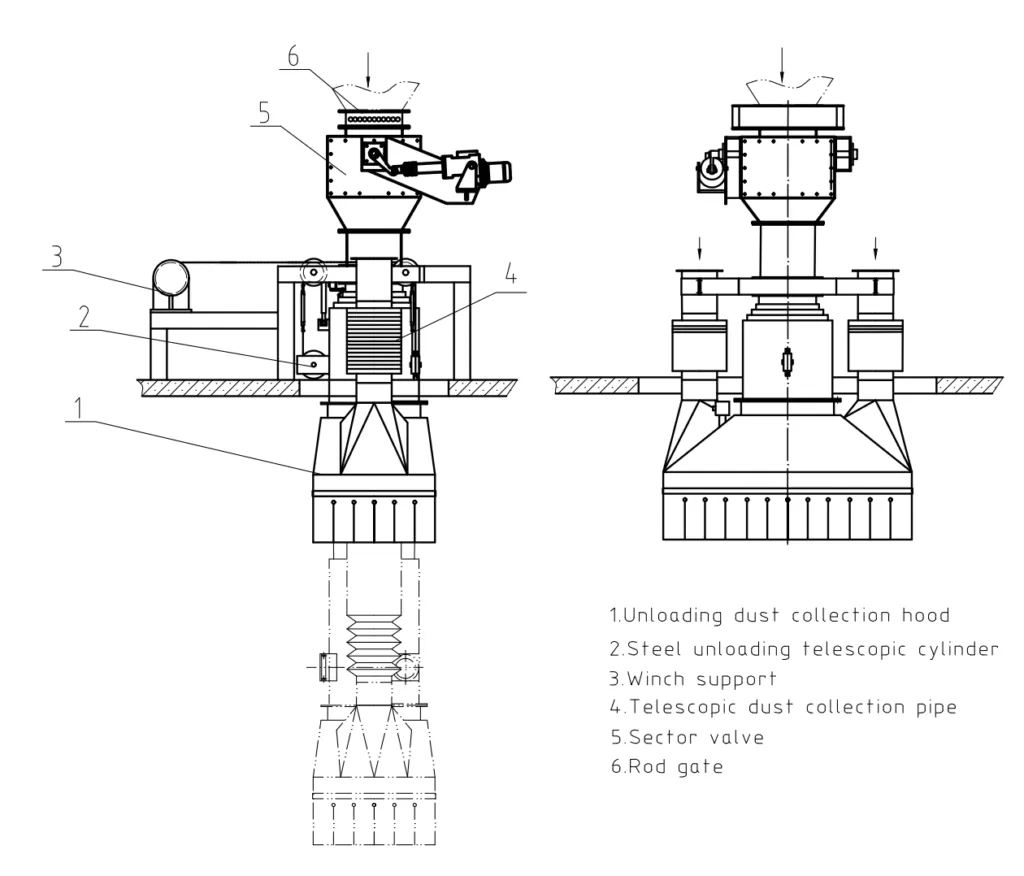
What Is a Dust Free Telescopic Chute for Cement Loading?
Dust Free Telescopic Chute for Cement Loading is a vertically adjustable loading device used below cement silos, air slide conveyors, screw conveyors or bulk loading stations to transfer cement into trucks, tankers, railcars or ships while reducing dust leakage, material spillage and uncontrolled free-fall discharge.
In cement plants and bulk terminals, this equipment is not only a loading chute. It is part of a dust-controlled cement loading system, usually working together with a flow control gate, sealing cone, outer dust sleeve, dust collector interface, level sensor and control cabinet.
This design helps keep the discharge point close to the material surface, improves cement loading stability, and reduces airborne dust during bulk cement truck loading or cement tanker loading operations.
How Does a Dust Free Telescopic Chute Work?
A dust free telescopic chute works by controlling both the cement flow path and the dust escape path during loading.
The typical working process includes:
- The chute lowers from the silo outlet or conveyor discharge point to the truck, tanker, railcar or ship loading position.
- The sealing cone, dust skirt or flexible sleeve contacts the loading inlet to reduce open dust escape.
- Cement flows through the inner telescopic chute with a shorter free-fall distance.
- Dust generated during loading is contained by the outer sleeve and extracted through the dust collection interface.
- The level sensor detects the material level and sends a stop signal when the loading point is full.
- After loading, the chute retracts to its upper position for the next loading cycle.
For cement loading, the key is not only extending the chute downward, but also matching the chute travel distance, dust collector connection, sealing design and upstream flow control equipment.
Typical Applications and Cement Loading Scenarios
Typical Applications and Cement Loading Scenarios
A dust-free telescopic chute for cement loading is widely used in cement plants, bulk terminals and powder loading stations where dust control, stable discharge and clean loading are required.
Common applications include:
- Cement silo truck loading
- Bulk cement tanker loading
- Cement terminal loading station
- Cement rail wagon loading
- Cement ship loading operation
- Cement barge loading system
- Fly ash tanker loading
- Lime powder truck loading
- Air slide conveyor discharge loading point
- Screw conveyor discharge loading point
- Dust-free cement truck loading system
For each application, the chute length, sealing cone, dust collector connection, loading capacity and control method should be selected according to the actual site layout.
Why Dust Control Is Critical During Cement Loading
Cement loading is one of the most dust-intensive operations in cement plants.
Excessive dust is generated during cement loading because fine cement particles become airborne when uncontrolled free fall and air displacement occur inside open loading points.
Uncontrolled dust can lead to:
- Environmental compliance issues
- Product loss and housekeeping problems
- Increased wear on downstream equipment
- Health and safety risks for operators
Dust Free Telescopic Chute vs Ordinary Open Chute
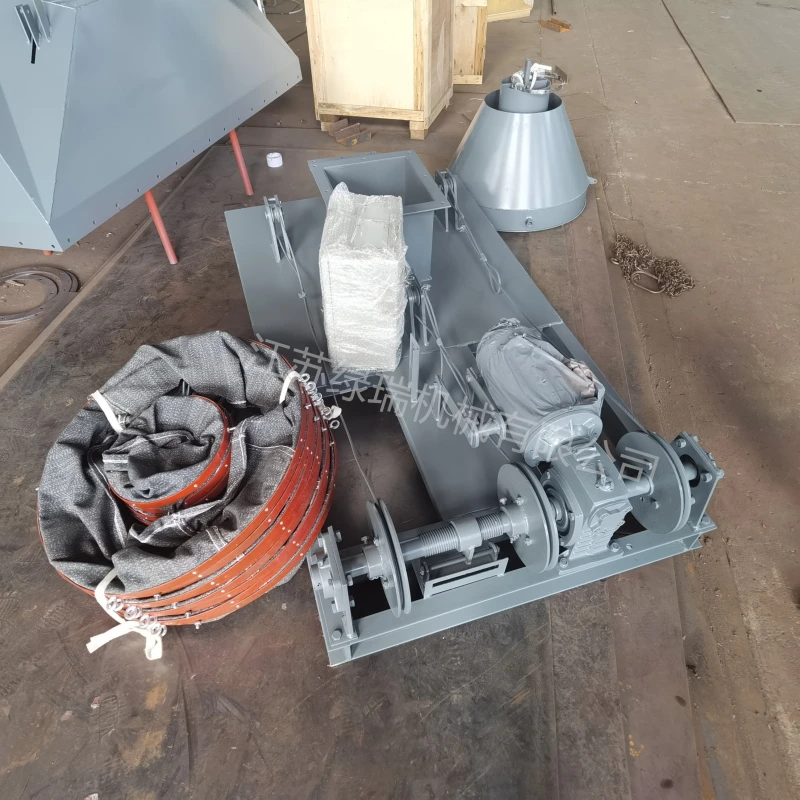
| Comparison Item | Dust Free Telescopic Chute | Ordinary Open Chute |
|---|---|---|
| Dust Control | Uses outer sleeve, sealing cone and dust collector interface | Dust spreads easily during free fall |
| Loading Height | Adjustable telescopic travel | Fixed discharge height |
| Cement Spillage | Lower spillage around loading point | Higher material loss |
| Tanker Loading | Can seal around tanker inlet | Usually poor sealing |
| Automation | Level sensor, limit switch and PLC option available | Mostly manual operation |
| Site Cleanliness | Cleaner loading area | More cleanup work required |
| Best Application | Cement, fly ash, lime powder and fine powder loading | Simple or low-dust material discharge |
Key Design Features of Dust Free Telescopic Chute for Cement Loading
Controlled Telescopic Movement
The adjustable length of a telescopic chute allows the discharge point to remain close to the material surface, reducing free-fall distance and dust generation.
Integrated Dust Sealing and Skirt Systems
Modern designs incorporate flexible sealing cones or skirts to contain dust within the loading zone. In many cement loading systems, telescopic loading chutes are integrated with bulk loading spouts to form an enclosed and dust-controlled loading solution.
Upstream Flow Control for Stable Cement Loading
Stable cement loading depends on controlled discharge upstream of the chute.
Upstream flow control devices, such as flow control gates, help regulate cement discharge and ensure uniform loading through the telescopic chute.
Key Components of a Cement Loading Chute System
| Component | Function | Why It Matters |
|---|---|---|
| Telescopic Inner Chute | Guides cement flow into the loading point | Reduces free-fall height and improves loading stability |
| Outer Dust Sleeve | Contains dust around the discharge area | Helps reduce airborne cement dust |
| Sealing Cone or Dust Skirt | Contacts tanker inlet or truck opening | Reduces dust leakage and material spillage |
| Dust Collection Interface | Connects the chute to a bag filter or dust collector | Extracts dust generated during loading |
| Lifting System | Controls chute extension and retraction | Matches different truck or tanker heights |
| Level Sensor | Detects material level during loading | Helps prevent overfilling |
| Limit Switch | Detects upper and lower chute position | Improves operation safety |
| Flow Control Gate | Controls cement discharge before the chute | Keeps loading flow stable and avoids sudden discharge |
System Integration in Cement Loading Operations
A dust free telescopic chute does not operate independently.
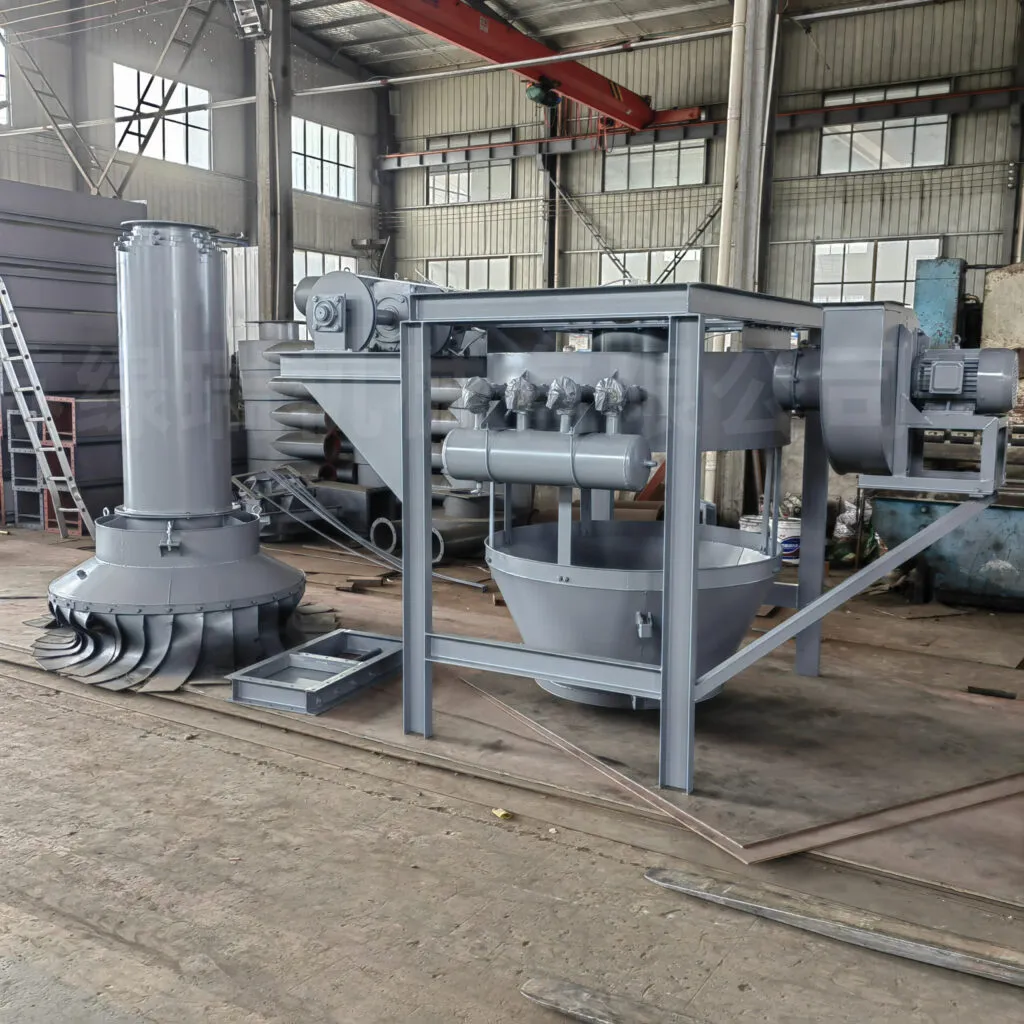
Effective dust free cement loading requires system-level integration between silo discharge, conveying equipment, flow control devices, and the telescopic loading chute
When properly integrated, the system improves:
- Loading efficiency
- Dust containment
- Equipment lifespan
- Overall plant reliability
How to Select a Dust Free Telescopic Chute for Cement Loading
Selecting the right dust free telescopic chute for cement loading requires more than choosing a chute diameter. The chute should match the cement flow rate, silo outlet height, truck type, dust control requirement and upstream conveying system.
Key information required before selection:
| Selection Factor | What to Confirm |
|---|---|
| Material | Cement, fly ash, lime powder or slag powder |
| Bulk Density | t/m³ or kg/m³ |
| Loading Capacity | Required tons per hour |
| Loading Object | Cement tanker, open truck, railcar, ship or barge |
| Silo Outlet Height | Distance from outlet to vehicle inlet |
| Chute Travel Distance | Required telescopic extension length |
| Tanker Inlet Size | Diameter or opening size |
| Dust Control Requirement | Sealing cone, outer sleeve, dust collector interface |
| Control Method | Manual, semi-automatic or PLC-compatible |
| Power Supply | Voltage, frequency and phase |
| Site Environment | Indoor, outdoor, cement plant, port or terminal |
For cement tanker loading, the sealing cone and dust extraction interface are especially important. For open truck, ship or barge loading, the dust skirt, chute travel distance and discharge positioning should be checked carefully.
Industry Standards and Engineering References
Dust free cement loading solutions are part of the broader field of bulk material handling, which addresses safe storage, conveying, and loading of bulk solids.
FAQs About Dust Free Telescopic Chute for Cement Loading
What is a dust free telescopic chute for cement loading?
A dust free telescopic chute for cement loading is a vertically adjustable loading device used to transfer bulk cement into trucks, tankers, railcars or ships while reducing dust leakage, material spillage and free-fall discharge.
How does a cement loading chute reduce dust during tanker loading?
It reduces dust by keeping the discharge point close to the material surface, using an outer dust sleeve, sealing cone or dust skirt, and connecting the loading zone to a dust collector or bag filter.
Where is a cement loading chute usually installed?
A cement loading chute is usually installed below cement silos, air slide conveyors, screw conveyors, bucket elevators or bulk loading stations.
Is a dust collector required for cement loading?
For fine powder materials such as cement, fly ash and lime powder, a dust collector is strongly recommended. The dust collection interface helps extract airborne dust during loading and keeps the loading area cleaner.
What is the difference between a loading spout and a telescopic chute?
In many bulk material handling projects, loading spout and telescopic chute refer to similar equipment. A loading spout usually emphasizes dust-controlled loading, while telescopic chute emphasizes the extendable chute structure.
Can a dust free telescopic chute be used for cement tanker loading?
Yes. For cement tanker loading, the chute usually uses a sealing cone, dust extraction interface, level sensor and controlled lifting system to reduce dust leakage around the tanker inlet.
Can the same dust-free loading chute handle fly ash and lime powder?
Yes. The same type of dust free loading chute can be used for cement, fly ash, lime powder, slag powder and other fine dry powders, but the sleeve material, sealing design and dust collector capacity should be selected according to material properties.
Why is flow control important before the loading chute?
Stable cement loading depends on controlled upstream discharge. A flow control gate helps regulate the cement flow before it enters the telescopic chute, preventing sudden discharge, overflow and unstable loading.
What information is required before quotation?
Normally, the required information includes material name, bulk density, loading capacity, silo outlet height, vehicle type, tanker inlet size, chute travel distance, dust control requirement, voltage and site layout drawing.
How do I choose the chute travel distance?
The chute travel distance should be selected according to the distance between the silo outlet or conveyor discharge point and the vehicle inlet. It should allow the discharge point to stay close to the material surface during loading.
Looking for a Reliable Dust Free Telescopic Chute for Cement Loading?
LVRUI provides dust free telescopic chute solutions for cement plants, bulk terminals and powder loading systems. Our equipment can be customized according to cement loading capacity, silo outlet height, tanker inlet size, chute travel distance, dust collector connection and control requirements.
Contact LVRUI to get technical support and a customized cement loading solution.
Email: info@lvrui-conveyor.com
Website: https://www.lvrui-conveyor.com
WhatsApp: +86-18261998937