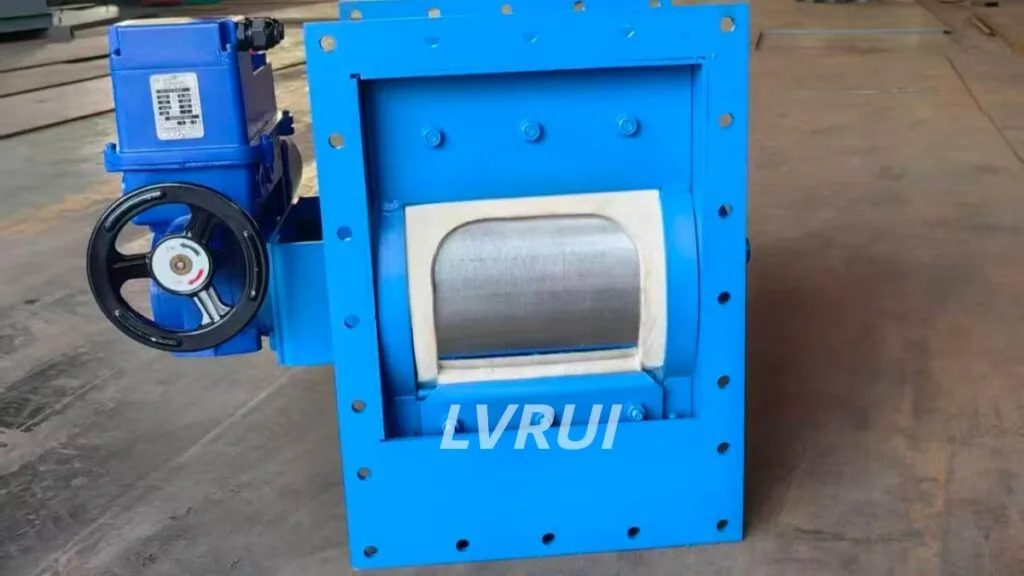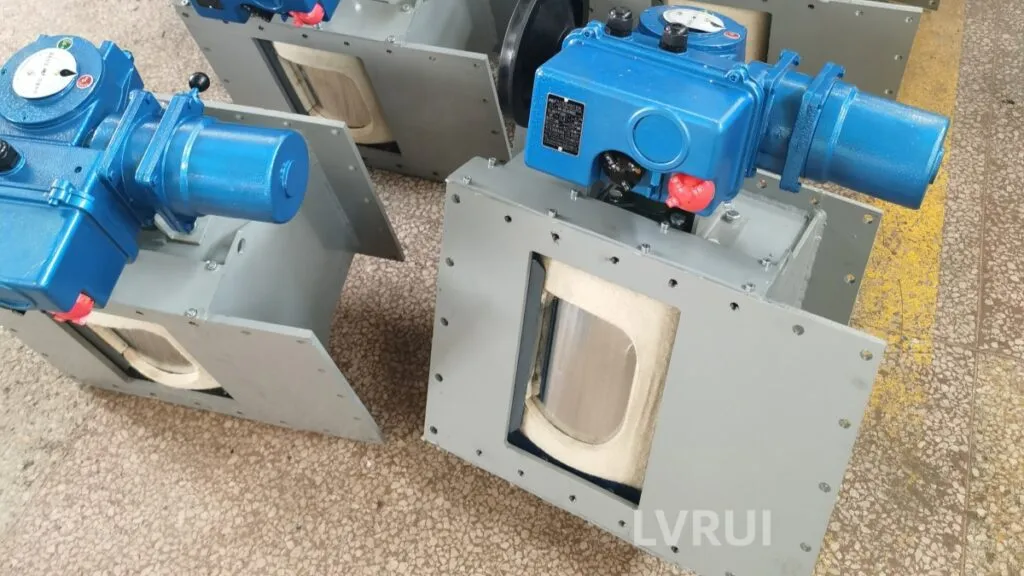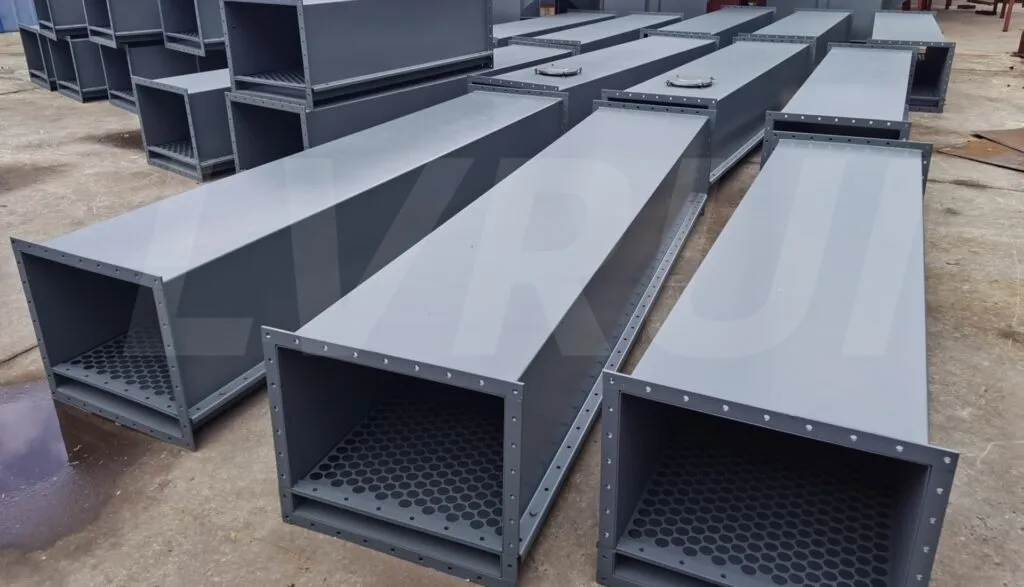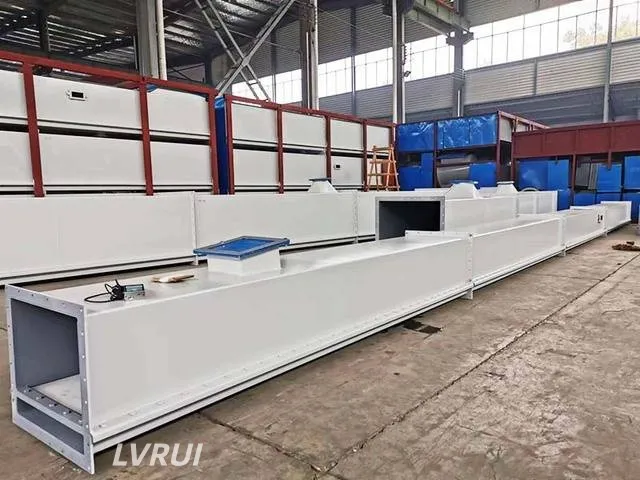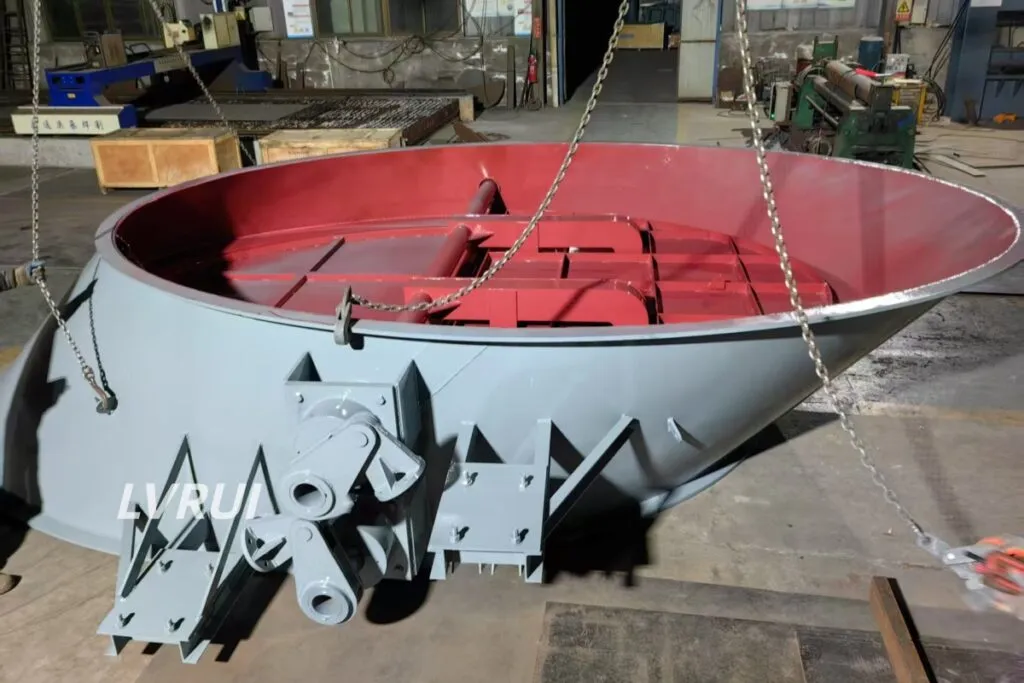
Louver damper valve installed in industrial duct system

Louver Damper Valves for Industrial Airflow Control: Design, Applications & Selection Guide

Louver damper valves are widely used in industrial ventilation, dust collection, and kiln exhaust systems to regulate airflow volume and balance system pressure.
This article explains the working principle of louver dampers, compares them with butterfly dampers, and outlines key design considerations, applications, and selection tips for cement plants and bulk material handling facilities.
Louver Damper Valves for Industrial Airflow Control: Design, Applications & Selection Guide Read More »

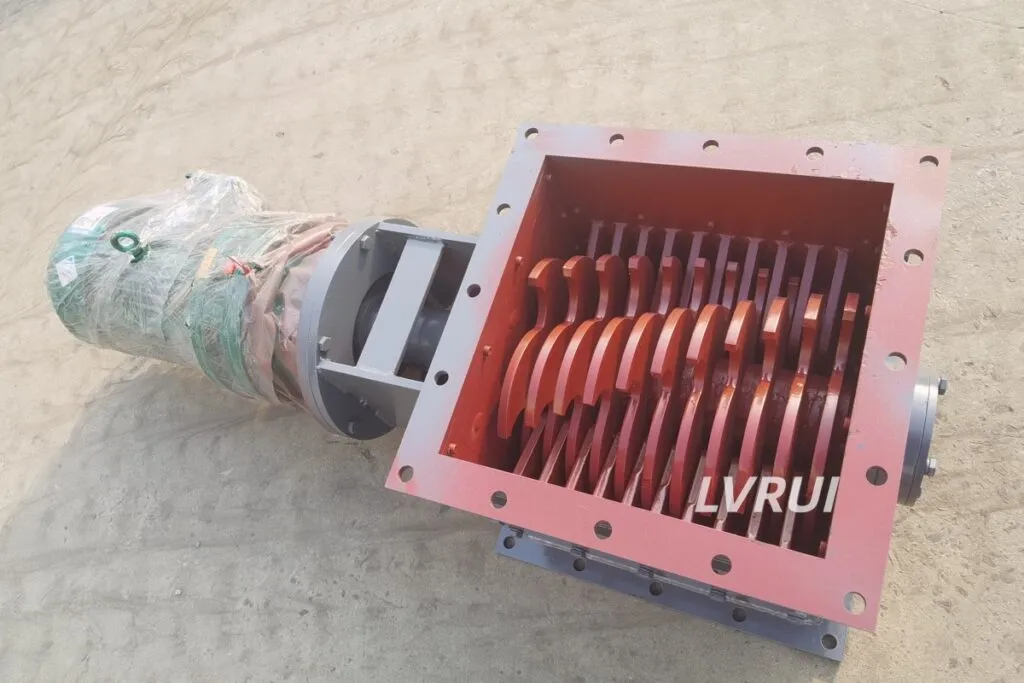
Lump breaker installed at cement silo discharge to prevent arching and blockage

Lump Breakers for Cement Silo Discharge: Prevent Arching & Ensure Smooth Material Flow

Cement silo discharge is a critical stage in bulk material handling systems, where flow problems such as arching, bridging, and material agglomeration frequently occur. These issues can disrupt downstream equipment, reduce conveying efficiency, and increase maintenance costs.
This article explains how lump breakers installed at cement silo bottoms effectively eliminate material blockages, stabilize material flow, and protect conveying equipment such as air slide conveyors, screw conveyors, and rotary valves—ensuring reliable and continuous cement handling operations.

Lump Breakers for Cement Silo Discharge: Prevent Arching & Ensure Smooth Material Flow Read More »

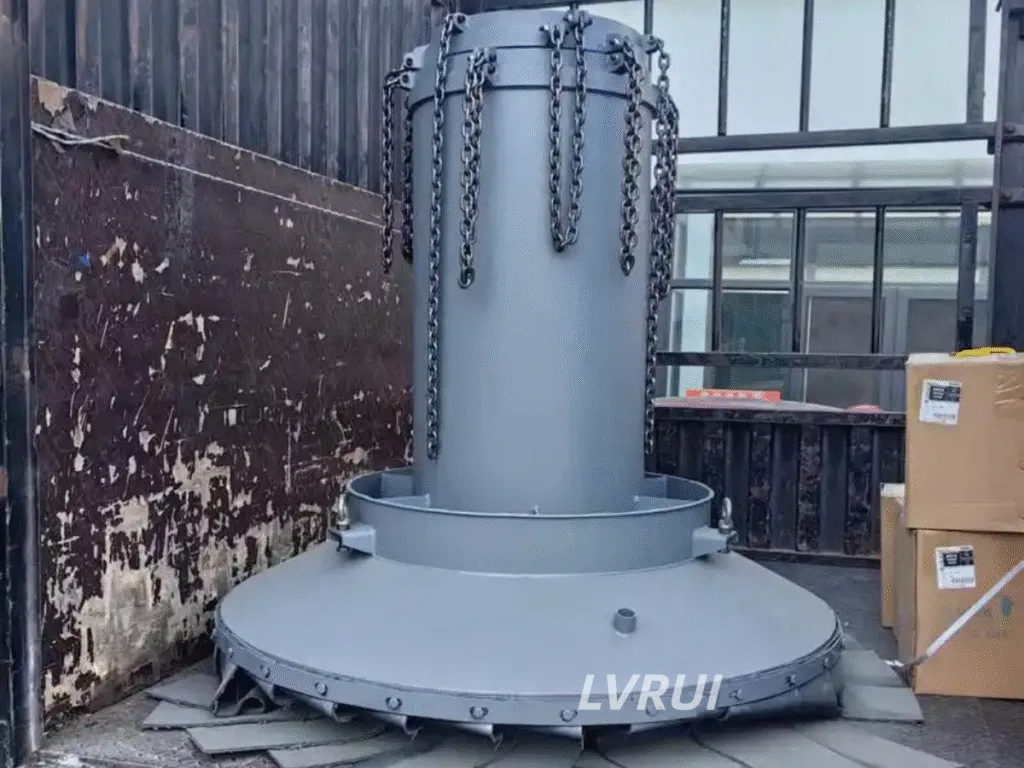
Telescopic chute used in bulk material handling system for cement and powder loading

Telescopic Chutes in Bulk Material Handling Systems: Design, Applications, and Dust Control Solutions

Telescopic chutes are widely used in bulk material handling systems to achieve controlled, dust-free loading of dry bulk materials such as cement, fly ash, lime powder, and mineral fines.
This article explains how telescopic chutes work, their key design features, typical industrial applications, and how they integrate with conveying, flow control, and dust collection systems in modern cement and powder handling plants.

Telescopic Chutes in Bulk Material Handling Systems: Design, Applications, and Dust Control Solutions Read More »

flow control gate used in air slide conveyor system

Flow Control Gates Used in Air Slide Conveyor Systems

Flow control gates play a critical role in air slide conveyor systems by regulating material flow, stabilizing air fluidization, and protecting downstream equipment. In cement plants and bulk powder handling systems, proper integration of flow control gates ensures consistent conveying performance and prevents material blockage or overload. This article explains how flow control gates are used in air slide conveyor systems, typical installation positions, and key selection considerations for engineering applications.

Flow Control Gates Used in Air Slide Conveyor Systems Read More »

Motorized flow control gate with electric actuator – LVRUI

Flow Control Gate Valve Applications and Performance Factors in Bulk Material Handling Systems

Flow control gate valves are widely used in bulk material handling systems to regulate material flow with high accuracy and reliability. Their real performance, however, depends on several critical factors including material characteristics, sealing structure, actuation method, and installation position. This article explains the key application scenarios of flow control gate valves and analyzes the main performance factors that engineers should consider when designing or upgrading bulk material handling systems.

Flow Control Gate Valve Applications and Performance Factors in Bulk Material Handling Systems Read More »

LVRUI Industrial Air Slide Conveyor for Cement and Bulk Powder Materials

Air Slide Conveyor Capacity Calculation: How to Size the System Correctly

Air slide conveyor capacity calculation is a critical engineering process used to ensure stable, continuous, and energy-efficient bulk powder conveying. Unlike mechanical conveyors, air slide systems rely on fluidized material flow driven by gravity and low-pressure air. Proper capacity sizing requires coordinated evaluation of material properties, conveyor geometry, inclination angle, and air supply conditions. Accurate calculation helps prevent unstable flow, material buildup, and excessive air consumption in cement and fine powder handling applications.

Air Slide Conveyor Capacity Calculation: How to Size the System Correctly Read More »

Complete LVRUI Air Slide Conveyor System for Cement and Fly Ash

How to Select the Right Air Slide Conveyor for Different Bulk Materials (Cement, Fly Ash & Lime)

Selecting the right Air Slide Conveyor depends heavily on the properties of the conveyed material. Cement, fly ash, and lime powder differ significantly in particle size, bulk density, flowability, and moisture sensitivity. This guide explains how material characteristics influence air slide design, helping engineers choose the most suitable air slide conveyor configuration for stable, efficient, and dust-free bulk material handling.

How to Select the Right Air Slide Conveyor for Different Bulk Materials (Cement, Fly Ash & Lime) Read More »

Air slide conveyor design parameters including air flow, slope angle and conveying capacity

Air Slide Conveyor Design Parameters Explained: Air Flow, Length, Slope & Capacity

Designing an efficient air slide conveyor system is not just about selecting the right equipment — it requires a precise understanding of key engineering parameters such as airflow rate, conveyor length, slope angle, and material capacity.
In this article, we break down the most critical air slide conveyor design parameters and explain how each factor directly affects conveying efficiency, stability, and long-term operation in cement plants and bulk material handling systems.

Air Slide Conveyor Design Parameters Explained: Air Flow, Length, Slope & Capacity Read More »

Air slide conveyor system for long-distance cement powder conveying in cement plant

Air Slide Conveyor System Design for Long-Distance & High-Capacity Powder Transport

Air slide conveyors are widely used in cement plants and bulk powder handling systems due to their low energy consumption, dust-free operation, and minimal maintenance. When conveying fine powders over long distances or at high throughput, proper system design becomes critical. This article explains how to design an air slide conveyor system for long-distance and high-capacity powder transport, covering layout planning, aeration design, airflow calculation, material properties, and common engineering considerations. Practical tips and application examples are provided to help engineers achieve stable, efficient, and reliable powder conveying performance.

Air Slide Conveyor System Design for Long-Distance & High-Capacity Powder Transport Read More »

Industrial loading spout for cement, fly ash, and powder bulk material handling

How to Choose the Right Loading Spout for Cement, Fly Ash, and Powder Handling

A Loading Spout is a critical component in bulk material handling systems, designed to ensure controlled, dust-free loading of cement, fly ash, and other powdered materials into trucks, silos, or ships. Choosing the right loading spout depends on material characteristics, loading environment, dust control requirements, and system integration.
This guide explains key selection criteria, common loading spout types, and best practices for industrial applications.

How to Choose the Right Loading Spout for Cement, Fly Ash, and Powder Handling Read More »

Industrial twin shaft lump breaker for bulk material handling systems

How to Choose the Right Lump Breaker for Different Bulk Material Applications

Lump breakers are essential for maintaining stable material flow in bulk material handling systems. However, selecting the wrong type or size of lump breaker can lead to excessive wear, poor crushing performance, or system bottlenecks. This guide explains how to choose the right lump breaker based on material characteristics, lump size, throughput, installation position, and downstream equipment requirements—helping engineers and plant operators optimize efficiency and reliability.

How to Choose the Right Lump Breaker for Different Bulk Material Applications Read More »

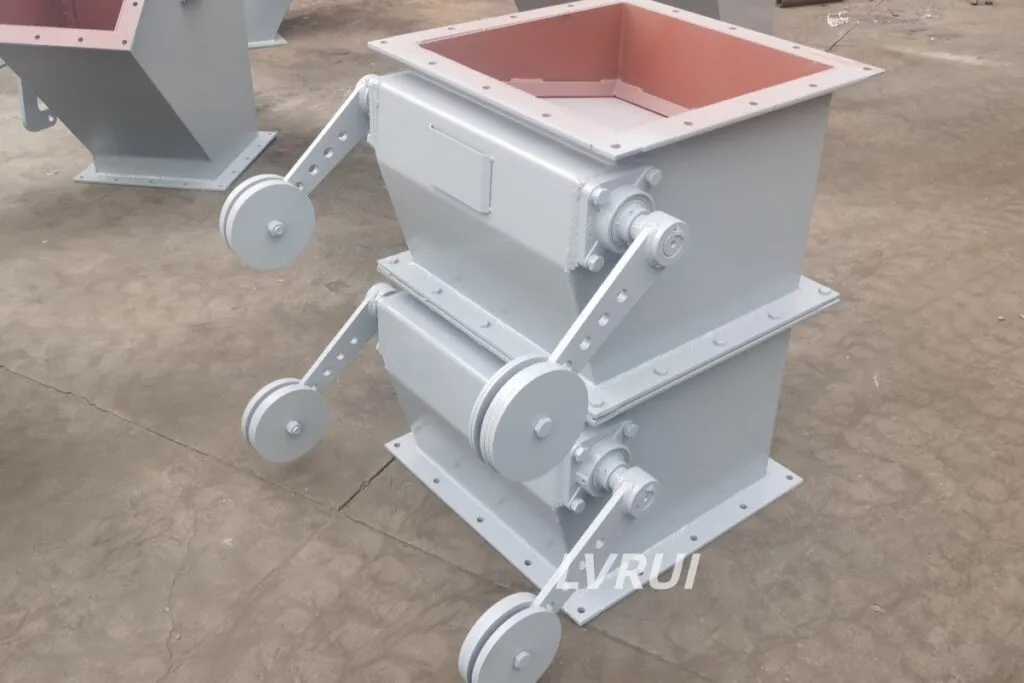
Double flap valve for bulk material discharge in cement plant

Double Flap Valve for Bulk Material Handling

A Double Flap Valve is a critical dust-tight discharge device widely used in cement plants, power stations, and bulk material handling systems. It enables controlled material discharge while maintaining effective airlock performance, preventing air leakage and pressure loss. This article explains the working principle, key advantages, typical applications, and selection guidelines for double flap valves in industrial conveying systems.

Double Flap Valve for Bulk Material Handling Read More »