How to Install a Dust-Free Cement Loading Spout System
Why Proper Installation Matters
Bulk Loading Spout Installation is a critical engineering process that ensures stable material flow, effective dust control, and safe truck loading operations in cement plants.
Incorrect installation may cause:
- Dust leakage
- Material flow instability
- Bellows misalignment
- Premature wear
A correctly installed loading spout enables:
✔ Stable loading
✔ Reduced dust emission
✔ Safe truck positioning
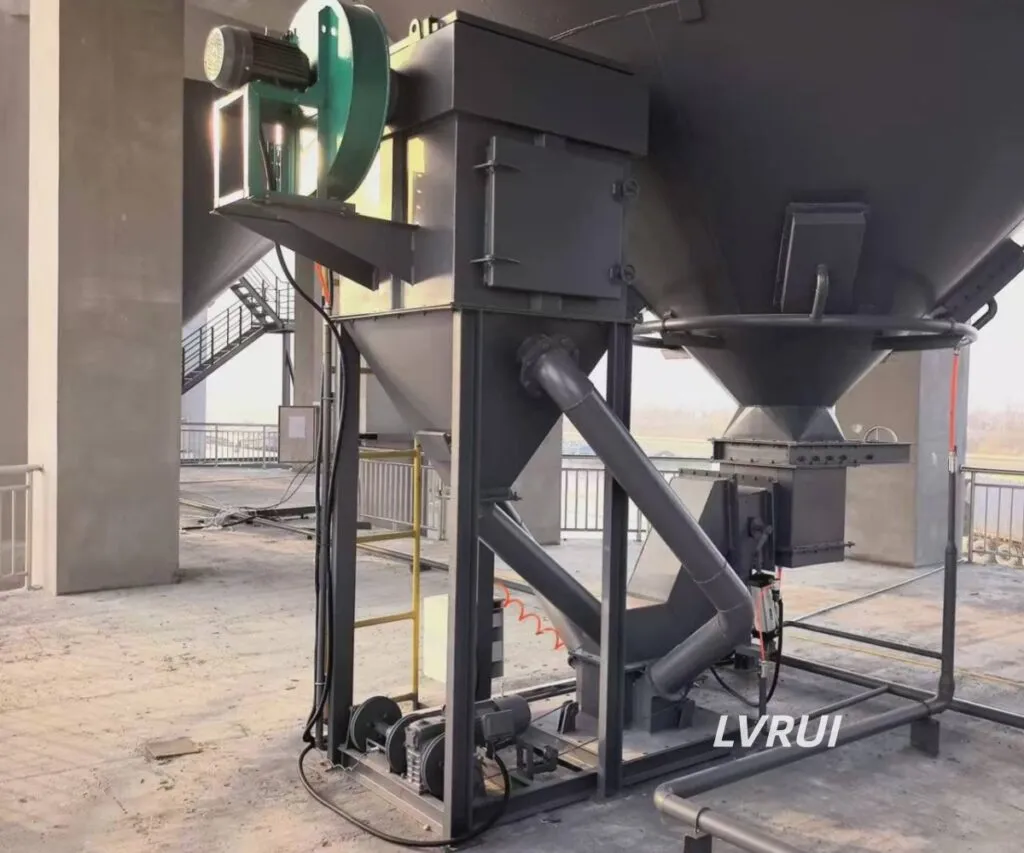
Proper Bulk Loading Spout Installation reduces dust emission and improves loading stability in cement silo discharge systems. Before installation, the loading capacity, chute travel, tanker inlet size, dust extraction interface and lifting method must be confirmed. View our bulk loading spout options for preliminary equipment selection.
To understand the full loading system concept, refer to theBulk Loading Spout Engineering Guide.
Installation Location Requirements
A bulk loading spout should be installed at the final discharge point where material enters the truck, tanker or other receiving equipment.
Depending on the plant layout, the upstream arrangement may include:
- Direct connection below a silo or hopper outlet
- Installation downstream of a flow control gate
- Installation after an air slide conveyor or other feeding equipment
The selected position should provide sufficient structural support, vertical clearance, loading travel and access for dust extraction and maintenance.
Step-by-Step Installation Process
Step 1 — Structural Mounting
Ensure:
- Flange alignment
- Load-bearing support
- Vibration isolation
Reference for silo handling system design:
👉 cement bulk loading infrastructure
Step 2 — Vertical Alignment
During Bulk Loading Spout Installation, vertical alignment must be precisely adjusted to match truck inlet positioning.
The telescopic loading spout must be:
- Centered with truck inlet
- Vertically aligned
Misalignment leads to:
- Dust escape
- Uneven loading
Step 3 — Dust Collection Integration
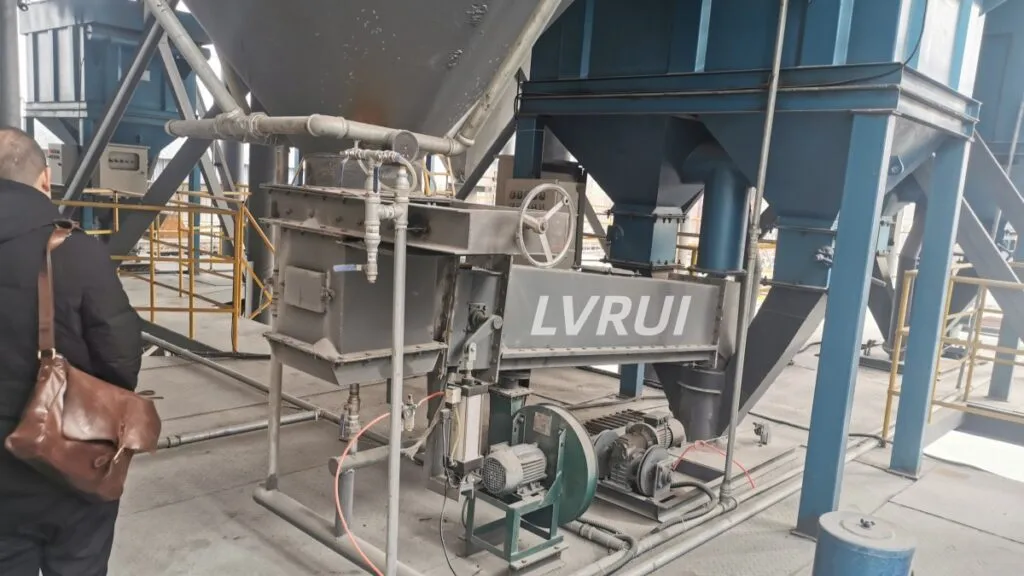
Connect:
- Dust return line
- Extraction interface
Reference for dust control standards:
👉 industrial dust control in cement handling
Step 4 — Motorized Lifting Calibration
Check:
✔ Lifting speed
✔ Stroke distance
✔ Limit switch accuracy
Step 5 — Commissioning and Functional Check
Before normal operation, perform a no-load movement test and a controlled material-loading test.
Check:
- Smooth extension and retraction
- Upper and lower limit switch operation
- Alignment with the truck or tanker inlet
- Stable material flow
- Sealing at the loading interface
- Dust extraction or return-air performance
- Emergency stop and interlock functions where included
Any abnormal movement, dust leakage or unstable material flow should be corrected before continuous operation. After commissioning, regular inspection of the bellows, lifting mechanism, sealing components and dust-control interface is required. See our Bulk Loading Spout Maintenance Guide for routine maintenance checks.
Common Installation Mistakes
❌ Installing before flow regulation
❌ Misaligned mounting flange
❌ Ignoring dust return connection
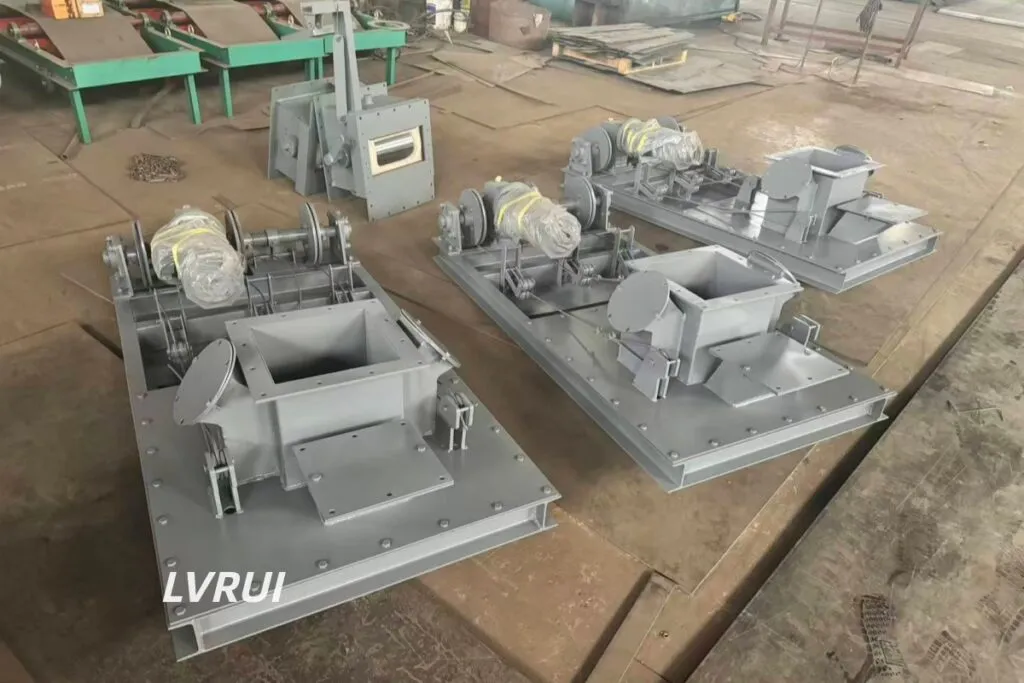
Integration with Silo Discharge System
Bulk loading spouts operate as part of:
- Air slide conveyor
- Flow control gate
- Aeration system
To understand airflow support:
👉 Aeration Pads in Cement Silo
Installation Safety Considerations
During Bulk Loading Spout Installation, safety checks must include:
✔ Structural load capacity
✔ Lifting motor protection
✔ Emergency stop function
✔ Dust sealing verification
Proper safety configuration prevents equipment failure and protects operators during truck loading operations.
FAQs About Bulk Loading Spout Installation
Where should a bulk loading spout be installed?
A bulk loading spout should be installed at the final discharge point where material enters the truck, tanker or other receiving equipment. Depending on the plant layout, it may be mounted directly below a silo or hopper, downstream of a flow control gate, or after an air slide conveyor or other feeding equipment.
Is a dust collection connection always required?
Not in every application, but dust extraction is strongly recommended when loading fine powders such as cement, fly ash or lime powder. The required connection and airflow depend on material dustiness, loading rate, receiving vehicle and the existing plant dust-control system.
How should a loading spout be aligned with a tanker inlet?
The loading spout should be vertically aligned with the expected tanker inlet position and have sufficient travel to reach the loading connection without excessive side load. Tanker positioning tolerance should also be considered when determining the outlet structure and lifting range.
What structural support is required for a bulk loading spout?
The support structure must carry the weight of the loading spout, lifting mechanism and operating loads without excessive movement or distortion. Mounting dimensions, bolt arrangement and available vertical clearance should be confirmed before installation.
How should limit switches be checked during commissioning?
The upper and lower limit switches should be tested during a no-load movement cycle before material is introduced. They should stop the lifting mechanism consistently at the required parked and operating positions without allowing over-travel.
Can a bulk loading spout be connected to an existing silo or air slide conveyor?
Yes. A loading spout can often be integrated with an existing silo, hopper, air slide conveyor or other compatible feeding equipment. The outlet dimensions, feed capacity, installation height, support structure and control interface should be checked before confirming the connection design.
What should be checked before the first material-loading test?
Before the first loading test, confirm the mounting bolts, lifting direction, travel limits, loading-spout alignment, electrical interlocks and dust-control connection. The first material test should use a controlled feed rate so that material flow, sealing and dust performance can be observed safely.
What can cause abnormal movement during commissioning?
Abnormal movement can result from incorrect alignment, lifting cable or chain interference, incorrect limit-switch settings, insufficient clearance or mechanical obstruction. These installation and commissioning issues should be corrected before the equipment enters normal operation.
Conclusion
Proper Bulk Loading Spout Installation ensures reliable, dust-free, and stable cement truck loading operations. For equipment supply, customized dimensions and quotation support, contact LVRUI about a bulk loading spout for your cement or dry bulk loading system.
Need Help Reviewing Your Loading Spout Installation?
Send LVRUI your material, loading capacity, silo or conveyor outlet dimensions, installation height, required telescopic travel, truck or tanker inlet dimensions, dust-collection arrangement and available site drawings or photos.
Based on this information, LVRUI can review the proposed installation position, mounting interface, loading-spout travel, dust-control connection and control requirements before equipment supply or commissioning.
Email: info@lvrui-conveyor.com
WhatsApp: +86-18261998937
WeChat: +86-18261998937