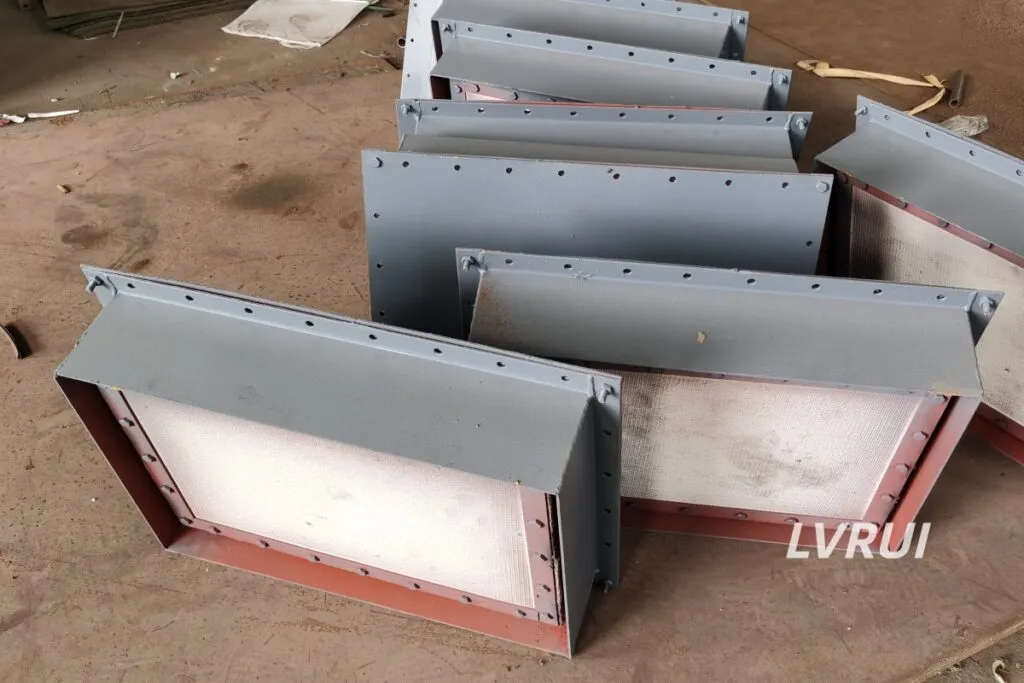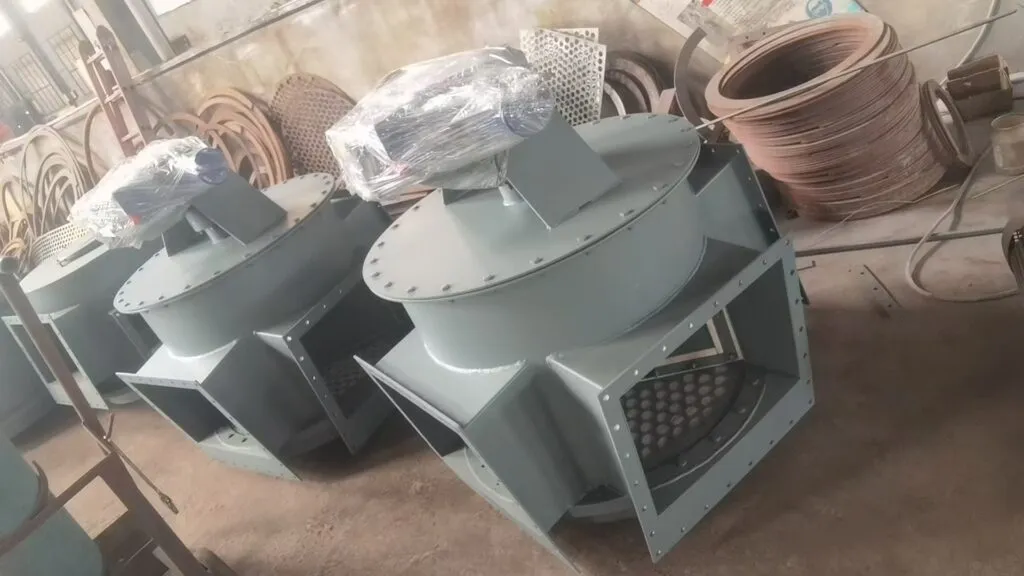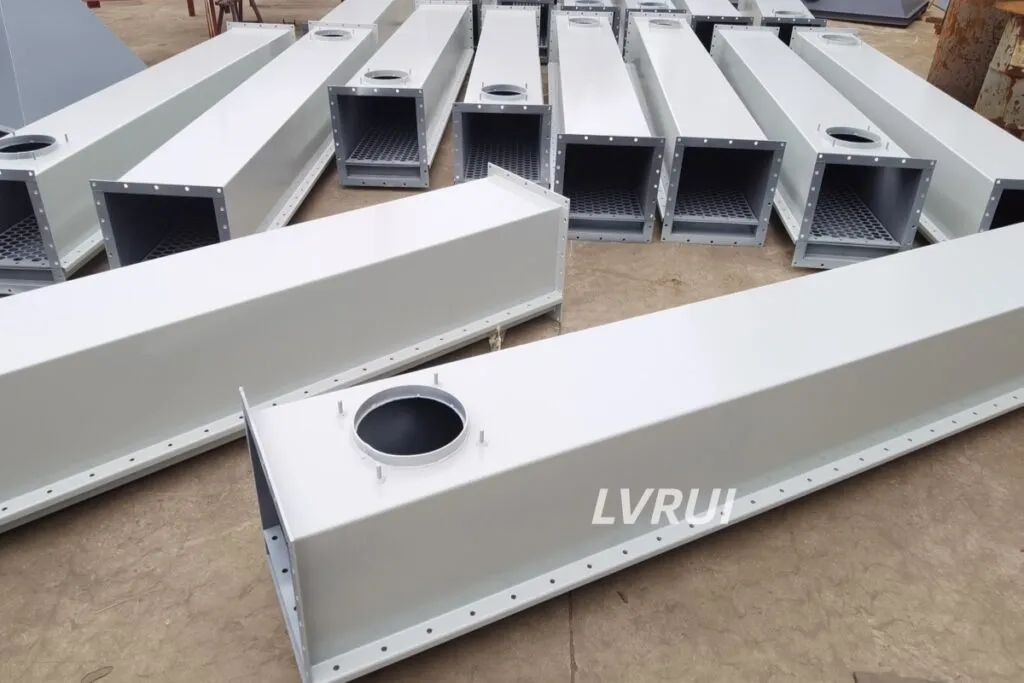
Air slide conveyor design parameters including air flow, slope angle and conveying capacity

Air Slide Conveyor Design Parameters Explained: Air Flow, Length, Slope & Capacity

Designing an efficient air slide conveyor system is not just about selecting the right equipment — it requires a precise understanding of key engineering parameters such as airflow rate, conveyor length, slope angle, and material capacity.
In this article, we break down the most critical air slide conveyor design parameters and explain how each factor directly affects conveying efficiency, stability, and long-term operation in cement plants and bulk material handling systems.

Air Slide Conveyor Design Parameters Explained: Air Flow, Length, Slope & Capacity Read More »

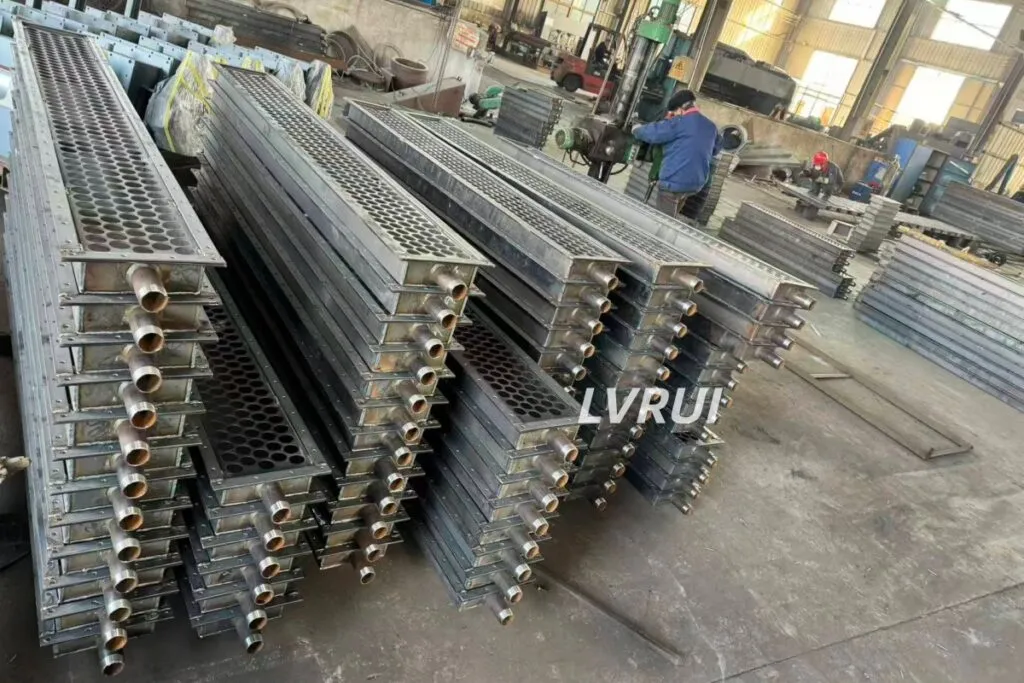
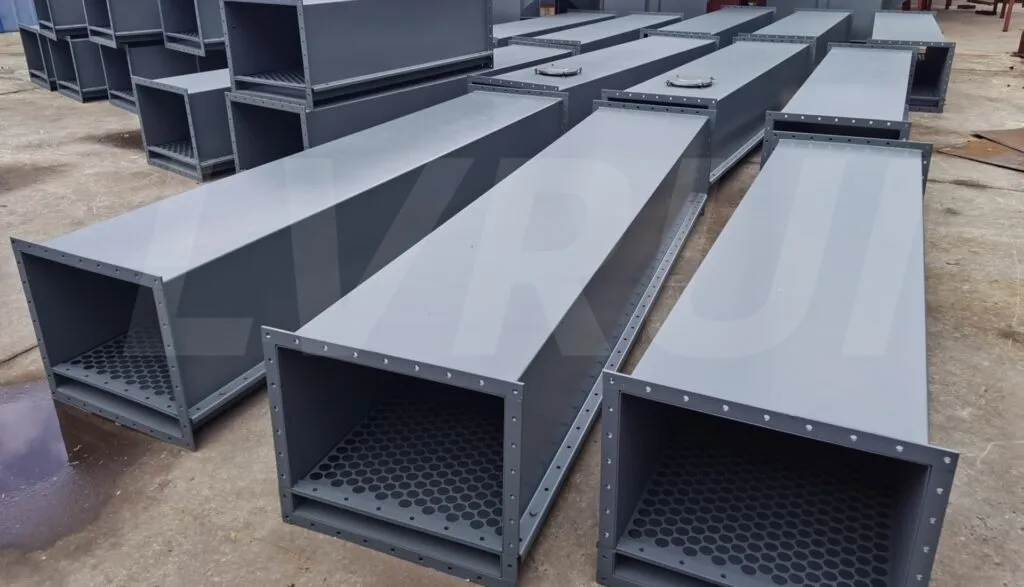
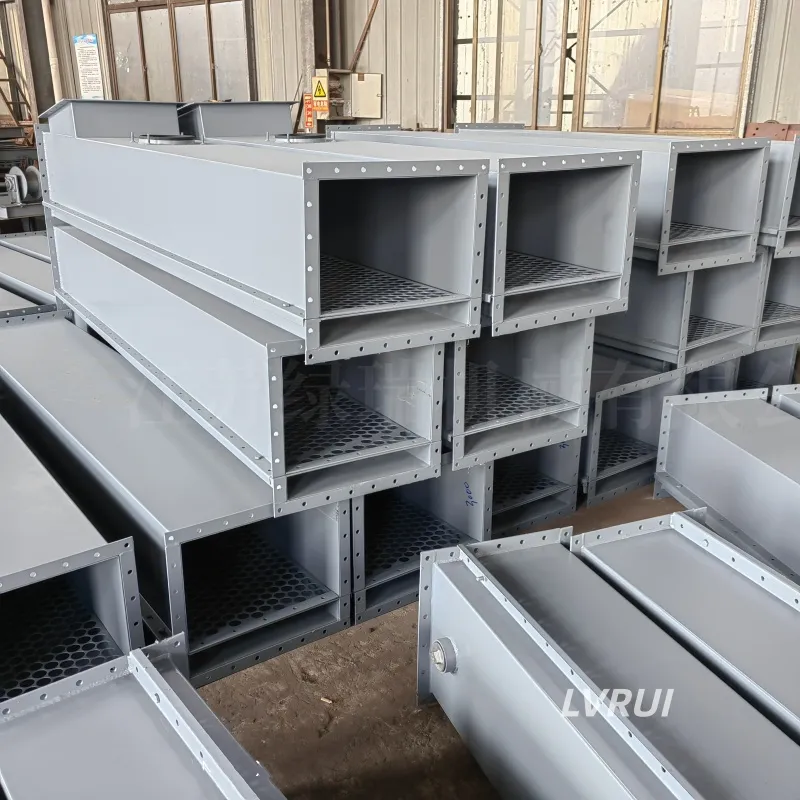
Air slide conveyor system for long-distance cement powder conveying in cement plant

Air Slide Conveyor System Design for Long-Distance & High-Capacity Powder Transport

Air slide conveyors are widely used in cement plants and bulk powder handling systems due to their low energy consumption, dust-free operation, and minimal maintenance. When conveying fine powders over long distances or at high throughput, proper system design becomes critical. This article explains how to design an air slide conveyor system for long-distance and high-capacity powder transport, covering layout planning, aeration design, airflow calculation, material properties, and common engineering considerations. Practical tips and application examples are provided to help engineers achieve stable, efficient, and reliable powder conveying performance.

Air Slide Conveyor System Design for Long-Distance & High-Capacity Powder Transport Read More »

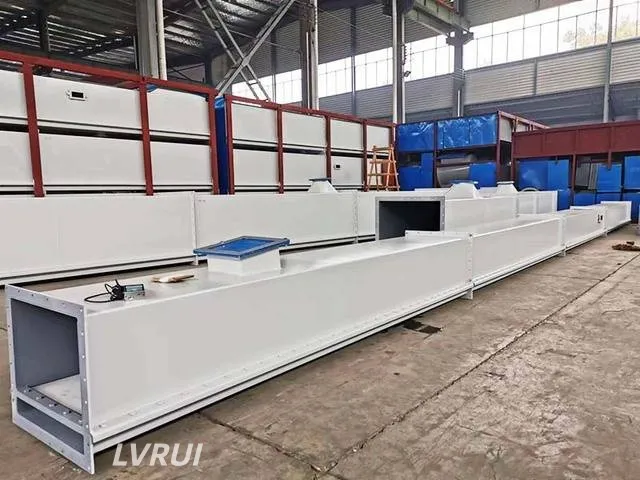
Air slide conveyor system layout for cement plant powder conveying

How to Design an Efficient Air Slide Conveyor System for Cement Plants

Designing an efficient air slide conveyor system is critical for stable, low-energy transport of cement, raw meal, and fly ash. This article explains practical engineering principles—material properties, inclination angle, aeration design, air supply control, layout, and maintenance—to help cement plants achieve reliable powder conveying with minimal downtime.

How to Design an Efficient Air Slide Conveyor System for Cement Plants Read More »

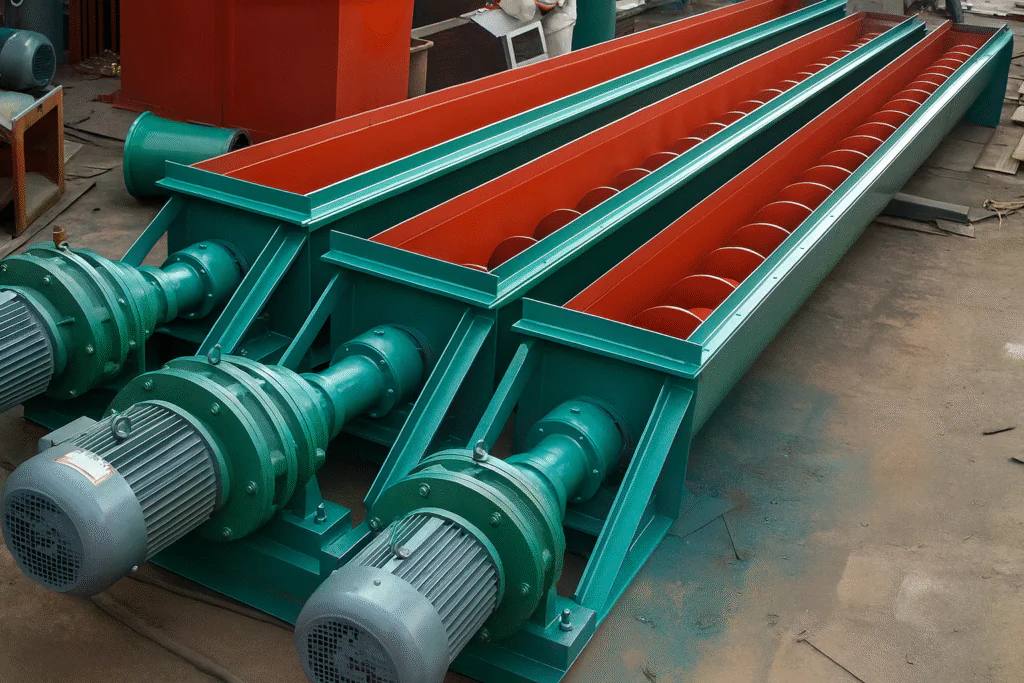
U-type screw conveyor for cement and powder material handling

Air Slide Conveyor vs Screw Conveyor – Which One to Choose for Cement Plants?

Choosing the right conveying equipment is critical for cement plants handling fine powders such as cement, fly ash, and limestone. Air slide conveyors and screw conveyors are two of the most commonly used systems, each with distinct working principles, advantages, and application scenarios. This article compares air slide conveyors and screw conveyors in terms of energy consumption, material suitability, installation layout, and maintenance requirements—helping cement plant engineers select the most efficient solution for their process line.

Air Slide Conveyor vs Screw Conveyor – Which One to Choose for Cement Plants? Read More »

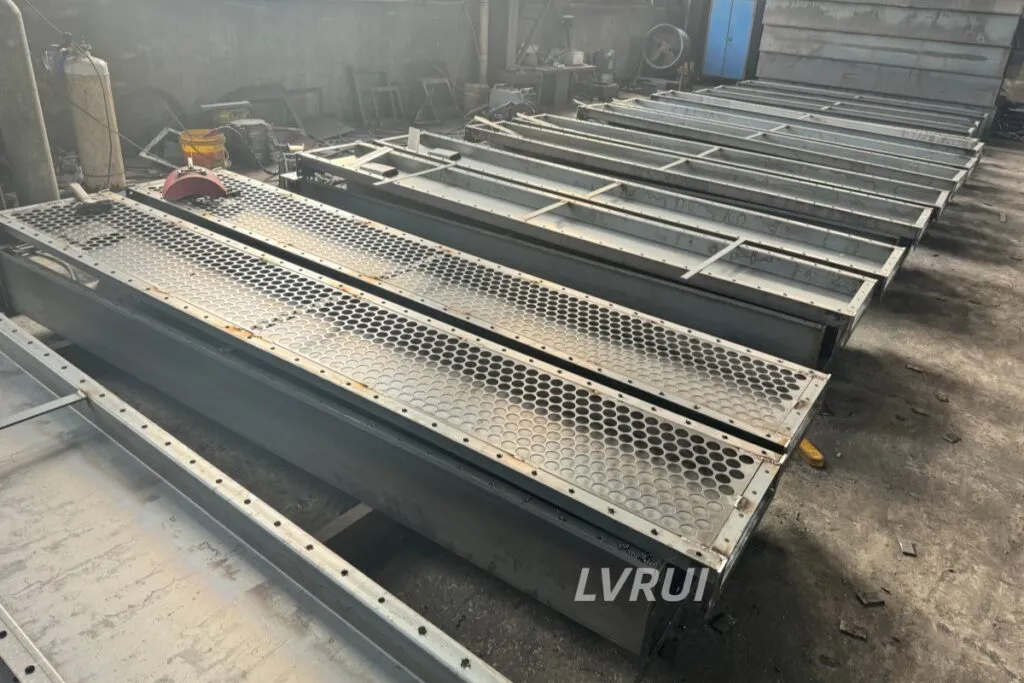
Common problems of air slide conveyor including poor material flow, dust leakage, and clogging in cement powder handling systems – LVRUI

Common Problems of Air Slide Conveyors (And How to Fix Them)

Air Slide Conveyors are widely used in cement plants and bulk material handling systems due to their low energy consumption, dust-free operation, and simple structure. However, improper design, incorrect operating parameters, or unsuitable materials can cause frequent operational problems. This article explains the most common air slide conveyor problems, their root causes, and proven engineering solutions to ensure stable, efficient powder conveying performance.

Common Problems of Air Slide Conveyors (And How to Fix Them) Read More »

Aeration pad installed in cement silo cone to improve powder flow and prevent blockage

Aeration Pad vs Aeration Box: What’s the Difference in Cement Silo Applications?

In cement and bulk material handling industries, the terms aeration pad and aeration box are often used interchangeably, which can cause confusion for engineers and procurement teams. This article explains the technical differences, naming conventions, and typical applications of aeration pads and aeration boxes in cement silos, fly ash storage, and powder discharge systems.

Aeration Pad vs Aeration Box: What’s the Difference in Cement Silo Applications? Read More »

How Air Slide Conveyors Work – Air Gravity Principle Explained

Air slide conveyors use the air gravity principle to transport fine powder materials such as cement, fly ash, and limestone with extremely low energy consumption. This article explains how air slide conveyors work, the science behind air gravity conveying, the role of air slide fabric, key operating conditions, and why this technology is widely used in cement plants and bulk material handling systems.

How Air Slide Conveyors Work – Air Gravity Principle Explained Read More »