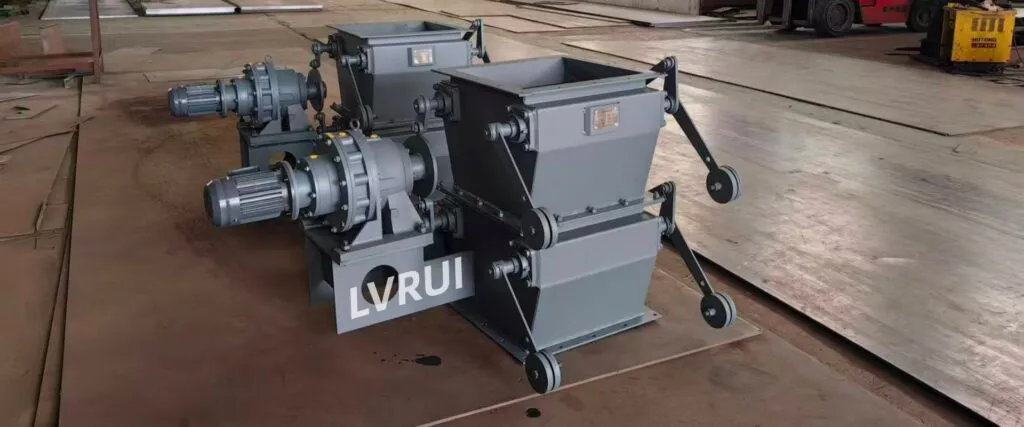
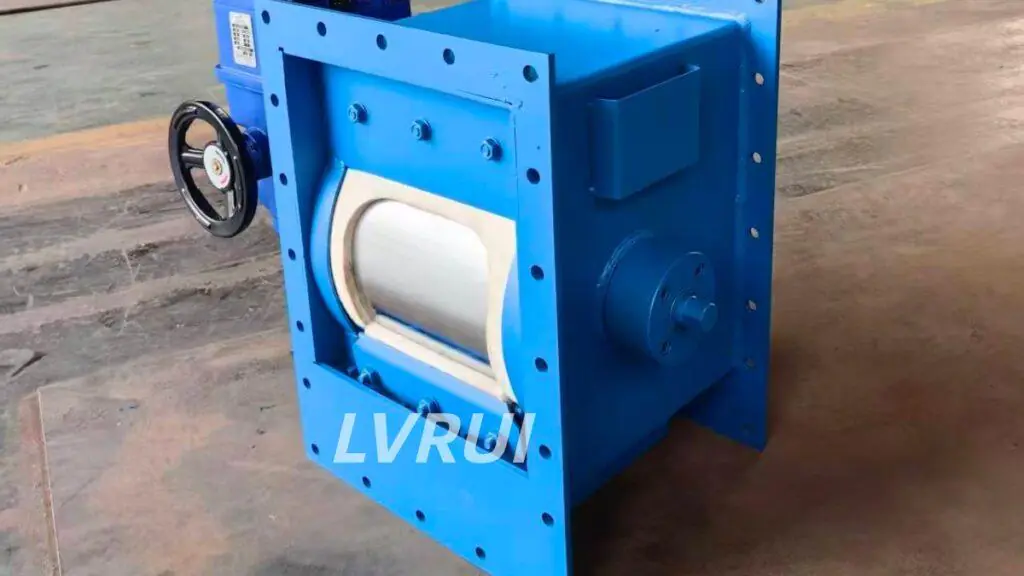
Where Lump Breaking Equipment Is Used Before Conveyors, Feeders, Rotary Valves and Bagging Systems
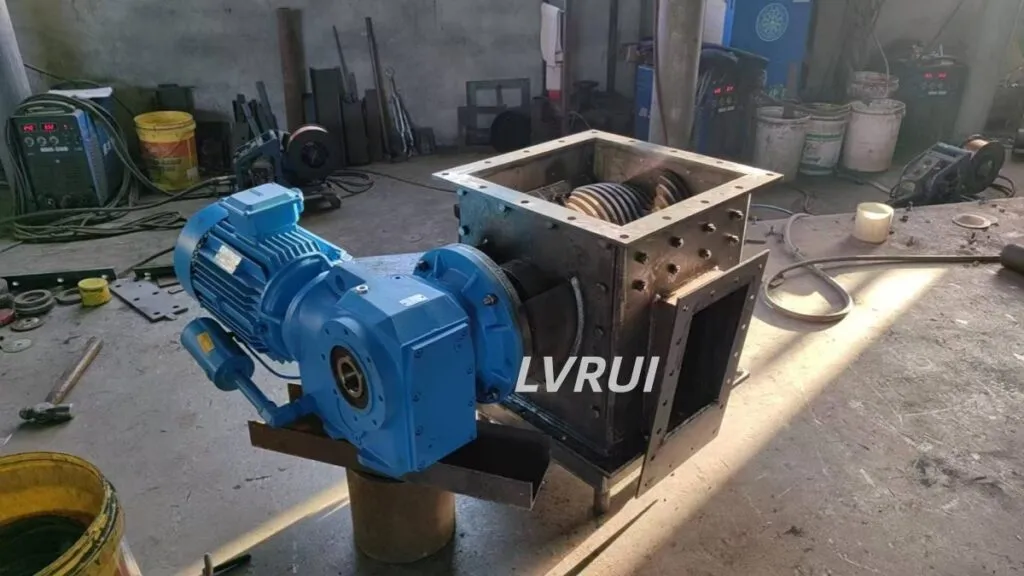
Why Industrial Lump Breaker Applications Matter
Dry bulk materials do not always remain free-flowing. During storage, transportation, moisture exposure or long shutdown periods, powders and granules may compact, cake or form agglomerates.
These lumps may cause problems when they enter downstream equipment.
Typical issues include:
√ Silo outlet blockage
√ Hopper discharge problems
√ Conveyor inlet overload
√ Rotary valve jamming
√ Feeder instability
√ Mixer feeding problems
√ Bagging machine interruption
√ Bulk loading instability
√ Manual cleaning and downtime
Industrial lump breaker applications are mainly found at points where oversized lumps must be reduced before the material enters sensitive downstream equipment. The goal is not fine grinding. The goal is to restore material flow and protect the next process.
What Is an Industrial Lump Breaker Used For?
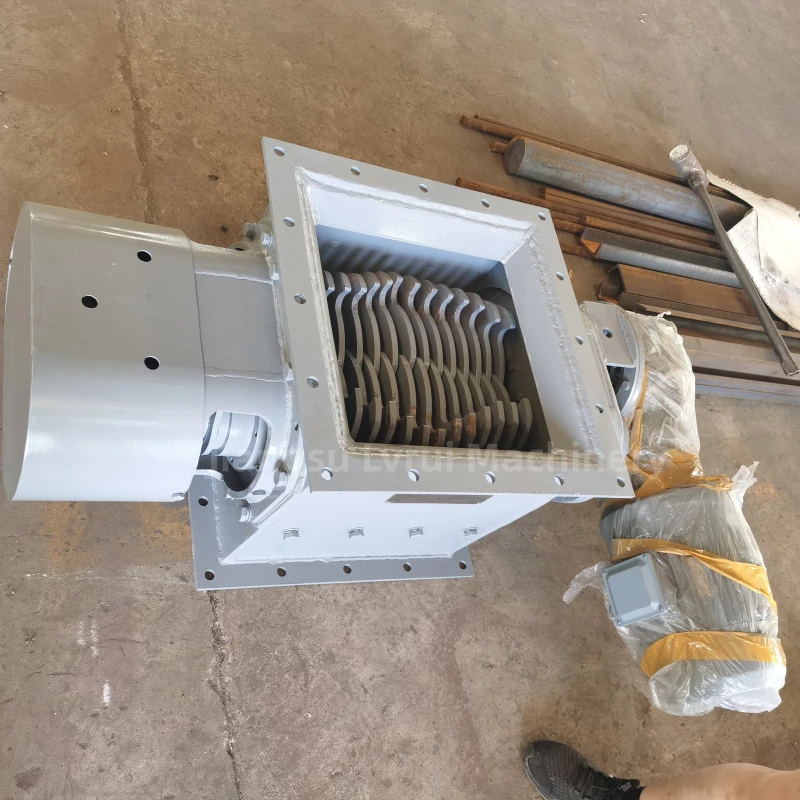
An industrial lump breaker is used to break compacted or agglomerated dry bulk materials into smaller, flowable particles. It is commonly installed below silos, hoppers, big bag discharge stations, transfer chutes or upstream of conveyors and feeders.
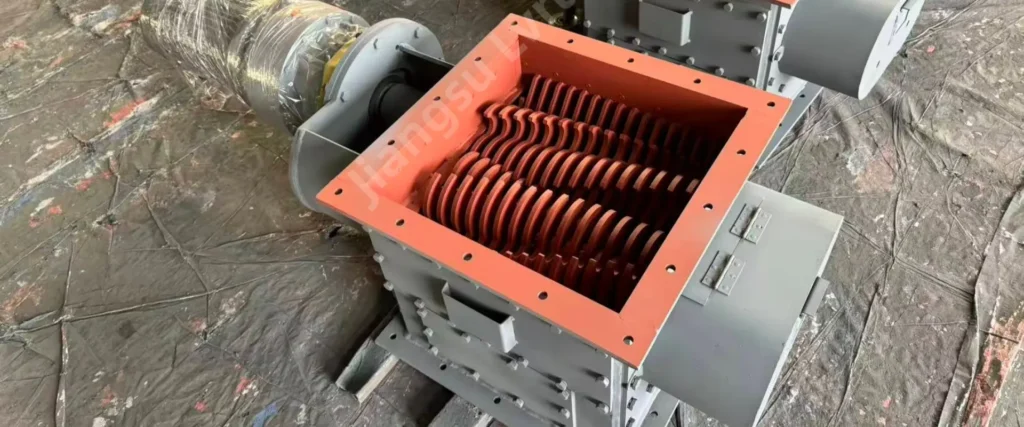
It is different from a high-speed crusher. A lump breaker usually works at lower speed with high torque, using blades, shafts or comb structures to break lumps without producing excessive fines.
It is commonly used when:
√ Material forms lumps during storage
√ Powder becomes compacted in silos or bags
√ Agglomerates block downstream equipment
√ Conveyors receive oversized material
√ Rotary valves or feeders are jammed by hard pieces
√ Bagging or batching accuracy becomes unstable
√ Operators need to reduce manual cleaning
Common Materials That Need Lump Breaking
Industrial lump breaker applications are not limited to one industry. The equipment can be used for many dry bulk materials that may compact or form lumps.
Common materials include:
√ Cement powder
√ Fly ash
√ Lime powder
√ Gypsum powder
√ Limestone powder
√ Mineral powder
√ Fertilizer granules
√ Chemical powders
√ Salts
√ Sugar
√ Starch
√ Feed materials
√ Dry additives
√ Filter cake fragments
√ Hygroscopic powders
The final design depends on material hardness, moisture level, lump size, abrasiveness, required capacity and downstream equipment.
For very hard, sticky or wet materials, the rotor structure, blade material and drive power should be checked carefully before selection.
Application 1: Below Silos and Hoppers
One of the most common industrial lump breaker applications is below silos or hoppers.
When material stays inside a silo or hopper for a long time, it may become compacted by pressure. Moisture or temperature changes may also cause caking. Once the material moves toward the discharge outlet, lumps may block the opening or enter the next machine.
A lump breaking unit can be installed below the silo or hopper to reduce oversized material before it reaches downstream equipment.
This application is common in:
√ Cement silos
√ Fly ash silos
√ Lime silos
√ Mineral powder bins
√ Fertilizer hoppers
√ Chemical powder storage bins
√ Food powder silos
√ Bulk material day bins
In these systems, the main purpose is to improve discharge stability and reduce blockage at the transition point. In silo and hopper discharge systems, industrial lump breaker applications are mainly used to reduce oversized lumps before they reach conveyors or feeders.
Application 2: Before Screw Conveyors
Screw conveyors are designed to move powder or granular materials continuously. They are not designed to receive large hardened blocks.
If lumps enter the screw conveyor inlet, they may cause:
√ Higher motor current
√ Abnormal noise
√ Screw blade overload
√ Reduced conveying capacity
√ Material buildup at the inlet
√ Emergency shutdown
√ Frequent cleaning
Installing lump breaking equipment before the conveyor can help reduce oversized material and protect the screw blade, motor and inlet section.
This is especially useful when the material comes from long-term storage or when the upstream silo is known to form lumps.
Application 3: Before Rotary Valves and Feeders
Rotary valves, star feeders and dosing feeders usually have limited internal clearance. They work best when the material is flowable and relatively uniform.
Large lumps may become trapped between moving parts, causing jamming, wear or unstable feeding.
Typical risks include:
√ Rotor jamming
√ Poor airlock performance
√ Irregular feeding
√ Increased wear
√ Motor overload
√ Unstable batching
√ Poor sealing
For this reason, industrial lump breaker applications are common before rotary valves and feeders, especially where the material is compacted, stored for a long time or sensitive to moisture.
Before rotary valves and feeders, industrial lump breaker applications help reduce jamming risk and improve feeding stability.
Application 4: Before Mixers and Blenders
Mixers and blenders need consistent material feeding. If large lumps enter the mixer directly, mixing quality may become uneven.
Possible problems include:
√ Inconsistent mixing
√ Longer mixing time
√ Poor material distribution
√ Damage to mixing blades
√ Batch quality variation
√ Manual pre-breaking work
A lump breaker can help condition the material before mixing. This is useful in chemical, fertilizer, food powder, mineral powder and building material applications where uniform feeding is important.
Application 5: Before Bagging and Packaging Machines
Bagging machines require stable material flow. If lumps enter the feeding section, the bag filling process may become unstable.
Common problems include:
√ Filling interruption
√ Inaccurate bag weight
√ Blocked filling spout
√ Uneven feeding
√ More manual cleaning
√ Lower packaging efficiency
For powders that compact during storage, a lump breaking device before the bagging machine can help keep the material flow more stable.
This is common in cement packing, dry mortar packing, chemical powder bagging, fertilizer packaging and food powder filling systems.
Application 6: At Big Bag Discharge Stations
Big bags may contain compacted powder or agglomerated material, especially after long storage or transportation.
When the bag is opened, large lumps may fall into the hopper and block the downstream feeder or conveyor.
A lump breaker can be used below the big bag discharge station to reduce lumps before the material enters the process line.
This application is useful for:
√ Cement additives
√ Chemical powders
√ Food ingredients
√ Fertilizer materials
√ Mineral powders
√ Polymer additives
√ Dry bulk raw materials
Application 7: Before Bulk Loading Systems
Bulk loading systems need stable material feeding. If lumps enter the loading chute, loading spout or bulk loader feed point, the loading process may become unstable.
Possible problems include:
√ Loading interruption
√ Unstable discharge flow
√ Material buildup before loading
√ Dust increase due to irregular flow
√ Longer loading time
√ Manual cleaning at the loading point
A lump breaking unit can be installed upstream of the loading system when material lumps repeatedly appear before loading.
For cement-specific silo discharge applications, the product-level solution should be handled by a cement silo lump breaker page, while this blog only explains general industrial lump breaker applications across dry bulk systems.
Industrial Lump Breaker Application Checklist
The following table summarizes typical industrial lump breaker applications in dry bulk material handling systems.
| Application Point | Main Risk | Why Lump Breaking Helps |
|---|---|---|
| Below silo outlet | Lumps block discharge opening | Reduces oversized material before discharge |
| Below hopper | Material bridges or compacts | Restores flow before feeding |
| Before screw conveyor | Inlet overload and blade resistance | Protects conveyor and reduces blockage |
| Before rotary valve | Rotor jamming | Prevents hard lumps entering tight clearance |
| Before feeder | Irregular dosing | Improves material consistency |
| Before mixer | Uneven batch quality | Breaks lumps before blending |
| Before bagging machine | Filling interruption | Improves feeding stability |
| Below big bag station | Compacted powder falls into hopper | Conditions material before conveying |
| Before bulk loading | Unstable loading flow | Protects loading chute and feed point |
This checklist helps separate application logic from product selection. The same type of machine may be used in different positions, but the design should match the actual material and process.
For general dry bulk material handling background, the bulk solids handling reference from BulkInside can be used as an industry resource when checking how powders and bulk solids are stored, conveyed and processed.
How to Select Equipment for Different Applications
The correct equipment should not be selected only by product name. Different industrial lump breaker applications require different configurations.
Before selection, check these points:
√ Material name
√ Maximum lump size
√ Material moisture
√ Material hardness
√ Required capacity
√ Inlet and outlet size
√ Installation position
√ Downstream equipment
√ Required output size
√ Continuous or intermittent operation
√ Cleaning requirement
√ Maintenance access
√ Motor voltage and frequency
For silo discharge, the machine should match the silo outlet and downstream conveyor. For rotary valve protection, the output size should be small enough to pass through the valve safely. For bagging systems, the material should remain flowable enough for stable filling.
Different industrial lump breaker applications require different inlet sizes, rotor structures, motor power and maintenance access.
Single-Shaft, Twin-Shaft and Custom Designs
Industrial lump breakers may use different rotor structures depending on the application.
A single-shaft design is usually suitable for lighter-duty applications, smaller lumps or lower capacity requirements. It is compact and easier to install in limited spaces.
A twin-shaft design is usually more suitable for larger lumps, higher capacity and more stable breaking performance. It can handle heavier-duty applications and is often selected when the material is more compacted or the discharge rate is higher.
Custom designs may be needed when:
√ The inlet size is non-standard
√ The outlet must connect to existing equipment
√ The material is abrasive
√ The material is sticky or humid
√ Stainless steel is required
√ Explosion-proof motor is required
√ Cleaning access must be improved
√ The machine must fit an old plant layout
Maintenance Points for Industrial Lump Breaker Applications
Maintenance should be considered before installation, not after problems appear.
Important maintenance points include:
√ Check blade wear
√ Inspect shaft and bearing condition
√ Confirm motor and reducer operation
√ Clean material buildup near the inlet
√ Check sealing around the housing
√ Keep inspection doors accessible
√ Avoid foreign objects entering the machine
√ Monitor abnormal vibration or noise
√ Check downstream equipment for remaining lumps
If maintenance access is poor, even a good machine may become difficult to operate in the long term.
When Not to Use a Lump Breaker
A lump breaker is useful for breaking agglomerates and restoring material flow, but it is not suitable for every problem.
It may not be the right solution when:
√ The material is extremely sticky
√ The material behaves like wet paste
√ The material requires fine grinding
√ The main problem is poor silo aeration
√ The conveyor is undersized
√ The blockage is caused by foreign objects
√ The required output size is very fine
√ The process needs high-speed crushing
In these cases, the whole process should be checked before choosing equipment. Sometimes a crusher, better aeration, improved discharge design or conveyor modification may be more suitable.
FAQs About Industrial Lump Breaker Applications
What are the most common industrial lump breaker applications?
Common industrial lump breaker applications include silo discharge, hopper discharge, screw conveyor protection, rotary valve protection, feeder stabilization, mixer feeding, bagging machine feeding, big bag discharge and bulk loading systems. These applications are usually found where dry bulk materials form lumps before entering downstream equipment.
Is an industrial lump breaker the same as a crusher?
No. An industrial lump breaker is mainly used to break agglomerates and restore material flow, while a crusher is usually used for stronger size reduction. In most industrial lump breaker applications, the goal is to protect conveyors, valves and feeders rather than produce fine particles.
Can a lump breaker be used before a screw conveyor?
Yes. One common industrial lump breaker application is installing the equipment before a screw conveyor to reduce oversized lumps and protect the conveyor inlet, screw blade and motor from overload.
Can it protect rotary valves?
Yes. If large lumps enter a rotary valve, they may jam the rotor or damage the housing. A lump breaker placed upstream can reduce this risk by breaking oversized material before it reaches the valve chamber.
Which materials are suitable for lump breaking?
Typical materials include cement powder, fly ash, lime powder, gypsum, fertilizer, chemical powders, salts, sugar, starch, minerals and other friable dry bulk materials. The final design should match the material hardness, moisture condition, lump size and required capacity.
Is a twin-shaft design always better?
No. A twin-shaft design is usually better for larger lumps, higher capacity or heavier-duty industrial lump breaker applications. A single-shaft design may be enough for lighter-duty materials, smaller lumps or limited installation space.
What information is needed before selection?
The main information includes material name, lump size, capacity, moisture, hardness, inlet size, outlet size, installation position and downstream equipment. For different industrial lump breaker applications, the inlet connection, rotor structure and motor power may need to be customized.
Can this equipment be customized?
Yes. The inlet, outlet, rotor structure, blade material, housing material, motor power and cleaning access can be customized according to the application. Customization is important because industrial lump breaker applications vary between silos, hoppers, conveyors, rotary valves, bagging systems and bulk loading points.
Contact LVRUI for Dry Bulk Material Handling Solutions
If your dry bulk material handling system has repeated blockage, unstable feeding, rotary valve jamming, bagging interruption or conveyor overload caused by lumps, the application point should be checked before selecting equipment.
Jiangsu Lvrui Machinery Co., Ltd. provides dry bulk material handling equipment for cement plants, grinding stations, fly ash systems, lime powder systems, mineral powder lines and other powder handling applications.
For a proper recommendation, please provide the following information:
√ Material name
√ Maximum lump size
√ Capacity
√ Moisture condition
√ Installation position
√ Inlet and outlet size
√ Downstream equipment
√ Power supply
√ Photos or drawings of the current system
Contact LVRUI for a customized dry bulk material handling solution:
WhatsApp: +86-18261998937
WeChat: +86-18261998937
Email: info@lvrui-conveyor.com
Simplified Indonesian Version
Industrial lump breaker digunakan untuk memecah gumpalan pada material curah kering sebelum material masuk ke conveyor, rotary valve, feeder, mixer, mesin packing, atau sistem loading. Gumpalan dapat terbentuk karena penyimpanan lama, kelembapan, tekanan material, atau proses transportasi.
Aplikasi umum meliputi discharge silo, hopper, screw conveyor, rotary valve, big bag discharge station, bagging machine, dan bulk loading system. Pemilihan alat harus mempertimbangkan jenis material, ukuran gumpalan, kapasitas, kelembapan, posisi instalasi, dan peralatan downstream. Untuk sistem semen, fly ash, kapur, mineral powder, pupuk, bahan kimia, atau powder handling lainnya, desain harus disesuaikan dengan kondisi kerja sebenarnya.