
Aeration Pad for Cement Silo & Bulk Powder Flow Control
High-efficiency Aeration Pad Solution to Improve Powder Flow and Prevent Silo Blockage
What is an aeration pad?
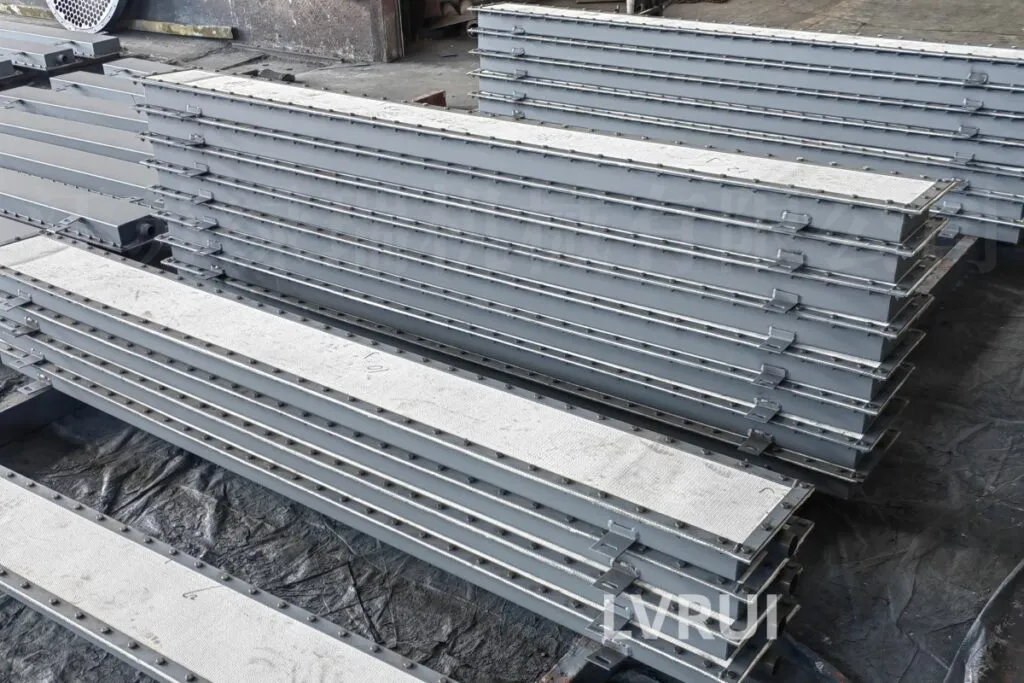
An aeration pad is a powder fluidization device installed in cement silo cones, hoppers, and discharge zones. It uses regulated compressed air from the plant air supply and distributes the air evenly through a breathable fabric or membrane to reduce powder compaction, improve material flowability, and prevent bridging, rat-holing, arching, and silo blockage.
Also called a silo aeration pad or aeration box, it is commonly used for cement, fly ash, lime powder, clinker dust, gypsum powder, and other fine dry bulk materials. In a cement silo discharge system, aeration pads help stabilize material flow before downstream equipment such as air slide conveyors, flow control gates, screw conveyors, and bulk loading systems.
For cement plants and bulk powder handling projects, the main purpose of an aeration pad is not only to solve silo blockage, but also to keep powder discharge stable, continuous, and controllable.
Key Benefits:
✅ Stable powder flow in cement silos and hoppers
✅ Helps prevent bridging, rat-holing, arching, and silo blockage
✅ Uses regulated compressed air for powder fluidization
✅ Improves discharge stability before air slide conveyors or flow control gates
✅ Suitable for cement, fly ash, lime powder, gypsum powder, and clinker dust
Why Aeration Pads Are Needed in Cement Silos
In cement plants and industrial silos, fine powders such as cement and fly ash tend to compact during storage.
This can lead to common flow issues:
✅ Material bridging in silos
✅ Rat-holing and uneven powder flow
✅ Irregular discharge from cement or fly ash storage silos
Aeration pads introduce low-pressure air through a fluidizing membrane to reduce internal friction,
improve powder flowability, and restore stable material discharge.
These solutions are ideal for industrial silos, fly ash powder systems, and bulk material handling operations.
How Aeration Pads Improve Silo Material Flow and Prevent Blockage
Aeration pads enhance cement and fly ash silo discharge performance by creating a controlled fluidized layer along the material-wall interface.
Low-pressure air evenly passes through the aeration membrane, allowing fine powders to temporarily behave like a fluid, reducing cohesion and internal friction.
Key benefits of Aeration Pads in industrial silos include:
✅ Preventing material bridging and rat-holing in cement silos and fly ash storage systems
✅ Ensuring stable and continuous bulk powder discharge in industrial silos
✅ Improving unloading efficiency for trucks, railcars, and bulk loaders
✅ Reducing mechanical stress on flow control gates and downstream conveyor systems
✅ Optimizing powder flow in cement plants, fly ash terminals, and powder storage facilities
Aeration pads act as a critical flow stabilization component within silo discharge systems, improving overall plant efficiency and minimizing downtime.
For a complete industrial powder handling solution, explore our Air Slide Conveyors, Flow Control Gates, and Cement Bulk Loader for full silo conveying integration.
When Should You Use Aeration Pads?
Aeration pads are suitable when fine dry powders lose flowability during storage or discharge. They are commonly used when a silo or hopper has bridging, rat-holing, slow discharge, uneven feeding, or repeated blockage near the outlet.
They are especially useful for cement, fly ash, lime powder, gypsum powder, raw meal, mineral powder, and similar materials that can be fluidized with low-pressure air. For wet, sticky, or heavily lumpy materials, aeration alone may not solve the problem, and the system should be checked together with the discharge gate, lump breaker, conveyor, and air supply layout.
Features
✅ Fluidizing fabric membrane aeration pad for smooth powder flow
✅ Resistant to wear, heat and powder abrasion
✅ Low air pressure and low power consumption
✅ Modular size for easy installation
✅ Works with silo aeration system and bulk loading systems
✅ Designed for cement silo aeration and fly ash discharge systems
✅ Optimized air permeability for low-pressure aeration operation
For general background on pneumatic powder transport systems, Engineering ToolBox provides a useful reference on how dry powders and solids can be transported by air. However, aeration pad selection should still be based on actual silo geometry, material condition, air supply, and discharge requirements.
Technical Specifications of Aeration Pad
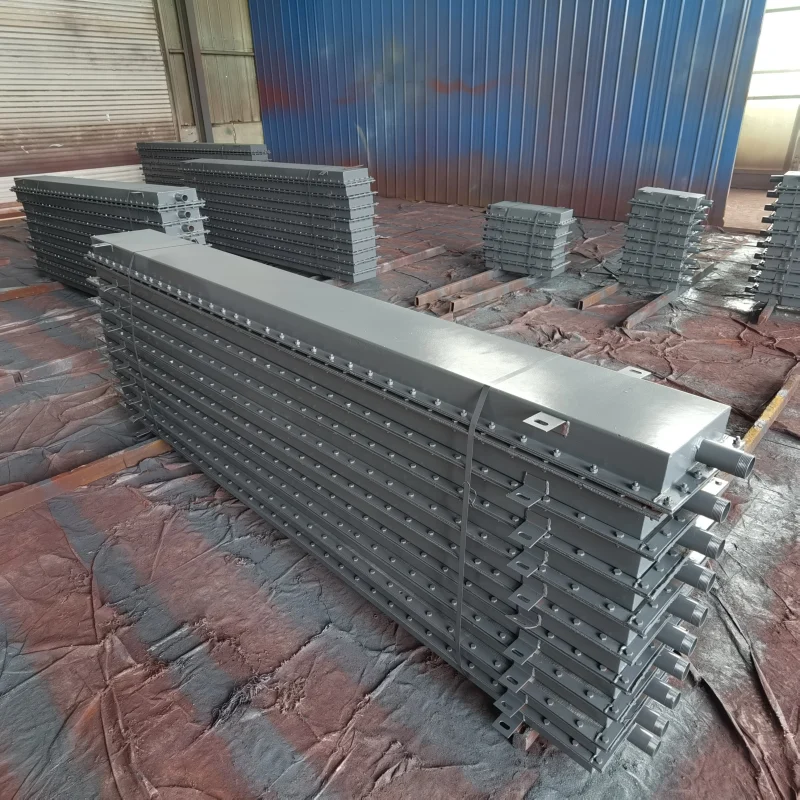
| Item | Specification |
|---|---|
| Product Name | Aeration Box / Silo Fluidizing Device |
| Application | Cement silo, fly ash silo, lime powder silo, powder hopper |
| Main Function | Powder fluidization and silo blockage prevention |
| Air Supply | Rotary air compressor |
| Membrane Type | Air Slide Fabric |
| Housing Material | Carbon steel / stainless steel optional |
| Suitable Materials | Cement, fly ash, lime powder, gypsum powder, clinker dust |
| Installation Position | Silo cone, hopper bottom, discharge zone |
| Customization | Size, air permeability, connection type, layout design |
How to Select the Right Aeration Pad for a Cement Silo
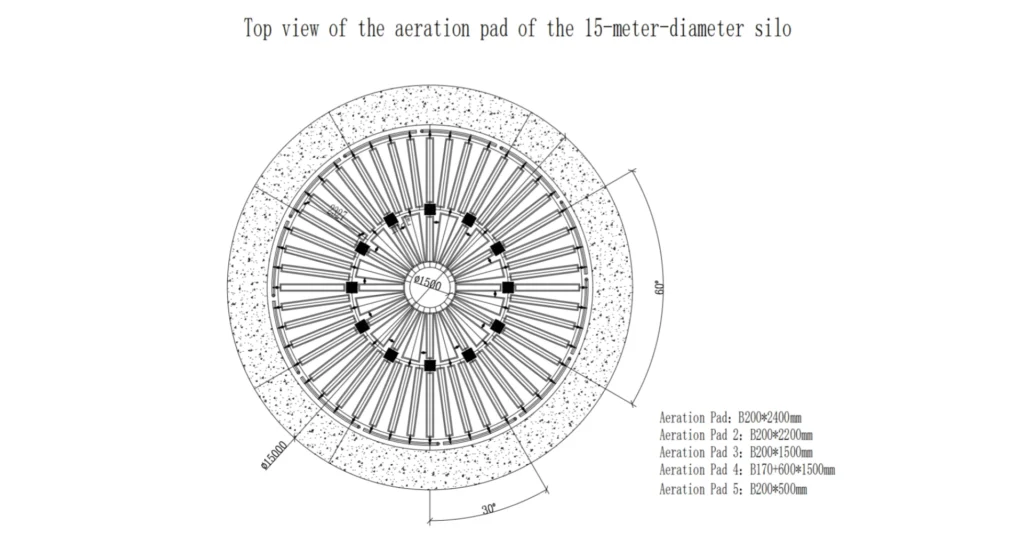
The right aeration pad should be selected according to material properties, silo geometry, discharge rate, moisture condition, air supply pressure, membrane permeability, and downstream equipment. For larger silo cones, the layout is often more important than simply increasing the number of pads. Poor placement may cause local over-fluidization, air channeling, or unstable discharge.
Before quotation or design, the following information is recommended:
✅ Stored material: cement, fly ash, lime powder, gypsum powder, clinker dust
✅ Silo diameter and cone angle
✅ Outlet size and discharge capacity
✅ Existing problem: bridging, rat-holing, blockage, slow flow, uneven discharge
✅ Air supply condition
✅ Downstream equipment: flow control gate, screw conveyor, air slide conveyor, bulk loader
✅ Photos or drawings of the silo cone and discharge area
Application
✅ Cement silo discharge systems
✅ Fly ash silo aeration systems
✅ Lime powder storage silos
✅ Gypsum powder hoppers
✅ Clinker dust discharge points
✅ Cement bulk loading systems
✅ Air slide conveyor feeding systems
✅ Powder transfer and pneumatic conveying systems
Bulk powder fluidizing pads are widely used as standard silo aeration solutions in cement plants, fly ash terminals, and powder storage systems where stable discharge and blockage prevention are critical.
Aeration systems are commonly integrated with industrial bulk handling equipment such as:
Air Slide Conveyors
Flow Control Gates
Aeration Pad in a Complete Cement Silo Discharge System
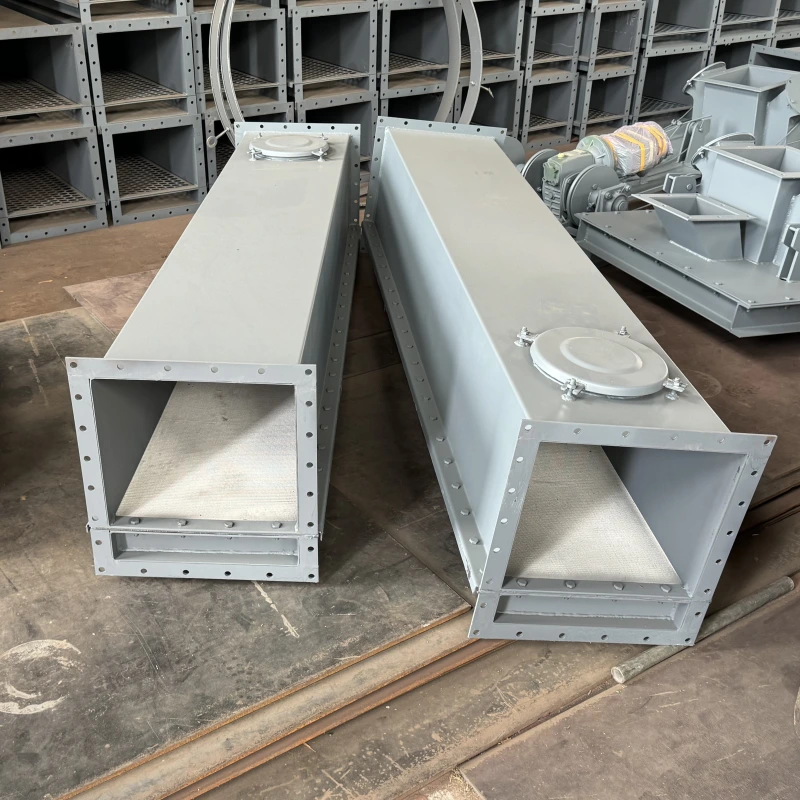
An aeration pad is not an isolated component. In a complete cement silo discharge system, it usually works together with flow control gates, slide gate valves, air slide conveyors, screw conveyors, silo bottom air distributors, dust collectors, and bulk loading equipment.
The aeration pad improves material flow inside the silo cone, the flow control gate regulates discharge rate, and the air slide conveyor or screw conveyor transfers material to the next process. When these components are designed together, the system can reduce blockage, improve feeding stability, and protect downstream equipment.
Aeration Pads vs Mechanical Vibrators
Compared with traditional mechanical vibrators, aeration pads or fluidizing pads for cement silos, fly ash storage, and bulk powder handling systems provide the following advantages:
✅ Consume less energy, reducing operational costs in cement and powder plants
✅ Produce no structural stress, protecting silo liners, hoppers, and conveyors
✅ Ensure gentle material conditioning to prevent powder degradation and maintain flowability
These benefits make aeration pads ideal for continuous powder discharge systems, including cement silos, fly ash terminals, and bulk material storage systems.
FAQs About Aeration Pad
What is an aeration pad used for in cement silos?
An aeration pad is used to introduce high-pressure air into the lower section of cement silos, helping fine powder move more smoothly toward the discharge outlet. It supports stable silo unloading, reduces material compaction, and helps prevent bridging, rat-holing, and blockage during cement, fly ash, or bulk powder handling.
Is an aeration pad the same as an aeration box?
Yes. In cement, fly ash, and bulk powder handling industries, the terms aeration box, silo fluidizing device, and air-assisted discharge component are often used for similar equipment. They are installed in silo cones, hoppers, or discharge areas to improve powder flow and discharge stability.
What materials are suitable for aeration box systems?
This system is suitable for fine dry powders such as cement, fly ash, lime powder, gypsum powder, clinker dust, and similar bulk materials. It is commonly used in cement silos, powder storage tanks, pneumatic conveying systems, and industrial material discharge applications.
How does an aeration pad differ from mechanical agitators?
Unlike mechanical agitators or vibrators, this fluidizing solution has no moving parts inside the silo. It uses low-pressure air to reduce friction between powder particles, helping the material flow naturally. This reduces equipment wear, lowers maintenance demand, and avoids excessive vibration on the silo structure.
Can aeration pads be customized for different silo designs?
Yes. The device can be customized according to silo shape, cone angle, discharge capacity, powder characteristics, air supply conditions, and installation layout. For cement plants and fly ash storage systems, customized design helps achieve more stable discharge performance and better long-term operation.
How do you choose the right aeration pad for a cement silo?
The right selection depends on powder properties, moisture level, silo geometry, discharge rate, operating air pressure, membrane permeability, and installation position. For industrial silos, the layout should be designed according to the real flow problem instead of simply increasing the number of fluidizing units.
Why is aeration important for cement silo discharge?
Aeration helps improve powder flow by reducing internal friction and preventing material from compacting inside the silo cone. Proper air-assisted fluidization can reduce blockage, improve discharge continuity, protect downstream equipment, and support more reliable operation in cement plants, fly ash silos, and powder handling systems.
What information is needed before selecting aeration pads?
To select suitable aeration pads, engineers should confirm the stored material, silo diameter, cone angle, outlet size, discharge rate, moisture condition, air supply pressure, and downstream equipment. Photos or drawings of the silo cone are helpful for checking the correct installation layout.
Can aeration pads solve all silo blockage problems?
No. Aeration pads are suitable for dry and fluidizable powders. If blockage is caused by wet material, hard lumps, poor outlet design, clogged membrane, unstable air supply, or downstream conveyor limitation, the whole silo discharge system should be checked. In some cases, a lump breaker, flow control gate, or conveyor adjustment may also be required.
Where are aeration pads installed in a cement silo?
Aeration pads are usually installed in the silo cone, hopper bottom, transition zone, or discharge area where powder compaction and stagnant zones are likely to occur. The exact position should be designed according to silo geometry, cone angle, material behavior, outlet size, and discharge capacity.
What is the difference between an aeration pad and a silo bottom air distributor?
An aeration pad is a local fluidizing device installed inside a silo cone or hopper wall. A silo bottom air distributor is used to distribute compressed air evenly to multiple aeration pads or air slide systems. In larger silo systems, both components may work together to achieve stable and balanced aeration.
Other products
Ready to Get a Reliable Aeration Pad Solution?
Partner with LVRUI for professional bulk material handling solutions and responsive technical support.
✅ Get expert quotation and customized cement & bulk powder handling solution within 12 hours
✅ Factory direct supply for fly ash, clinker, and cement silo loading systems
✅ Professional engineering support for bulk powder handling projects in Southeast Asia and Indonesia
✅ Stable delivery for overseas industrial projects