How Aeration Pads Improve Powder Discharge Before Material Enters an Air Slide Conveyor
Introduction
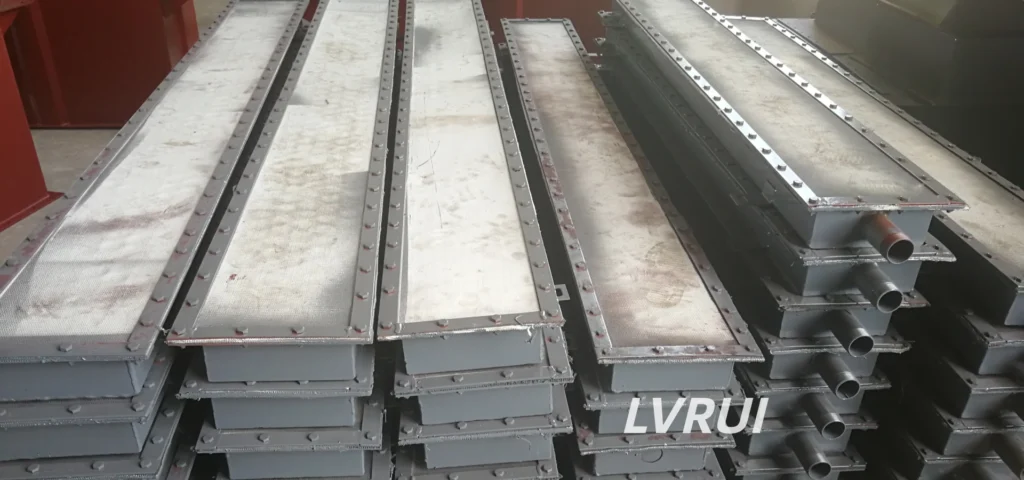
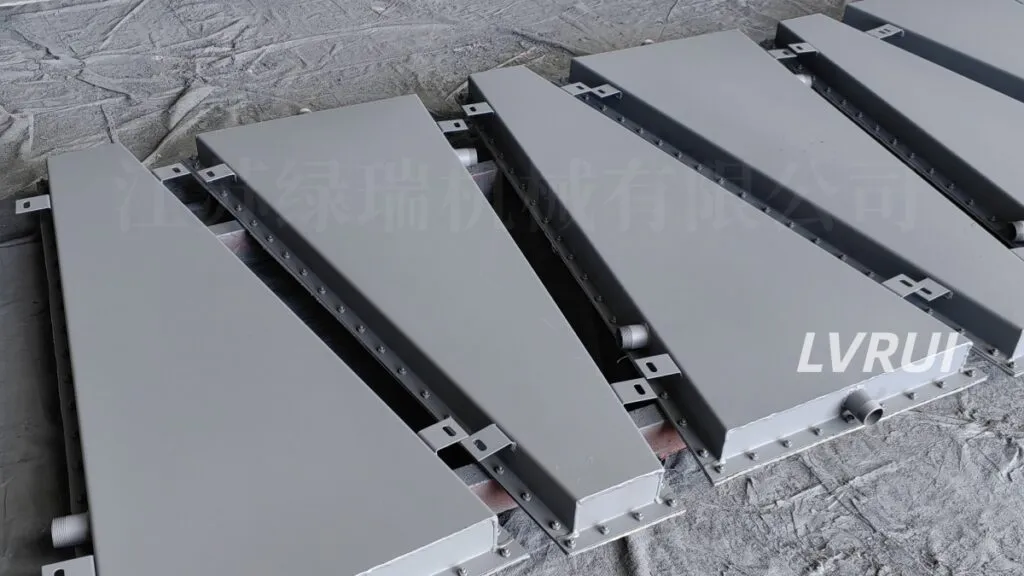
An Aeration Pad Air Slide Conveyor arrangement connects silo aeration with downstream powder conveying, but the two components perform different functions. Aeration pads help suitable dry powder move toward the silo or hopper outlet, while the air slide conveyor transports discharged material downstream. Between these stages, the material discharge may also need to be regulated so that the downstream conveyor receives a reasonably stable feed.
If powder bridges, compacts, or moves intermittently near the silo outlet, the air slide may receive an uneven feed even when the conveyor itself is operating correctly. In this situation, increasing air to the downstream conveyor does not address the actual upstream cause.
This article focuses specifically on the interface between silo aeration, discharge control, and downstream air slide conveying. It explains where aeration pads fit in the discharge process, why they do not replace a flow control gate, and what should be checked when unstable silo discharge affects the air slide conveyor.
Why Stable Silo Discharge Matters Before an Air Slide Conveyor
An air slide conveyor performs more consistently when powder enters the inlet without severe interruptions or sudden surges. When material near the silo outlet becomes compacted or moves unevenly, the problem may begin upstream rather than inside the air slide itself.
Aeration pads can assist suitable dry powder near the silo cone or hopper discharge zone by introducing low-pressure fluidizing air. This may improve movement toward the outlet where local compaction or stagnant material is affecting discharge.
However, aeration improves powder mobility; it does not precisely regulate the discharge rate. Where controlled feeding is required, a flow control gate or another suitable discharge-control device should be evaluated separately.
Different Functions: Aeration, Flow Control and Conveying
| Component | Main Function |
|---|---|
| Aeration Pad | Helps suitable dry powder move toward the silo or hopper outlet |
| Flow Control Gate | Regulates the material discharge entering the downstream system |
| Air Slide Conveyor | Conveys discharged powder to the next process |
| Low-Pressure Air Supply | Provides fluidizing air according to the requirements of each aeration or conveying section |
| Downstream Equipment | Receives material discharged from the air slide conveyor |
These functions should not be treated as interchangeable. An aeration pad assists powder movement inside the silo, a flow control gate regulates the discharge where required, and the air slide conveyor handles downstream conveying.
If positive isolation is required for maintenance or process shutdown, a separate slide gate or suitable shut-off valve may be installed according to the system arrangement.
How the Silo-to-Air-Slide Interface Works
Step 1: Aeration Assists Powder Movement Toward the Outlet
Low-pressure fluidizing air passes through the permeable surface of the aeration pad and enters the powder close to the silo cone, hopper bottom, or discharge zone.
For suitable dry powders, this can reduce local compaction and help material move toward the outlet. The purpose is to assist discharge inside the silo—not to convey material through the downstream route.
Step 2: Control Material Leaving the Silo
Once powder reaches the outlet, the discharge rate may need to be regulated before material enters the air slide conveyor.
A flow control gate can adjust the discharge opening, reduce sudden material surges, and help match silo discharge with the receiving capacity of the downstream conveying system.
Where complete shut-off or maintenance isolation is required, a separate isolation device should be considered according to the process arrangement.
Step 3: Transfer Discharged Powder Through the Air Slide
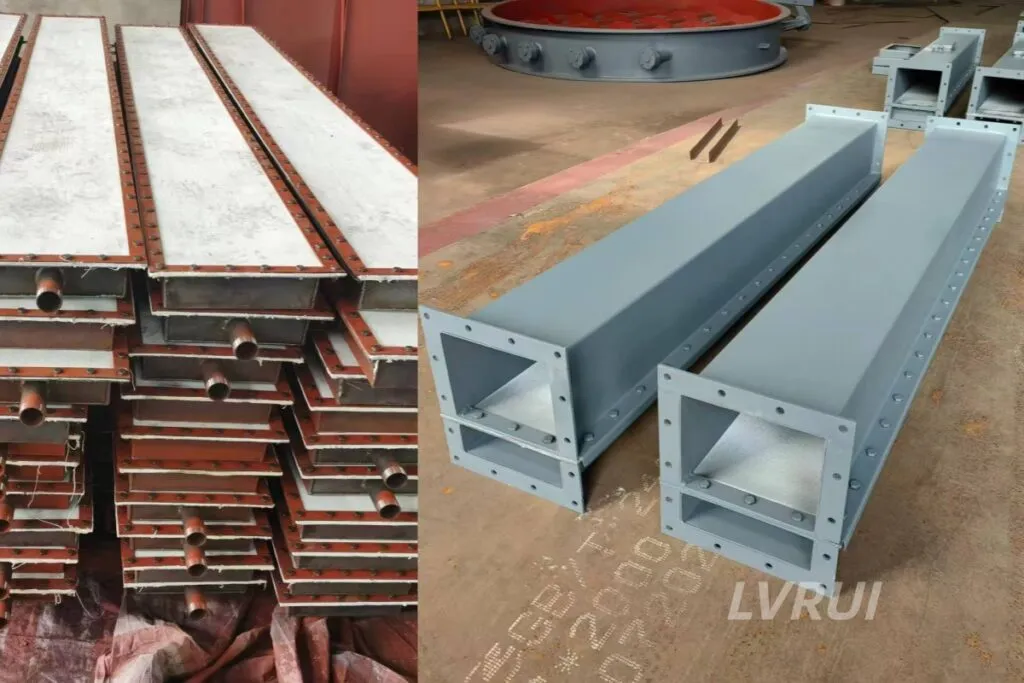
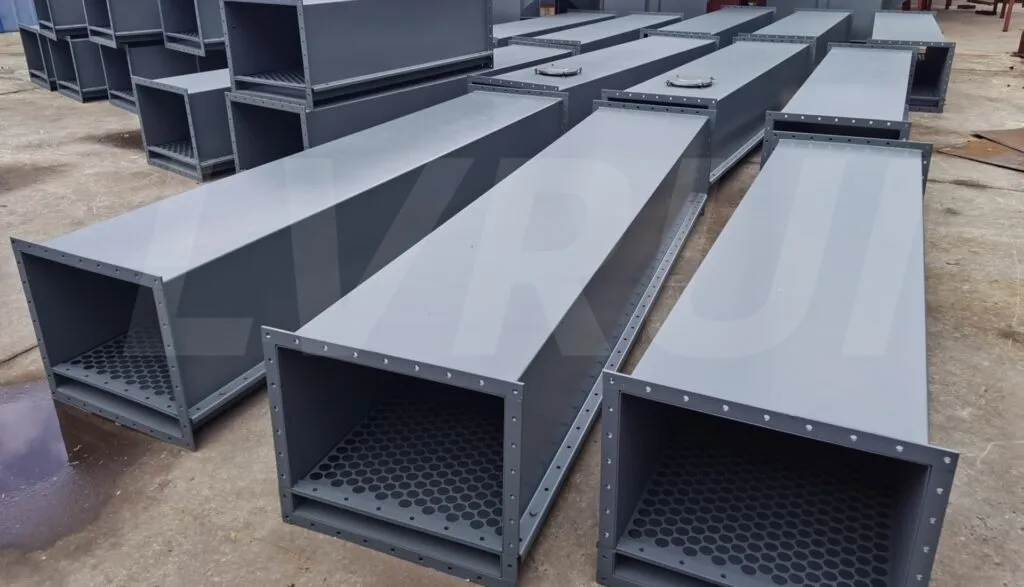
After leaving the controlled silo outlet, powder enters the air slide conveyor. Low-pressure fluidizing air passes through the air slide fabric and supports the gravity-assisted movement of suitable powder along the approved conveying route.
An air slide conveyor should not be expected to correct severe upstream silo-discharge problems.
If the inlet feed remains highly unstable, the upstream discharge condition should be checked before blower output or downstream airflow is increased.
For a detailed explanation of fluidization and gravity-assisted conveying, see the Air Slide Conveyor Working Principle guide.
Step 4: Confirm the Receiving Process Can Accept the Flow
The complete system must also be able to receive the discharged material continuously. A restriction at the next conveyor, process hopper, packing system, bulk loading system, or storage point can cause material to accumulate even when the silo aeration and air slide are operating normally.
Typical Silo-to-Air-Slide Arrangement
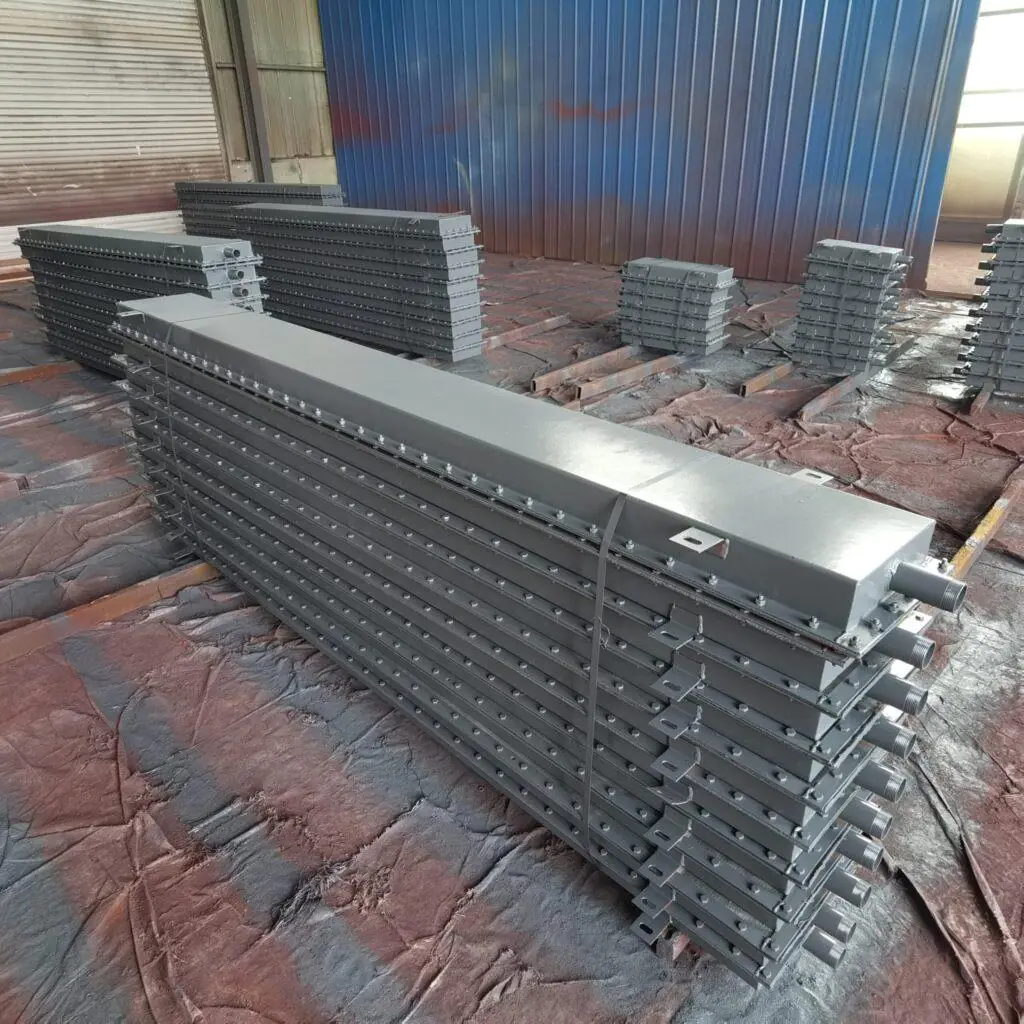
A typical aeration pad air slide conveyor system separates powder-flow assistance, discharge control and downstream conveying into coordinated stages.
Cement Silo / Hopper
↓
Aeration Pads at the Cone or Discharge Zone
↓
Silo Outlet
↓
Flow Control Gate
↓
Air Slide Conveyor
↓
Receiving Process
This arrangement separates three different functions: powder-flow assistance inside the silo, discharge regulation at the outlet, and downstream conveying.
Depending on the project, the discharge arrangement may also include an independent isolation valve, inspection point, air-control branches, or other process equipment. These components should be selected according to the actual silo layout and operating requirements rather than treated as one standard package.
Material Conditions That Affect the Interface
This arrangement is normally considered for dry powders that can respond to low-pressure fluidization and can also be conveyed reliably by the downstream air slide.
Material condition matters because moisture, severe cohesiveness, caking, or hardened lumps can prevent stable discharge even when aeration is available. In these cases, the problem should not automatically be treated as insufficient aeration.
For detailed material suitability, refer to the Air Slide Conveyor Material Compatibility guide.
What Must Be Matched at the Silo-to-Air-Slide Interface?
Silo or Hopper Discharge Condition
Before changing the air slide conveyor, first determine whether the instability begins inside the silo.
Aeration pads should address a real powder-flow condition rather than being added automatically whenever discharge becomes unstable.
Silo Geometry and Outlet Condition
Aeration cannot compensate for every hopper or silo design problem. Material flow also depends on powder properties, hopper geometry, outlet size, and the actual discharge arrangement. For general engineering background on bulk-solids flow behavior in bins and hoppers, see the AIChE guidance on flow of solids in bins, hoppers, chutes and feeders.
If the outlet or hopper geometry is fundamentally unsuitable for the material, simply adding more aeration pads may not restore stable discharge.
For a separate discussion of aeration-pad location and distribution inside silo cones, see our Aeration Pad Placement Design guide.
Discharge Control
Determine whether the process requires only improved powder movement or actual regulation of the discharge rate.
Aeration pads help powder reach the outlet. A flow control gate controls the material entering the downstream conveying system. These are separate functions.
Air Slide Inlet and Conveying Route
The air slide must still be correctly sized and arranged for its own conveying duty. Confirm that the inlet can accept the expected feed, the conveying route follows the approved design, and the downstream discharge point does not create a restriction.
Air-Supply Arrangement
Both aeration pads and air slide conveyors use low-pressure fluidizing air, but this does not mean they require the same airflow, pressure, control method, or operating schedule.
A project may use separate air branches from a common source, independently controlled valves, or separate blowers depending on the operating requirements.
Do not assume that one airflow setting is suitable for both silo aeration and downstream air slide conveying.
What Aeration Cannot Fix
Aeration should not be treated as a universal solution for every silo discharge problem.
It cannot automatically correct wet or sticky material, severe caking or hardened lumps, unsuitable hopper geometry, a restricted outlet, an improperly operating valve, insufficient downstream conveying capacity, or a blocked receiving process.
IIf discharge remains unstable after aeration is applied, the complete material path should be checked before increasing airflow or adding more aeration pads.
If hardened agglomerates are physically obstructing downstream equipment, a lump breaker may need to be evaluated separately.
Common Silo-to-Air-Slide Interface Problems
| Symptom | Check First |
|---|---|
| Silo discharge is intermittent | Material condition, aeration arrangement and silo outlet |
| Powder reaches the outlet but flow is excessive | Flow-control arrangement |
| Air slide receives uneven feed | Silo discharge stability and outlet control |
| Material accumulates near the air slide inlet | Feed rate, material condition and inlet fluidization |
| Powder leaks into the air slide lower air chamber | Air slide fabric and sealing condition |
| Material backs up from downstream | Receiving capacity or downstream restriction |
Aeration Pad and Air Slide Conveyor FAQs
How do aeration pads and an air slide conveyor work together?
Aeration pads help suitable dry powder move toward the silo or hopper outlet. After the material leaves the controlled discharge point, the air slide conveyor transfers it downstream. The two devices support different stages of the material-flow path.
Does an aeration pad control the powder discharge rate?
Not precisely. Aeration assists powder movement, while a flow control gate or another suitable discharge-control device is used where the material flow rate must be regulated.
Can aeration pads and an air slide conveyor use the same blower?
They may share a common low-pressure air source in some systems, but airflow requirements, branch control, operating periods, and system resistance should be evaluated separately before one blower is selected for both duties.
Why is the air slide feed unstable even when the conveyor is working normally?
The instability may begin upstream. Intermittent silo discharge, material compaction, outlet restrictions, or poor discharge control can cause the air slide to receive an uneven feed even when the conveyor itself is operating correctly.
Will increasing aeration always improve silo discharge?
No. More aeration does not automatically solve unsuitable material conditions, hopper geometry problems, blocked outlets, valve restrictions, or insufficient downstream capacity. The actual cause should be identified before airflow is increased.
What information is needed to review the silo-to-air-slide interface?
Useful information includes the powder type, silo or hopper geometry, outlet size, required discharge capacity, existing aeration arrangement, discharge-control equipment, available air-supply data, and the downstream air slide layout.
Conclusion
Aeration pads and air slide conveyors work reliably together only when silo fluidization, discharge control, and downstream conveying are treated as separate but coordinated functions.
Aeration pads help suitable dry powder move toward the silo outlet. A flow control gate regulates discharge where required, and the air slide conveyor transfers the discharged material downstream. If the air slide receives an unstable feed, the upstream material condition, silo outlet, discharge-control equipment, air supply, and downstream restrictions should be checked before simply increasing airflow.
Need Help Reviewing Silo Discharge to an Air Slide Conveyor?
Send LVRUI your material, silo diameter, cone or hopper dimensions, outlet size, required discharge capacity, existing aeration arrangement, available air-supply data, discharge-control equipment, and downstream air slide layout.
Based on these conditions, LVRUI can review the aeration-pad arrangement, silo discharge interface, and connection to the downstream air slide conveyor before the equipment configuration is confirmed.
Email: info@lvrui-conveyor.com
WhatsApp: +86-18261998937
WeChat: +86-18261998937