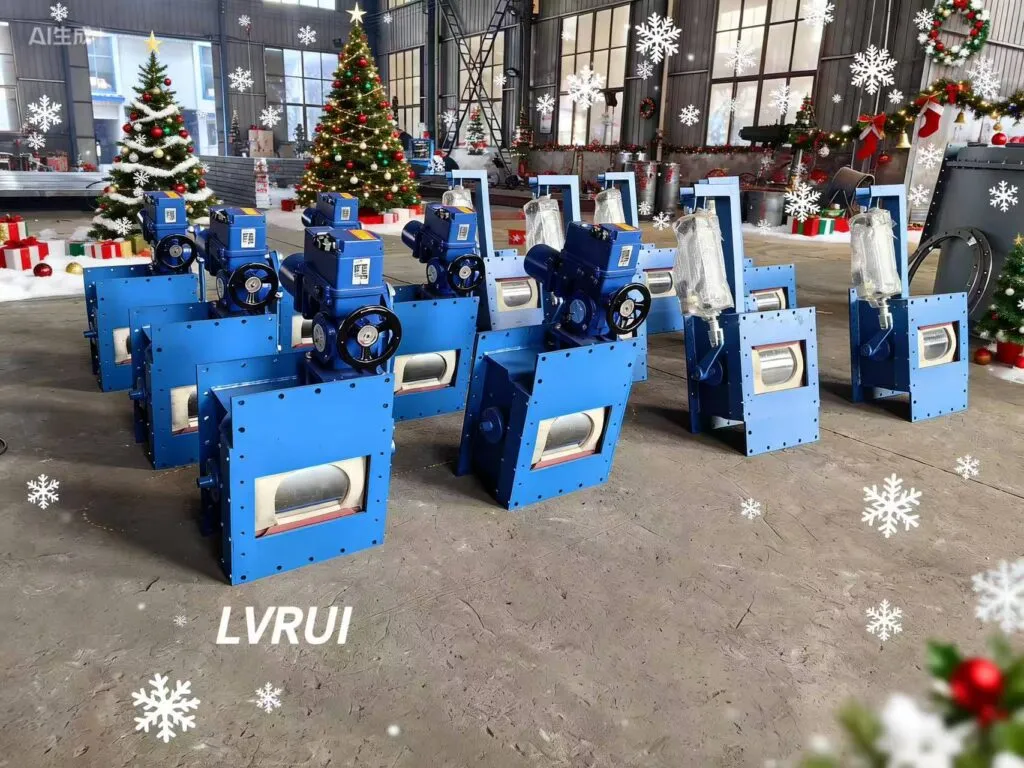
Identifying Common Flow Problems, Troubleshooting Causes, and Improving Silo Discharge and Conveying Stability
Why Material Flow Problems Are Critical in Cement Plants
Material flow problems can disrupt cement storage, silo discharge, feeding and conveying operations. When material does not move as expected, operators may experience interrupted discharge, fluctuating feed rates or material accumulation at downstream equipment.
These problems can be caused by changes in material flowability, moisture exposure, compaction, unsuitable discharge conditions, inadequate aeration or restrictions within the material handling system. Similar operating symptoms may result from different causes, making accurate troubleshooting essential.
Poor material flow can interrupt production, increase maintenance requirements and overload downstream equipment. Identifying the source of the problem before modifying individual components helps engineers select corrective measures appropriate to the actual operating conditions.
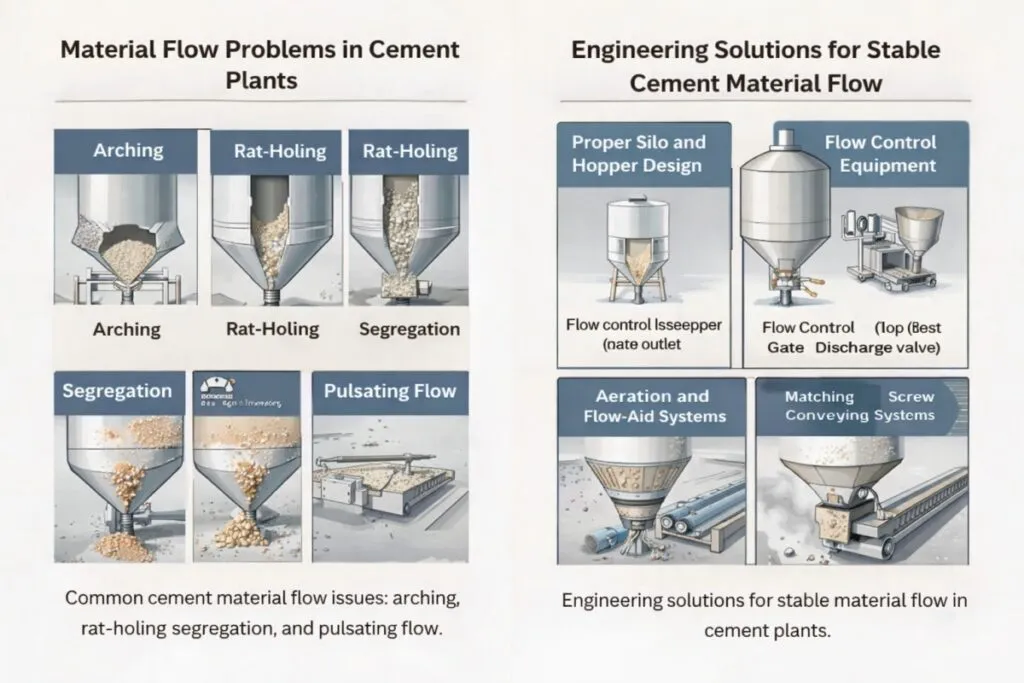
Common Material Flow Problems in Cement Plants and Handling Systems
Material flow problems may originate in the stored material, silo outlet, discharge equipment or downstream conveying system. Before selecting corrective measures, engineers should identify the symptoms and determine where the restriction or instability begins.
Material Flow Troubleshooting Overview
| Problem | Typical symptom | Initial inspection |
|---|---|---|
| Arching or bridging | Discharge stops while material remains above the outlet | Material condition and outlet restriction |
| Rat-holing | A narrow central channel forms while material remains near the walls | Flow pattern, material cohesion and storage history |
| Segregation | Discharged material composition becomes inconsistent | Particle characteristics, filling and discharge conditions |
| Uncontrolled or pulsating flow | Discharge rate fluctuates or sudden surges occur | Aeration, gate operation and downstream conditions |
| Downstream restriction | Material accumulates at a conveyor inlet | Actual feeding rate and available conveying capacity |
Arching and Bridging
Arching occurs when bulk material forms a stable obstruction across a silo or hopper outlet, preventing further discharge even though material remains above it.
Possible contributing factors include material cohesion, moisture exposure, compaction and insufficient outlet dimensions for the actual material properties. Initial troubleshooting should focus on the material condition, outlet area and evidence of hardened or compacted material.
For detailed information about design-related causes, see our cement silo discharge design mistakes guide.
Rat-Holing
Rat-holing occurs when material flows through a central channel while material near the silo or hopper walls remains stagnant. The resulting flow pattern can leave material in storage for extended periods and may lead to intermittent discharge.
When this occurs, inspect the discharge pattern, material condition and signs of stagnant material near the walls. Persistent rat-holing may require further evaluation of the material flow properties and silo or hopper geometry.
Segregation During Discharge
Segregation occurs when particles with different physical characteristics separate during filling, storage or discharge. This may result in variations in the material delivered to downstream equipment.
When segregation is suspected, examine differences in particle size or other relevant material properties, the filling pattern and the discharge arrangement. The risk and severity depend on the material and process conditions.
Uncontrolled or Pulsating Flow
Uncontrolled or pulsating flow occurs when material is discharged at an inconsistent rate or suddenly released in quantities greater than expected. This may affect feeding stability and place excessive loads on downstream equipment.
Initial checks should include the material condition, aeration operation, discharge gate position and available conveying capacity. Engineers should determine whether the instability originates at the silo outlet, within the discharge equipment or farther downstream before modifying the system.
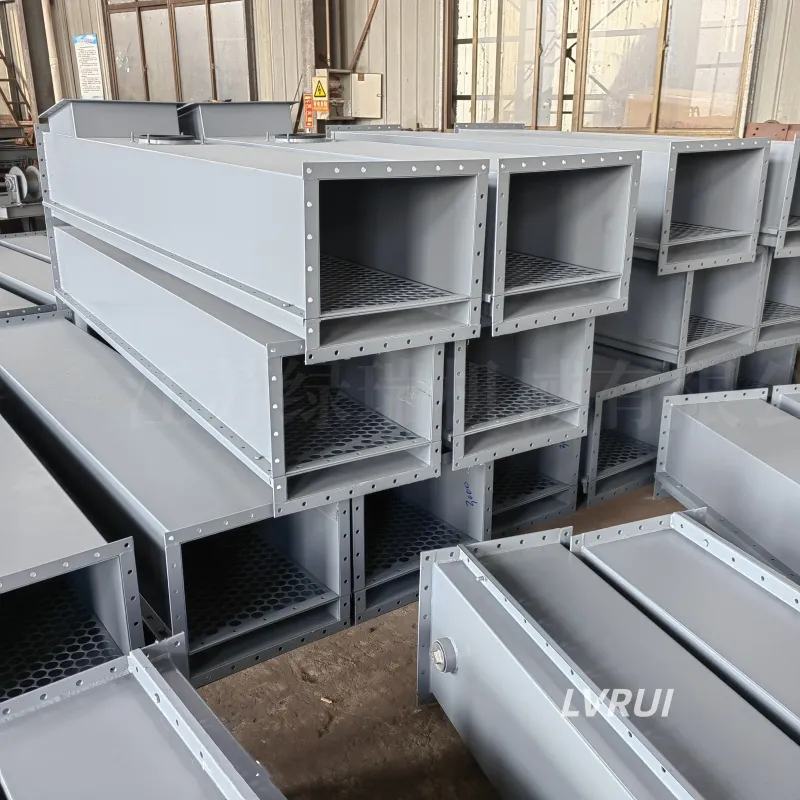
Engineering Solutions for Stable Cement Material Flow
Before selecting corrective equipment, engineers should identify where the material flow problem begins. A blockage observed at a conveyor inlet, for example, may result from excessive upstream feeding rather than a fault in the conveyor itself.
Troubleshooting should consider material conditions, silo outlet restrictions, existing aeration equipment, discharge gate operation and downstream conveying capacity. Corrective measures should address the identified cause rather than the visible symptom alone.
Proper Silo and Hopper Design
Silo and hopper geometry affects how bulk material moves toward the discharge outlet. If arching, rat-holing or persistent stagnant regions occur, engineers should evaluate the material flow properties, outlet dimensions, hopper geometry and contact between the material and hopper walls.
Outlet enlargement or hopper modification should not be based on assumptions alone. Where structural changes are considered, suitable material flow testing and engineering assessment may be required.
For additional engineering background, refer to AIChE’s Ten Steps to an Effective Bin Design.
Use of Flow Control Equipment
Flow control equipment regulates the amount of material discharged from a silo or hopper into downstream equipment. Unstable feeding may occur when the gate opening, operating range or control method does not match the required discharge conditions.
During troubleshooting, inspect the gate position, opening range, operating response and possible material obstruction around the discharge opening. The gate should also be evaluated against the receiving capacity of the downstream conveyor.
A flow control gate can regulate powder discharge, but it cannot independently eliminate arching caused by unfavorable material properties or unsuitable silo conditions.
Aeration and Flow-Aid Systems
Aeration systems can help improve the discharge of suitable dry, fine powders by introducing air into designated areas of a silo or hopper. Their effectiveness depends on the material properties, available airflow, operating conditions and aeration arrangement.
When poor discharge occurs, inspect the air supply, operating pressure, airflow distribution and condition of the installed fluidizing components. Uneven or inadequate aeration can leave some areas of the powder bed insufficiently fluidized, contributing to stagnant regions or unstable discharge.
Additional aeration pads should only be considered after evaluating the existing system and confirming that aeration is appropriate for the material. Aeration is not a universal solution for wet, heavily caked or large-lump materials.
Matching Conveying Systems to Material Behavior
Stable silo discharge must be coordinated with the available capacity of downstream conveying equipment. When the incoming material rate exceeds the conveyor’s actual operating capacity, material may accumulate at the inlet and cause unstable flow or blockage.
Before changing the conveyor, check the discharge rate, flow control gate operation, inlet restrictions and the conveying equipment’s operating conditions.
For installations using air slide conveyors, inspect the aeration supply, material condition, conveying route and actual throughput. See our common problems of air slide conveyors guide for equipment-specific troubleshooting.
FAQs About Material Flow Problems in Cement Plants
What are the most common material flow problems in cement plants?
Common problems include arching, rat-holing, material segregation and uncontrolled or pulsating discharge. Material accumulation at conveyor inlets may also occur when upstream feeding and downstream conveying capacity are not properly coordinated.
What is the difference between arching and rat-holing?
Arching occurs when material forms a stable obstruction across a silo or hopper outlet and stops discharge. Rat-holing occurs when material flows through a central channel while material near the walls remains stagnant.
Both problems can be influenced by material properties and the storage vessel’s flow pattern.
How can engineers identify the cause of unstable silo discharge?
Begin by checking the material condition and locating where the restriction or instability starts. Inspect the silo outlet, existing aeration equipment, discharge gate operation and downstream conveyor inlet.
If the problem persists, further evaluation of material flow properties and the discharge arrangement may be required.
Can aeration pads solve all cement flow problems?
No. Aeration pads can assist the discharge of suitable dry, fine powders, but they cannot correct every type of material flow problem.
Their effectiveness depends on the material characteristics, airflow and installation arrangement. Wet or heavily caked materials and unfavorable outlet geometry may require different corrective measures.
Can a flow control gate prevent material bridging?
A flow control gate regulates the discharge opening and helps match the material flow rate to downstream equipment requirements. However, it cannot independently prevent bridging caused by unsuitable material conditions or storage vessel geometry.
The actual cause of bridging should be identified before selecting corrective equipment.
What should be checked when cement accumulates at a conveyor inlet?
Check whether the incoming material rate exceeds the conveyor’s available capacity. Also inspect the discharge gate, conveyor inlet, material condition and equipment operating parameters.
Repeated accumulation may indicate excessive upstream feeding rather than a defect in the conveyor itself.
Conclusion
Material flow problems in cement plants can originate from material properties, silo geometry, aeration conditions, discharge equipment or downstream conveying restrictions. Similar symptoms may require different corrective measures, making accurate diagnosis essential.
Engineers should first identify where the problem begins, inspect the existing equipment and review the actual operating conditions. Once the cause is confirmed, suitable adjustments or equipment modifications can be evaluated to improve discharge stability and reduce recurring operational problems.
Experiencing Material Flow Problems in Your Cement Plant?
If your cement silo has unstable discharge, recurring material accumulation or feeding problems, provide the relevant material information, existing equipment details and a description of the operating symptoms.
LVRUI can review the supplied information and discuss suitable discharge, aeration and flow control equipment according to the project requirements.
For equipment configurations, explore our cement silo discharge system solutions.
Technical information to provide:
- Material type, moisture condition and bulk density
- Existing silo outlet and discharge equipment
- Required discharge rate and downstream conveying capacity
- Photos or drawings showing the problem area
WhatsApp: +86 18261998937
WeChat: +86 18261998937
Email: info@lvrui-conveyor.com