Engineering Role of Lump Breakers in Cement Silo Discharge Systems(Peran Teknik Lump Breaker dalam Sistem Pengeluaran Silo Semen)
What Is a Lump Breaker for Cement Silos?
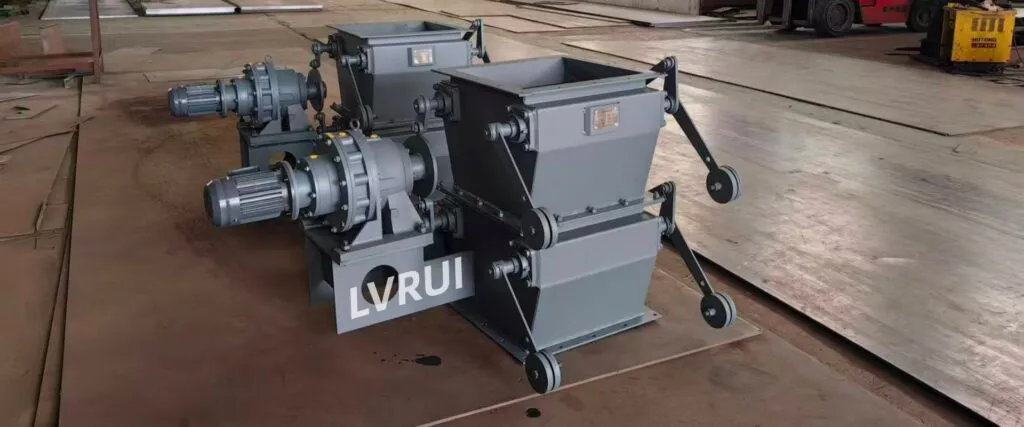
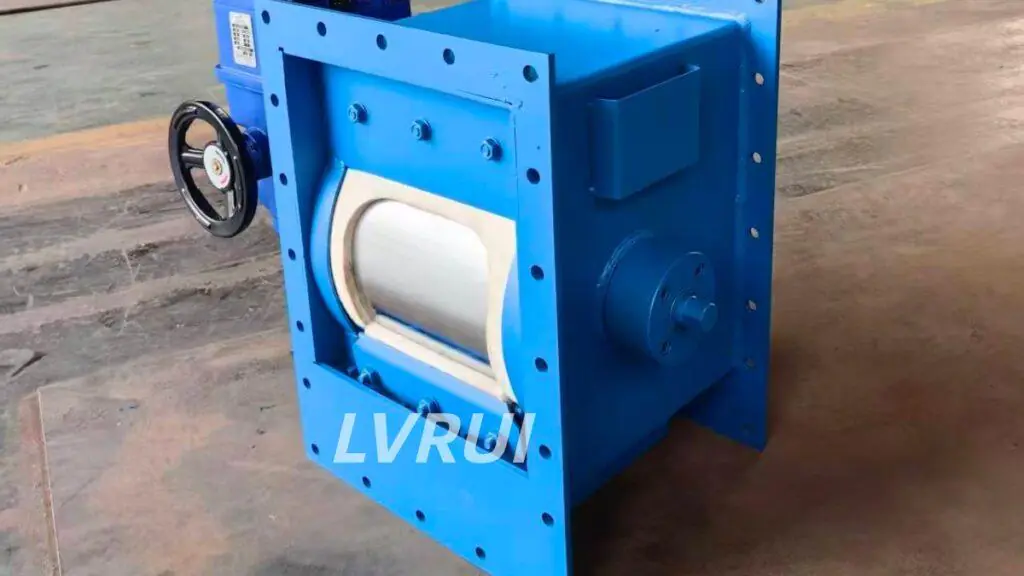
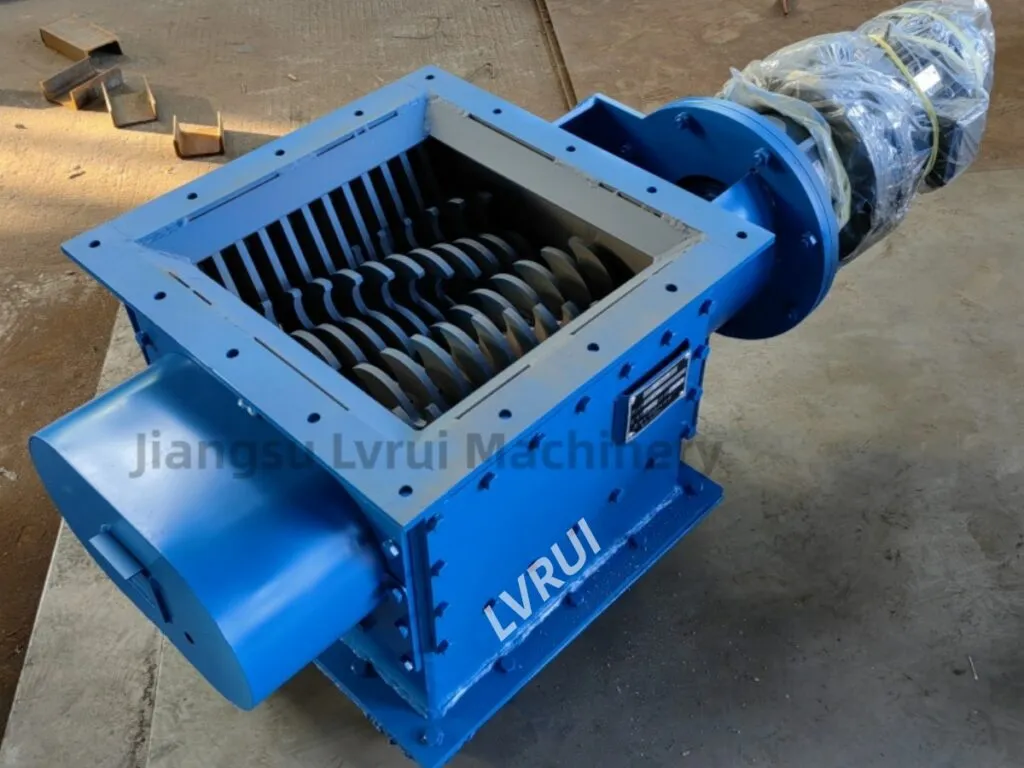
A lump breaker for cement silos is an industrial crushing device installed at the silo outlet to break hardened cement lumps, clinker agglomerates, and compacted powder materials into manageable particle sizes before discharge.
Its primary function is to ensure stable, uninterrupted material flow in bulk handling systems.
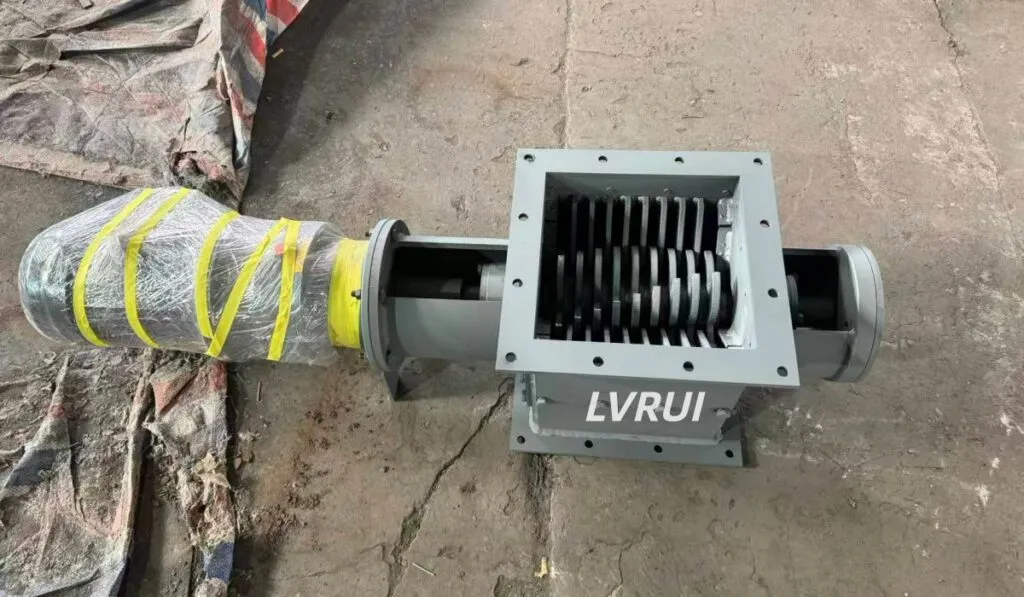
A lump breaker is a twin-shaft crushing machine designed to eliminate material agglomeration at silo discharge points, ensuring smooth bulk material flow and preventing system blockage.A lump breaker for cement silos is essential equipment for preventing discharge blockage and ensuring stable material flow.
Why Cement Forms Lumps in Silos
Cement and fine powders naturally tend to form lumps due to several physical and environmental factors.
1. Moisture Absorption
Cement particles react with moisture during storage, a phenomenon explained by the cement hydration process, which leads to material hardening and lump formation.
2. Long-Term Storage Pressure
The weight of stored material compresses lower layers, creating dense agglomerates.
3. Temperature Variation
Condensation inside silos accelerates material caking.
4. Clinker Contamination
Uncrushed clinker fragments often mix with cement powder.
Cement lump formation is primarily caused by moisture absorption, prolonged storage pressure, and temperature-induced condensation inside silos.
How Lump Breaker for cement silos Work?
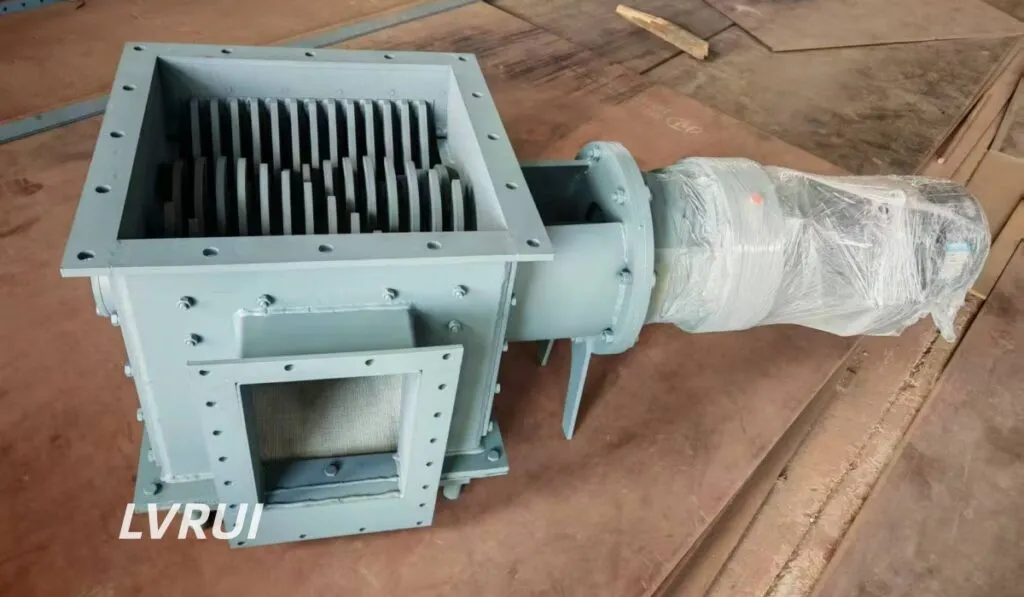
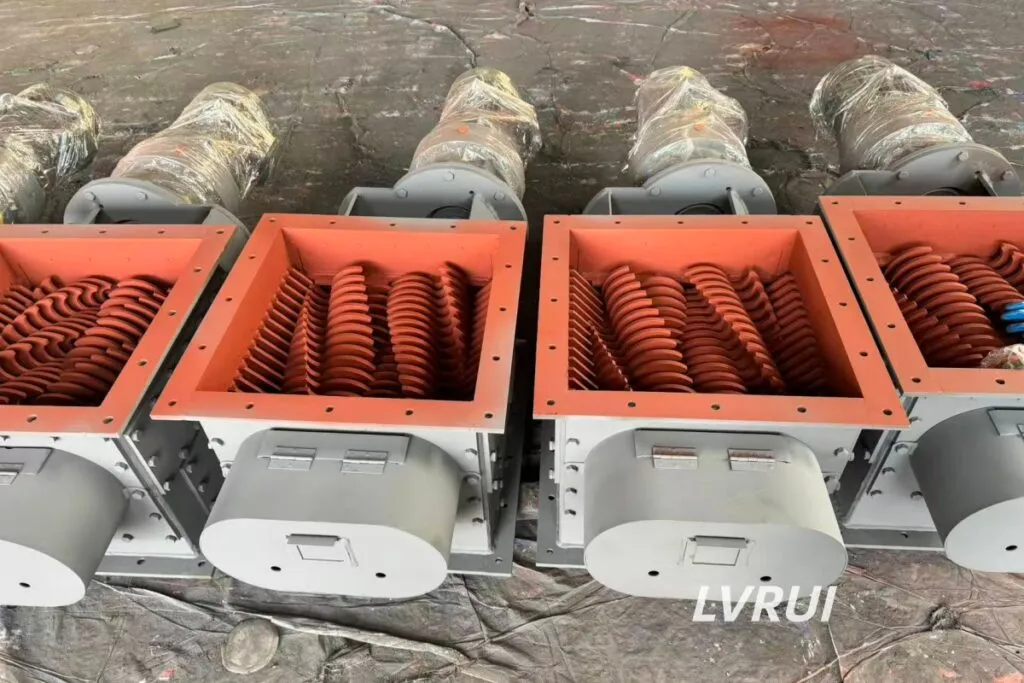
A lump breaker operates using two counter-rotating shafts equipped with crushing blades.
Twin-shaft lump breakers apply shear force, which is one of the most effective bulk material size reduction methods used in powder handling industries.
Working Process
- Material exits silo outlet
- Lumps enter crushing chamber
- Twin shafts rotate in opposite directions
- Blades shear and crush agglomerates
- Uniform particles discharge downstream
Mechanical Characteristics
• Low-speed high-torque operation
• Shear crushing instead of impact
• Continuous processing capability
Twin-shaft lump breakers use low-speed shear force to crush hardened materials while maintaining continuous bulk flow.
Key Benefits in Cement Silo Applications
1. Prevents Arching and Bridging
Material arches at silo outlets are eliminated before they cause discharge blockage.
2. Protects Downstream Equipment
Prevents damage to:
Reliable crushing before discharge is essential in modern material handling systems.
3. Improves Flow Stability
Ensures consistent material feeding rate.
4. Reduces Maintenance Costs
Prevents system shutdowns caused by blockage.
Typical Installation Location
Lump breakers are usually installed:
• Directly under silo discharge gates
• Before conveyors
• Above rotary feeders
Lump breakers must be installed at the first material discharge point to eliminate agglomerates before entering conveying systems.
Lump Breaker vs Other Anti-Blockage Devices
Lump Breaker vs Air Cannon
| Factor | Lump Breaker | Air Cannon |
|---|---|---|
| Function | Crush lumps | Loosen material |
| Reliability | High | Medium |
| Maintenance | Low | Moderate |
Lump Breaker vs Vibrators
Vibrators assist flow but cannot crush hardened material.
Lump breakers are the only reliable solution for eliminating hardened cement agglomerates in silo discharge systems.
How to Select the Right Lump Breaker
Key Selection Parameters
• Material hardness
• Lump size
• Throughput capacity
• Silo outlet dimensions
• Motor power requirements
Choosing the right lump breaker for cement silos depends on material hardness, lump size, and discharge capacity requirements.
Correct equipment sizing requires understanding powder flowability and material cohesion behavior.
Engineering Formula Insight
Torque requirement increases with lump hardness and crushing capacity.
Maintenance Best Practices
Routine Inspection Checklist
• Blade wear condition
• Shaft alignment
• Motor temperature
• Lubrication system
Regular inspection of blades and bearings ensures long-term stable operation of lump breakers.
Applications Beyond Cement Silos
Lump breakers are also widely used in:
• Fly ash systems
• Lime storage
• Chemical powder handling
• Food processing
Lump breakers are widely used in continuous production environments, as highlighted in leading cement industry news and insights.
System Integration Benefits
Installing a lump breaker for cement silos significantly improves system reliability and reduces maintenance costs.
Related Lump Breaker Engineering Guides
- Why Cement Silo Bottom Electric Lump Breaker Valves Are Critical
- System Integration of Electric Twin-Shaft Lump Breaker Valves
- Cement Lump Breaking Valve: The Ultimate Solution for Silo Blockage
- Lump Breakers for Cement Silo Discharge: Prevent Arching & Ensure Smooth Flow
- How to Choose the Right Lump Breaker for Cement Plants
- Common Problems Caused by Lumps in Bulk Material Handling Systems
FAQs
Why are lump breakers essential in cement silos?
Lump breaker for cement silos prevent hardened cement clumps, avoid discharge blockages, and maintain continuous material flow. They improve safety, reduce downtime, and stabilize downstream conveying efficiency in silos, fly ash hoppers, and bulk powder handling systems.
Can lump breakers replace air cannons?
No. Air cannons only loosen material, while lump breakers physically crush hardened agglomerates. For long-term efficiency and consistent flow in cement silos, lump breakers provide a more reliable and low-maintenance solution.
Where should a lump breaker be installed?
Install lump breakers directly at the silo outlet, before material enters conveying equipment. Proper positioning ensures optimal crushing, prevents material bridging, and maintains consistent downstream flow. Consider twin-shaft or electric configurations based on silo size and material type.
What is the typical lifespan of lump breaker blades?
Under normal operation, high-quality blades last several years. Lifespan depends on material abrasiveness, operating frequency, and regular maintenance. Proper lubrication, inspection, and timely replacement extend service life and maintain flow efficiency.
How do twin-shaft lump breakers improve material flow efficiency?
Twin-shaft lump breakers crush hardened cement clumps more evenly, reducing arching and bridging. This ensures continuous flow, minimizes downtime, and enhances overall efficiency in cement silos, fly ash hoppers, and bulk powder handling systems.
What maintenance practices keep lump breakers operating optimally?
Regular inspection, lubrication of shafts, timely blade replacement, and monitoring of motor performance keep lump breakers in peak condition. Proper maintenance prevents unexpected downtime, ensures consistent material flow, and extends the equipment’s service life.
Need a reliable lump breaker for cement silos?
Contact LVRUI for heavy-duty engineering solutions, fast delivery, and expert technical support.
📧 info@lvrui-conveyor.com
🌐 lvrui-conveyor.com
Indonesian Short Version
Lump breaker adalah mesin penghancur dua poros yang dipasang di bagian bawah silo semen untuk menghancurkan gumpalan material yang mengeras. Perangkat ini mencegah penyumbatan aliran, meningkatkan stabilitas sistem pengeluaran, dan melindungi peralatan transportasi seperti air slide conveyor dan screw conveyor.
Lump breaker sangat penting dalam industri semen karena mampu memastikan aliran material tetap stabil, mengurangi biaya perawatan, dan meningkatkan efisiensi operasional pabrik.