Field Troubleshooting Guide for Heavy-Duty Chain Conveying Systems in Cement Plants
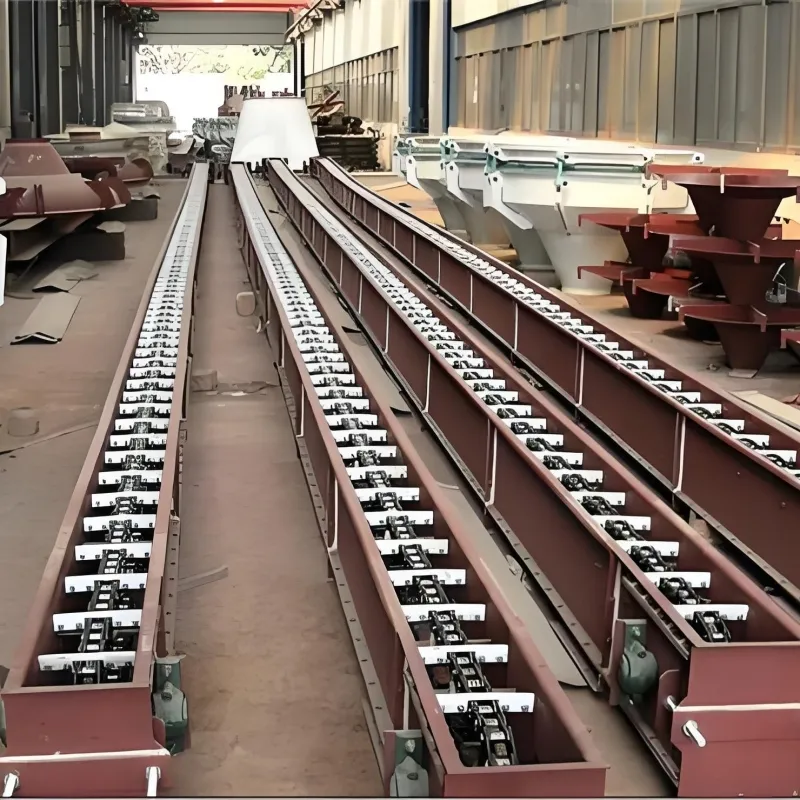
Chain Conveyor Wear in Cement and Clinker Handling Systems
Chain conveyor wear is a common field problem in cement plants, clinker conveying lines, grinding stations, slag handling systems, and bulk material handling projects. A chain conveyor is often used to move heavy, abrasive, hot, or coarse materials where ordinary light-duty conveyors may not be suitable.
In cement and building material plants, chain conveyors may handle clinker, cement additives, slag, limestone, gypsum, coal, fly ash, and mixed bulk materials. Compared with belt conveyors or screw conveyors, a heavy-duty chain conveyor can work under tougher conditions, especially when the material is abrasive, hot, or irregular in size.
However, wear is unavoidable if the conveyor works under heavy load for a long time. The key is not to completely avoid wear, but to control it within a reasonable range. When wear becomes too fast, the system may suffer from unstable conveying, chain elongation, scraper damage, casing wear, motor overload, abnormal noise, and unplanned shutdowns.
For cement plants, chain conveyor wear should not be treated as a small maintenance issue. It often reflects problems in material condition, feeding control, chain tension, sprocket alignment, lubrication, or equipment selection.
Why Chain Conveyor Wear Happens
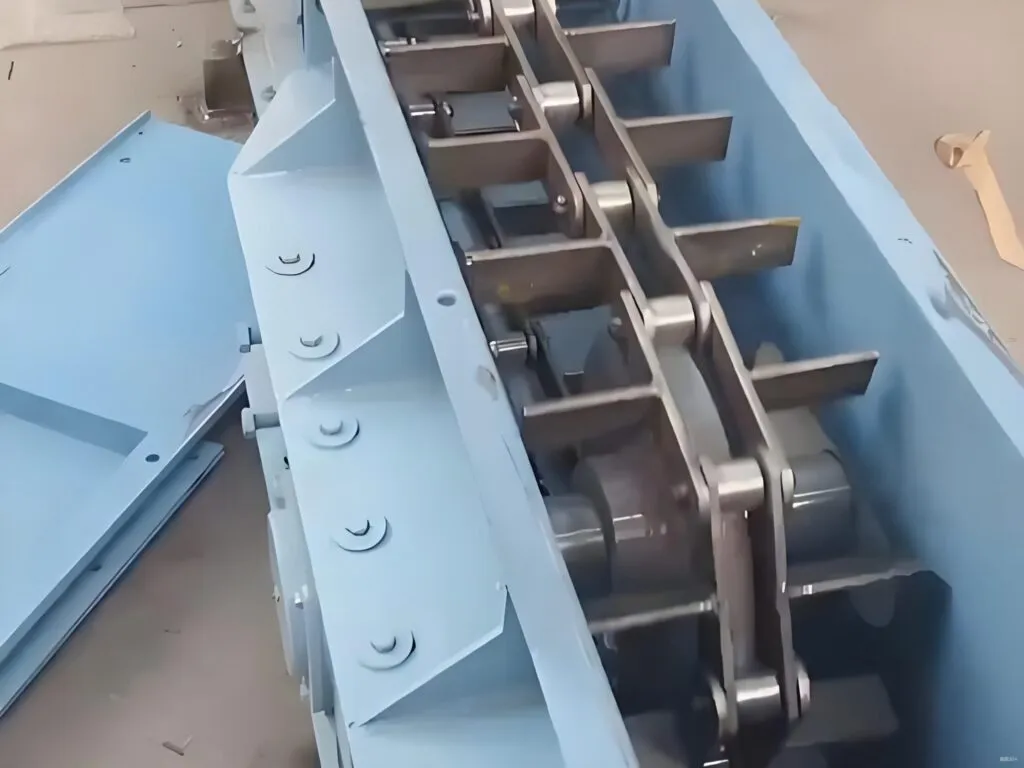
A chain conveyor moves material by using chains, scrapers, flights, or plates inside a conveyor casing. During operation, the chain, scraper, sprocket, guide rail, and casing are constantly exposed to friction, impact, and material abrasion.
In cement and clinker handling systems, wear usually happens faster because the conveyed materials are harsh. Clinker is hot and abrasive. Slag and limestone may be hard and sharp. Cement dust and fly ash are fine and can enter gaps between moving parts. If the system is not properly designed or maintained, wear can increase quickly.
Chain conveyor wear usually appears in these areas:
✔ Chain links and pins
✔ Scrapers or flights
✔ Sprockets and wheels
✔ Guide rails
✔ Conveyor casing bottom
✔ Inlet impact zone
✔ Discharge section
✔ Bearings and seals
A useful troubleshooting method is to check where the wear appears first. Chain wear, scraper wear, sprocket wear, and casing wear may look similar during operation, but their root causes can be different.
For broader conveyor and bulk handling equipment categories, CEMA provides useful references for engineered bulk handling equipment.
Cause 1: Abrasive Materials Accelerate Chain and Scraper Wear
Abrasive materials are the most direct cause of chain conveyor wear. In cement plants, clinker, slag, limestone, raw meal, gypsum, and cement additives can continuously rub against chains, scrapers, guide rails, and casing surfaces.
Clinker handling is especially demanding because the material may be hot, sharp-edged, and heavy. If the conveyor is not designed with wear-resistant parts, the chain and scraper system may wear much faster than expected.
Field Signs
✔ Chain links become thinner over time
✔ Scraper edges are worn or uneven
✔ Conveyor bottom plate shows clear abrasion marks
✔ Material output becomes unstable
✔ Wear is more serious near the inlet or loading zone
✔ Maintenance interval becomes shorter than expected
Field Troubleshooting
Check the material type, particle size, temperature, hardness, and abrasiveness. Then inspect the wear pattern inside the conveyor. If the inlet zone wears much faster than other areas, material impact may be too strong. If the full conveyor length is worn evenly, the material itself is highly abrasive.
Also check whether the conveyor is handling a different material from the original design. Many wear problems appear after a plant changes material source or increases clinker conveying capacity.
Practical Solution
Use wear-resistant chains, scrapers, guide rails, and liners for abrasive cement and clinker applications. Add replaceable wear plates at high-impact areas. If the material temperature is high, choose components suitable for heat and abrasion at the same time.
Cause 2: Incorrect Chain Tension Causes Uneven Wear
Chain tension has a direct effect on conveyor service life. If the chain is too loose, it may jump, drag, impact the casing, or wear unevenly. If the chain is too tight, the load on sprockets, bearings, and chain pins increases.
Both conditions can accelerate chain conveyor wear.
Field Signs
✔ Chain runs with vibration or impact noise
✔ Chain jumps or moves unevenly
✔ Sprocket teeth wear abnormally
✔ Chain elongation appears faster than normal
✔ Motor current fluctuates during operation
✔ Scrapers touch the casing unevenly
Field Troubleshooting
Check the chain tension during shutdown and after operation. Some chains become longer after a period of use, especially in heavy-duty clinker or slag conveying systems. Also inspect the take-up device, sprocket condition, and chain path.
Do not judge tension only by appearance. A chain may look acceptable from outside, but the internal pin and bushing wear may already be serious.
Practical Solution
Adjust chain tension according to the equipment requirement. Keep enough slack for smooth operation, but avoid excessive looseness. Inspect chain elongation regularly and replace badly stretched chain sections before they damage sprockets or casing parts.
Cause 3: Material Buildup Increases Friction Inside the Conveyor
Material buildup is another common cause of chain conveyor wear. Fine powder, wet material, sticky dust, or small particles can accumulate in the casing bottom, around the inlet, near the discharge outlet, or along guide rails.
When buildup becomes serious, the chain and scrapers must drag through extra material. This increases friction, motor load, scraper wear, and casing abrasion.
Field Signs
✔ Material remains inside the conveyor after shutdown
✔ Motor current slowly increases during operation
✔ Chain movement becomes heavy or noisy
✔ Scrapers wear faster at the bottom
✔ Conveyor needs frequent manual cleaning
✔ Blockage appears near the inlet or outlet
Field Troubleshooting
Open inspection covers and check where material accumulates. Pay attention to dead corners, low points, narrow discharge areas, and sections with poor self-cleaning performance.
Also check moisture. Cement dust, fly ash, and slag powder may become sticky when moisture enters the system. Sticky material is much more likely to build up and accelerate wear.
Practical Solution
Keep the conveyor casing clean and reduce dead zones where material can settle. Improve sealing to prevent moisture entry. If buildup happens near the outlet, check whether downstream equipment is restricting discharge. Regular cleaning is useful, but the real goal is to remove the cause of repeated buildup.
Cause 4: Misalignment Causes Side Wear and Scraper Damage
Misalignment can cause serious chain conveyor wear. If sprockets, shafts, guide rails, or casing sections are not aligned, the chain may run to one side. Scrapers may rub against the casing, and sprockets may wear unevenly.
In heavy-duty cement and clinker systems, even a small alignment problem can become serious because the load is high and the material is abrasive.
Field Signs
✔ Wear is heavier on one side of the conveyor
✔ Scrapers touch or scrape the casing
✔ Chain runs with side movement
✔ Abnormal noise appears near the sprocket
✔ Sprocket teeth wear unevenly
✔ Chain links show side abrasion
Field Troubleshooting
Check shaft alignment, sprocket position, guide rail condition, casing straightness, and chain path. Also inspect whether material buildup is pushing the chain to one side.
Misalignment may come from installation error, foundation movement, thermal expansion, bearing wear, or deformation caused by long-term heavy load.
Practical Solution
Realign sprockets, shafts, and guide rails. Replace worn guide parts and check the conveyor frame. If the conveyor handles hot clinker, allow for thermal expansion in the design and maintenance plan. Do not ignore side wear, because it can quickly damage chains, scrapers, and casing plates.
Cause 5: Insufficient Lubrication or Poor Lubrication Practice
Lubrication affects chain pins, bushings, bearings, sprockets, and other moving parts. In cement plants, lubrication is more difficult because dust, heat, and abrasive particles can contaminate the lubricant.
If lubrication is insufficient, friction increases. If lubrication is excessive or poorly selected, dust may stick to the oil and form abrasive paste. Both situations can cause faster wear.
Field Signs
✔ Chain pins and bushings wear quickly
✔ Bearings run hot
✔ Sprocket area produces abnormal noise
✔ Lubricant is mixed with dust and hard particles
✔ Chain movement becomes rough
✔ Maintenance staff finds dry or dirty lubrication points
Field Troubleshooting
Check lubrication points, lubricant type, lubrication interval, and actual site condition. Inspect whether grease or oil is reaching the correct parts. Also check whether dust is entering bearing seals or chain joints.
For high-temperature clinker handling, confirm whether the lubricant is suitable for the actual working temperature.
Practical Solution
Use proper lubrication suitable for cement plant conditions. Keep lubrication points clean and protected from dust. For high-temperature or dusty environments, choose lubrication methods and sealing structures that reduce contamination. Lubrication should reduce friction, not collect abrasive dust.
Cause 6: Overloaded Feeding Causes Impact and Chain Stress
Overloaded feeding can damage a chain conveyor quickly. If too much material enters the conveyor at once, the chain, scrapers, sprockets, and motor must handle sudden extra load. This can cause impact wear, chain stretching, scraper bending, and motor overload.
This often happens when the upstream silo outlet, hopper, crusher, feeder, rotary valve, or flow control gate discharges material too quickly.
Field Signs
✔ Wear is serious near the inlet zone
✔ Motor current rises sharply after feeding starts
✔ Scrapers bend or crack
✔ Chain elongation appears earlier than expected
✔ Conveyor works normally at reduced feed rate
✔ Blockage or material surge happens at the inlet
Field Troubleshooting
Check the upstream feeding equipment and material flow condition. Confirm whether the conveyor receives material gradually or in sudden surges. Also check whether the conveyor capacity still matches the current production requirement.
Some plants increase production but keep the old conveyor. In this situation, chain conveyor wear may increase because the system is always working near or above its limit.
Practical Solution
Control the feed rate and avoid sudden material surges. Use a stable feeding device before the conveyor when needed. If production capacity has increased, review chain size, scraper type, motor power, casing width, and wear protection design.
Cause 7: Worn Sprockets and Guide Rails Damage the Chain
Sprockets and guide rails are critical support parts in a chain conveyor. Once these parts are worn, the chain cannot run smoothly. A worn sprocket may not engage the chain correctly, and a worn guide rail may allow the chain or scraper to move unevenly.
If these parts are not replaced in time, they can damage new chains quickly.
Field Signs
✔ New chain wears quickly after replacement
✔ Sprocket teeth become sharp, thin, or uneven
✔ Chain engagement is rough
✔ Guide rails show deep grooves
✔ Scrapers do not move smoothly
✔ Vibration appears near the head or tail section
Field Troubleshooting
Inspect sprocket teeth, guide rail surface, chain contact area, and scraper running path. If a new chain was installed but wear returned quickly, check whether old sprockets or guide rails were reused.
Replacing only the chain may not solve the problem if the surrounding parts are already worn.
Practical Solution
Replace sprockets, guide rails, and other worn running parts together when needed. Make sure the chain and sprocket match correctly. For heavy-duty clinker and cement applications, use wear-resistant guide rails and check them during scheduled shutdowns.
Field Troubleshooting Checklist for Chain Conveyor Wear
When chain conveyor wear becomes serious, do not only replace the chain. The same problem may return if the root cause is still in the system.
Use this checklist:
✔ Is the material highly abrasive?
✔ Is the material hot, sharp, wet, or sticky?
✔ Is the chain tension correct?
✔ Is there material buildup inside the casing?
✔ Are sprockets and shafts aligned?
✔ Are scrapers rubbing against the casing?
✔ Is lubrication suitable for dusty cement plant conditions?
✔ Is upstream feeding overloaded or unstable?
✔ Are sprockets and guide rails already worn?
✔ Did wear appear after increasing production capacity?
The wear position is very important:
✔ Wear near the inlet often means impact or overfeeding
✔ Wear along the full length often means abrasive material or poor lubrication
✔ Wear on one side often means misalignment
✔ Fast wear after chain replacement often means worn sprockets or guide rails
✔ Heavy bottom wear often means material buildup inside the casing
This troubleshooting method helps maintenance teams find the actual cause instead of repeatedly replacing chains.
How to Reduce Chain Conveyor Wear in Long-Term Operation
Reducing chain conveyor wear requires correct equipment selection, stable feeding, and regular inspection. A chain conveyor should not be treated as a single spare part problem. It is part of a complete bulk material handling system.
For cement and clinker handling systems, plants should:
✔ Match conveyor design with material abrasiveness
✔ Control feeding rate from upstream equipment
✔ Avoid sudden material impact at the inlet
✔ Keep proper chain tension
✔ Check sprocket and guide rail wear regularly
✔ Use suitable lubrication for dusty and hot conditions
✔ Clean material buildup before it hardens
✔ Inspect scrapers, flights, and casing liners
✔ Replace chains and sprockets as matched parts when needed
✔ Monitor motor current, vibration, and abnormal noise
A well-maintained chain conveyor can operate reliably even in difficult cement plant conditions. The key is to prevent small wear from becoming a major failure.
For workplace safety and industrial operation guidance, OSHA provides official safety and health information for industrial facilities.
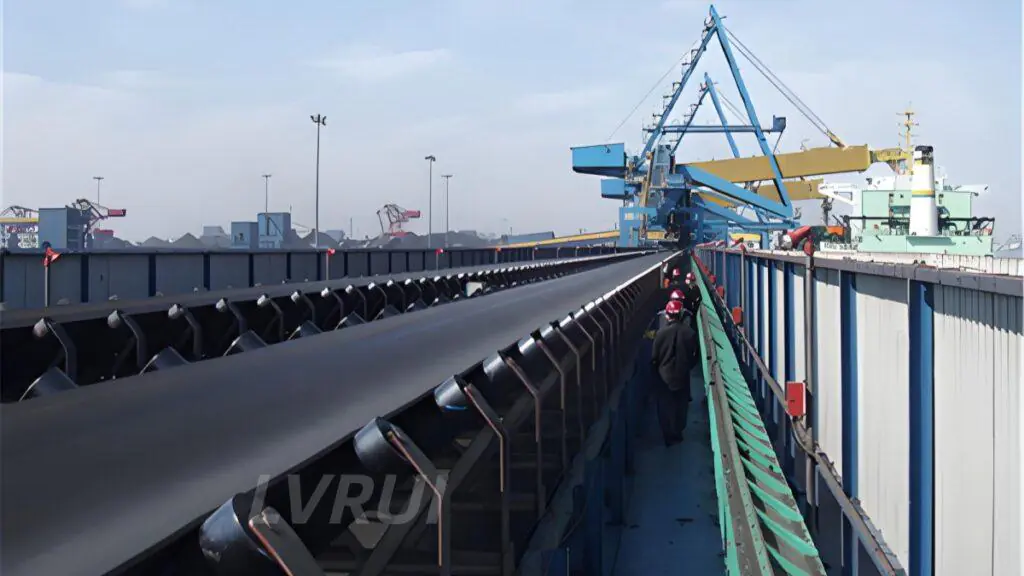
Chain Conveyor vs Belt Conveyor: Which Is Better for Cement and Clinker?
Both chain conveyors and belt conveyors are used in cement and bulk material handling systems, but they are suitable for different conditions.
A chain conveyor is more suitable for:
✔ Heavy-duty bulk material handling
✔ Clinker, slag, limestone, and abrasive materials
✔ Short to medium conveying distances
✔ Enclosed conveying with scraper movement
✔ Hot or rough material conditions
✔ Applications where impact resistance is required
A belt conveyor is more suitable for:
✔ Longer-distance material transfer
✔ Higher-speed continuous conveying
✔ Larger horizontal transport layouts
✔ Less abrasive or controlled material conditions
✔ Open or semi-open bulk handling systems
For cement plants, the choice depends on material type, temperature, abrasiveness, conveying distance, installation space, maintenance preference, and environmental control requirements.
If the material is hot, heavy, abrasive, or difficult to handle, a heavy-duty chain conveyor may provide better durability. If the material needs long-distance continuous transfer, a belt conveyor may be more practical.
When Should a Chain Conveyor Be Upgraded?
A chain conveyor should be upgraded when wear becomes too frequent and normal maintenance can no longer keep the system stable. Replacing chains again and again is not a long-term solution if the conveyor design no longer matches actual operating conditions.
Upgrade should be considered when:
✔ Production capacity has increased
✔ Material abrasiveness has changed
✔ Clinker temperature is higher than expected
✔ Chain replacement becomes too frequent
✔ Sprockets and guide rails wear quickly
✔ Scrapers bend, crack, or fail repeatedly
✔ Material buildup causes regular blockage
✔ Motor overload happens often
✔ Casing bottom wear becomes serious
✔ Maintenance cost is higher than expected
For cement and clinker handling systems, upgrading the chain conveyor may reduce downtime, extend service life, and improve the stability of the full conveying process.
Conclusion
Chain conveyor wear in cement and clinker handling systems is usually caused by several factors working together. Abrasive materials, incorrect chain tension, material buildup, misalignment, poor lubrication, overloaded feeding, and worn sprockets or guide rails can all shorten service life.
For cement plants, clinker handling lines, slag systems, and heavy-duty bulk material projects, the best solution is to check the full conveying process. Material condition, feeding control, chain operation, lubrication, alignment, and downstream discharge must work together.
A properly selected and maintained chain conveyor can reduce wear, lower maintenance cost, protect downstream equipment, and support stable heavy-duty bulk material handling in cement plants.
FAQ – Chain Conveyor Wear and Troubleshooting
What causes chain conveyor wear in cement plants?
Chain conveyor wear in cement plants is usually caused by abrasive materials, incorrect chain tension, material buildup, misalignment, insufficient lubrication, overloaded feeding, or worn sprockets and guide rails. In clinker handling systems, high temperature and sharp material edges can make wear more serious.
How do you reduce chain conveyor wear?
To reduce chain conveyor wear, control the feeding rate, keep proper chain tension, use wear-resistant scrapers and guide rails, maintain lubrication, prevent material buildup, and inspect sprockets regularly. The conveyor should also be matched with the material abrasiveness and operating capacity.
Why does a chain conveyor wear faster near the inlet?
A chain conveyor wears faster near the inlet when material impact is too strong or feeding is overloaded. Heavy clinker, slag, limestone, or abrasive bulk materials can damage chains, scrapers, and casing liners if they enter the conveyor suddenly or from a high drop point.
Can material buildup cause chain conveyor wear?
Yes. Material buildup increases friction inside the conveyor. When chains and scrapers drag through accumulated cement dust, fly ash, clinker fines, or sticky material, wear becomes faster and motor load may increase.
Is chain tension important for conveyor service life?
Yes. Incorrect chain tension can greatly reduce conveyor service life. A loose chain may jump, drag, or hit the casing, while an overly tight chain increases stress on pins, bushings, sprockets, and bearings.
Why do new chains wear quickly after replacement?
New chains may wear quickly if old sprockets, guide rails, or casing liners are already worn. If only the chain is replaced but the running path remains damaged, chain conveyor wear will return quickly.
What is the difference between a chain conveyor and a belt conveyor?
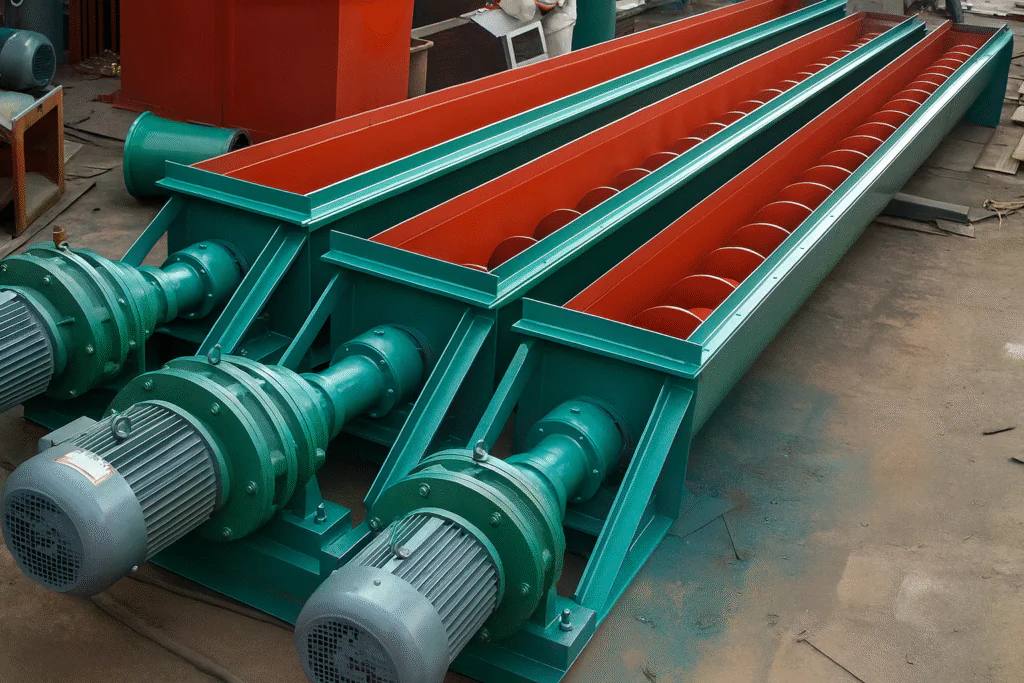
A chain conveyor uses chains and scrapers or flights to move bulk material inside a casing, while a belt conveyor uses a moving belt to carry material over longer distances. Chain conveyors are more suitable for heavy, abrasive, hot, or difficult materials such as clinker and slag.
Is a chain conveyor suitable for clinker handling?
Yes. A heavy-duty chain conveyor is suitable for clinker handling when the chain, scraper, liner, sprocket, and casing are designed for high abrasion and temperature. Proper feeding control and wear-resistant parts are important for stable operation.
How often should chain conveyor wear parts be inspected?
Chain conveyor wear parts should be inspected during scheduled maintenance and more frequently in abrasive clinker or cement applications. Key parts include chains, scrapers, sprockets, guide rails, liners, bearings, and seals.
When should a chain conveyor be upgraded?
A chain conveyor should be upgraded when chain wear becomes frequent, sprockets and guide rails wear quickly, scrapers fail repeatedly, motor overload occurs often, or production capacity has increased beyond the original design.
Indonesian Short Version
Keausan Chain Conveyor pada Sistem Semen dan Clinker
Masalah chain conveyor wear sering terjadi pada cement plant, clinker handling line, slag conveying system, fly ash terminal, dan sistem material curah berat lainnya. Keausan biasanya disebabkan oleh material abrasif, chain tension yang tidak tepat, material buildup, misalignment, pelumasan yang kurang baik, overfeeding, atau sprocket dan guide rail yang sudah aus.
Pada aplikasi clinker handling, keausan bisa lebih cepat karena clinker biasanya panas, berat, dan abrasif. Jika material masuk terlalu banyak secara tiba-tiba, chain, scraper, sprocket, dan casing dapat menerima beban impact yang tinggi. Jika ada material buildup di dalam casing, chain dan scraper akan bergerak dengan gesekan lebih besar.
Untuk mengurangi keausan, operator perlu memeriksa feeding rate, chain tension, kondisi scraper, sprocket, guide rail, lubrication point, dan area buildup. Jika wear hanya terjadi di satu sisi, kemungkinan ada masalah alignment. Jika wear cepat terjadi setelah chain baru dipasang, sprocket atau guide rail lama perlu diperiksa.
Chain conveyor cocok untuk material berat, abrasif, panas, atau sulit ditangani, seperti clinker, slag, limestone, dan bulk material industri. Dengan desain dan perawatan yang tepat, chain conveyor dapat bekerja lebih stabil, mengurangi downtime, dan memperpanjang umur pakai sistem conveying.
CTA
Need a reliable Chain Conveyor for cement, clinker, slag, or bulk material handling systems?
Contact LVRUI today for fast delivery and expert technical support.
Email: info@lvrui-conveyor.com
Website: https://lvrui-conveyor.com
✅ Get expert quotation and customized solution within 12 hours
✅ Factory direct supply with strict quality control
✅ Professional engineering support from experienced team
✅ Stable delivery for overseas industrial projects