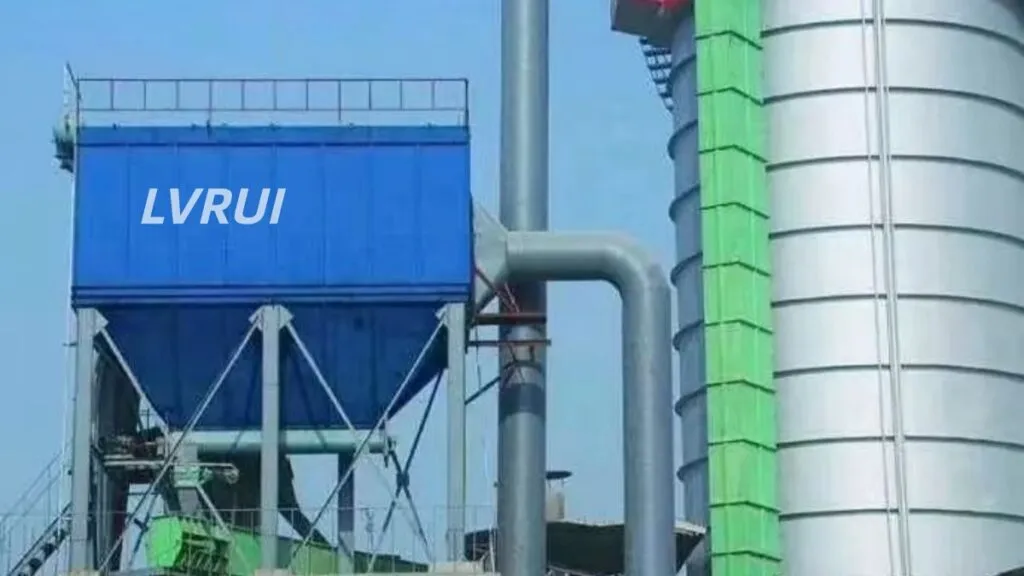
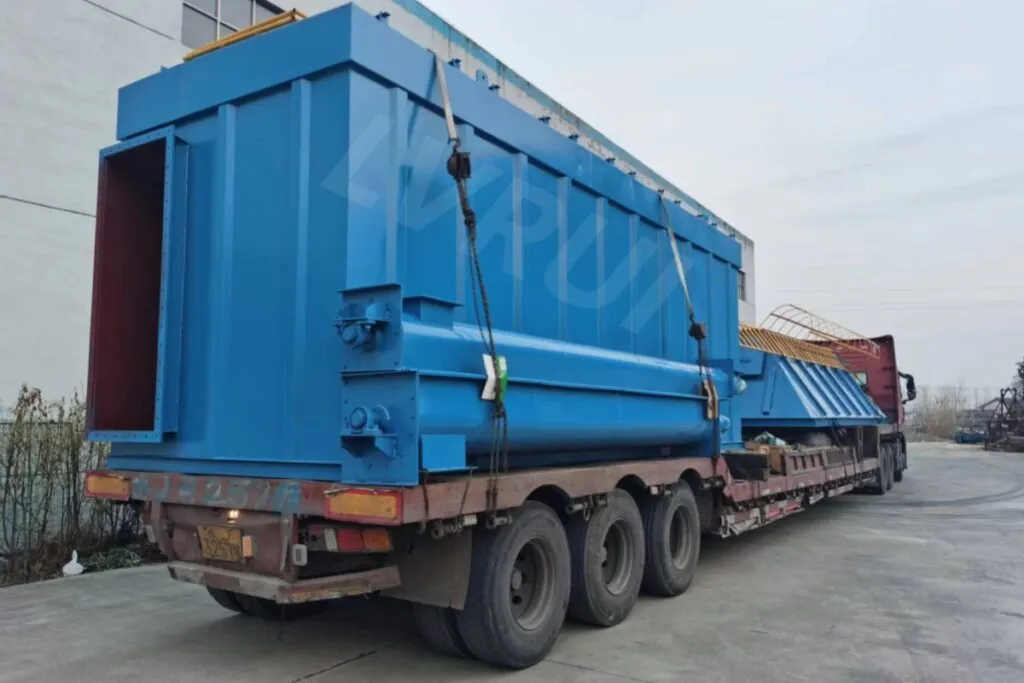
Installing an industrial bag filter involves more than assembling the housing and connecting the ductwork. Filter bags, sealing surfaces, the pulse cleaning system, dust discharge equipment, the fan, and electrical controls must all be checked before the system enters service.
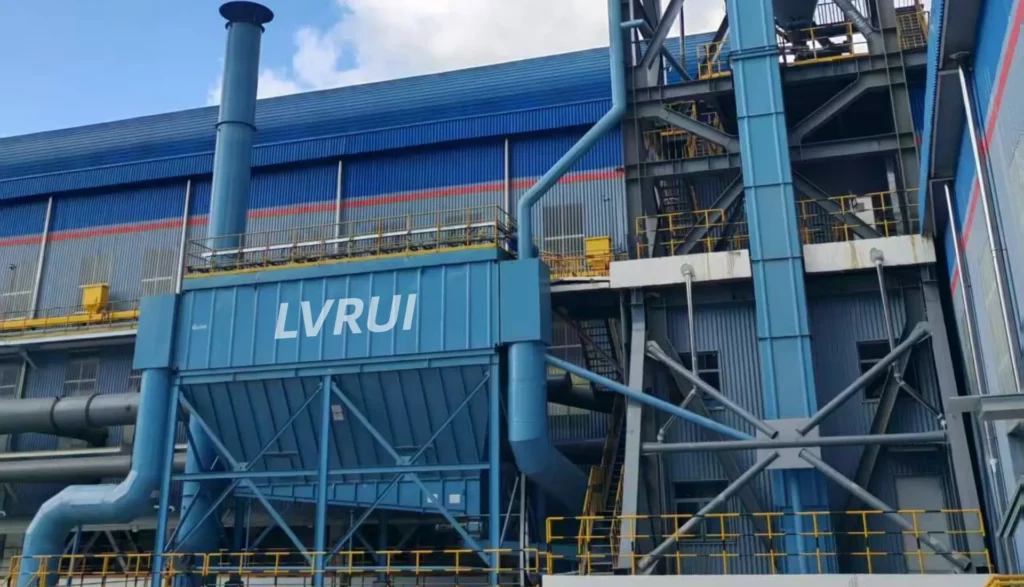
This PPCS bag filter installation guide covers eight essential checks for cement plants, building materials factories, grinding stations, and other industrial facilities using air box pulse bag filters for dry dust collection. It focuses on installation requirements, commissioning preparation, and pre startup inspection.
The objective is to identify installation issues early, verify equipment interfaces, and prepare the dust collection system for controlled startup.
1. Check the Foundation and Supporting Structure
Before installing the bag filter, confirm that the foundation and supporting steel structure match the approved general arrangement drawing.
Check the following:
- Foundation dimensions, elevation, and anchor bolt positions
- Supporting structure alignment and level
- Equipment footprint and installation clearances
- Access for lifting, assembly, and future maintenance
- Available space for the hopper and dust discharge equipment
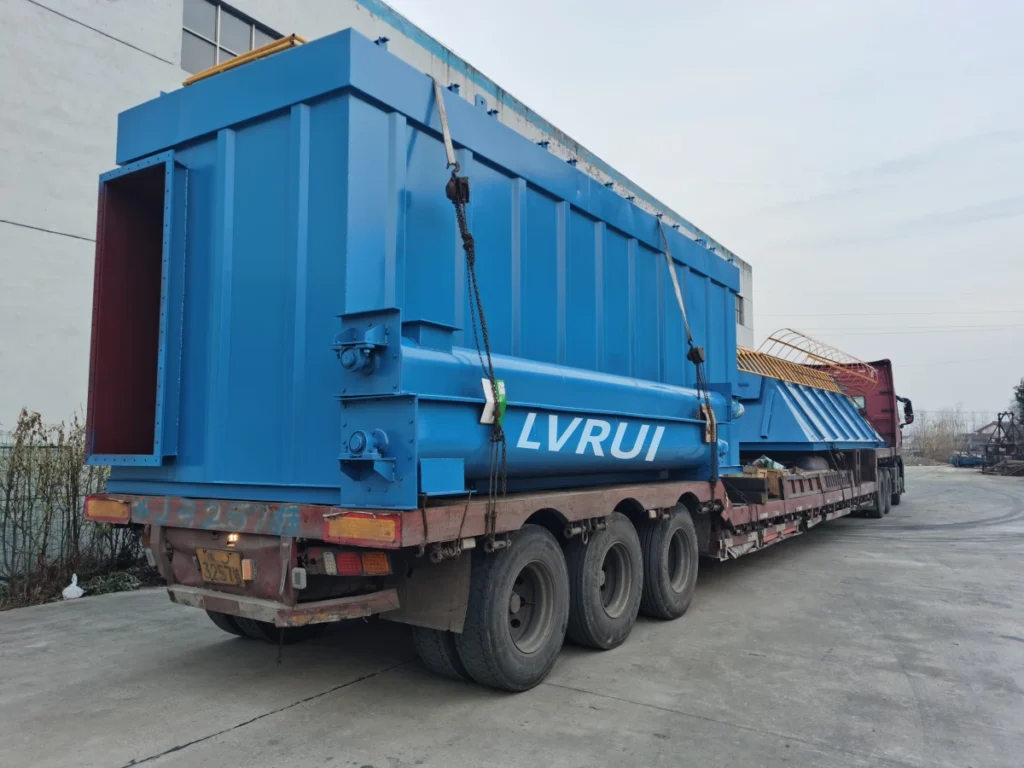
Large bag filters may be supplied in multiple sections for transportation. Confirm the lifting points, installation sequence, and section connections before positioning the equipment.
The foundation must be suitable for the equipment’s operating weight and the loads specified in the approved design. Structural modifications should be reviewed by the responsible engineer before installation.
2. Inspect the Housing Assembly and Sealing Surfaces
The housing, clean air chamber, inspection doors, and connection flanges must be assembled according to the approved drawings.
Before closing the housing, check for:
- Correct alignment of housing sections
- Proper installation of gaskets and sealing components
- Secure flange connections and fasteners
- Correct positioning of inspection doors
- Removal of welding debris, loose materials, and foreign objects
Air leakage can reduce effective collection airflow and affect system performance. Leakage between the dirty air and clean air sections can also allow dust to bypass the filter bags.
After assembly, inspect accessible sealing surfaces and carry out the specified leakage checks before introducing dusty process gas.
3. Verify the Filter Bags, Cages, and Tube Sheet
Correct filter bag installation is essential for filtration performance and service life.
Before installation, verify that the filter bags and supporting cages match the approved equipment specifications.
Check:
- Filter bag dimensions and material specifications
- Compatibility between the bags and supporting cages
- Correct seating of each bag at the tube sheet
- Proper sealing at the bag mounting points
- Absence of visible tears, abrasion, or installation damage
- Adequate clearance to prevent interference with internal components
The tube sheet and bag mounting arrangement should be clean before the bags are fitted. Avoid contaminating or damaging the filter media during handling.
Do not force an incorrectly sized bag or cage into position. Incorrect seating can create bypass leakage, while damaged bags may allow dust to enter the clean air section.
4. Check the Air Inlet, Clean Air Outlet, and Duct Connections
The inlet and outlet connections must match the approved process layout.
Confirm the following:
- Inlet and outlet positions and dimensions
- Flange orientation and connection details
- Ductwork alignment and support arrangements
- Access to dampers, inspection points, and measuring connections
- Clearance for maintenance and component removal
The inlet arrangement should follow the equipment design to distribute dusty air appropriately across the filter chamber. Avoid making unapproved changes to the inlet position or internal airflow arrangement.
Also verify that the fan, ductwork, and extraction points are designed to provide the required airflow under actual operating conditions.
A correctly installed bag filter cannot compensate for an improperly designed collection hood, undersized duct, or inadequate fan capacity.
For more information about airflow, filtration area, and industrial dust collection system configuration, see our Industrial Bag Filter System for Cement Plants.
5. Verify the Pulse Cleaning Compressed Air Supply
The pulse cleaning system must receive an adequate and stable compressed air supply before commissioning.
Inspect the air manifold, connecting pipes, valves, fittings, and associated controls.
Confirm that:
- The compressed air supply meets the equipment specification
- The air lines are correctly connected and adequately supported
- Connections are free from leakage
- The specified air quality requirements are met
- Pulse valves and electrical connections are installed correctly
- The cleaning sequence matches the approved control configuration
Moisture or contamination in the compressed air supply may interfere with valve operation and cleaning performance. Drainage and air preparation should follow the equipment design and site requirements.
Do not apply a generic compressed air pressure setting to every bag filter. The required pressure, consumption, valve configuration, and cleaning sequence must be confirmed against the approved technical documentation.
Before introducing process dust, verify that the cleaning system operates correctly and that any required interlocks are functional.
6. Inspect the Hopper and Dust Discharge Equipment
Collected dust must leave the hopper reliably. A blocked or incorrectly connected discharge system can cause material accumulation and interfere with normal operation.
Depending on the supplied configuration, inspect the rotary valve, screw conveyor, or other dust discharge equipment.
Check:
- Hopper assembly and internal cleanliness
- Discharge flange alignment
- Connection to downstream dust handling equipment
- Drive installation and rotation direction, where applicable
- Electrical connections and control interlocks
- Access for inspection and maintenance
Confirm that the hopper and discharge arrangement match the material being collected and the intended operating sequence.
Before startup, ensure that no tools, packaging materials, or other foreign objects remain inside the hopper.
7. Check the Fan, Instruments, and Electrical Controls
The fan, measurement instruments, and control system must be checked before the dust collection process starts.
Verify the following:
- Fan rotation direction and mechanical condition
- Motor connections and operating current
- Damper positions and control signals
- Differential pressure instrument installation
- Pressure tapping points and connecting lines
- Pulse cleaning controller settings
- Electrical interlocks and operating sequence
Differential pressure is an important indicator of bag filter operating condition. A baseline reading should be recorded under defined operating conditions so that later readings can be compared meaningfully.
The U.S. Environmental Protection Agency’s guidance on monitoring fabric filters identifies differential pressure, gas flow, temperature, and cleaning mechanism operation as useful indicators when monitoring fabric filter performance.
Do not treat one differential pressure reading as proof of overall performance. Interpret it alongside airflow, cleaning operation, dust loading, and the manufacturer’s specified operating range.
8. Complete Pre Commissioning and Startup Checks
Before introducing dusty process gas, complete a documented pre commissioning inspection.
The inspection should confirm that the mechanical assembly, filter bags, compressed air supply, dust discharge equipment, fan, instruments, and controls are ready for operation.
A practical startup sequence includes:
- Confirm that installation work is complete and all internal inspection points are clear.
- Verify that access doors and required sealing points are secured.
- Confirm that the filter bags and cages are correctly installed.
- Test the pulse cleaning system and relevant control signals.
- Check the fan, dampers, dust discharge equipment, and interlocks.
- Start the system according to the approved commissioning procedure.
- Record airflow, differential pressure, compressed air conditions, and other specified operating parameters.
- Inspect for abnormal vibration, air leakage, dust accumulation, and unexpected operating conditions.
The actual sequence may vary with the equipment design and process arrangement. Follow the approved operating instructions rather than applying a universal startup procedure.
If an abnormal condition occurs, stop or adjust the commissioning process as required by the site’s safety procedures and investigate the cause before continuing.
PPCS Bag Filter Installation Checklist: What to Record Before Handover
A commissioning record helps the operator establish a baseline and identify changes after the system enters service.
| Inspection item | Information to record |
|---|---|
| Mechanical installation | Assembly completion and outstanding issues |
| Filter bags and cages | Installation and sealing inspection results |
| Compressed air supply | Measured pressure and leakage observations |
| Pulse cleaning system | Valve operation and controller settings |
| Fan and airflow | Rotation direction, operating current, and available airflow data |
| Differential pressure | Initial reading and operating conditions |
| Dust discharge | Equipment operation and material discharge condition |
| Emission performance | Test results, if required by the contract |
| Final handover | Outstanding items, corrective actions, and responsible personnel |
Record actual measurements rather than simply marking every item as acceptable. If a required test has not been completed, identify it as pending rather than assuming the equipment has passed.
For routine inspection and service after handover, refer to our Industrial Bag Filter Maintenance Guide.
FAQs About PPCS Bag Filter Installation
What should be checked before starting a PPCS bag filter?
Check the housing seals, filter bags and cages, compressed air supply, pulse cleaning valves, hopper discharge equipment, fan, instruments, electrical controls, and safety interlocks. Complete the specified pre commissioning checks before introducing dusty process gas.
What compressed air pressure is required for an air box pulse bag filter?
The required pressure depends on the equipment design, pulse valves, air consumption, and cleaning configuration. Use the approved technical documentation for the specific unit rather than relying on a generic pressure value.
How can I confirm that the bag filter is operating correctly after installation?
Verify the specified airflow, differential pressure, pulse cleaning operation, dust discharge, and sealing condition. Where required, confirm outlet dust concentration using the agreed measurement method and operating conditions.
Can the same bag filter configuration be used for every cement plant?
No. The required filter area, chamber arrangement, filter media, airflow, and dust discharge configuration depend on the application. The equipment model alone does not establish suitability for every dust source or operating condition.
What information should be available before bag filter installation?
Prepare the approved general arrangement drawing, foundation details, ductwork layout, electrical drawings, compressed air requirements, dust discharge arrangement, and filter bag specifications. Confirm the interfaces and supply scope before installation begins.
Conclusion: Prepare the Bag Filter for Reliable Commissioning
Successful bag filter installation depends on verified equipment interfaces, correctly installed filter bags, a functional pulse cleaning system, reliable dust discharge, and properly checked controls.
A documented pre commissioning inspection helps identify installation issues before normal operation and establishes a useful baseline for future performance monitoring.
The key is to confirm the actual equipment configuration and operating requirements before approving the final installation and startup.
Need a PPCS Bag Filter for Your Dust Collection System?
LVRUI supplies industrial PPCS bag filters for cement plants, building materials factories, grinding stations, and other bulk material handling applications.
Send us your dust source, required airflow, material characteristics, operating temperature, emission requirements, and installation layout. Our team can review the application and confirm the appropriate equipment configuration and technical requirements.
- Customized filter area and chamber configuration
- Filter media selected according to actual operating conditions
- Dust hopper and discharge arrangement matched to the application
- Inlet, outlet, and installation interfaces confirmed against the project layout
Contact LVRUI
Email: info@lvrui-conveyor.com
WhatsApp / WeChat: +86 182 6199 8937
Website: Industrial Bag Filter for Cement Plant Dust Collection