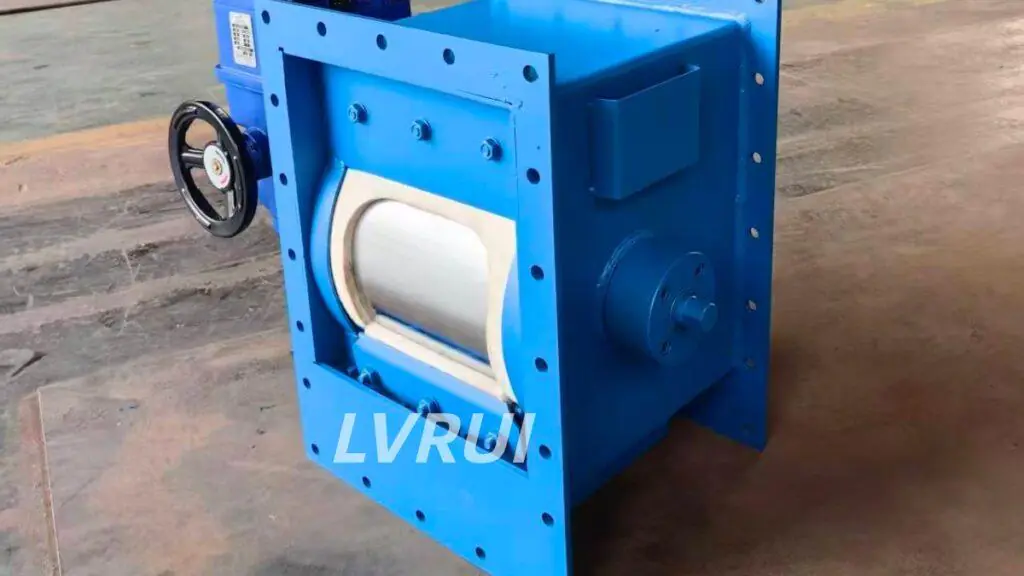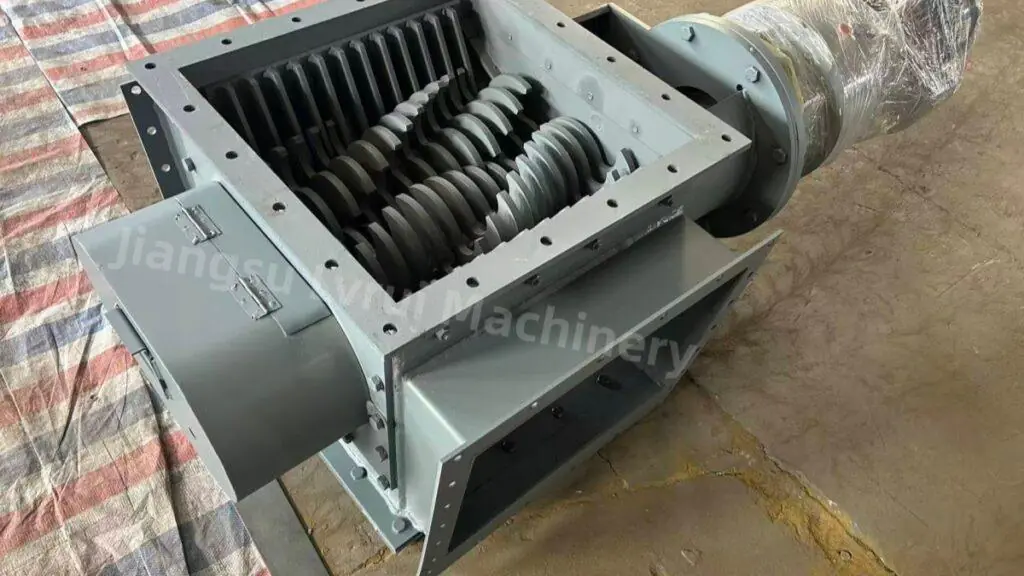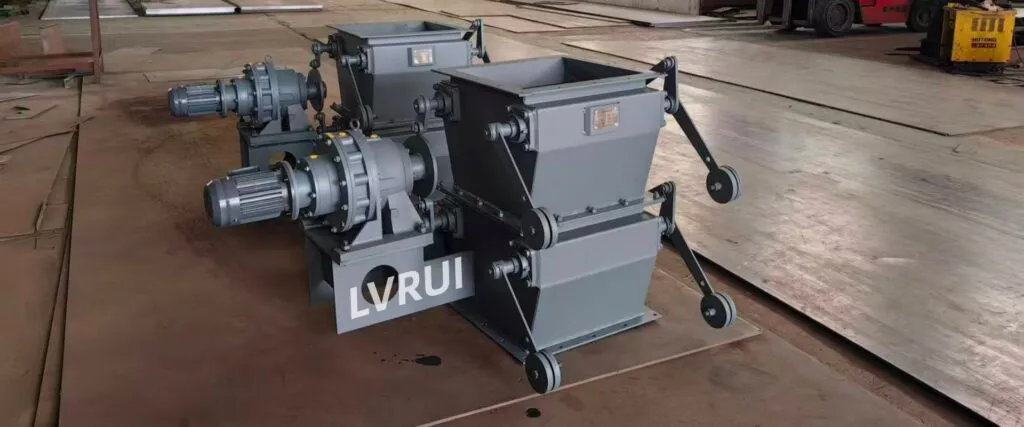
What Is a Flap Valve?
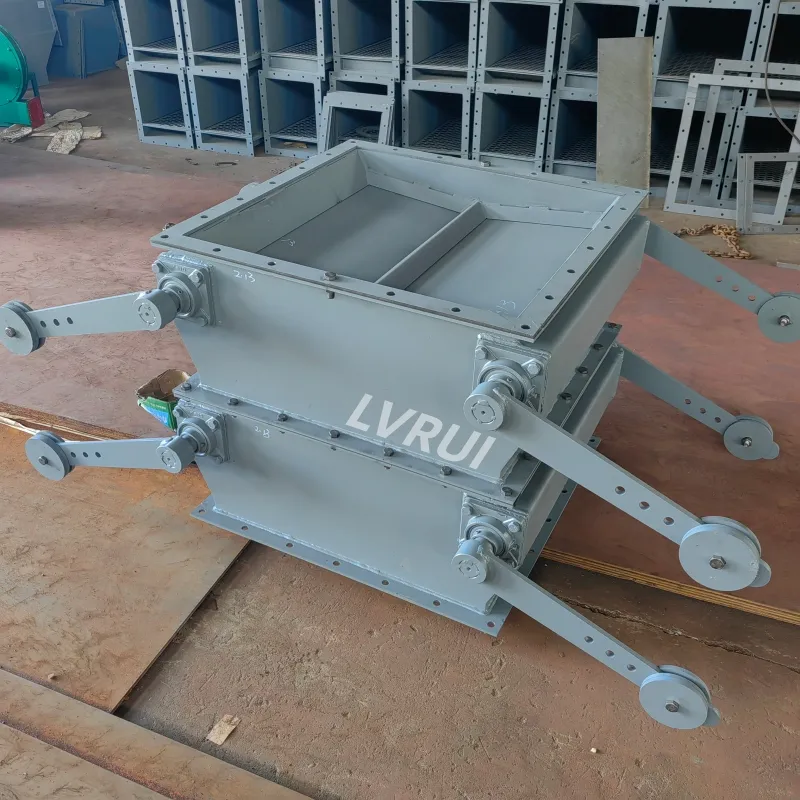
Industrial flap valves (also known as gravity flap valves or swing-type valves) are mechanical devices that allow material to flow in one direction while preventing air, dust, or gas from flowing backward. They are widely used in cement plants, powder handling facilities, and pneumatic conveying systems.
Components typically include:
✅ Valve housing
✅ One or two hinged metal flaps
✅ Counterweights or pneumatic actuators
These bulk powder flap valves ensure continuous material flow and prevent air leakage during operation.
How Does a Flap Valve Work in Cement & Powder Handling?
The operation is simple and reliable:
- Bulk powder or granules enter the flap chamber
- The weight of the material pushes the flap downward
- Product exits the valve into the next stage of conveying
- When material stops flowing, the flap naturally returns to a closed position
Advantages of flap valves:
✅ No electricity required
✅ Low maintenance
✅ Ideal for dusty and abrasive materials
Because of these advantages, flap valves are common in pneumatic conveying and dust collection systems.
Applications of Industrial Flap Valves in Cement Plants & Bulk Powder Systems
Flap valves are widely used in:
✅ Cement plants and grinding stations
✅ Fly ash and gypsum conveying
✅ Silo and hopper discharging
✅ Dust collection systems (Baghouse & cyclone)
✅ Bulk powder loading stations
✅ Chemical and food powder handling
✅ Biomass and pellet transport
In baghouse dust collectors, flap valves prevent dust from being blown back into the filter area while discharging into hoppers or screw conveyors.
reference: Flap valve on Wikipedia
Advantages of Low-Maintenance, Dust-Proof Flap Valves
| Advantage | Benefit |
|---|---|
| Simple structure | Easy installation and low-maintenance bulk powder flap valve |
| Gravity-powered | No electrical motor needed, suitable for cement plant flap valves |
| Airtight sealing | Prevents air or gas leakage in pneumatic conveying |
| Wear-resistant materials | Handles abrasive powders safely |
| Handles high-temperature dust | Ideal for cement, steel, and power plant bulk powder |
These features make flap valves one of the most cost-effective options for gravity discharge systems.
Flap Valve vs. Rotary Airlock Valve for Bulk Powder Handling
Flap valves are often compared with rotary airlock valves. The main differences are:
| Item | Flap Valve | Rotary Airlock Valve |
|---|---|---|
| Power | No power required | Requires motor / gearbox |
| Maintenance | Very low | Higher (bearings / rotor wear) |
| Sealing | Good | Excellent |
| Cost | Low | Higher |
| Best for | Low pressure & dust discharge | High pressure pneumatic conveying |
In many systems, flap valves are used as economic alternatives when airtight sealing is not extremely critical.
How to Choose the Right Industrial Flap Valve for Cement & Powder Plants
When selecting a flap valve, consider:
- Material type: cement, fly ash, lime, chemicals, grains, etc.
- Temperature and abrasion level
- Valve size and opening angle
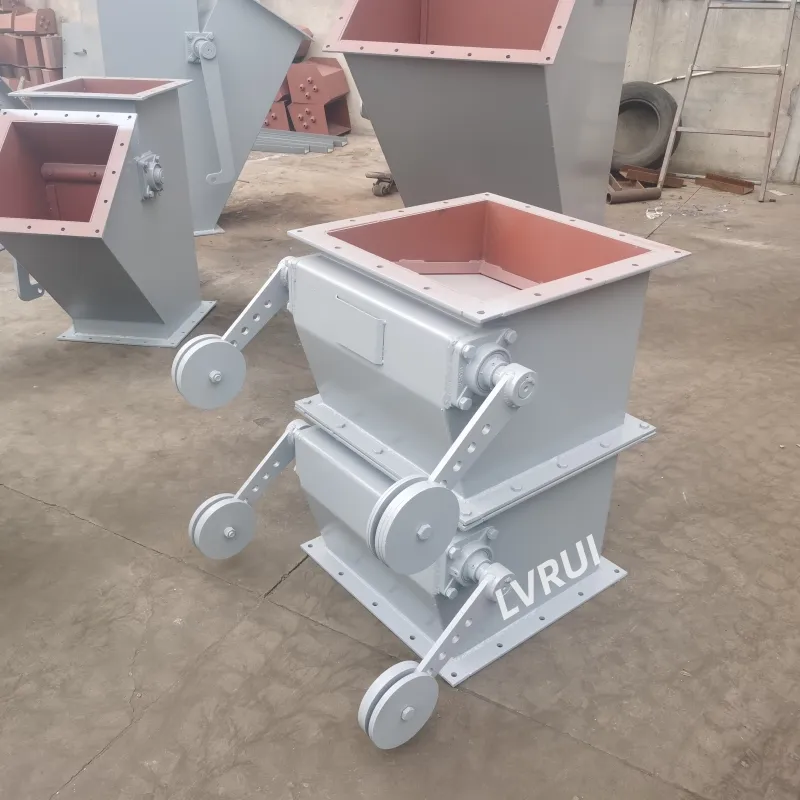
- Single-flap or double-flap design
- Seal material (carbon steel, stainless steel, rubber seat)
- Dust and air leakage requirements
Tip: Double-flap valves offer better sealing performance for pneumatic systems.
Why Flap Valves Improve Bulk Material Handling Efficiency
Flap valves prevent air leakage, ensure stable discharge, reduce dust pollution, decrease maintenance downtime, and extend the life of filters and conveying systems. By integrating flap valves with Air Slide Conveyors, Flow Control Gate Valves, and Dust-Free Bulk Truck Loading Systems, plants can achieve reliable, efficient, and dust-free bulk material handling.
Conclusion
Industrial flap valves are compact but critical components in bulk powder handling systems. Their simple design, low cost, and reliable sealing make them widely used in:
- Cement and mining industries
- Dust collection systems
- Silo and hopper discharge
- Pneumatic conveying lines
Choosing the right industrial flap valve improves efficiency, reduces maintenance, and ensures plant operations remain dust-free and reliable.
FAQs About Industrial Flap Valve
What industries use flap valves?
Industrial flap valves are widely applied in cement plants, powder handling facilities, chemical industries, and biomass transport systems, ensuring stable material flow and dust-proof operations.
Can industrial flap valves handle abrasive materials?
Yes. Industrial flap valves are designed for abrasive powders like cement, fly ash, and minerals, with wear-resistant materials for long service life.
Are industrial flap valves suitable for pneumatic conveying?
Absolutely. Pneumatic flap valves provide airtight sealing, prevent air leakage, and maintain stable flow in bulk powder conveying systems.
What is the difference between a single and double flap valve?
Single-flap valves are simpler and cost-effective, while double-flap valves offer superior sealing performance, ideal for high-volume or high-pressure pneumatic conveying systems.
How does a industrial flap valve improve system efficiency?
Industrial flap valves prevent air leakage, reduce dust pollution, ensure continuous discharge, and decrease maintenance downtime, improving overall bulk material handling efficiency.
What are the maintenance requirements for industrial flap valves?
Industrial flap valves are low-maintenance, with no electricity required. Routine inspection of seals and hinges ensures long-term, reliable operation in cement and powder handling plants.
CAT
Need a reliable industrial flap valve for your cement or bulk powder system? Contact LVRUI today and get expert support within 12 hours.
- Factory-direct quality control
- Engineering support for installation
- Stable delivery worldwide
📧 Email: info@lvrui-conveyor.com
🌐 Website: lvrui-conveyor.com
Katup Flap untuk Penanganan Semen & Bubuk
Katup flap digunakan di pabrik semen dan fasilitas penanganan bubuk untuk memastikan aliran material stabil, pengangkutan yang andal, dan operasi pengisian yang efisien. Dirancang untuk material abrasif dan sistem pneumatik, katup flap LVRUI memberikan kinerja rendah perawatan dan bebas debu.