Maintenance Best Practices for Cement Silo Loading Systems
Panduan Perawatan Bulk Loading Spout untuk Sistem Pengisian Truk Semen
Why Bulk Loading Spout Maintenance Is Critical
Bulk Loading Spout Maintenance directly affects:
- Dust control performance
- Loading stability
- Equipment lifespan
Without regular maintenance:
❌ Dust leakage increases
❌ Bellows wear accelerates
❌ Flow becomes unstable
To understand system installation basics, refer to: Bulk Loading Spout Installation Guide
Key Components Requiring Maintenance
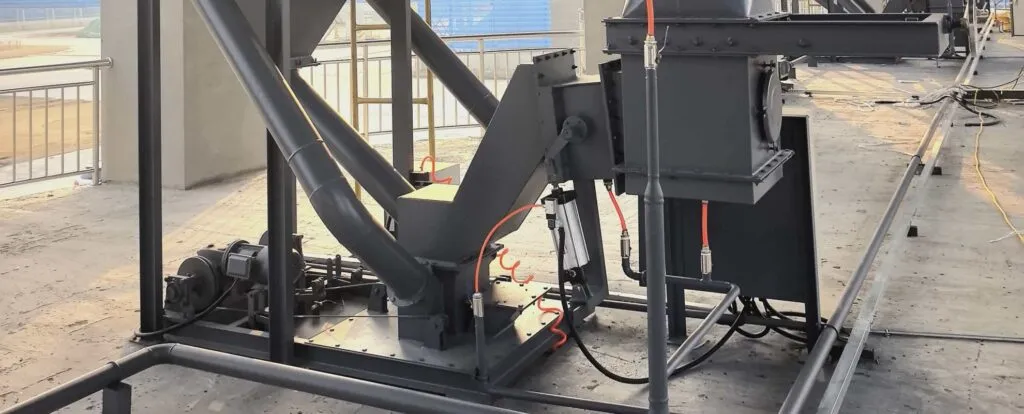
Regular Bulk Loading Spout Maintenance should focus on:
✔ Telescopic bellows
✔ Lifting mechanism
✔ Sealing skirt
✔ Dust extraction interface
✔ Motor drive system
These components operate continuously during cement loading and are exposed to abrasive powder materials.
Daily Maintenance Routine
Daily Bulk Loading Spout Maintenance should include:
- Visual inspection of bellows
- Checking lifting motion
- Verifying dust return connection
Proper daily checks help detect:
- Misalignment
- Early wear
- Leakage risks
Weekly Inspection Tasks
Weekly Bulk Loading Spout Maintenance must include:
✔ Checking motor function
✔ Inspecting skirt sealing
✔ Confirming alignment
This ensures loading remains centered and dust-free.
Monthly Preventive Maintenance
Monthly Bulk Loading Spout Maintenance should involve:
- Checking lifting cables or chains
- Verifying limit switches
- Inspecting structural mounts
Reference for bulk handling reliability: cement handling operational practices
Wear Control Strategies
Abrasive cement powder accelerates wear.
Effective Bulk Loading Spout Maintenance should include:
✔ Reinforced bellows materials
✔ Replaceable wear parts
✔ Protective inner cones
Upstream material stability also affects wear: Air Slide Conveyor System
Dust Leakage Prevention
Bulk Loading Spout Maintenance must ensure:
- Proper skirt sealing
- Functional dust extraction
Reference for dust control: industrial bulk material dust management
Common Maintenance Mistakes
❌ Ignoring early bellows cracks
❌ Delayed skirt replacement
❌ Infrequent alignment checks
These errors lead to unstable loading and increased emissions.
Performance Optimization
Bulk Loading Spout Maintenance also improves:
✔ Loading efficiency
✔ Operational safety
✔ System longevity
Integration with: Flow Control Gate
helps stabilize material feed.
Maintenance Safety Considerations
During Bulk Loading Spout Maintenance:
✔ Power isolation is required
✔ Moving parts must be secured
✔ Dust exposure protection is recommended
FAQs
How often should Bulk Loading Spout Maintenance be performed?
Daily inspection and monthly preventive maintenance are recommended.
What causes loading instability?
Misalignment or worn sealing components.
Can maintenance reduce dust emissions?
Yes. Proper sealing and dust return functionality minimize emissions.
Long-Term Reliability Planning
Long-term cement loading system maintenance should include predictive inspection strategies to prevent unexpected system failures.
Recommended actions include:
✔ Monitoring lifting system vibration
✔ Tracking bellows wear rate
✔ Checking sealing skirt performance
✔ Evaluating dust extraction efficiency
A proactive cement loading system maintenance strategy helps cement plants maintain stable truck loading performance and reduce emergency downtime.
Maintenance Scheduling Strategy
A structured Bulk Loading Spout Maintenance schedule helps ensure continuous and stable truck loading operations in cement plants.
Recommended planning includes:
✔ Daily visual inspection
✔ Weekly alignment checks
✔ Monthly mechanical verification
✔ Quarterly sealing performance review
Proper Bulk Loading Spout Maintenance scheduling minimizes unexpected failures and supports long-term dust-free cement loading performance.
Conclusion
Bulk Loading Spout Maintenance ensures reliable and dust-free cement loading while extending equipment service life.
CAT
Need expert support for Bulk Loading Spout Maintenance?
Contact LVRUI for engineering solutions.
📩 info@lvrui-conveyor.com
🌐 https://lvrui-conveyor.com
Indonesian Version
Perawatan Bulk Loading Spout sangat penting untuk menjaga stabilitas proses pengisian semen ke truk serta mencegah kebocoran debu selama operasi.
Perawatan rutin membantu memperpanjang umur peralatan, mengurangi downtime, dan memastikan sistem pengisian bekerja secara efisien dalam lingkungan industri semen.
Komponen utama yang perlu diperiksa meliputi bellows teleskopik, sistem pengangkat, sealing skirt, serta koneksi dust collector.
Tanpa perawatan yang tepat, risiko kebocoran debu, keausan komponen, dan ketidakstabilan aliran material akan meningkat.