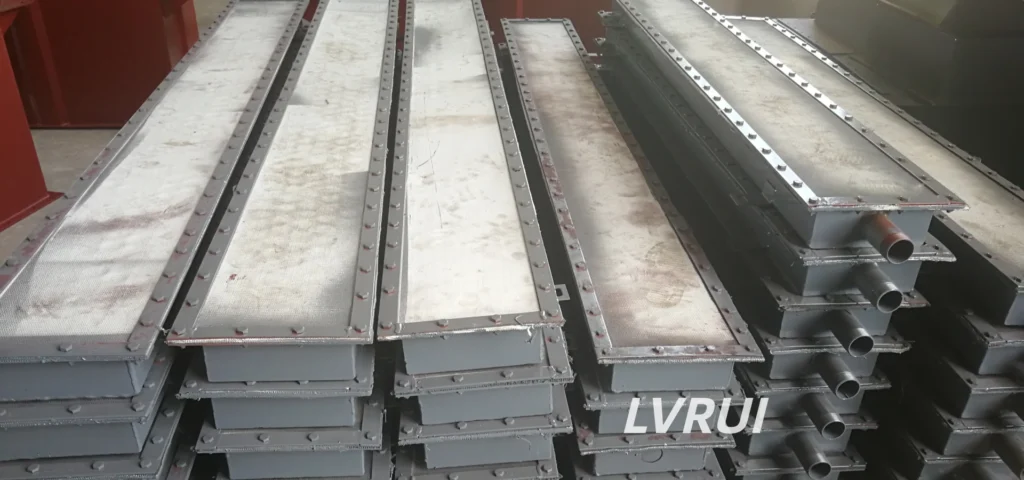
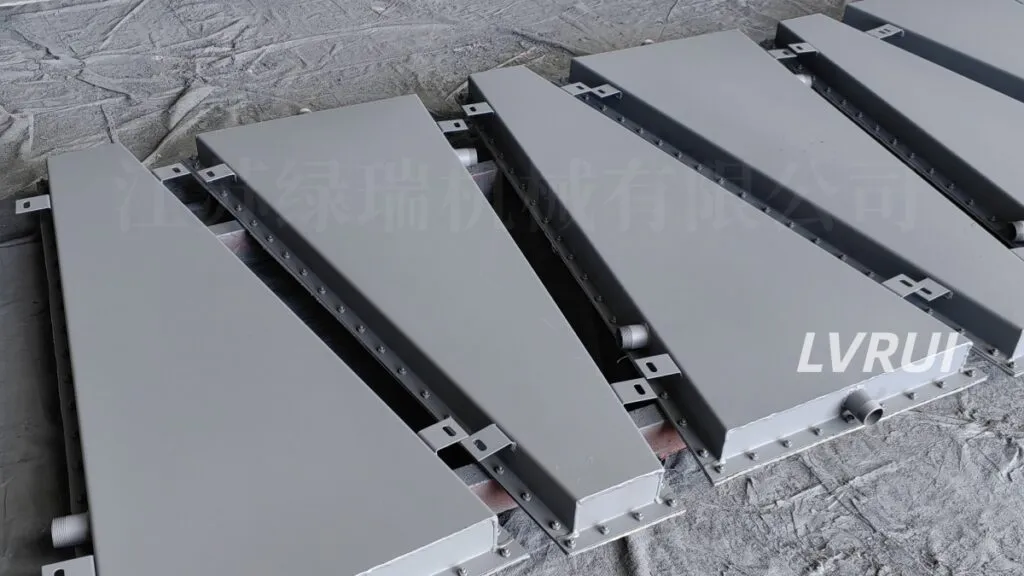
Optimizing Efficiency, Reliability and Cost‑Effectiveness in Bulk Material Handling Systems
Mengoptimalkan Efisiensi, Keandalan, dan Biaya dalam Sistem Penanganan Material Besar
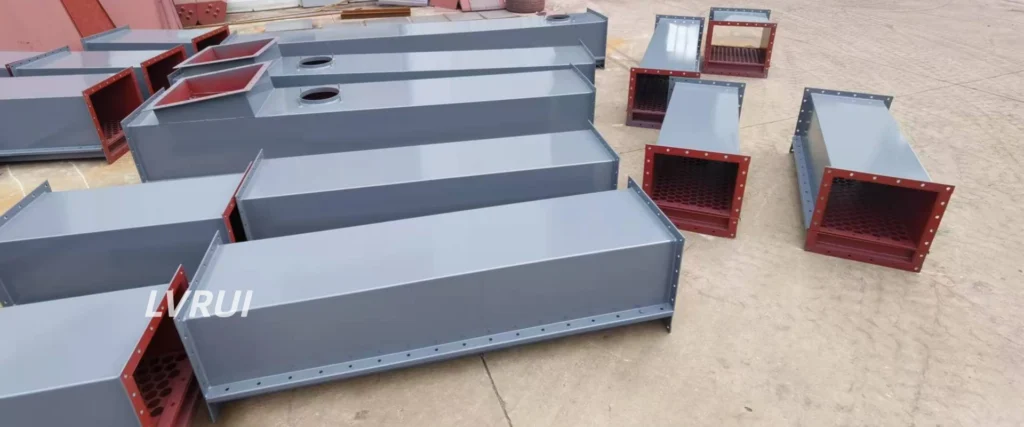
What Are Cement Pneumatic Conveying Systems?
Cement pneumatic conveying systems are pressurized or vacuum‑driven pipelines that transport powdered materials like cement, fly ash, slag and limestone over distances within a plant.
They replace traditional belt conveyors and bucket elevators in many applications due to their enclosed transfer, dust control, flexibility and maintenance advantages.
Pneumatic conveying systems typically fall into two categories:
- Dilute Phase Conveying — materials are entrained in high‑velocity airflow in a lean concentration.
- Dense Phase Conveying — materials are transported at lower velocity with higher solids concentration, minimizing degradation and pipeline wear.
These systems are widely used in cement plants for bulk transport between silos, mixers, grinders and packaging areas.
Advantages of Pneumatic Conveying in Cement Plants
Plant engineers and purchasing teams prioritize pneumatic conveying for the following reasons:
1 Dust Control and Environmental Compliance
Pneumatic systems are enclosed, significantly reducing dust emission — essential for compliance with standards such as OSHA respiratory protection rules.
2 High Flexibility and Space Savings
Pipelines can be routed vertically and horizontally through existing plant layouts, unlike fixed mechanical conveyors.
3 Lower Maintenance
With few moving parts, pneumatic systems reduce wear and maintenance costs compared to belts or screw conveyors.
4 Product Protection
Dense phase conveying minimizes degradation of cement and additives — a key concern for product quality.
Types of Pneumatic Conveying Systems
Understanding the differences between system types helps in optimal selection:
1 Positive Pressure (Blow) Systems
Air is introduced upstream of the material, forcing it through the pipeline. Common in dilute phase designs.
2 Vacuum Systems
Air is drawn through the pipeline by a vacuum pump, pulling material — preferred when minimizing fines escape is critical.
3 Combined Systems
Some applications use blow–vacuum combinations to optimize efficiency and energy consumption.
👉 learn more about pipeline design challenges in cement plants
Key Components of Cement Pneumatic Conveying Systems
A complete system usually includes:
- Feeders / Rotary Valves — regulate material entry into the pipeline.
- Air Supply Units — blowers or compressors.
- Dense Phase Pumps — specialized units for low‑velocity conveying.
- Piping & Fittings — designed for minimal pressure drop.
- Dust Collectors / Cyclones — separate conveyed materials from airflow.
📌 Proper selection of each component is crucial for system reliability.
Design Considerations in Cement Plants
Engineers must evaluate:
- Material properties (density, particle size, moisture)
- Distance & elevation changes
- System throughput rates
- Energy consumption goals
👉 Dense phase conveying principles explained
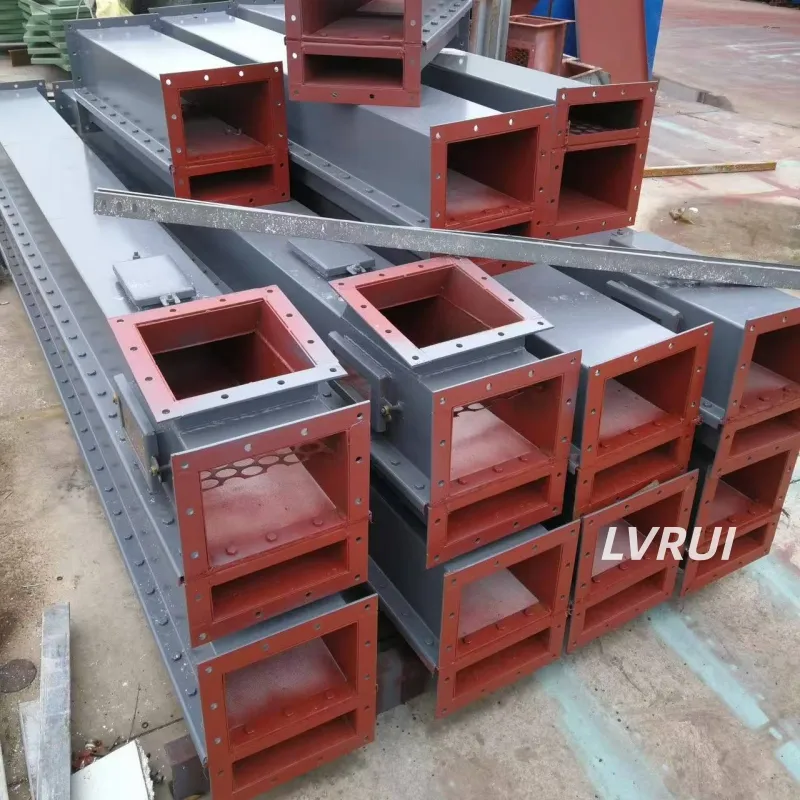
Common Challenges & Solutions
1 Pipeline Wear
Abrasive materials like clinker accelerate wear. Solution: Use abrasion‑resistant liners and optimize velocity profiles.
2 Blockages
Flow disruptions can occur at bends. Solution: Ensure proper bend radius and install inspection ports.
3 Air Leakage
Leaks reduce efficiency. Solution: Tight seals and regular maintenance.
Case Study: Successful Implementation at a Cement Plant
A mid‑sized cement producer in Southeast Asia upgraded from belt conveying to a dense phase pneumatic conveying system to move cement from the mill to multiple storage silos.
Outcome:
- 25% reduction in dust emissions
- Improved cement quality consistency
- Reduced maintenance costs by 18%
👨🔧 Decision drivers included reliable dense phase conveying pumps, robust pipeline design and integrated controls.
How to Choose the Right System
For plant engineers and procurement decision‑makers, focus on:
✔ Throughput requirements
✔ Material characteristics
✔ Energy efficiency
✔ Ease of maintenance
✔ Supplier service & support
Supplier Evaluation Tip: Request detailed performance guarantees, maintenance plans, and service response time metrics.
👉 Application standards and guidance from engineering bodies
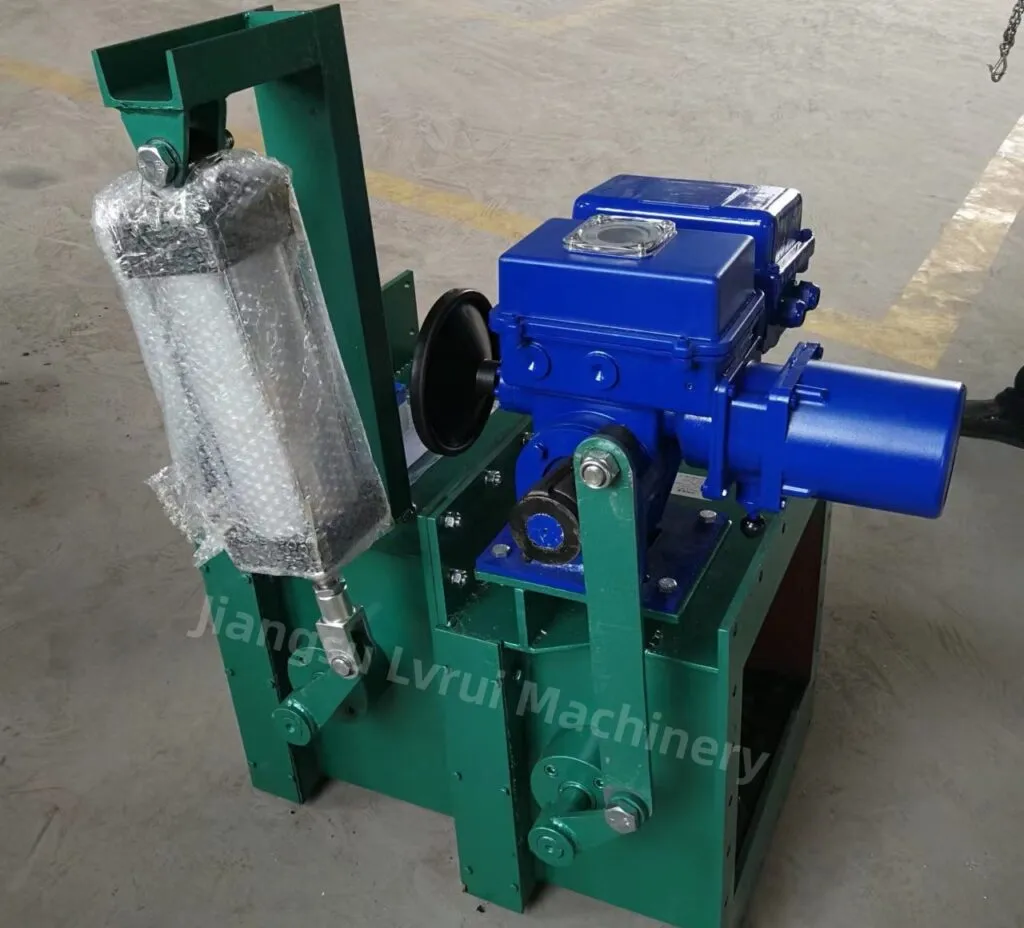
👉 Cement Silo Discharge System
FAQs About Cement Pneumatic Conveying Systems
What is the main difference between dilute phase and dense phase cement pneumatic conveying systems?
Cement pneumatic conveying systems can operate in either dilute phase or dense phase mode. Dilute phase systems transport cement and powdered materials at high velocity with low solids concentration, suitable for long-distance, non-abrasive transport. Dense phase systems move materials at lower velocity with high solids concentration, reducing degradation, pipeline wear, and energy consumption in cement plants.
Can cement pneumatic conveying systems handle abrasive materials like clinker or fly ash?
Yes. Dense phase cement pneumatic conveying systems are ideal for abrasive materials such as clinker or fly ash because they minimize pipeline wear and product degradation. Using abrasion-resistant liners and proper pipeline design ensures long-term reliability and efficient bulk handling.
How can I reduce dust emissions in cement pneumatic conveying systems?
To maintain a clean and safe plant environment, cement pneumatic conveying systems use enclosed pipelines, rotary valves, cyclones, and dust collectors. These measures help control dust, comply with OSHA standards, and ensure reliable cement transport and bulk handling.
What factors should engineers consider when selecting a cement pneumatic conveying system?
Engineers and procurement teams should consider material properties (density, particle size, moisture content), pipeline distance and elevation, system throughput, energy efficiency, and maintenance requirements. Choosing the right cement pneumatic conveying system—dense phase or dilute phase—optimizes bulk material handling and ensures smooth plant operations.
Are pneumatic conveying systems energy-efficient compared to traditional belt or screw conveyors?
Absolutely. Optimized cement pneumatic conveying systems, especially dense phase or hybrid blow-vacuum designs, use less energy per ton of material conveyed. They provide efficient bulk handling, reduce maintenance, and improve overall productivity in cement plants compared to conventional belt or screw conveyors.
What maintenance practices ensure long-term reliability of cement pneumatic conveying systems?
Regular inspection and maintenance of rotary valves, air supply units, dense phase pumps, and pipeline seals are essential for cement pneumatic conveying systems. Cleaning, lubrication, and monitoring wear points prevent blockages. Integrating real-time monitoring supports predictive maintenance and maximizes efficiency in bulk handling operations.
CTA
If you’re looking to optimize cement pneumatic conveying performance, reduce dust, and cut maintenance costs, contact our engineering specialists at info@lvrui‑conveyor.com or visit https://lvrui‑conveyor.com to explore our tailored system solutions.
Versi Sederhana Bahasa Indonesia
Sistem Pneumatic Conveying untuk Pabrik Semen: Panduan Lengkap
Sistem pneumatic conveying semen adalah solusi pipa tertutup yang mengangkut material bubuk seperti semen dan fly ash secara efisien dan bersih. Blog ini menjelaskan jenis sistem (dilute phase & dense phase), keuntungan utama seperti kontrol debu dan fleksibilitas, faktor desain, tantangan umum di pabrik semen, serta tips pemilihan sistem terbaik. Decision‑maker dan engineer akan memahami bagaimana memilih sistem yang sesuai untuk throughput plant mereka serta manfaat jangka panjang dari solusi pneumatic conveying.