Maximizing System Efficiency and Reducing Operational Costs
Memaksimalkan Efisiensi Sistem dan Mengurangi Biaya Operasional
Introduction
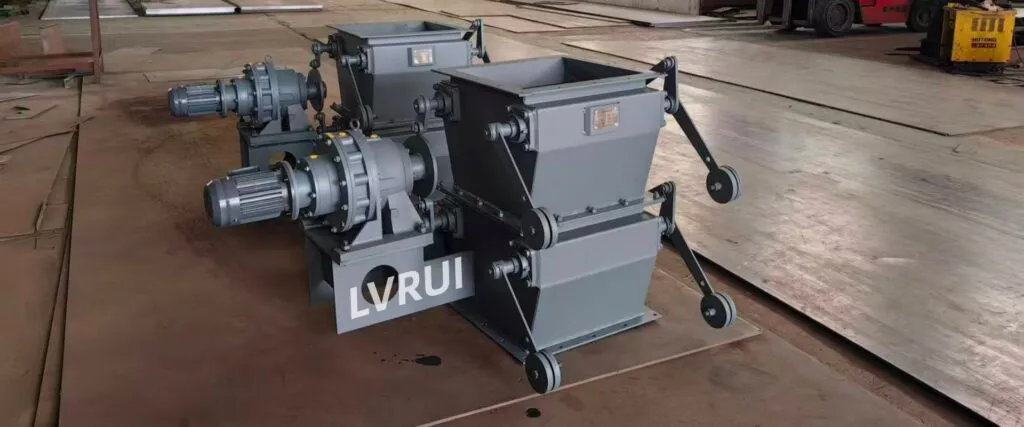
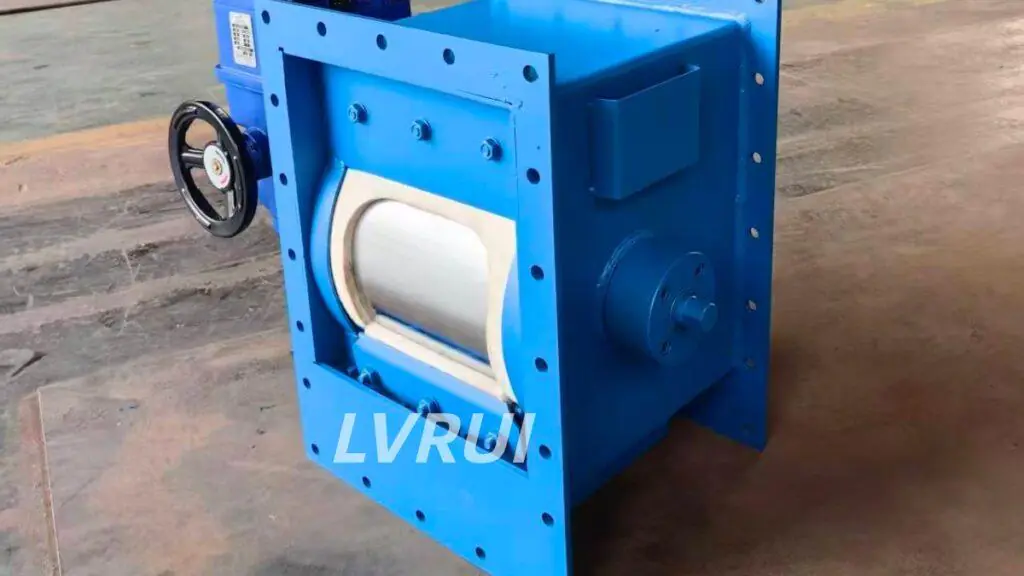
Energy Efficient Flow Control Gates regulate bulk material flow in cement, fly ash, lime, and other powder handling systems. Traditional gates often consume excessive energy when used with pneumatic or electric actuators. Using energy efficient flow control gates reduces operational costs and improves system reliability, making them essential in modern powder handling applications.
1. Why Energy Efficiency Matters in Powder Handling
- Lower electricity consumption for pneumatic and electric actuators.
- Minimizes wear on conveyors and actuators.
- Reduces operational costs while maintaining stable material flow.
- Supports sustainability goals in cement plants and powder industries.
2. Key Features of Energy Efficient Flow Control Gates
- Lightweight, durable materials reduce actuation load.
- Optimized sealing technology prevents leaks without high force.
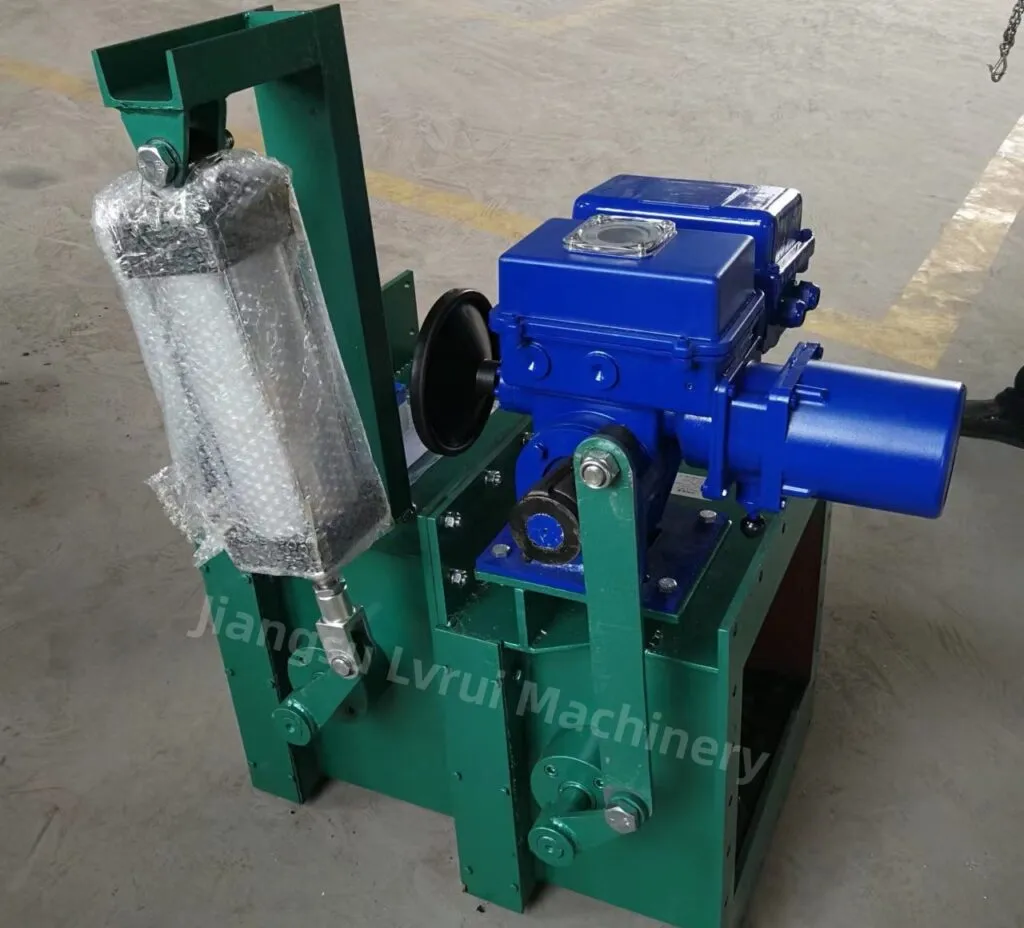
- Adjustable opening speed and efficient actuators minimize energy use.
- Easily integrated with air slide conveyors for consistent material flow.
Proper integration with air slide conveyors ensures consistent material flow and reduces actuator energy consumption.
3. Applications in Cement Plants and Fly Ash Handling
- Cement Silo Bottom Discharge: Stable and energy-efficient powder discharge.
- Fly Ash Handling Systems: Controlled flow with minimal pneumatic pressure.
- Powder Blending Units: Accurate proportioning with reduced energy.
4. System Design Considerations
- Select actuators (electric vs pneumatic) prioritizing energy efficiency.
- Use low-friction materials for gates to reduce energy consumption.
- Optimize layout to minimize long bends or excessive conveyance distance.
- Integrate with aeration systems and downstream feeders for smooth operation.
Design your system according to CEMA Guidelines for bulk material handling efficiency and safety.
5. Maintenance and Operational Best Practices
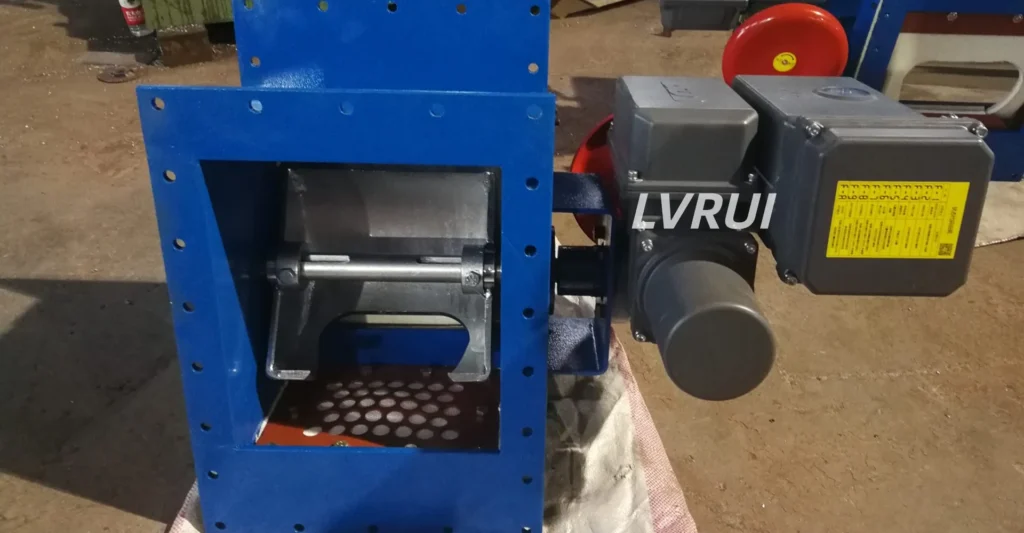
- Inspect seals and actuators regularly.
- Lubricate low-friction components to maintain efficiency.
- Monitor flow rates to dynamically adjust gate opening.
- Train staff on energy-efficient operation practices.
6. Benefits of Energy Efficient Flow Control Gates
- Lower electricity consumption.
- Reduced maintenance frequency and longer service life.
- Stable material flow, minimizing powder loss and blockages.
- Supports environmental compliance and sustainable operation.
7. Integrating with Air Slide Conveyors
- Ensures uniform material distribution.
- Minimizes pressure fluctuations and actuator energy spikes.
- Enhances system performance and reduces maintenance.
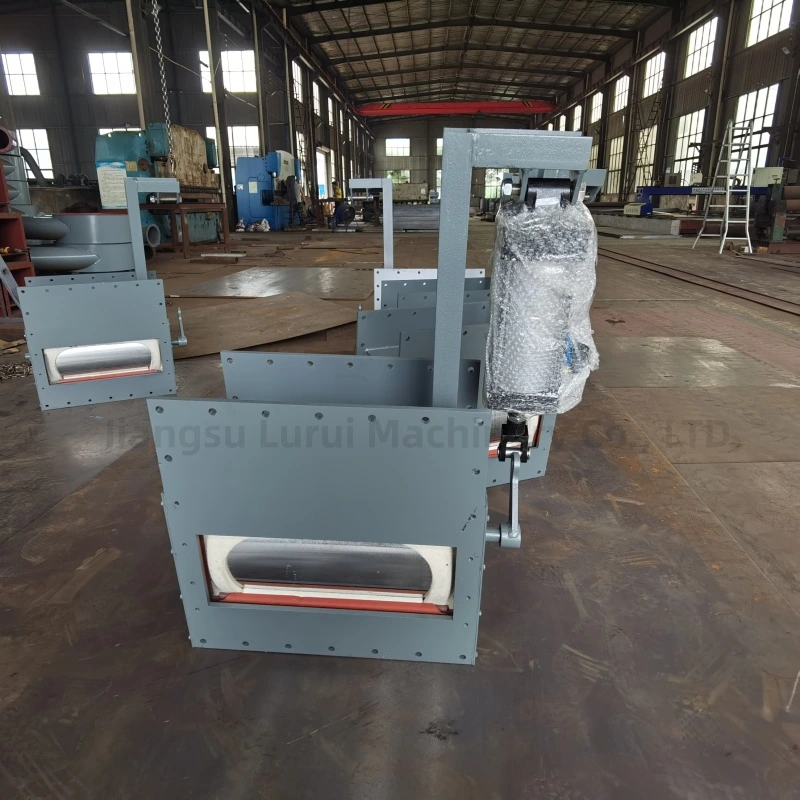
FAQs About Energy Efficient Flow Control Gates
How do energy efficient flow control gates save energy?
Optimized actuators and low-friction materials in Energy Efficient Flow Control Gates reduce energy consumption while maintaining precise bulk material flow in cement, fly ash, and powder handling systems.
Are they suitable for both pneumatic and electric systems?
Yes. Energy Efficient Flow Control Gates are compatible with both pneumatic and electric actuators, with actuator selection based on plant requirements and energy efficiency priorities.
Can they be integrated with existing air slide conveyors?
Absolutely. Proper integration of Energy Efficient Flow Control Gates with air slide conveyors ensures stable material flow, reduces actuator energy usage, and improves overall system performance.
How often should maintenance be performed?
Inspect seals, actuators, and gate movement every 3–6 months depending on material abrasiveness. Regular maintenance of Energy Efficient Flow Control Gates ensures reliable operation and long service life.
What types of materials are compatible?
Energy Efficient Flow Control Gates can handle cement, fly ash, lime, coal powder, and other bulk powders used in modern cement plants and industrial powder handling systems.
Do they reduce operational costs?
Yes. By lowering energy consumption, reducing maintenance needs, and minimizing powder loss, Energy Efficient Flow Control Gates help plants save operational costs and improve overall efficiency.
What are the most common installation challenges for energy-efficient flow control gates?
Common challenges include proper actuator alignment, correct sealing installation, and integration with aeration or conveyor systems. Following manufacturer guidelines ensures smooth installation and long-term reliable operation.
How to choose the right flow control gate for cement or fly ash handling?
Selection depends on material characteristics, system layout, desired energy efficiency, and actuator type. Energy Efficient Flow Control Gates should be chosen based on compatibility with bulk material handling requirements, including flow rate, silo design, and downstream equipment.
CTA
Need a reliable energy-efficient flow control gate for your cement or powder conveying system? Contact LVRUI today for fast delivery and expert technical support.
- Get expert quotation and customized solution within 12 hours
- Factory direct supply with strict quality control
- Professional engineering support from experienced team
- Stable delivery for overseas industrial projects
Contact: info@lvrui-conveyor.com | www.lvrui-conveyor.com
Indonesian Short Version
Katup Flow Control Hemat Energi untuk Sistem Penanganan Serbuk dan Abu Terbang
Katup flow control hemat energi meningkatkan aliran material, mengurangi konsumsi energi, dan meningkatkan keandalan sistem di pabrik semen. Integrasi dengan konveyor air slide memastikan distribusi material stabil dan operasi efisien.