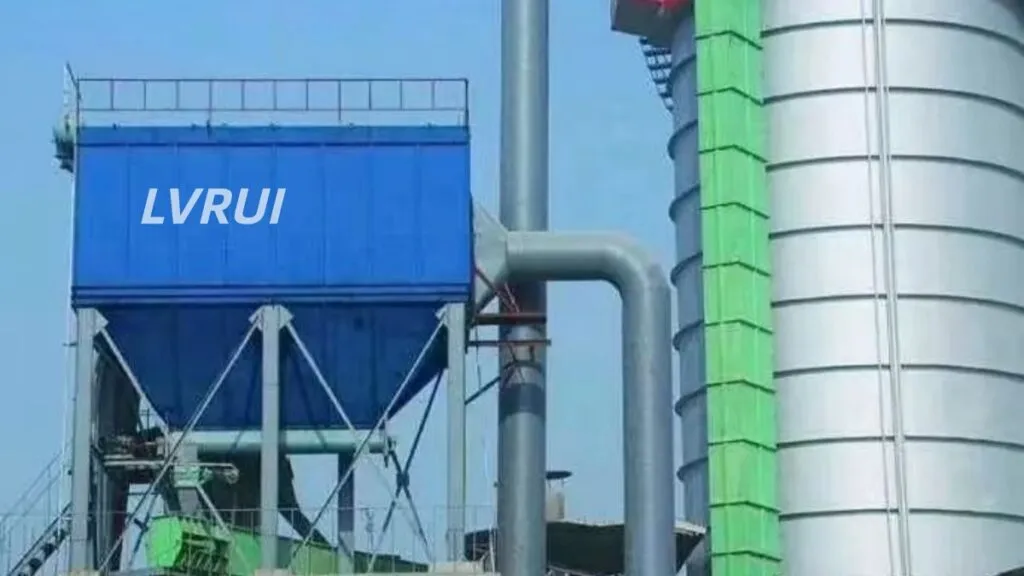
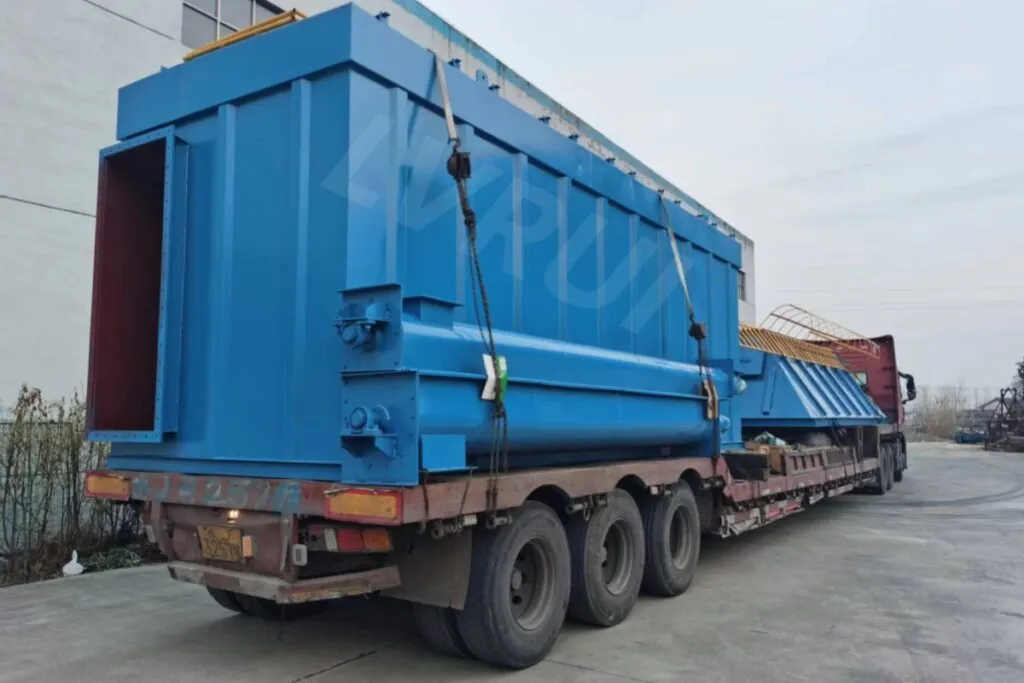
Bagged cement loading dust control starts with identifying where dust escapes during conveyor transfer, bag handling, stacking, or truck loading. This guide explains how to diagnose common causes related to dust capture, airflow, and filtration, and how to select practical corrective actions.
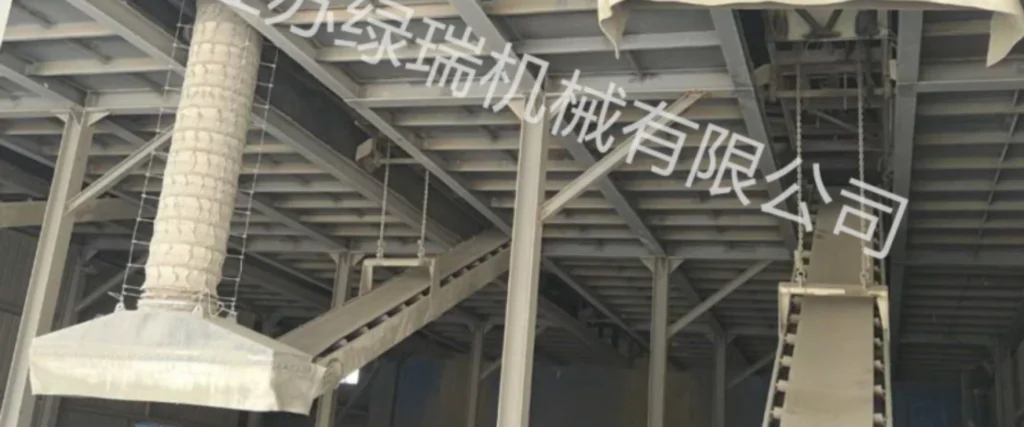
Common Dust Problems During Bagged Cement Loading
Before changing the dust collection equipment, identify where dust escapes and determine which factors affect bagged cement loading dust control.
| Observed problem | Possible cause | What to check |
|---|---|---|
| Dust escapes near conveyor discharge | Material impact, exposed transfer points, or inadequate local capture | Transfer geometry, containment, and extraction position |
| Dust escapes around the collection hood | Incorrect hood position, incomplete containment, or insufficient airflow | Hood location, duct connections, and operating conditions |
| Dust increases after prolonged operation | Filter loading, ineffective cleaning, or dust accumulation | Filter condition, differential pressure if available, and cleaning operation |
| Dust appears when the loading position changes | The collection arrangement does not cover the new dust source | Hood adjustment range, capture coverage, and airflow |
| Dust appears at several locations | Multiple emission points or uneven airflow distribution | Source locations, duct branches, and extraction arrangement |
| Dust occurs mainly during manual handling | Damaged bags, residual powder, or excessive impact | Packaging condition, handling practices, and the actual release point |
These observations provide a starting point rather than a definitive diagnosis. The appropriate corrective action depends on the actual equipment configuration and operating conditions.
How to Troubleshoot Bagged Cement Loading Dust Control
A systematic inspection helps distinguish problems with dust generation, source capture, airflow, and filtration.
1. Identify the Actual Dust Source
Observe the complete loading process, including conveyor discharge, bag transfer, manual stacking, and truck loading.
Determine whether dust appears at one fixed location or moves as workers and trucks change positions. Where practical, inspect each operating stage separately.
Also check whether damaged bags, accumulated powder, or material impact contributes to the problem. Improving the dust collection system will not eliminate a dust source caused by damaged packaging or unsuitable handling practices.
2. Check the Collection Hood Position
If dust escapes around the collection hood, first check whether the hood is positioned close enough to the actual emission point.
A hood that is too far away may allow dust to disperse before it reaches the capture zone. Nearby structures, worker movement, and airflow from open doors or ventilation fans may also affect capture.
Check that the hood covers the relevant dust source without obstructing bag handling, conveyor operation, or truck movement.
If the dust source changes position during loading, verify that the collection arrangement can serve the required working area. For further technical guidance on local exhaust ventilation hood design, airflow, system testing, and maintenance, consult the UK Health and Safety Executive’s guide to local exhaust ventilation (LEV).
3. Inspect the Airflow Path
When the hood is correctly positioned but dust capture remains poor, inspect the extraction system.
Relevant checks include:
- Fan operating condition and available airflow.
- Duct restrictions, accumulated material, and air leakage.
- Damper positions and extraction branch connections.
- Filter resistance and the condition of the filtration system.
- Airflow distribution when multiple extraction points share one collector.
Do not assume that increasing fan motor power will solve the problem. The airflow available at the hood depends on the complete system, including duct resistance and filtration conditions.
Because airflow depends on the complete extraction arrangement, including ductwork, fans, filtration, and dust discharge, see our industrial dust collection system for cement plants for a system-level overview.
4. Check Filter Cleaning and Dust Discharge
If dust control deteriorates after prolonged operation, inspect the filtration and dust discharge systems.
Accumulated dust on filter media may increase airflow resistance. Ineffective cleaning, an unsuitable compressed-air supply where applicable, or a blocked dust discharge point may also affect operation.
Check filter condition, cleaning sequences, differential pressure readings if available, and the operation of the dust collection hopper or discharge equipment.
Follow the equipment manufacturer’s inspection and maintenance procedures before replacing components unnecessarily.
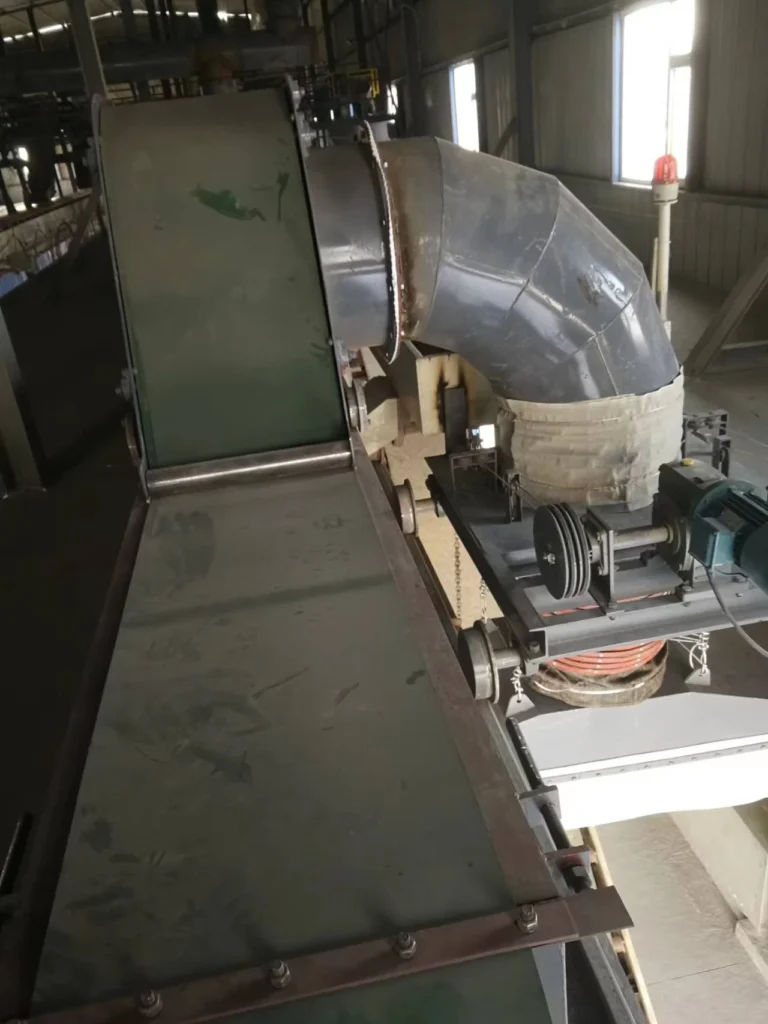
Practical Measures to Improve Dust Control
Effective bagged cement loading dust control requires corrective actions that address the identified cause, whether it involves source containment, airflow, filtration, or bag handling.
Improve source containment.
Where practical, enclose exposed transfer points or reduce unnecessary gaps around dust-generating operations. The arrangement must still allow safe access and normal material movement.
Correct the capture position.
Adjust the collection hood or loading arrangement so that dust can be captured close to its source. If the source moves between truck positions, verify that the collection arrangement covers the required working area.
Restore the intended airflow.
Inspect the fan, ductwork, filter resistance, dampers, and relevant connections. Correct identified restrictions or operating faults before considering changes to fan capacity.
Maintain the filtration system.
Check filter condition, cleaning operation, dust discharge, and available pressure readings according to the maintenance plan.
Review bag handling practices.
Where dust is caused by damaged bags, excessive impact, or powder residue, improve packaging inspection and handling procedures where feasible.
After making adjustments, repeat the inspection under comparable operating conditions to determine whether the original problem has improved.
When Is a Different Dust Collection Arrangement Needed?
Some dust problems can be corrected through maintenance or adjustments to an existing system. Others may require changes to the capture arrangement.
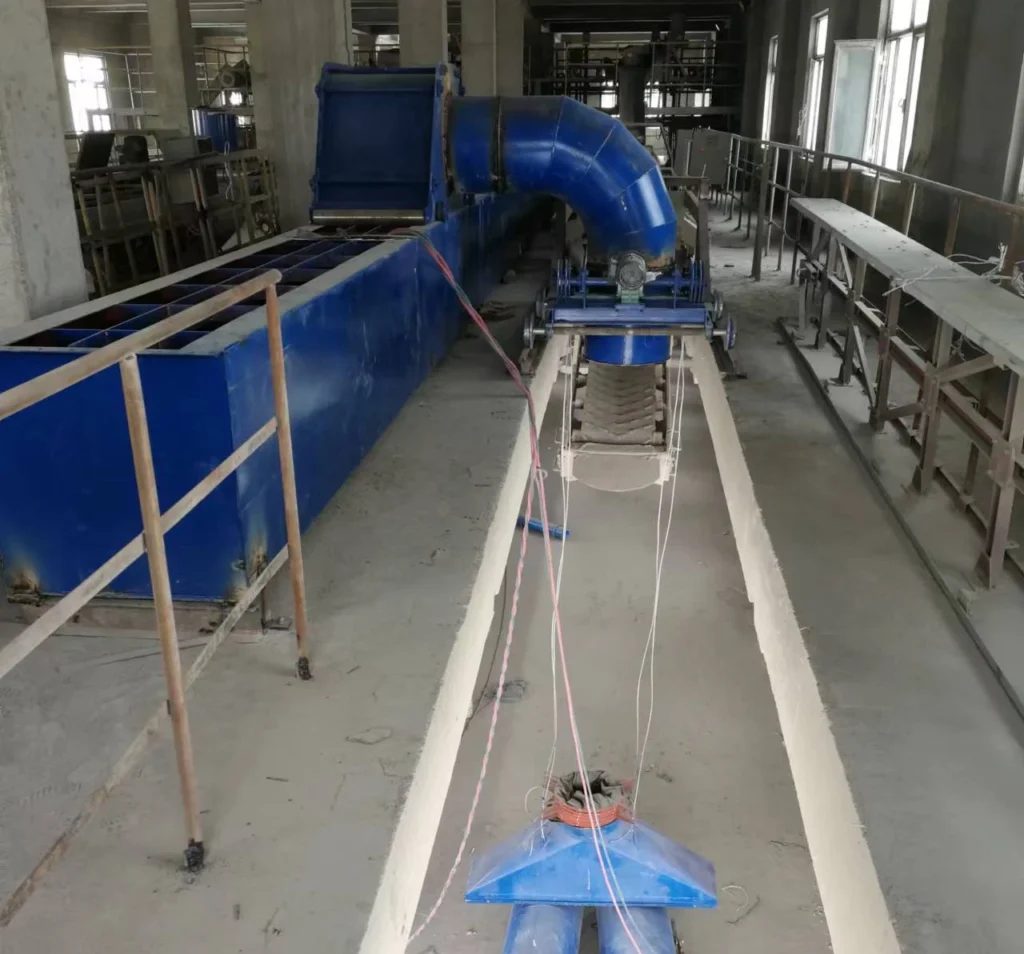
A fixed extraction point may be suitable for a permanent conveyor discharge. However, if the dust source changes with truck position or manual loading activities, a single fixed collection point may not cover the entire working area. For loading operations where the dust source changes position, a mobile dust collection hood for cement loading may be suitable when the site layout requires an adjustable capture point.
Before modifying the system, determine whether the main limitation is source containment, hood position, available airflow, filtration performance, or the number and location of extraction points.
If the existing arrangement cannot adequately serve the required operating positions, a revised capture layout or additional extraction points may be necessary. The decision should be based on the site layout and operating requirements rather than equipment type alone.
How to Verify Whether the Problem Has Been Corrected
After adjustments or maintenance, inspect the system during normal loading operation.
- Observe the original dust emission points.
- Compare visible dust under similar loading conditions.
- Check that the fan and filtration system operate normally.
- Review differential pressure readings if available.
- Confirm that collected dust is discharged properly.
- Check that the arrangement does not obstruct workers or material movement.
- Observe whether dust has shifted to another part of the loading area.
Visible dust observations are useful for identifying changes, but they do not establish compliance with an occupational exposure limit. Where exposure assessment is required, use appropriate measurement methods and qualified personnel.
If the problem persists, record the operating conditions, take photos or videos, and review the system layout before making further equipment changes. For general information on engineering controls used to reduce workplace exposure to airborne contaminants, see NIOSH’s engineering controls guidance.
FAQs About Bagged Cement Loading Dust Control
Why does dust remain visible even when a dust collector is installed?
The dust source may not be adequately captured, airflow may be insufficient at the extraction point, or the filtration system may not be operating as intended. Identify where dust escapes before deciding which component requires attention.
Should fan power be increased when dust escapes?
Not automatically. First check the capture position, duct restrictions, filter condition, fan operating conditions, and airflow distribution. Increasing fan power without identifying the cause may not correct the problem.
How often should a dust collection system be inspected?
Inspection frequency depends on operating hours, dust loading, equipment design, and the manufacturer’s maintenance recommendations. Filter condition, cleaning operation, duct connections, and dust discharge should be checked according to the maintenance plan.
Can visible dust observations confirm that the loading area is safe?
No. Visible dust indicates that dust is present, but the absence of visible dust does not prove that airborne exposure is adequately controlled. Appropriate exposure assessment may be required.
Conclusion
Effective bagged cement loading dust control starts with identifying where dust escapes and determining why the existing arrangement does not capture it adequately.
Source containment, capture position, airflow, filtration, dust discharge, and operating practices should be evaluated systematically. Correcting the underlying cause is more useful than changing equipment without a clear diagnosis.
For cement plants and packing facilities, a structured inspection process can help identify appropriate corrective actions and reduce unnecessary modifications to the dust collection system.
Contact Jiangsu Lvrui Machinery Co., Ltd.
Jiangsu Lvrui Machinery Co., Ltd. supplies dust collection equipment, bag filters, dust capture hoods, and bulk material handling equipment for cement plants and powder handling applications.
If you are experiencing dust problems during bagged cement loading, please provide your loading method, photos or videos of the emission points, site layout, and details of the existing dust collection equipment. This information can help identify the likely cause and determine the next steps for technical evaluation.
WhatsApp: +86-18261998937
WeChat: +86-18261998937
Email: info@lvrui-conveyor.com
Website: lvrui-conveyor.com