Enhancing Cement Silo Discharge Efficiency | Meningkatkan Efisiensi Pengeluaran Silo Semen
Introduction
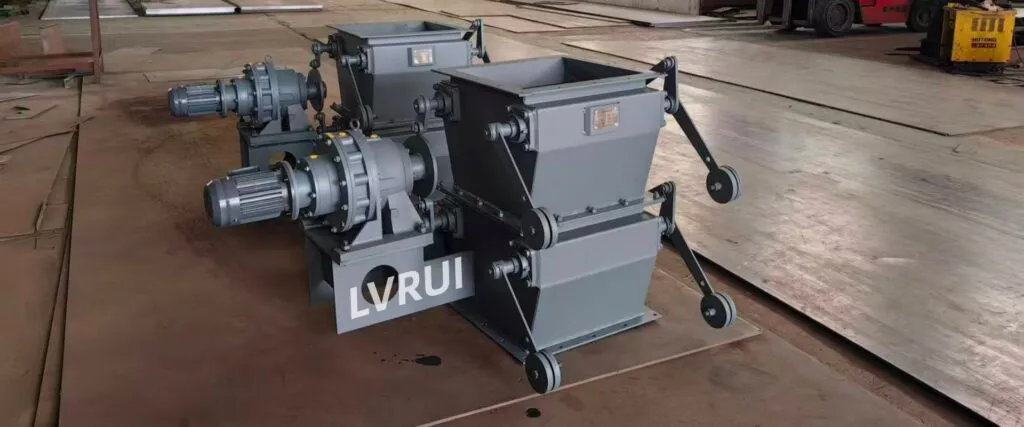
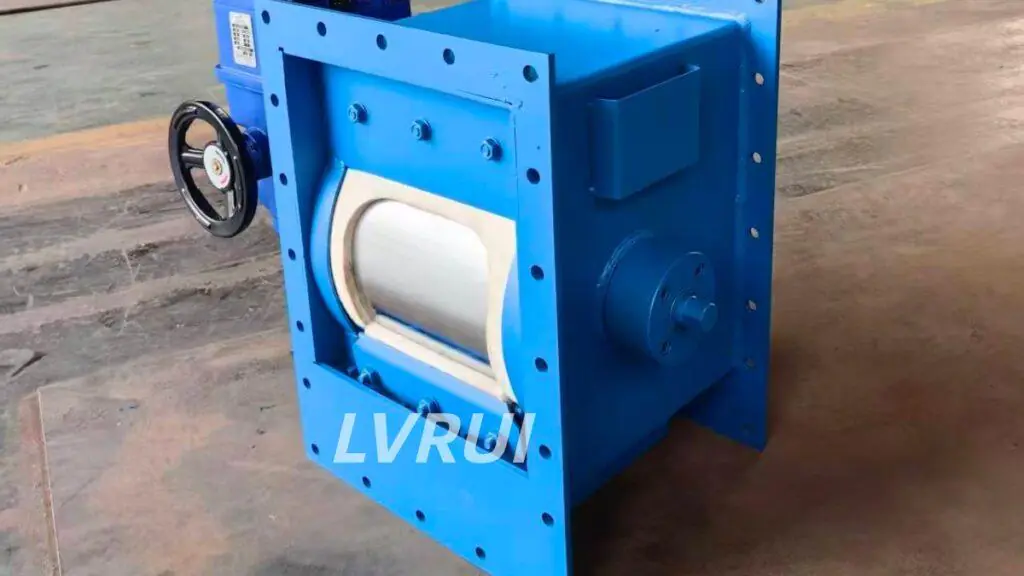
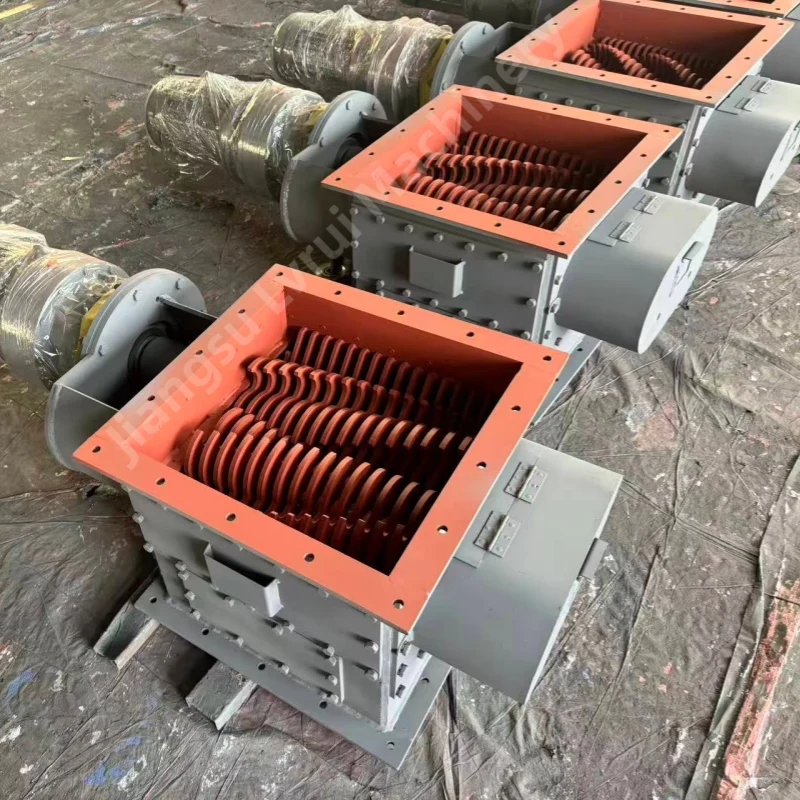
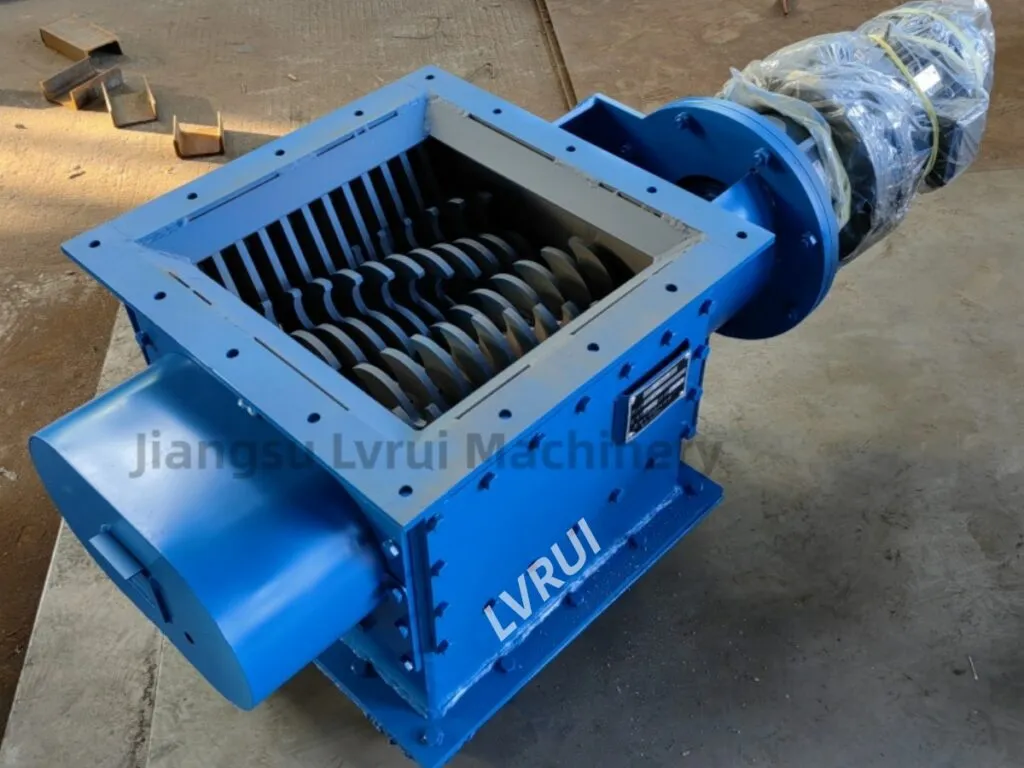
In modern cement plants, smooth material flow is critical for productivity. Cement tends to form lumps due to moisture and compaction in silos, which can block downstream conveyors and disrupt operations. Cement Silo Bottom Lump Breakers are engineered to break these agglomerates at the silo base, ensuring consistent discharge and protecting downstream systems like screw conveyors, air slide conveyors, and pneumatic lines.
For overseas buyers, understanding installation, maintenance, and supplier reliability is essential for improving conveying system uptime and operational efficiency.
Why Cement Silo Bottom Lump Breakers Matter
Lump formation at silo bottoms can:
- Cause arching and bridging that block discharge
- Lead to uneven feed into conveying systems
- Increase wear on screw flights, belts, and conveyor components
- Raise downtime and maintenance costs
A properly sized Cement Silo Bottom Lump Breaker addresses these issues, ensuring stable material flow and protecting critical plant infrastructure.
Key Technical Considerations
When selecting a lump breaker for cement silos, consider:
- Material and Construction: Abrasion-resistant steel and anti-corrosion coatings
- Throughput Capacity: Tons per hour matching plant production rates
- Maximum Lump Size: Ability to crush largest agglomerates without jamming
- Operating Conditions: Moisture, temperature, and silo pressure
- Automation Options: Motorized or pneumatic operation with sensors
Proper specification ensures reliable discharge and protects downstream conveyors.
Installation and Integration
To maximize performance:
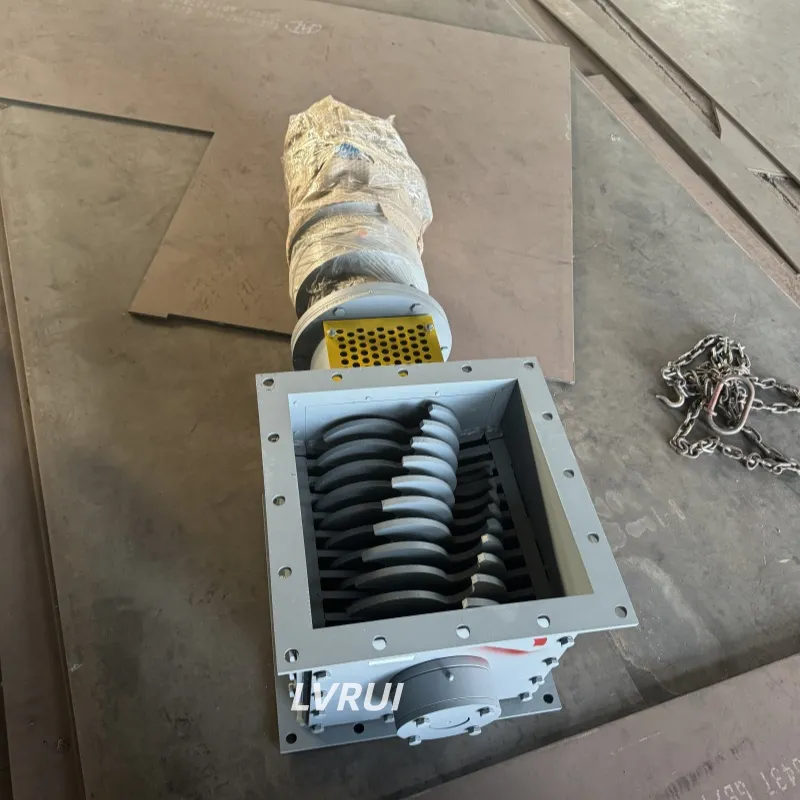
- Install directly at the silo bottom outlet
- Align with air slides, screw conveyors, or pneumatic lines
- Integrate with dust collection or flow control systems
- Secure structural support to reduce vibration and mechanical stress
Correct integration prevents blockages, stabilizes feed, and improves overall conveying system reliability.
Maintenance and Longevity
- Inspect rotor blades, liners, and seals every 3–6 months
- Lubricate moving components per manufacturer guidelines
- Replace worn parts promptly to maintain crushing efficiency
- Ensure spare parts and technical support are available locally for overseas projects
Consistent maintenance increases uptime, protects downstream conveyors, and reduces total cost of ownership.
Procurement Tips for Global Buyers
- Confirm material compatibility and valve durability
- Match valve capacity with plant production rates
- Evaluate supplier experience and reference projects
- Consider delivery timeframes and international shipping
- Review warranty and after-sales service
Selecting a reliable supplier ensures smooth integration and long-term operational reliability.
For global procurement insights and industry trends, buyers can explore Global Cement to make informed decisions on cement silo lump breaker integration.
FAQs
Can Cement Silo Bottom Lump Breakers handle high-moisture cement?
Yes, Cement Silo Bottom Lump Breakers with abrasion-resistant coatings and optimized rotors can crush hardened cement lumps even in moderately moist material, ensuring smooth feed to screw conveyors, air slides, and other downstream conveying systems.
Are bottom lump breakers compatible with all cement silo types?
Most standard silo outlets accommodate Cement Silo Bottom Lump Breakers, but it’s important to verify silo dimensions, outlet size, and connection types before procurement for proper integration.
How often should inspections and maintenance occur?
Regular inspections every 3–6 months are recommended depending on cement type, throughput, and operational load. Heavy-duty plants may require monthly checks to maintain optimal performance of lump breaker valves.
Is motorized operation recommended for lump breaker valves?
Yes, motorized or pneumatic Cement Silo Bottom Lump Breakers reduce manual intervention, maintain consistent cement flow, and are ideal for high-capacity cement plants with continuous operation.
Can lump breakers be integrated with dust control or aeration systems?
Absolutely. Many bottom lump breaker valves are designed to connect with dust extraction or aeration systems, minimizing emissions while ensuring reliable and stable material discharge.
What is the typical lead time for international orders of lump breaker valves?
Delivery usually takes 4–8 weeks depending on size and customization. Reputable suppliers provide overseas technical support for installation and system integration, ensuring smooth commissioning.
How do lump breaker valves improve overall conveying system reliability?
By eliminating cement lumps before they enter conveyors, Cement Silo Bottom Lump Breakers prevent blockages, stabilize material flow, reduce wear on equipment, and minimize downtime, enhancing operational efficiency.
Conclusion & CTA
Cement Silo Bottom Lump Breakers improve conveying system reliability, reduce wear, and minimize downtime. Proper installation, maintenance, and supplier selection are essential for high-efficiency cement plant operations.
✅ Expert Quotation within 12 Hours
✅ Factory-Direct Quality Assurance
✅ Comprehensive Engineering Support
✅ Stable Overseas Delivery
Need a reliable bottom lump breaker for your cement silo? Contact LVRUI at info@lvrui-conveyor.com or visit lvrui-conveyor.com for tailored solutions.
Indonesian Short Version
Katup pemecah gumpalan bawah silo semen meningkatkan keandalan sistem pengangkutan, mengurangi keausan dan downtime. Pilih katup yang tepat sesuai kapasitas dan karakteristik material. Hubungi LVRUI di info@lvrui-conveyor.com atau kunjungi lvrui-conveyor.com untuk solusi khusus.