How Moisture, Compaction, Condensation and Poor Aeration Cause Cement Powder to Harden During Storage
Why Cement Forms Lumps in Silos
Cement is normally stored and handled as a fine, dry powder, but it can lose flowability and form lumps when storage conditions change.
The most common causes are:
- Moisture entering the silo
- Long storage time
- Powder compaction
- Condensation
- Poor aeration
- Dead or stagnant zones
- Extended shutdown periods
These factors often interact. For example, long storage alone may increase compaction, while long storage combined with moisture can lead to much harder caking.
The first visible symptom may appear at the silo outlet, conveyor or valve, but the root cause often begins earlier inside the stored material.
The key is to identify why the cement hardened before treating the downstream blockage.
Cause 1: Moisture Absorption
Moisture is one of the main causes of cement lump formation.
When cement powder comes into contact with water or humid air, particles can begin to bond, cake and harden. Soft agglomerates may gradually develop into larger or harder lumps during storage.
Common moisture sources include:
- Roof or manhole leakage
- Poor sealing around filling pipes
- Rainwater ingress
- Humid air entering the silo
- Condensation on internal surfaces
- Material that already contains excessive moisture before storage
The risk increases during humid weather, long storage periods and extended shutdowns.
The basic rule is simple:
Stored cement should remain as dry as practicable. Once moisture reaches the powder, the risk of caking and hardening increases significantly.
Cement becomes more sensitive to lump formation when moisture enters the silo because the cement hydration and hardening process starts when cement reacts with water.
Cause 2: Long Storage Time
Long storage time is another common cause of cement lump formation.
When cement remains in a silo for an extended period, material turnover decreases and some powder may remain in stagnant areas much longer than intended. Over time, this increases the risk of caking, especially when moisture, condensation or compaction is also present.
Long storage may cause:
√ Reduced flowability
√ Old material remaining in stagnant zones
√ Increased caking risk
√ Unstable discharge after extended storage
Cement silos should ideally maintain regular material turnover. If old cement remains inside the silo for a long time, the chance of caking and lumping increases.
This is especially important for backup silos, seasonal production lines, low-usage storage bins or export terminals where material may stay in storage longer than expected.
Cause 3: Storage Pressure and Compaction
Material in the lower part of a silo is subjected to pressure from the powder above.
Over time, this can reduce void space between particles and create denser, less mobile material, particularly near the cone and discharge area.
Compaction may contribute to:
- Reduced powder flowability
- Dense material near the silo bottom
- Longer residence time in stagnant zones
- Harder agglomerates after extended storage
Storage pressure alone does not always create hard cement lumps. The risk becomes greater when compaction occurs together with moisture, condensation or long storage time.
If lump problems are more severe after the silo has remained full or inactive for an extended period, compaction should be considered as one possible contributing factor.
Cause 4: Condensation Inside the Silo
Condensation is often ignored, but it can be a hidden reason why cement forms lumps in silos.
When warm air meets a cooler silo wall, moisture may condense on the inner surface. This can happen because of day-night temperature differences, seasonal temperature changes, or warm material entering a cooler silo.
Condensation may appear near:
√ Silo roof
√ Upper wall area
√ Inlet pipe area
√ Metal wall surfaces
√ areas with large temperature gradients or recurring condensation
√ Areas affected by outdoor temperature changes
When small water droplets form inside the silo, cement powder near these areas may absorb moisture and become hard. This can create local caking, wall buildup or hardened material pieces that later fall toward the outlet.
Condensation is difficult to notice at the beginning. Operators may only find the problem when hardened cement pieces appear during discharge or cleaning.
Cause 5: Poor or Uneven Silo Aeration
Aeration can help suitable dry cement powder remain mobile near the silo discharge zone.
If airflow is insufficient or uneven, some areas may remain relatively inactive and material may stay in the silo longer than intended.
Poor aeration does not normally create hard cement lumps by itself. Its main effect is to increase:
- Local compaction
- Stagnant material
- Uneven discharge
- Residence time in poorly moving zones
When these conditions occur together with moisture or long storage, the risk of caking and lump formation increases.
If the problem appears to be related specifically to airflow, leakage, blocked pads or uneven aeration, follow a structured Aeration Pad Troubleshooting process rather than treating it as a general cement-quality problem.
Cause 6: Dead Zones and Poor Material Turnover
A dead zone is an area where material remains in storage significantly longer than the surrounding powder.
Cement in these areas may become more compacted and may absorb moisture over time, increasing the risk of caking.
Possible contributing factors include:
- Silo geometry
- Outlet arrangement
- Uneven material withdrawal
- Wall buildup
- Irregular filling and discharge
- Low material turnover
When old material finally moves toward the outlet, it may appear as dense blocks or hardened lumps.
This is why repeated lump formation should not be investigated only at the outlet. Long-residence material inside the silo may be the actual source.
Cause 7: Shutdown and Restart Cycles
Cement lump problems often become more visible after an extended shutdown.
During idle periods, stored powder remains stationary. Depending on moisture, compaction and silo conditions, material near stagnant zones or the outlet may gradually become denser or harder.
After restart, operators may notice:
- Slow initial discharge
- Hardened material at the outlet
- Downstream blockage
- Increased manual cleaning
Plants with repeated caking problems should inspect the material and discharge zone before restarting at full production rate.
Cement Lump Formation Diagnosis Table
The diagnosis should focus on why cement forms lumps in silos, not only on where the blockage appears.
| Cause | What Happens Inside the Silo | Site Symptom | Suggested Check |
|---|---|---|---|
| Moisture absorption | Powder particles bond and harden | Hard lumps found near outlet | Check silo roof, inlet sealing and material moisture |
| Long storage time | Material compacts over time | Discharge becomes unstable after storage | Check storage duration and material turnover |
| Storage pressure | Lower material becomes dense | Dense or compacted material near silo bottom | Check discharge frequency and outlet condition |
| Condensation | Moisture forms on wall or roof | Local hardening near wall or upper area | Check temperature differences and condensation-prone areas |
| Poor aeration | Material remains inactive in poorly aerated zones | Rat-holing or poor discharge | Check air pressure, air supply and aeration pads |
| Dead zones | Material remains stagnant | Old hardened material appears during discharge | Check silo flow pattern and outlet design |
| Shutdown cycles | Material hardens during idle time | Problems appear after restart | Check restart procedure and cleaning condition |
This table helps operators separate the root cause from the visible symptom. A blocked conveyor may not be the real cause. The real issue may be moisture, compaction or poor flow inside the silo.
How to Reduce Cement Lump Formation in Silos
Prevention should focus on controlling the conditions that allow cement to cake during storage.
Practical measures include:
✓ Keep silo roofs, manholes and filling points properly sealed
✓ Avoid unnecessarily long storage and maintain regular material turnover
✓ Keep the silo aeration system in working condition
✓ Inspect stagnant areas and material condition after extended shutdowns
✓ Remove buildup before it becomes heavily hardened and record recurring lump locations
The objective is to control moisture, residence time and compaction before hardened material reaches downstream equipment.
Why Operators Should Track When Lumps Appear
Cement lump problems are easier to solve when operators record the conditions under which they appear.
Useful questions include:
√ Did the problem happen after long storage?
√ Did it happen after rain or humid weather?
√ Did it appear after a shutdown?
√ Were hard lumps found near the outlet?
√ Was the aeration system working normally?
√ Did the problem happen in the same silo repeatedly?
These records help identify patterns. If lumps always appear after long storage, the main issue may be compaction and material turnover. If they appear after humid weather, moisture control should be checked. If they appear only near one outlet, the problem may be related to aeration or flow pattern.
When Cement Lumps Reach the Discharge Outlet
Once hardened cement reaches the silo outlet, the problem may begin to affect downstream equipment.
Typical consequences include:
- Outlet restriction
- Conveyor or feeder blockage
- Valve jamming
- Unstable downstream material flow
- Additional cleaning or shutdown time
At this point, operators should distinguish between two questions:
Why are the lumps forming inside the silo?
and
How should the downstream process be protected from lumps that have already formed?
The first question belongs to storage and silo-condition diagnosis. The second may require separate downstream protection.
When a Lump Breaker May Be Needed
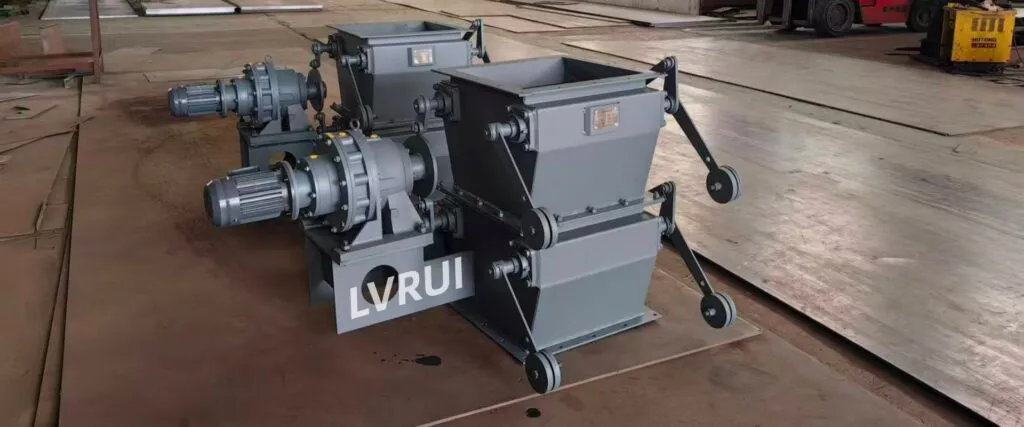
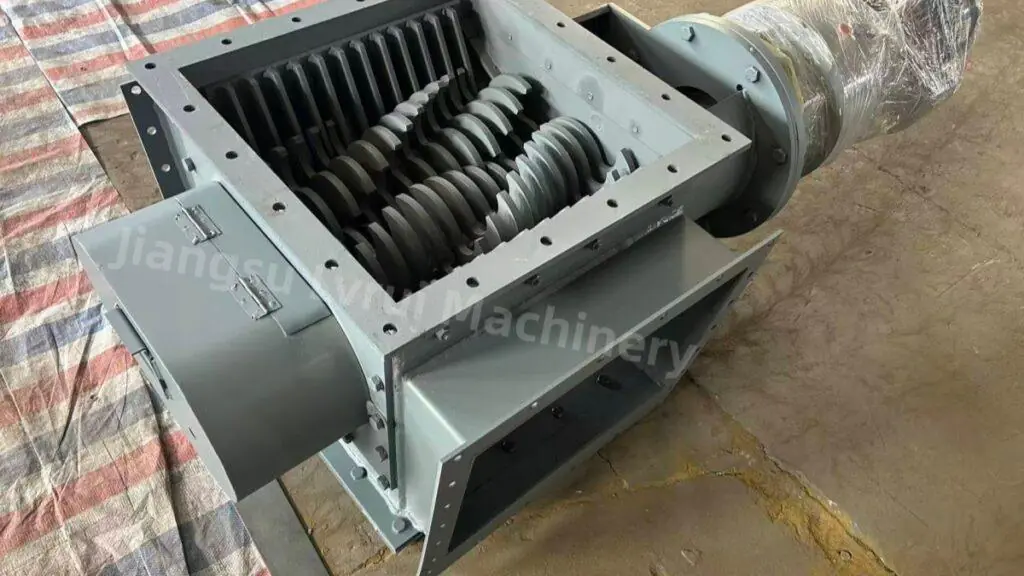
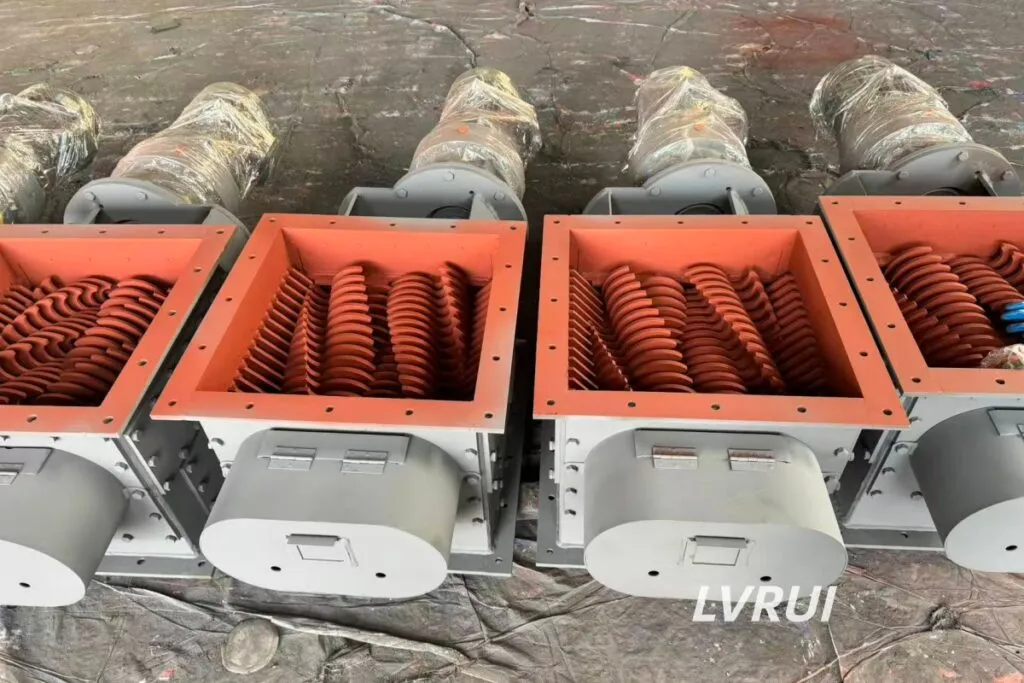
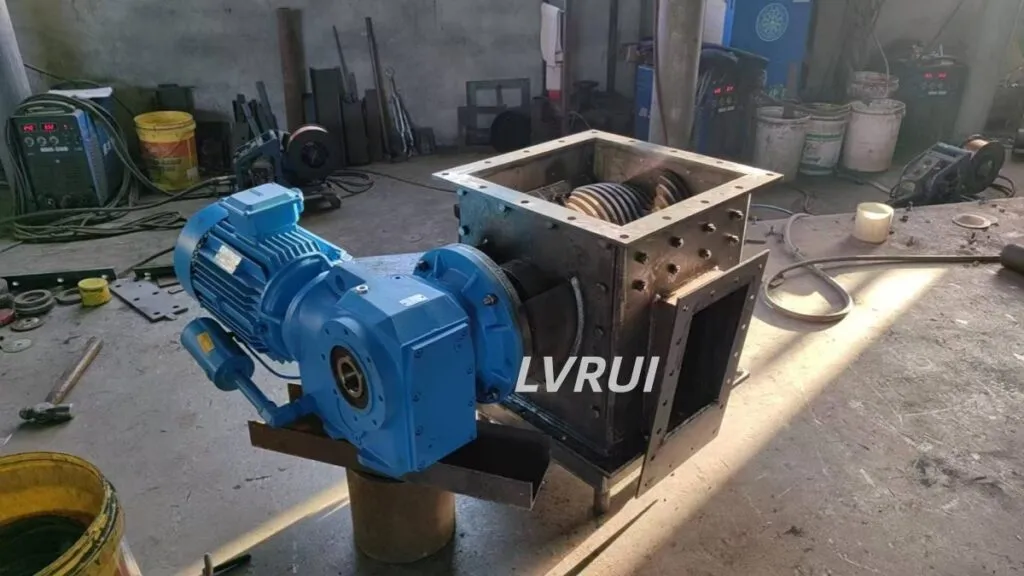
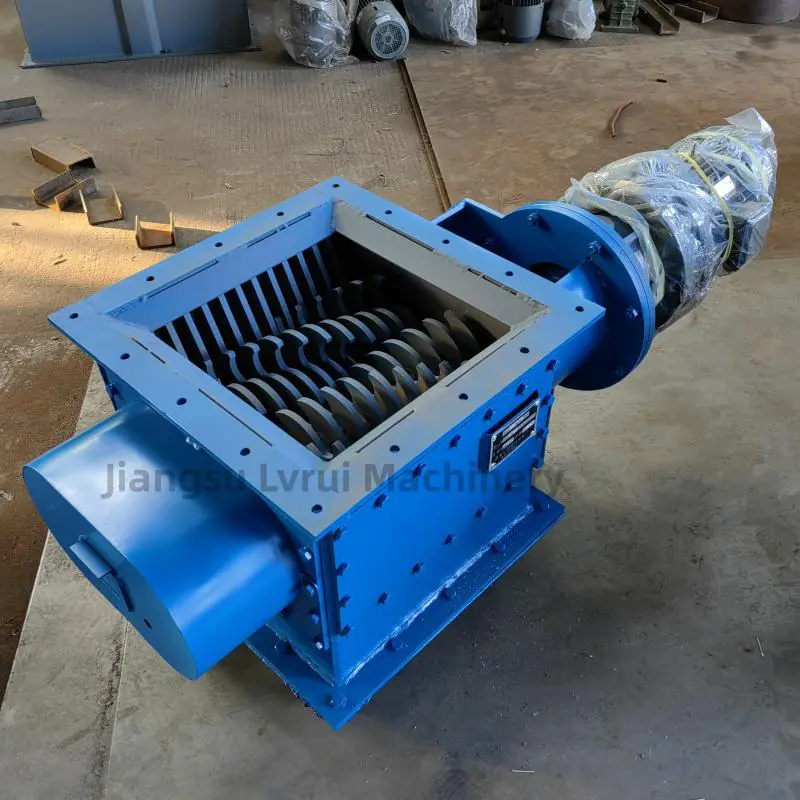
If hardened cement lumps repeatedly reach the silo outlet and threaten downstream conveying or feeding equipment, a lump breaker may be considered as a protective deagglomeration step.
Its purpose is to reduce lumps that have already formed before they enter sensitive downstream equipment.
However, installing a lump breaker does not remove the original cause of caking inside the silo. Moisture, storage time, compaction, condensation and poor material turnover should still be investigated separately.
If lump-breaking equipment is required, material condition, maximum lump size, capacity and downstream requirements should be reviewed before selecting the configuration. See our Lump Breaker Selection Guide for the selection process.
Prevention Checklist for Cement Plants
| Check Point | Why It Matters | Action |
|---|---|---|
| Silo sealing | Prevents moisture ingress | Inspect roof, covers and filling connections |
| Material turnover | Reduces long residence time | Avoid unnecessary extended storage |
| Condensation risk | May introduce internal moisture | Review temperature and moisture conditions |
| Aeration condition | Helps reduce stagnant zones | Inspect airflow and aeration equipment |
| Dead zones | Old material may cake | Review repeated buildup locations |
| Shutdown periods | Material may compact or harden | Inspect before restart |
| Incoming material | Moisture may already be present | Check material condition |
| Maintenance records | Reveals recurring patterns | Record time and location of lump formation |
FAQs About Cement Lump Formation
Why does cement form lumps during storage?
Cement can form lumps when moisture, long storage time, compaction, condensation or stagnant material causes fine powder particles to bond and harden.
What is the main cause of cement lump formation?
Moisture is one of the most important causes. Long storage, compaction and poor material turnover can increase the severity of caking.
Can humidity make cement harden inside a silo?
Yes. Humid air, leakage or condensation can introduce moisture that causes cement particles to cake and gradually harden.
Does long storage increase the risk of cement lumps?
Yes. Longer residence time increases the opportunity for compaction, moisture exposure and caking, especially in stagnant zones.
Can poor aeration cause cement lumps?
Poor aeration does not always create lumps directly, but it can increase stagnant areas and compaction. Combined with moisture or long storage, this can increase the risk of hardening.
Why do cement lumps often appear after a shutdown?
During long shutdowns, powder remains stationary and may compact or absorb moisture. Hardened material may become visible only when discharge restarts.
Are cement lumps always caused by poor cement quality?
No. Cement can form lumps because of storage and handling conditions even when the original product quality was acceptable.
Need Help Reviewing Repeated Cement Lump Problems?
If cement lumps repeatedly appear at the silo outlet, send us the material, silo dimensions, storage time, moisture condition, aeration arrangement, discharge rate, and available site photos or drawings.
LVRUI can help review whether downstream lump protection equipment may be required after the storage-side causes have been checked.
WhatsApp: +86-18261998937
WeChat: +86-18261998937
Email: info@lvrui-conveyor.com