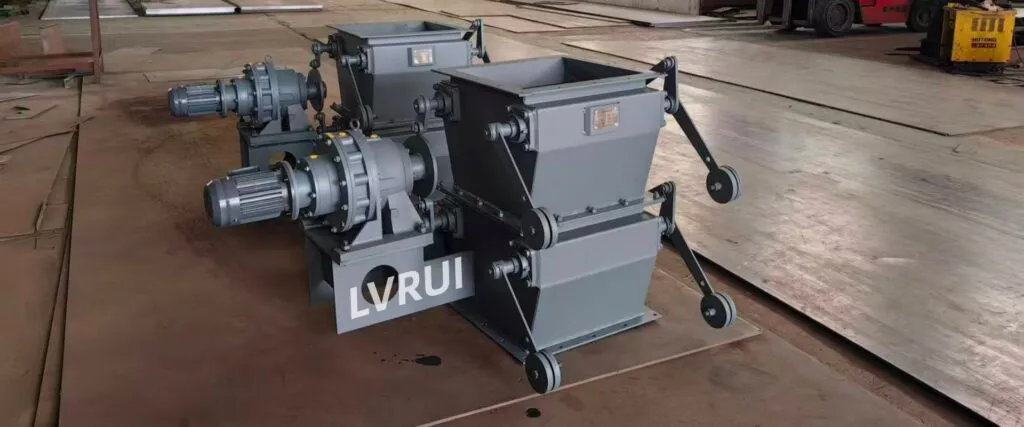
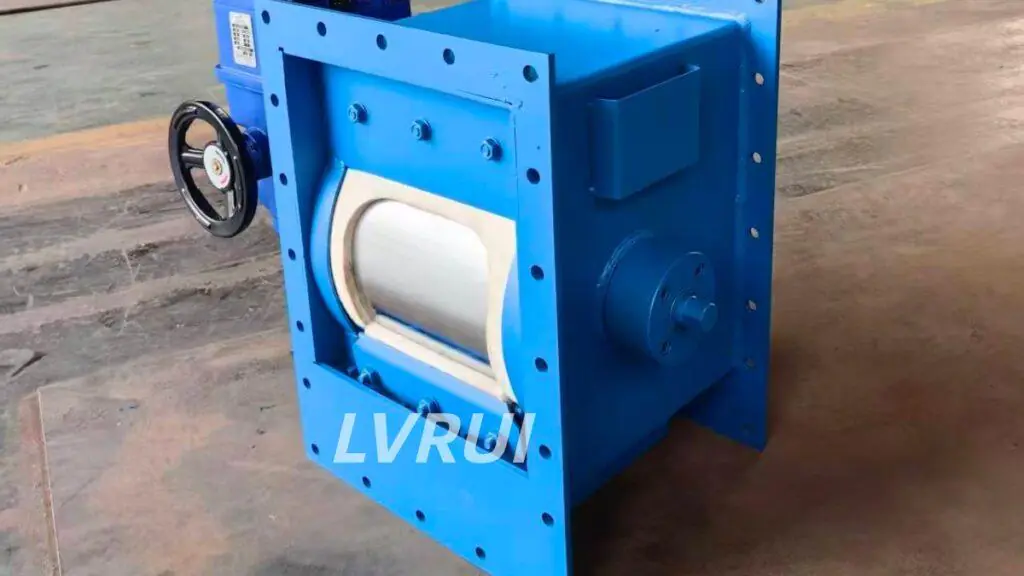
Optimizing Clinker Silo Discharge with Rod Gate Systems for Reliable Bulk Handling
Mengoptimalkan Pengeluaran Silo Klinker dengan Sistem Rod Gate untuk Penanganan Material yang Andal
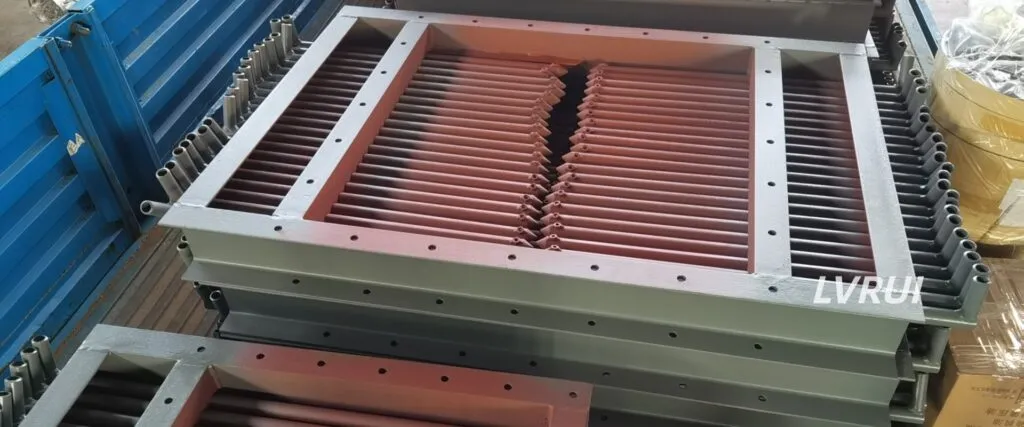
Clinker Silo Bottom Discharge Challenges in Cement Plants
Rod Gate in Clinker Silos plays a critical role in cement plants, as clinker — the intermediate product of cement production — is characterized by high bulk density, irregular particle shape, and often variable moisture content, making bottom silo discharge inherently challenging:
- Arching and bridging: Material forms stable arches above the silo outlet.
- Rat‑holing: Flow channels form, leaving stagnant zones.
- Flow inconsistency: Delivery to downstream conveyors fluctuates.
These issues directly impact packing efficiency, production continuity, and downstream equipment reliability. Clinker silo performance is therefore a major system‑level concern for cement plant bulk handling engineers.
System‑Level Role of Rod Gate in Clinker Silos
A Rod Gate is more than a shut‑off device — it’s a flow conditioning component integrated into the silo discharge zone and often used in tandem with other subsystems:
1 Integration with Aeration Pads
Aeration or fluidizing pads are installed above the Rod Gate to reduce friction and support mass density flow. When properly designed, the combination:
- Encourages uniform flow across the silo outlet.
- Minimizes dead zones and prevents rat‑holing.
- Works with the Rod Gate to regulate discharge rate smoothly.
Learn more about clinker silo discharge system design
2 Coordinated Control with Downstream Conveyors
Commonly used with air slide conveyors and pneumatic systems, Rod Gates help:
- Maintain consistent feed into conveyors.
- Synchronize discharge with plant throughput requirements.
- Reduce surges or under‑feed that can cause blockages.
This system synergy between Rod Gate, aeration pads, and conveyors represents an integrated bulk handling approach that significantly enhances operational stability.
Engineering Principles Behind Rod Gate Effectiveness
To understand why Rod Gates work so well in clinker silo systems, it helps to examine the physics of granular flow:
1 Mass Flow vs Funnel Flow
- Mass flow: All particles move when discharge begins.
- Funnel flow: Only central material moves; walls remain static.
Rod Gate geometry and movement help promote mass flow conditions when paired with proper hopper design, minimizing stagnant zones that lead to bridging.
2 Stress Distribution at Outlet
Rod Gates reduce stress arching at the silo outlet by controlling how the material disengages. This prevents sudden collapse of material clusters — a common cause of surges and blockage.
Review bulk material handling fundamentals
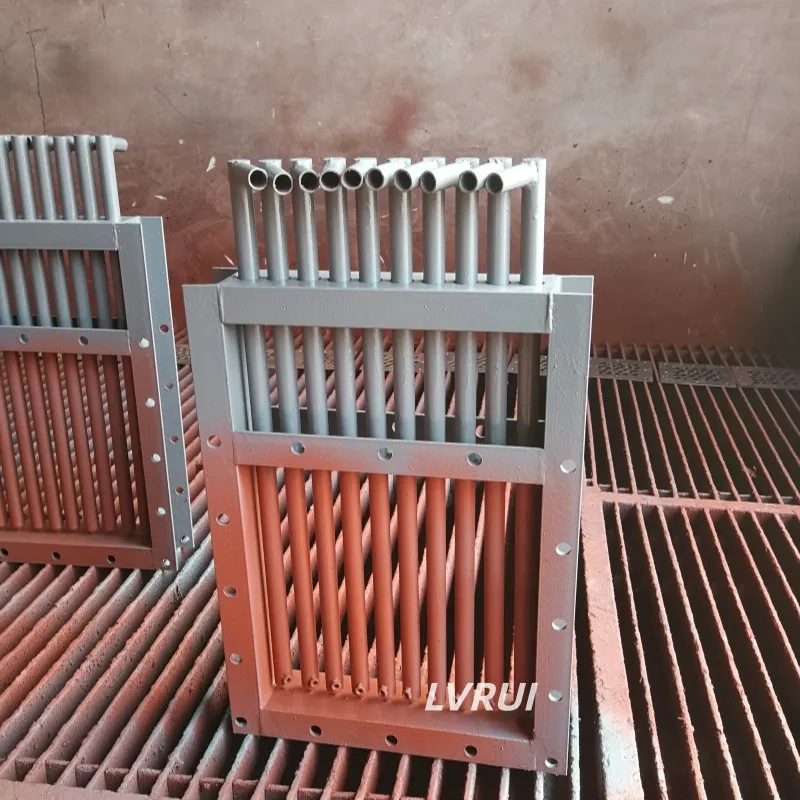
Real‑World Case Studies
Case Study 1: Southeast Asia Cement Plant
A mid‑sized cement plant faced chronic arching in clinker silos, leading to:
- Frequent downtime for manual clearing.
- Inconsistent feeding to kiln raw mill feeding systems.
- Reduced production rates during peak demand.
Solution: Installed a Rod Gate with optimized aeration pad layout and tuned actuation profiles.
Results:
- Arching events virtually eliminated within two months.
- 15–18% reduction in silo associated downtime.
- Smoother discharge improved downstream energy efficiency.
This system‑level enhancement significantly stabilized bulk handling, contributing directly to plant KPI improvements.
Case Study 2: Large Cement Facility with Pneumatic Conveyors
A large cement producer experienced:
- Rat‑holing and inconsistent flow.
- High maintenance on screw conveyors due to uneven feed.
Actions Taken:
- Installed Rod Gate with vibration damping.
- Optimized airflow into fluidizing pads.
- Integrated discharge control with air slide conveyor feed system.
Outcomes:
- Consistent mass flow achieved.
- Reduced wear on downstream conveyors.
- Lower maintenance intervention frequency.
These results illustrate how Rod Gate integration with conveyor systems offers holistic reliability improvements.
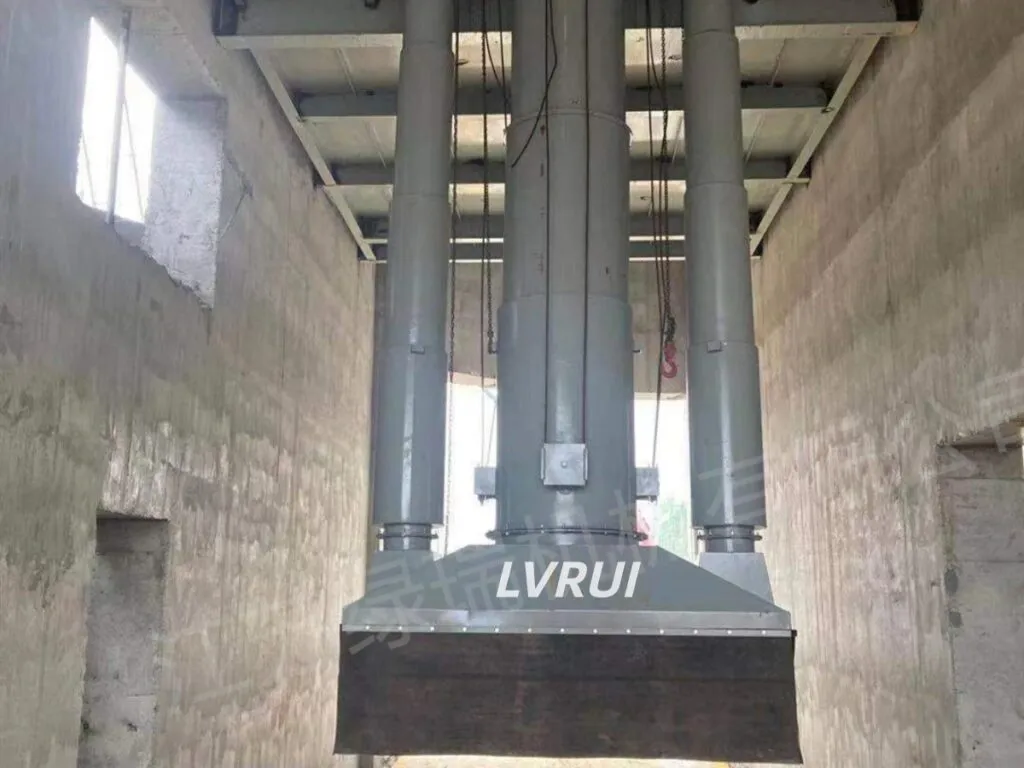
Rod Gate vs Other Silo Discharge Devices
Engineers often compare Rod Gates with alternative devices:
| Device Type | Silo Bottom Suitability | Bridging Prevention | Control Precision |
|---|---|---|---|
| Rod Gate | Excellent | High | Precise |
| Butterfly Valve | Moderate | Moderate | Medium |
| Slide Gate | Good | Moderate | Good |
| Vibrating Feeder | Good (for low density powders) | Low | Variable |
In heavy‑duty systems like clinker silo discharge, Rod Gates combined with proper hopper geometry and aeration support typically outperform other options in flow control precision and reduced arching risk.
For general flow control valve comparison, see Flow Control Gate Selection Guide
Design and Installation Best Practices
Effective Rod Gate system performance is less about single parts and more about holistic design and installation:
1 Hopper Geometry
- Conical hopper angle optimized to material friction angle.
- Smooth transitions to Rod Gate opening.
2 Rod Gate Stroke and Actuation
- Configured to yield a controlled discharge profile.
- Actuation timing integrated with silo fill level control.
3 Aeration Pad Distribution
- Even placement across discharge area.
- Airflow rates balanced to support mass flow without fluidizing excessively.
These considerations ensure the Rod Gate functions as an integral part of the larger bulk handling system.
Maintenance and Reliability Strategies
Although you already have a dedicated maintenance guide, system‑level maintenance is about coordination between components:
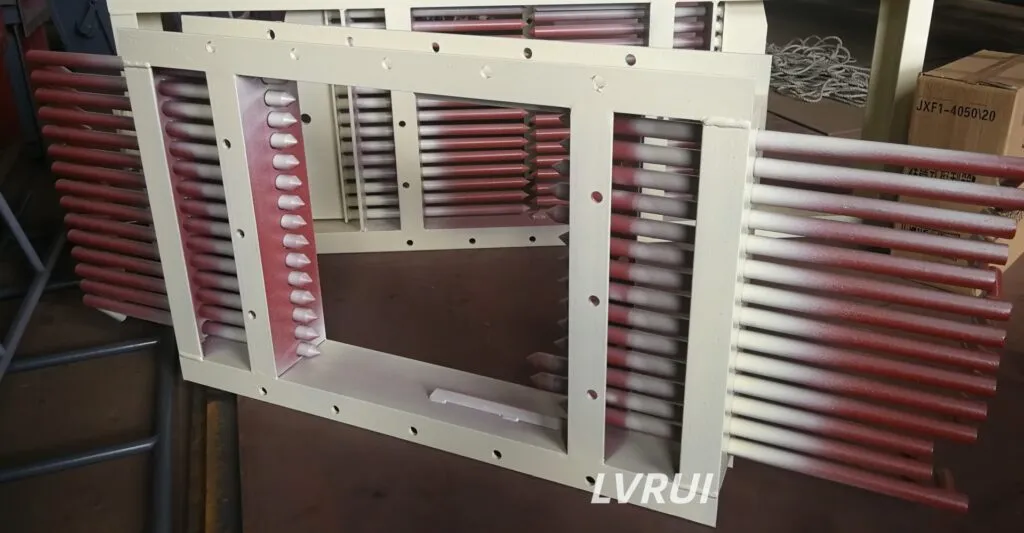
- Routine inspection of Rod Gate seals and guides.
- Aeration pad integrity and compressed air quality monitoring.
- Automated condition monitoring to predict blockage trends.
- Regular verification of actuator calibration.
For detailed device maintenance steps, Rod Gate Maintenance Guide
FAQS About Rod Gate in Clinker Silos
What is the system-level role of a Rod Gate in clinker silos?
A Rod Gate in Clinker Silos regulates bottom discharge, promotes mass flow, and prevents arching or bridging. Integrated with aeration pads and air slide conveyors, a Rod Gate in Clinker Silos ensures stable clinker flow, reliable bulk handling, and consistent production performance in cement plants.
How does a Rod Gate prevent rat‑holing in clinker silos?
By promoting uniform mass flow across the silo outlet, a Rod Gate in Clinker Silos reduces stagnant zones and minimizes rat‑holing. Proper design and aeration support ensure that Rod Gates in Clinker Silos maintain continuous, reliable clinker discharge.
Can Rod Gates be integrated with pneumatic conveyors like air slide systems?
Yes. Rod Gates in Clinker Silos provide controlled feed to air slide conveyors and other pneumatic systems. Using a Rod Gate in Clinker Silos ensures consistent material transport, reduces surges, and protects downstream equipment from uneven load.
How should aeration pads be designed with Rod Gates for optimal clinker flow?
Aeration pads should be evenly distributed above the Rod Gate in Clinker Silos, with airflow sufficient to support mass flow without over-fluidizing the material. A properly integrated Rod Gate in Clinker Silos with aeration pads improves discharge consistency and minimizes silo downtime.
What are the main advantages of using a Rod Gate over other bottom discharge valves?
Rod Gates in Clinker Silos offer precise control, higher resistance to arching, and better integration with system-level components compared to slide gates or butterfly valves. In heavy-duty clinker handling, a Rod Gate in Clinker Silos maximizes flow reliability and system efficiency.
What maintenance strategies ensure long-term reliability of Rod Gates in clinker silos?
System-level maintenance should include inspecting Rod Gates in Clinker Silos, aeration pad performance, actuators, and conveyor synchronization. Routine checks and predictive monitoring for Rod Gates in Clinker Silos prevent blockages and optimize the bulk handling process.
CTA
If you are looking to optimize clinker silo discharge, reduce bridging risks, and enhance bulk handling reliability, contact our engineering team at info@lvrui‑conveyor.com or visit https://lvrui‑conveyor.com to explore tailored Rod Gate system solutions.
Bahasa Indonesia Singkat
Peran Rod Gate dalam Sistem Silo Semen dan Studi Kasus
Rod Gate adalah komponen penting dalam memastikan aliran material keluar dari silo klinker berjalan lancar. Dengan integrasi bersama aeration pad dan sistem konveyor seperti air slide, Rod Gate membantu mencegah bridging dan memastikan aliran stabil bahan berat. Artikel ini membahas prinsip kerja, desain sistem, studi kasus nyata dari pabrik semen, dan tips pemeliharaan untuk solusi sistemik Rod Gate.