What Buyers Should Prepare Before Requesting a Flow Control Gate Price
Flow Control Gate Quotation: Why Parameters Matter
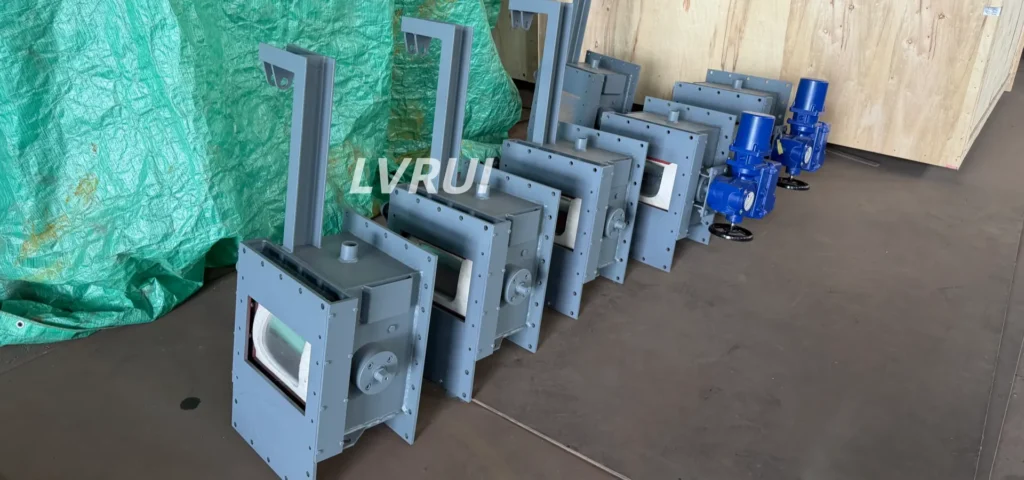
Flow Control Gate Quotation depends on more than a simple model number. In real cement plants and bulk material handling systems, the same flow control gate may require different body sizes, flange dimensions, actuator types, sealing structures and material thickness depending on the working condition.
A flow control gate valve is commonly installed under cement silos, fly ash silos, hoppers, air slide conveyor inlets, screw conveyor feeding points, bulk loading systems and weighing equipment. If the technical information is incomplete, the supplier can only provide a rough price. This often leads to repeated communication, wrong model selection, delayed drawings and higher project risk.
For product details, see LVRUI Flow Control Gate Valve
This guide explains the key information buyers should prepare before requesting a flow control gate quotation.
Material Type
The first parameter is the handled material.
A flow control gate used for cement powder is not always the same as one used for fly ash, lime powder, gypsum, clinker fines or granular materials. Different materials have different flowability, abrasiveness, moisture sensitivity and bulk density.
Common materials include:
√ Cement
√ Fly ash
√ Lime powder
√ Limestone powder
√ Gypsum powder
√ Raw meal
√ Clinker fines
√ Mineral powder
√ Dry mortar
√ Granular bulk materials
For fine powder materials such as cement and fly ash, sealing performance is very important. For abrasive materials, the valve body, gate plate and wearing parts may need stronger material thickness or wear-resistant design.
Silo Outlet Size or Inlet Dimension
The second important factor for flow control gate quotation is the inlet size.
Buyers should provide the silo outlet size, hopper outlet size or flange dimension. If drawings are available, they are very useful. If there is no drawing, clear photos with measured dimensions can also help.
Useful information includes:
√ Inlet opening size
√ Outlet opening size
√ Flange outside dimension
√ Bolt hole quantity
√ Bolt hole diameter
√ Bolt hole center distance
√ Installation height limit
√ Connection type
For replacement projects, the existing valve size is very important. For new projects, the flow control gate should be designed according to the silo outlet, downstream conveyor and required discharge capacity.
Required Discharge Capacity
A reliable flow control gate quotation should consider capacity, usually in tons per hour.
For example, a cement silo discharge system with 20 TPH capacity may use a different structure from a system requiring 80 TPH. If the gate opening is too small, material flow may become unstable. If the gate is oversized, control accuracy may become poor, especially in batching or weighing applications.
Buyers should provide:
√ Normal discharge capacity
√ Maximum discharge capacity
√ Continuous or intermittent operation
√ Whether the gate is used for simple opening/closing or flow regulation
√ Whether the system needs accurate feeding control
If the gate is used before an air slide conveyor, the feeding amount should match the conveying capacity of the air slide system.
Manual, Pneumatic or Motorized Operation
Actuator type has a strong impact on flow control gate quotation.
The three common options are manual, pneumatic and motorized operation.
Type | Best For | Main Advantage | Quotation Impact
Manual Flow Control Gate | Low-frequency adjustment, maintenance isolation | Simple structure, lower cost | Usually the most economical
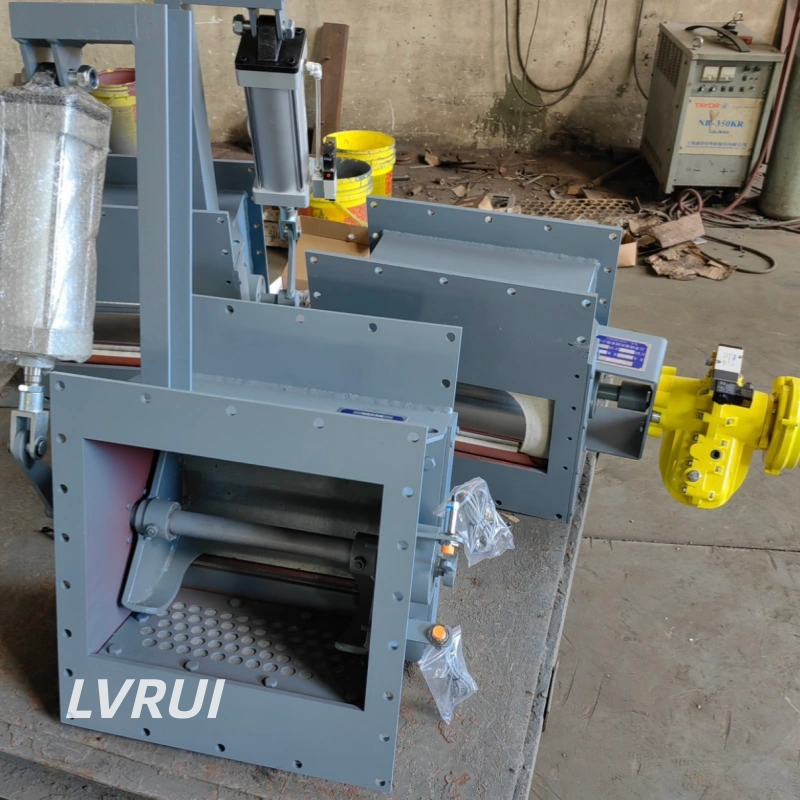
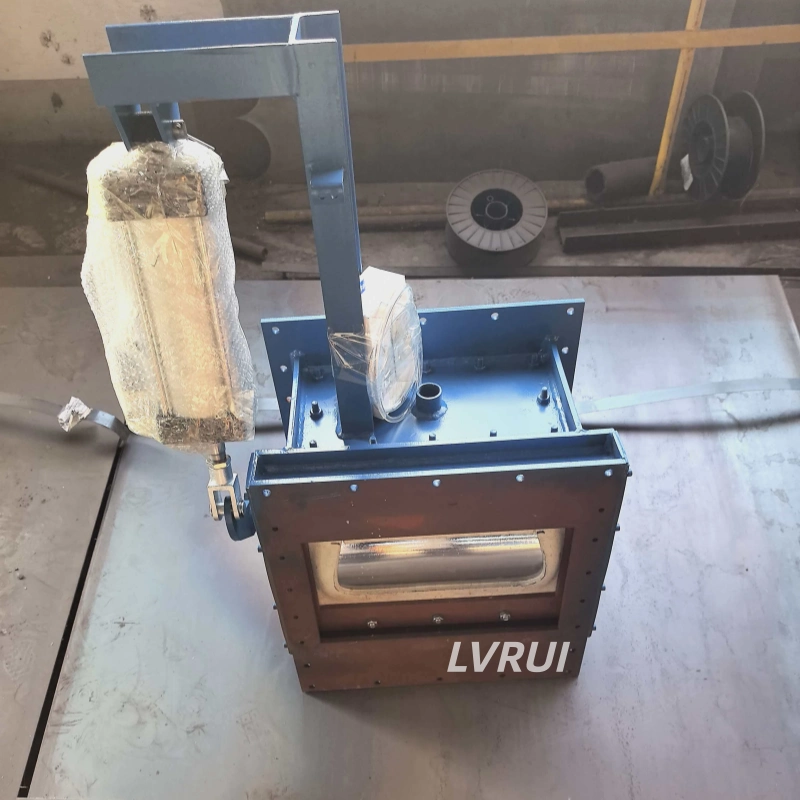
Pneumatic Flow Control Gate | Frequent open/close operation | Fast response, easy automation | Needs cylinder, solenoid valve and air supply
Motorized Flow Control Gate | Adjustable opening and precise flow regulation | Better control, suitable for PLC systems | Higher cost due to motor, gearbox and control parts
Manual flow control gates are suitable for simple discharge points where operators adjust the valve occasionally. Pneumatic flow control gates are suitable for automated production lines with frequent switching. Motorized flow control gates are better for systems requiring proportional control, batching, weighing or remote operation.
For cement silo discharge and powder handling systems, buyers should clearly state whether they need manual adjustment, pneumatic on/off control or motorized flow regulation.
Installation Position
The installation position affects the valve structure, sealing requirement and maintenance space.
Common installation positions include:
√ Under cement silo
√ Under fly ash silo
√ Hopper bottom
√ Before air slide conveyor
√ Before screw conveyor
√ Before bulk loading spout
√ Before weighing hopper
√ At a transfer chute
√ At a packing system inlet
A flow control gate installed under a cement silo may need stronger sealing and stable discharge control. A gate installed before a screw conveyor should prevent sudden overfeeding. A gate installed before a bulk loading system should help control feeding speed and reduce dust leakage.
Related guide: Bulk Loading Spout
Downstream Equipment
The downstream equipment should always be considered before quotation.
A flow control gate does not work alone. It usually works together with other equipment in a complete bulk material handling system.
Common downstream equipment includes:
√ Air slide conveyor
√ Screw conveyor
√ Bucket elevator
√ Bulk loading spout
√ Rotary valve
√ Weighing hopper
√ Packing machine
√ Pneumatic conveying line
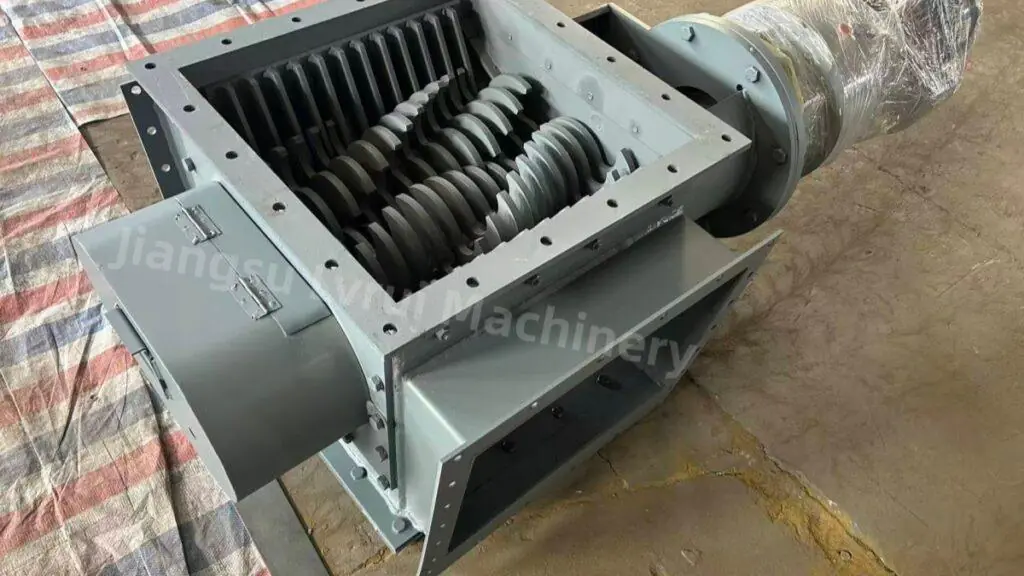
√ Lump breaker
If there is a risk of hardened cement lumps, material blockage or oversized particles, a lump breaker may be installed before or near the flow control gate to protect downstream equipment.
Related product: Lump Breaker for Cement Silo Discharge
This is especially important when cement has been stored for a long time, exposed to moisture, or discharged from old silos.
Sealing Requirement and Dust Control
For cement, fly ash and lime powder, dust leakage is not only a cleaning problem. It can affect site safety, equipment reliability and environmental control.
When requesting a flow control gate quotation, buyers should explain whether the system needs standard sealing or enhanced sealing.
Useful details include:
√ Is the material very fine powder?
√ Is the valve installed indoors or outdoors?
√ Is there negative pressure or positive pressure nearby?
√ Is a dust collector connected to the system?
√ Is the gate used in a sealed loading system?
√ Is there strict dust emission control on site?
For dust control reference, buyers can also review OSHA information on combustible dust safety
Although cement itself is not normally treated the same as combustible dust materials, good dust control is still important for clean, stable and safe powder handling operations.
Working Temperature, Moisture and Site Environment
The working environment can change the quotation.
For normal cement silo discharge, standard carbon steel structures may be enough. But in some conditions, additional protection may be needed.
Buyers should provide:
√ Material temperature
√ Ambient temperature
√ Outdoor or indoor installation
√ Humidity condition
√ Corrosive environment
√ Rainproof or dustproof requirement
√ Special coating requirement
√ Stainless steel requirement, if needed
For outdoor cement terminals, ports or coastal areas, anti-corrosion treatment may be more important. For high-temperature or abrasive materials, the gate plate and sealing structure may need adjustment.
Drawings, Photos and Layout Information
The fastest way to get an accurate flow control gate quotation is to provide drawings.
Useful documents include:
√ Silo outlet drawing
√ Existing valve drawing
√ General layout drawing
√ Flange drawing
√ Equipment photos
√ Material flow direction
√ Installation space photo
√ Downstream conveyor information
√ Required operation method
If drawings are not available, buyers can provide photos with key dimensions marked clearly. For replacement projects, photos of the existing valve, flange and surrounding equipment are very helpful.
A good supplier does not only quote the valve. The supplier should also check whether the flow control gate can be properly connected, installed, operated and maintained in the actual system.
Common Mistakes When Requesting a Flow Control Gate Quotation
Many quotation delays happen because the inquiry only says “please quote flow control gate” without any technical details.
Common mistakes include:
√ Only asking for price without size
√ Not providing material type
√ Confusing slide gate with flow control gate
√ Not confirming manual, pneumatic or motorized operation
√ Ignoring downstream equipment
√ Not checking installation space
√ Not mentioning dust sealing requirement
√ Selecting valve size only by silo capacity
√ Not providing drawings or photos
For example, a 500-ton cement silo does not automatically require a fixed gate size. The correct flow control gate should be selected according to discharge capacity, outlet size, material behavior and downstream equipment.
What Information Should Buyers Send for a Fast Quotation?
Before requesting a price, buyers can prepare the following simple checklist:
Item | Information to Provide
Material | Cement, fly ash, lime powder, gypsum, clinker fines, etc.
Capacity | Required TPH or discharge rate
Inlet Size | Silo outlet or hopper outlet dimension
Outlet Size | Downstream connection size
Operation Type | Manual, pneumatic or motorized
Installation Position | Under silo, before conveyor, before loading spout, etc.
Downstream Equipment | Air slide conveyor, screw conveyor, bulk loader, weighing hopper, etc.
Sealing Requirement | Standard sealing or enhanced dust sealing
Working Environment | Indoor, outdoor, humid, hot, corrosive, dusty
Drawing or Photo | Layout drawing, flange drawing or site photo
With this information, the supplier can provide a more accurate quotation, suitable structure, better technical recommendation and faster drawing confirmation.
Conclusion
Flow Control Gate Quotation should be based on real working conditions, not only on valve name or model. For cement silos, fly ash systems, air slide conveyors, screw conveyors and bulk loading lines, buyers should provide material type, inlet size, discharge capacity, actuator type, installation position, sealing requirement and downstream equipment.
A clear technical inquiry helps reduce communication time, avoid wrong model selection and improve project efficiency. For cement and powder handling projects, a properly selected flow control gate can improve discharge stability, reduce dust leakage, protect downstream equipment and support smoother plant operation.
FAQs About Flow Control Gate Quotation
What information is needed for a flow control gate quotation?
Buyers should provide material type, silo outlet size, required capacity, operation type, installation position, downstream equipment, sealing requirement and drawings or photos. These details help the supplier provide a more accurate flow control gate quotation.
Is silo capacity enough to select a flow control gate?
No. Silo capacity alone is not enough. The correct flow control gate depends more on discharge capacity, outlet size, material characteristics and downstream equipment.
What is the difference between a manual and pneumatic flow control gate?
A manual flow control gate is adjusted by hand and is suitable for simple or low-frequency operation. A pneumatic flow control gate uses an air cylinder and is better for frequent open/close operation or automated systems.
When should I choose a motorized flow control gate?
A motorized flow control gate is suitable when the system requires adjustable opening, stable flow regulation, batching control, weighing accuracy or PLC integration.
Can a flow control gate be installed before an air slide conveyor?
Yes. A flow control gate is often installed before an air slide conveyor to regulate feeding amount, prevent sudden overfeeding and help maintain stable powder conveying.
Can a flow control gate reduce dust leakage?
Yes, if the valve is properly designed with suitable sealing structure. For fine powders such as cement, fly ash and lime powder, enhanced sealing is recommended.
Do I need to provide a drawing before quotation?
A drawing is strongly recommended. If no drawing is available, buyers can provide clear site photos and measured dimensions, including inlet size, outlet size and bolt hole arrangement.
Can LVRUI customize flow control gates for cement silo discharge?
Yes. LVRUI can customize manual, pneumatic and motorized flow control gates according to material type, capacity, flange size, actuator requirement, sealing demand and site layout.
Need a reliable Flow Control Gate Quotation for your cement silo or bulk material handling system?
Jiangsu Lvrui Machinery Co., Ltd. provides customized flow control gates for cement, fly ash, lime powder, gypsum and other dry bulk materials. We can help match the valve with your silo outlet, air slide conveyor, screw conveyor, bulk loading spout or complete powder handling system.
Contact LVRUI today for technical support and quotation.
WhatsApp / WeChat: +86-18261998937
Email: info@lvrui-conveyor.com
Website: https://lvrui-conveyor.com/