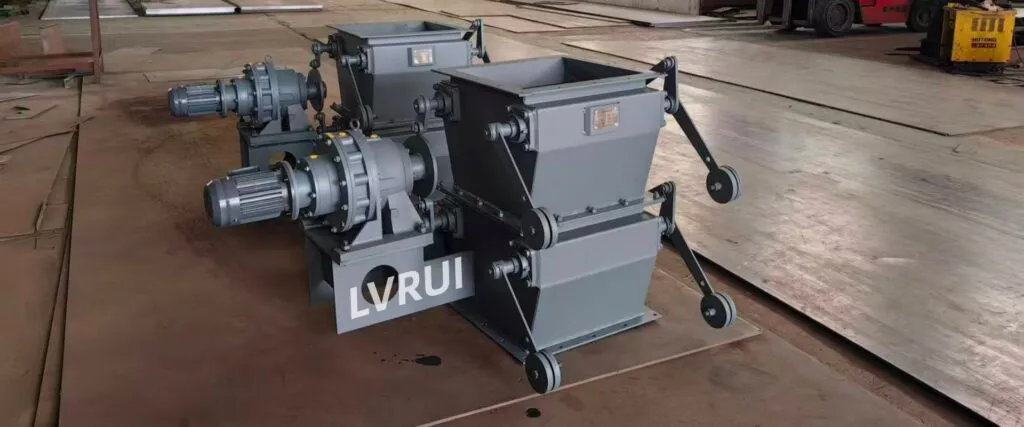
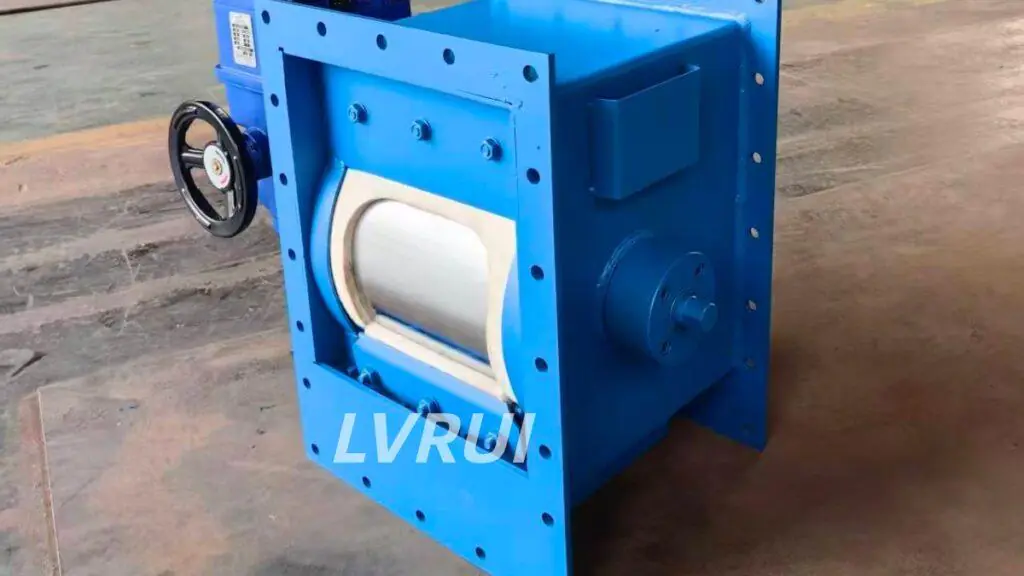
A Practical Guide to Selecting Rod Gates for Reliable Bulk Material Flow Control(Panduan Praktis Memilih Rod Gate untuk Pengendalian Aliran Material Curah yang Andal)
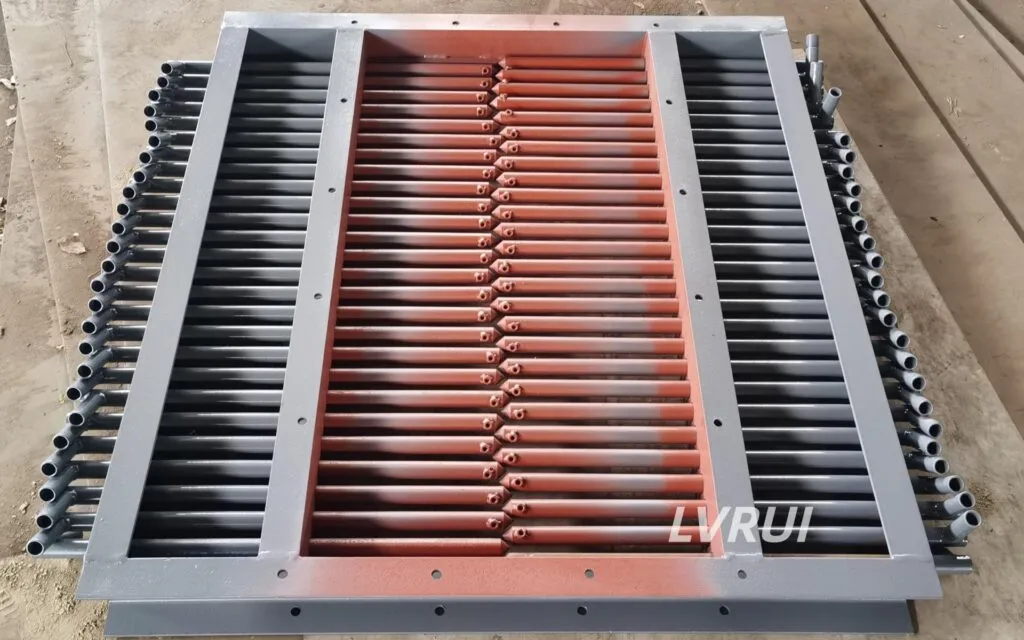
Introduction
Selecting the right rod gate is critical for ensuring stable flow control, reliable sealing, and long-term performance in bulk material handling systems.
Rod gates are widely used in cement plants, fly ash handling lines, powder silos, and gravity discharge systems where controlled material isolation is required.
In this article, we will explain how a rod gate works, what factors affect its performance, and how to select the correct design for your bulk material application.
What Is a Rod Gate?
It is a mechanical flow isolation device designed to control or shut off bulk materials such as cement, fly ash, clinker, limestone powder, and other granular materials.
Unlike knife gates or slide gates, rod gates use parallel rods to form an adjustable opening, allowing material to pass while preventing blockage and arching.
Key Characteristics :
- Open-frame structure with multiple parallel rods
- Excellent anti-blocking performance
- Suitable for gravity discharge applications
- Simple mechanical design with low maintenance
How a Rod Gate Works
A rod-type flow control device operates by adjusting the spacing between rods to regulate material flow. When the gate is closed, the rods align closely to block material discharge. When opened, controlled gaps allow material to flow evenly.
This design reduces:
- Material bridging
- Powder compaction
- Sudden discharge surges
You can compare these bulk material flow control solutions with other flow control devices such as the Flow Control Gate.
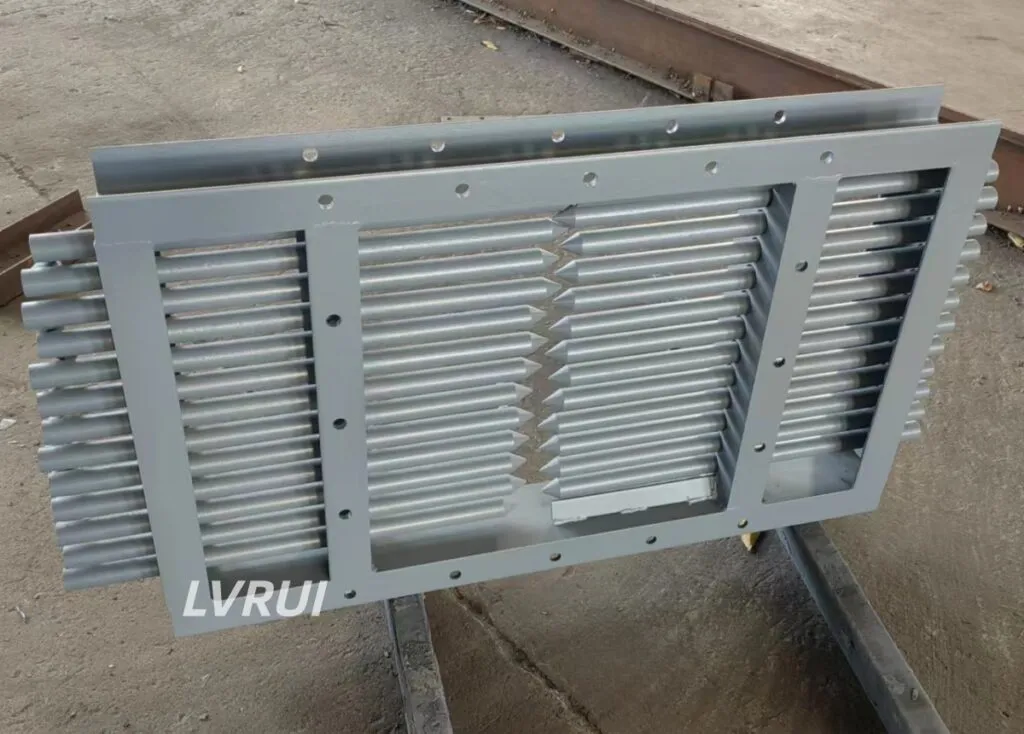
Key Factors to Consider When Selecting a rod type flow control gate
1. Material Characteristics
Different bulk materials behave differently. Before selecting a rod-type flow control device, consider:
- Particle size distribution
- Flowability
- Abrasiveness
- Moisture content
These gates perform best with:
- Cement
- Fly ash
- Clinker fines
- Limestone powder
2. Application Location
Rod-type flow devices are commonly installed:
- Under silos and hoppers
- At chute discharge points
- In gravity-fed conveying systems
For pneumatic conveying applications, consider combining rod gates with an Air Slide Conveyor .
3. Sealing & Leakage Requirements
While these devices are not designed for airtight sealing like diverter valves, proper rod spacing and surface finish can significantly reduce leakage.
If zero leakage is required, consider:
- Adding secondary sealing
- Using rod gates as pre-isolation devices
- Pairing with downstream diverter valves
See also: Diverter Valve Solutions .
4. Wear Resistance & Material Build Quality
For abrasive materials such as clinker or fly ash:
- Choose wear-resistant steel rods
- Consider hardened or coated surfaces
- Ensure robust frame construction
High-quality devices extend service life and reduce maintenance frequency.
5. Actuation & Control
Rod gates can be:
- Manually operated
- Pneumatically actuated
- Motorized for automation systems
For automated bulk material handling lines, motorized rod gates allow integration with PLC and plant control systems.
For general bulk material flow behavior, refer to Bulk Material Handling on Wikipedia.
Rod Gate vs Other Bulk Material Gates
| Device Type | Best Use Case |
|---|---|
| Rod Gate | Anti-blocking gravity discharge |
| Slide Gate | Precise flow isolation |
| Knife Gate | Tight shut-off with sealing |
| Diverter Valve | Flow direction control |
Rod gates are especially suitable where material flow consistency and clog prevention are more important than airtight sealing.
Typical Applications of rod type flow control gate
Rod-type flow control devices are widely used in:
- Cement plants
- Fly ash handling systems
- Bulk powder silos
- Hopper discharge outlets
- Gravity-fed conveying lines
They are often combined with telescopic loading chutes and air slide conveyors in modern bulk material handling systems.

Why Choose LVRUI rod type flow control gate Solutions?
LVRUI rod-type flow control devices are engineered for:
- Reliable flow control
- Durable industrial construction
- Custom sizing and materials
- Seamless integration into bulk handling systems
✔ Custom design for cement & powder applications
✔ Strong anti-blocking performance
✔ Long service life with minimal maintenance
Conclusion
Choosing the right rod type flow control gate depends on material characteristics, discharge conditions, wear resistance, and system integration requirements.
When properly selected, a rod gate improves flow reliability, reduces downtime, and enhances overall bulk material handling efficiency.
FAQs
What bulk materials are best suited for rod-type flow control devices?
LVRUI rod-type flow control devices are ideal for cement, fly ash, clinker fines, and limestone powder. These bulk material rod gate solutions minimize bridging and blockages in silos, hoppers, and gravity-fed lines.
Where should rod-type flow control devices be installed in a cement or powder handling system?
Industrial rod gates are commonly installed under silos, at chute discharge points, and within gravity-fed conveying systems. For pneumatic conveying, pairing these devices with Air Slide Conveyors ensures smooth material flow.
How do rod-type flow control devices prevent material leakage and bridging?
Properly designed rod-type gates reduce leakage, arching, and sudden discharge surges. Adding secondary sealing or using these devices as pre-isolation solutions further improves material control.
Can rod type flow control gate be automated or integrated with control systems?
Yes. Rod type flow control gate can be manually operated, pneumatically actuated, or motorized for PLC and plant automation. Motorized Rod Gates enable precise flow regulation and integration into bulk material handling lines.
How do rod-type flow control devices compare with other bulk material gates?
Compared to slide gates, knife gates, or diverter valves, rod-type devices offer superior anti-blocking performance and smooth gravity-fed discharge. These gates prioritize material flow consistency over airtight sealing.
Why should I choose LVRUI Rod Gate solutions?
LVRUI rod type flow control gate offer:
✔ Custom design for cement and powder applications
✔ Strong anti-blocking performance
✔ Long service life with minimal maintenance
They are engineered for reliable flow control, durable construction, and seamless integration into bulk handling systems.
Need a reliable rod-type flow control devices for your bulk material handling system?
LVRUI provides custom-engineered rod type flow control gate for cement, fly ash, and powder conveying applications.
📩 Email: info@lvrui-conveyor.com
🌐 Website: https://lvrui-conveyor.com
Versi Singkat (Bahasa Indonesia)
Rod gate adalah perangkat penting dalam sistem penanganan material curah seperti semen, fly ash, dan bubuk industri lainnya. Desain batang paralel pada rod gate membantu mencegah penyumbatan dan memastikan aliran material yang stabil.
Dalam memilih rod gate yang tepat, faktor utama yang perlu dipertimbangkan meliputi jenis material, lokasi pemasangan, ketahanan aus, serta metode pengoperasian (manual atau otomatis). Rod gate sangat cocok digunakan pada sistem pengeluaran gravitasi di silo, hopper, dan jalur conveying.
Rod gate dari LVRUI dirancang untuk aplikasi industri berat dengan struktur kuat, performa andal, dan umur pakai yang panjang.