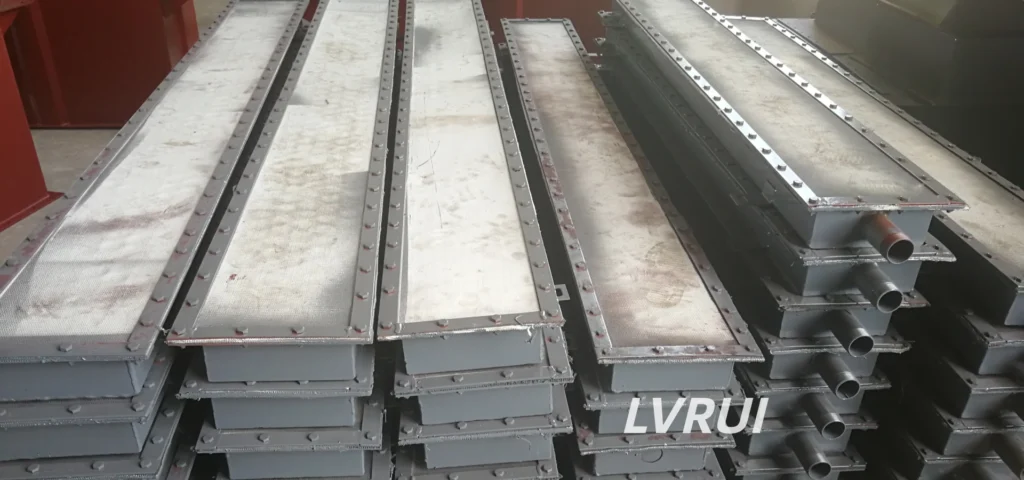
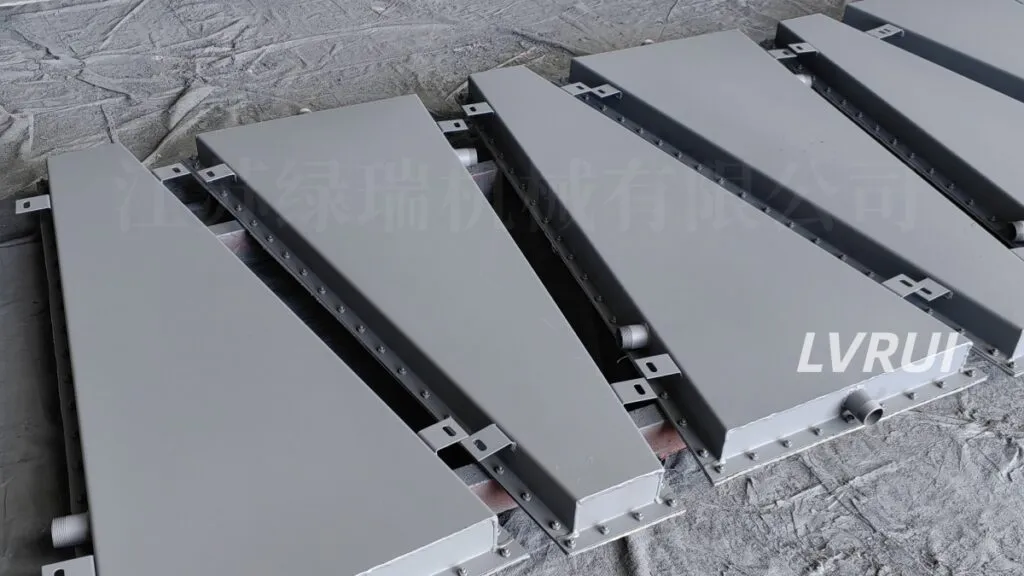
Routine Inspection, Fabric, Air Supply, Sealing and Preventive Maintenance Checks
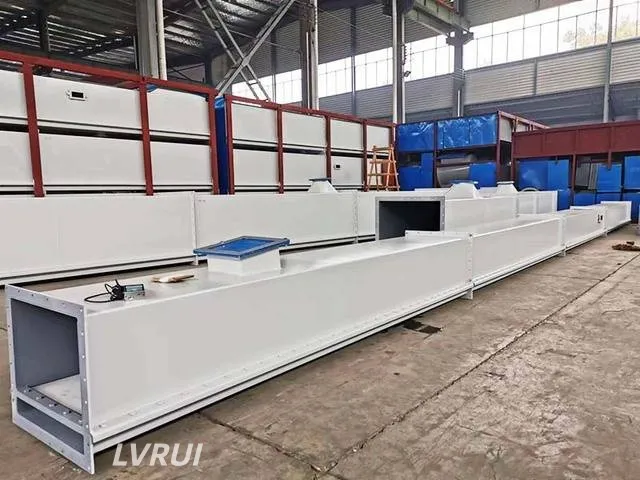
Introduction
Air slide conveyor maintenance is mainly preventive. The purpose is to detect gradual changes in fluidizing air, air slide fabric condition, sealing, material flow and connected equipment before they lead to unstable conveying or an unplanned shutdown.
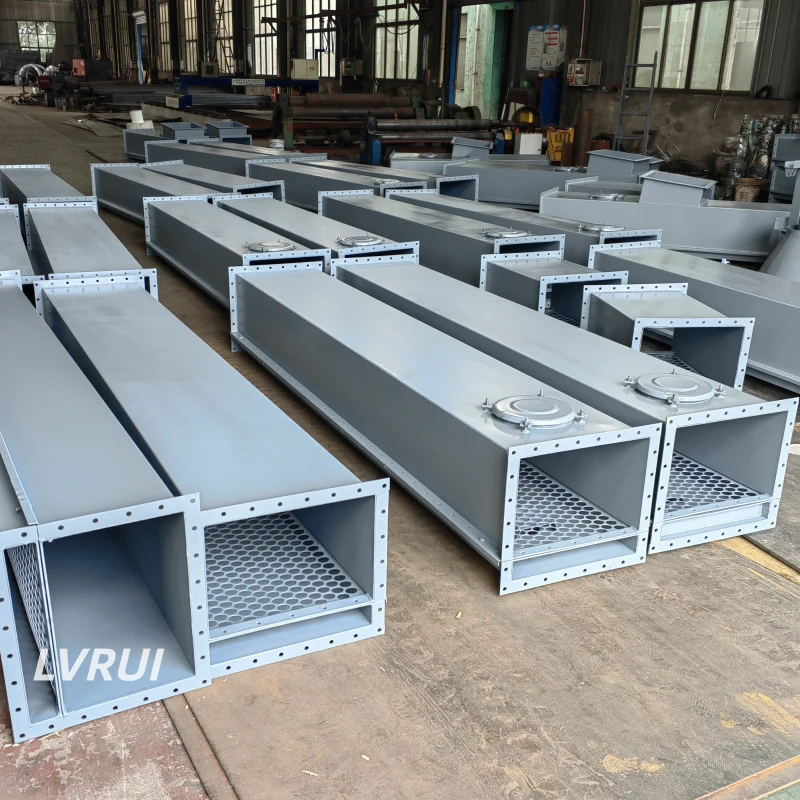
Because an air slide conveyor has no moving conveying element inside the material chamber, maintenance requirements are generally different from those of screw, chain or belt conveyors. However, the blower, air piping, fabric, lower air chamber, seals, inspection covers and inlet/outlet connections still require regular inspection. For the basic conveying mechanism and component functions, see the Air Slide Conveyor Working Principle guide.
The checklist below provides a practical maintenance framework for cement and dry powder handling applications. Actual inspection intervals should be adapted to operating hours, material properties, temperature, plant conditions and previous maintenance records.
For complete system design, you can also refer to our Air Slide Conveyor product page.
Before Maintenance: Isolate the Equipment Safely
Before opening inspection covers, entering a maintenance area or working on the blower, valves or connected equipment, follow the plant’s approved shutdown and energy-isolation procedure.
Material feeding should be stopped, relevant electrical and pneumatic energy sources isolated, and residual pressure or stored material considered before inspection begins. Maintenance personnel should verify that the equipment cannot restart unexpectedly before work is performed.
For general guidance on hazardous-energy isolation during servicing and maintenance, refer to the OSHA control of hazardous energy requirements.
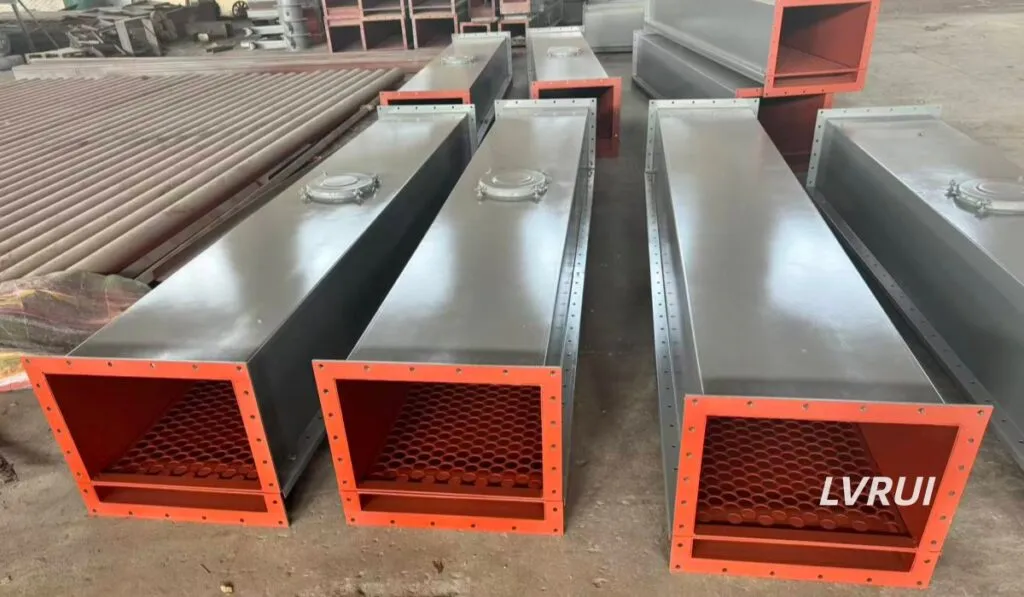
Air Slide Conveyor Maintenance Checklist
| Frequency | Inspection Area | What to Check | Action if Abnormal |
|---|---|---|---|
| Each Shift / Daily | Material flow | Changes in flow stability, accumulation or reduced discharge | Record the symptom and inspect feeding, air supply and outlet condition |
| Each Shift / Daily | Blower operation | Abnormal pressure trend, noise, vibration or motor condition | Compare with normal operating records and investigate abnormal change |
| Each Shift / Daily | Air and dust leakage | Flanges, covers, air piping and sealing points | Tighten loose connections and inspect damaged seals |
| Weekly / Routine | Air slide fabric condition | Visible contamination, moisture, damage or uneven fluidization | Clean or inspect the affected section after safe isolation |
| Weekly / Routine | Lower air chamber | Powder ingress, moisture, leakage or restricted air inlet | Identify fabric/sealing problems and clean the chamber if required |
| Weekly / Routine | Inspection covers and joints | Loose fasteners, gasket damage or dust leakage | Repair sealing before leakage increases |
| Monthly / Periodic | Air distribution | Compare operating pressure or airflow trends between sections where measurements are available | Investigate persistent imbalance rather than simply increasing blower output |
| Monthly / Periodic | Inlet and outlet | Material buildup, restriction or unstable feeding | Clean accumulated material and confirm connected equipment is operating normally |
| Monthly / Periodic | Structure and supports | Loose bolts, corrosion, deformation or damaged supports | Repair according to equipment condition |
| Planned Shutdown | Air slide fabric | Wear, tears, loose edges, contamination and fixing condition | Clean, refit or replace only where condition requires |
| Planned Shutdown | Blower and air supply | Blower, filter/inlet, piping, valves and connections | Service according to blower manufacturer requirements |
| Planned Shutdown | Complete conveying route | Section joints, internal accumulation, outlet and connected equipment | Correct recurring conditions before restart |
These intervals are examples rather than universal requirements. High operating hours, abrasive powder, elevated temperature, moisture exposure or a history of recurring problems may justify more frequent inspection. If abnormal material flow, leakage, pressure or conveying capacity has already developed, see Common Problems of Air Slide Conveyors for symptom-based troubleshooting.
What Should Be Recorded During Air Slide Conveyor Maintenance?
Maintenance records are often more useful than a single inspection result because gradual changes can indicate developing problems before complete failure occurs.
Record, where available:
✓ Blower pressure or operating trend
✓ Material throughput
✓ Material being conveyed
✓ Visible air or dust leakage
✓ Location of material buildup
✓ Fabric inspection findings
✓ Cleaning or replacement performed
✓ Seal or gasket replacement
✓ Blockage frequency and location
✓ Abnormal noise or vibration
✓ Date and reason for corrective work
Comparing current observations with previous normal operating data can help determine whether a change is temporary or part of a developing equipment problem.
If material repeatedly accumulates in the same section, the problem should be investigated separately rather than treated as routine cleaning. See the Air Slide Conveyor Blockages troubleshooting guide.
When Should Air Slide Fabric Be Cleaned or Replaced?
The air slide fabric should be inspected when fluidization becomes uneven, blower resistance changes abnormally, powder enters the lower air chamber or repeated buildup develops in the same section.
Cleaning may be sufficient when dry surface contamination can be removed without damaging the fabric.
Replacement should be considered when:
✓ Tears, holes or damaged edges are visible
✓ Fabric fixing can no longer maintain proper sealing
✓ Contamination cannot be removed effectively
✓ Uniform air passage cannot be restored after cleaning
✓ Heat or mechanical damage has permanently affected the fabric
Do not replace the fabric based only on operating time. Actual condition, material temperature, powder characteristics and previous operating history are more useful indicators.
For fabric construction and application details, see our Air Slide Fabric page.
For air distribution and powder fluidization equipment, you can also check our Aeration Pad page.
Opening Inspection Covers During Maintenance
Inspection covers should not be opened while the conveyor remains pressurized or material is being fed. Before internal inspection or cleaning, follow the plant’s approved shutdown and isolation procedure and confirm that stored pressure and material hazards have been addressed.
When covers are reopened after maintenance, check the gasket condition, fasteners and sealing surfaces before returning the conveyor to operation. Dust appearing around the same cover after restart may indicate damaged sealing or abnormal internal pressure and should be investigated rather than repeatedly tightening the connection.
Checks Before Returning the Conveyor to Service
After maintenance work is complete:
✓ Confirm inspection covers and flanges are closed and sealed
✓ Confirm tools, loose parts and cleaning material have been removed
✓ Verify that the air supply path and required valves are ready
✓ Confirm downstream receiving equipment is available
✓ Restore fluidizing air before normal material feeding where required by the operating procedure
✓ Observe the maintained section during initial material flow
✓ Check for abnormal air leakage, dust leakage, noise or material accumulation
If the maintenance was performed because of a recurring blockage or conveying problem, compare the restarted condition with previous operating records before assuming the underlying cause has been corrected.
Conclusion
Effective air slide conveyor maintenance is based on regular inspection and operating history rather than fixed replacement intervals alone. Material flow, fluidizing air, fabric condition, sealing, the lower air chamber and connected inlet and outlet equipment should be monitored for gradual changes.
A consistent maintenance record makes it easier to identify developing problems before they become blockages or unplanned shutdowns. When a specific operating fault has already developed, the appropriate troubleshooting guide should be used instead of treating routine maintenance as the corrective procedure.
Air Slide Conveyor Maintenance FAQs
How often should an air slide conveyor be inspected?
Routine operating checks can be performed each shift or daily, while internal and component inspections should follow the plant’s planned maintenance schedule. Actual frequency depends on operating hours, material condition, temperature, dust exposure and previous equipment history.
What should be checked during routine air slide conveyor maintenance?
Check material flow, blower condition, abnormal pressure trends, air or dust leakage, inlet and outlet condition, air slide fabric, lower air chamber, seals and section connections.
Should air slide fabric be replaced on a fixed schedule?
Not necessarily. Fabric condition is more important than operating time alone. Replacement should be based on visible damage, persistent contamination, sealing problems or inability to restore reasonably uniform air passage.
Why is powder found inside the lower air chamber?
Powder in the lower air chamber can indicate damaged fabric, poor sealing around the fabric or another local separation problem. The affected section should be inspected after safe isolation.
What maintenance data should be recorded?
Useful records include blower pressure trends, material throughput, leakage locations, fabric condition, blockage history, corrective work and any unusual operating changes.
What should be done if routine inspection finds repeated material buildup?
Record the location and operating conditions first. Persistent buildup should then be investigated as a troubleshooting or blockage problem rather than corrected through repeated routine cleaning alone.
Need Help Reviewing Air Slide Conveyor Condition?
Send LVRUI the conveyed material, conveyor dimensions, operating condition, available blower data, photos of the air slide fabric or affected section, and details of any recurring leakage, buildup or capacity changes.
Based on the available information, LVRUI can help review whether the issue is more likely related to the fabric, sealing, air distribution or conveyor components and confirm suitable replacement equipment or spare parts where required.
Email: info@lvrui-conveyor.com
WhatsApp: +86-18261998937
WeChat: +86-18261998937