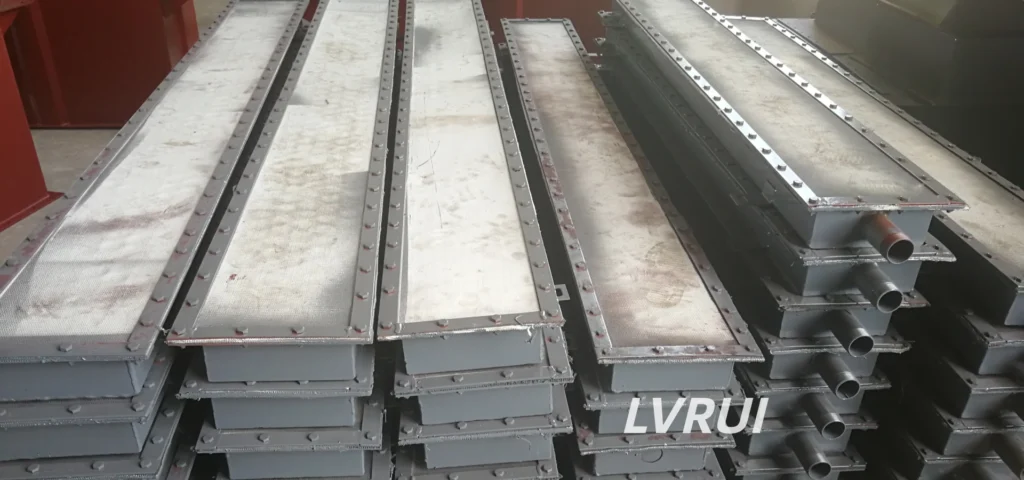
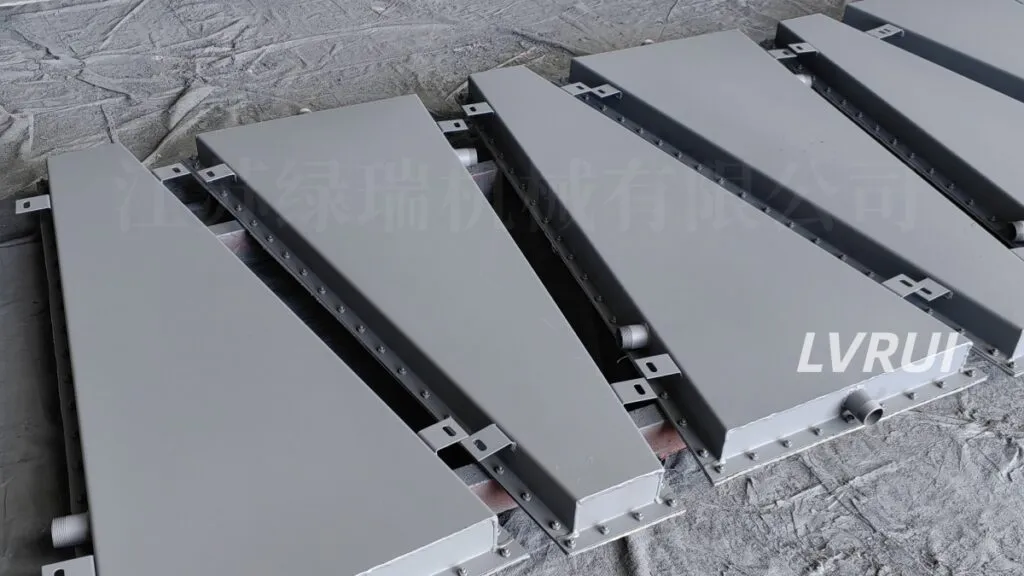
Structure, Installation and Selection Differences Explained
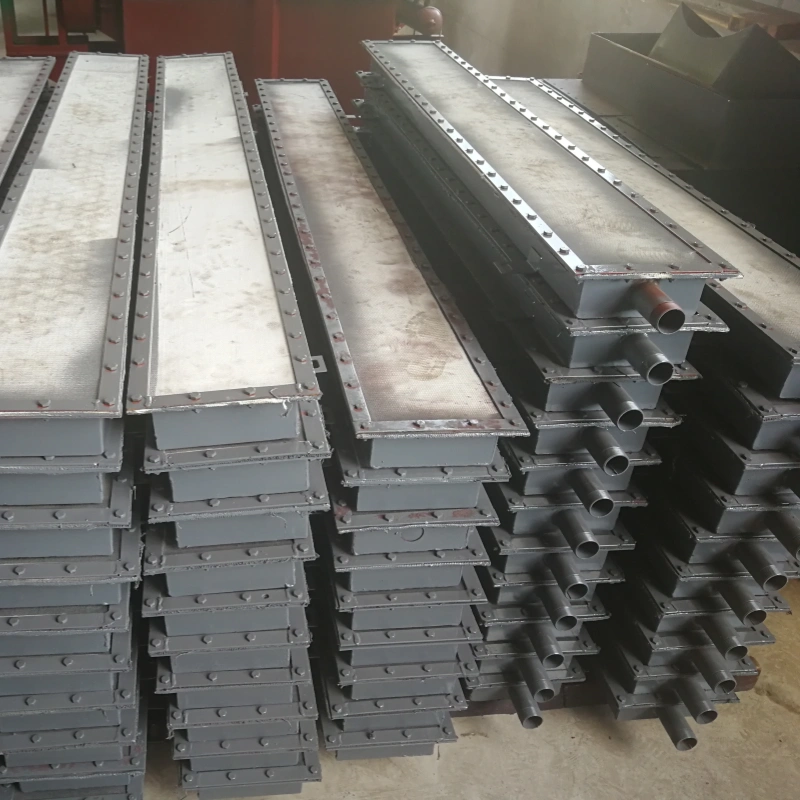
Aeration Pad vs Aeration Box can be confusing because the two terms are sometimes used interchangeably in supplier catalogs, engineering drawings and RFQs. However, the actual components may differ in size, housing design, active aeration area and mounting arrangement.
This comparison explains how to identify each component and what engineers and buyers should confirm before specification or replacement.
What Is an Aeration Pad?
An aeration pad is a localized powder-fluidizing component installed on a silo cone, hopper bottom or discharge zone. Low-pressure air passes through a permeable fabric or membrane and enters the surrounding dry powder.
In LVRUI applications, an aeration pad is generally a relatively compact fluidizing element used where localized aeration is required near a discharge area.
Its exact size, housing, air inlet and mounting arrangement may vary according to the silo design.
What Is an Aeration Box?
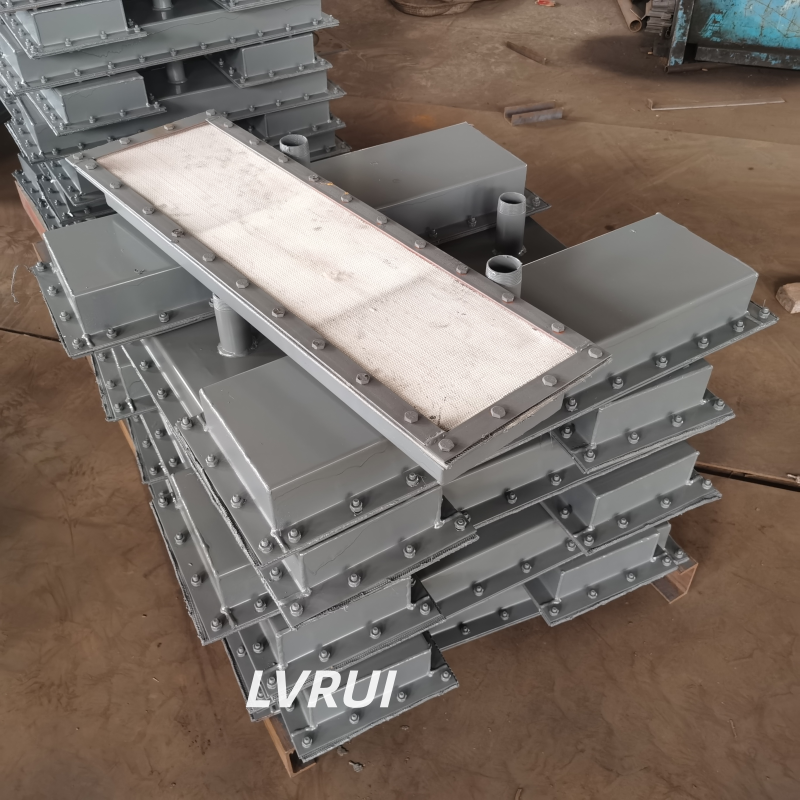
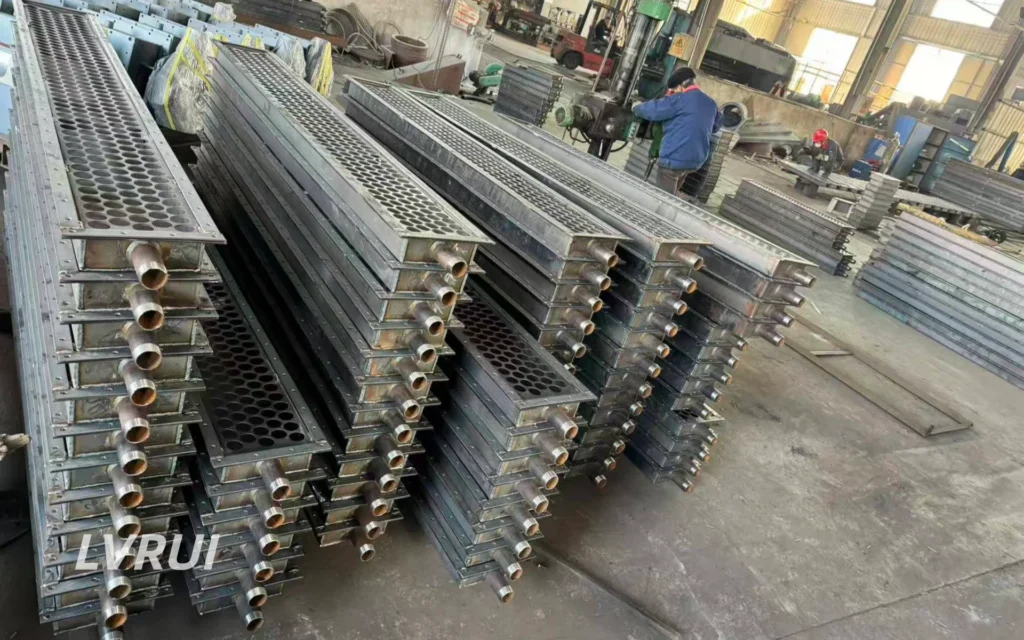
An aeration box is generally a larger enclosed aeration structure that combines an air chamber, permeable fluidizing surface, supporting structure and air inlet.
Depending on the project, aeration boxes may be installed on or around the silo cone, hopper wall or other powder-discharge areas to provide a larger active aeration surface.
The term is not completely standardized. Some drawings and suppliers may use “aeration box” for equipment that another supplier calls an aeration pad. Therefore, the component should be identified by its actual construction, dimensions, active aeration area and mounting arrangement rather than by terminology alone.
Aeration Pad vs Aeration Box: Are They the Same?
Not necessarily.
Aeration pad and aeration box are sometimes used interchangeably in supplier catalogs, RFQs and engineering drawings, but the physical components may differ in size, housing design, active aeration area and installation method.
The safest approach is to compare the actual equipment specification rather than relying only on the product name.
| Comparison Point | Aeration Pad | Aeration Box |
|---|---|---|
| Typical form | Compact or localized fluidizing element | Larger enclosed fluidizing structure |
| Aeration area | Usually localized | Often larger or more extended |
| Main construction | Housing + permeable surface + air connection | Air chamber/box + support structure + permeable surface + air inlet |
| Typical mounting | Silo cone, hopper or discharge zone | Silo cone, hopper wall or larger aeration zone |
| Project terminology | Often used as a product/supplier term | Often used as a structural/engineering term |
| Interchangeable? | Sometimes | Sometimes |
| How to confirm | Drawing, dimensions, aeration area and connection | Drawing, dimensions, aeration area and connection |
The terminology can overlap, but this does not mean every aeration pad and every aeration box are physically interchangeable.
How to Specify an Aeration Pad or Aeration Box
When a project uses either term, confirm the physical component before quotation or manufacturing.
Check the following information:
- Overall length and width
- Active permeable aeration area
- Housing or air-chamber depth
- Air inlet size and position
- Fabric or membrane construction
- Internal support structure
- Mounting method
- Installation position
- Required quantity
For a new silo project, the final component should also match the approved aeration pad installation method and air-line arrangement.
If the project has not yet determined the number and installation locations, review the aeration pad placement design separately before finalizing the equipment quantity.
For replacement projects, the original drawing or clear site photos are especially important. Two components described as “aeration pads” may have different dimensions and mounting arrangements, while an item called an “aeration box” may be very similar to a pad supplied under another project specification.
For this reason, LVRUI recommends confirming the drawing and construction rather than selecting equipment from the name alone.
Component identification should also be separated from overall bulk-solid flow behavior. Silo discharge performance can be affected by material cohesion, moisture and hopper flow pattern independently of whether the fluidizing component is called an aeration pad or aeration box.
Terminology in Drawings, RFQs and Replacement Projects
Terminology is especially important when replacing existing silo aeration equipment.
A customer may request an “aeration pad,” while the original drawing identifies the same installation as an “aeration box,” “fluidizing box,” or another project-specific term. Conversely, two components with similar names may have different dimensions or mounting structures.
When reviewing an RFQ or replacement request, confirm:
- Original drawing or equipment tag
- Existing mounting interface
- Site photos showing the installed component
- Any project-specific terminology used in the equipment list
These records should then be checked against the physical dimensions and construction specified above.
If the existing component matches the drawing but airflow or silo discharge remains abnormal, follow a separate aeration pad troubleshooting process before deciding that replacement is necessary.
Summary: Aeration Pad vs Aeration Box
Aeration pad and aeration box describe closely related silo aeration components, and the terminology may overlap between suppliers and engineering projects. However, they should not automatically be treated as identical products.
An aeration pad is typically a localized fluidizing element, while an aeration box often describes a larger enclosed aeration structure. Actual construction varies between projects.
When comparing aeration pad vs aeration box, check the drawing, dimensions, active aeration area, air chamber, mounting method and air connection before selecting or replacing the equipment.
The component specification is more reliable than the name alone.
FAQ: Aeration Pad vs Aeration Box
Are aeration pads and aeration boxes the same?
Not always. The terms are sometimes used interchangeably, but actual size, housing structure, aeration area and mounting arrangement can differ between projects.
What is the main difference between an aeration pad and an aeration box?
An aeration pad usually refers to a relatively compact or localized fluidizing element, while an aeration box often refers to a larger enclosed structure with an integrated air chamber and permeable aeration surface.
Why are the two terms sometimes used interchangeably?
Silo aeration terminology is not completely standardized. Suppliers, engineering drawings and plant operators may use different names for components based on their function, shape or project history.
Can an aeration box replace an existing aeration pad?
Only after checking the dimensions, active aeration area, air connection and mounting arrangement. Similar function does not guarantee mechanical interchangeability.
What information is needed for a replacement aeration component?
Provide the existing drawing, overall dimensions, air inlet size, installation position, mounting details, quantity and clear photos of the original component.
Should I specify “aeration pad” or “aeration box” in an RFQ?
Either term may be acceptable if the project defines it clearly. The safest RFQ includes the required construction, dimensions, aeration surface, mounting arrangement and air connection together with the product name.
Need Help Identifying an Aeration Pad or Aeration Box?
If you are replacing an existing silo aeration component, send us the equipment drawing, dimensions, air inlet size, mounting details and site photos.
LVRUI can help confirm the required structure and provide a compatible aeration pad or aeration box for your project.
WhatsApp: +86 18261998937
WeChat: +86 18261998937
Email: info@lvrui-conveyor.com