
Bulk Material Handling & Cement Plant Blog
Guides on Pneumatic Conveying, Dust Collection & Bulk Handling
Engineering insights, technical solutions & practical field guides
Expert articles on air-slide conveying, pneumatic conveying, dust collection, bulk loading systems, and industrial material handling engineering.
Most Popular Blogs
More Engineering Insights & Practical Guides
Learn more practical guides and engineering insights on air slide systems, dust collection, bulk material conveying, industrial valves, and cement plant operations. Explore the latest updates and expert advice below.
-

Cement Powder Lumps After Silo Discharge: How They Block Conveyors and Valves
Cement powder lumps after silo discharge can create serious problems in downstream equipment. Once hardened lumps leave the silo outlet, they may block screw conveyors, disturb air slide conveyor fluidization,…
-
Flow Control Valve for Cement & Bulk Material Handling — Complete Guide
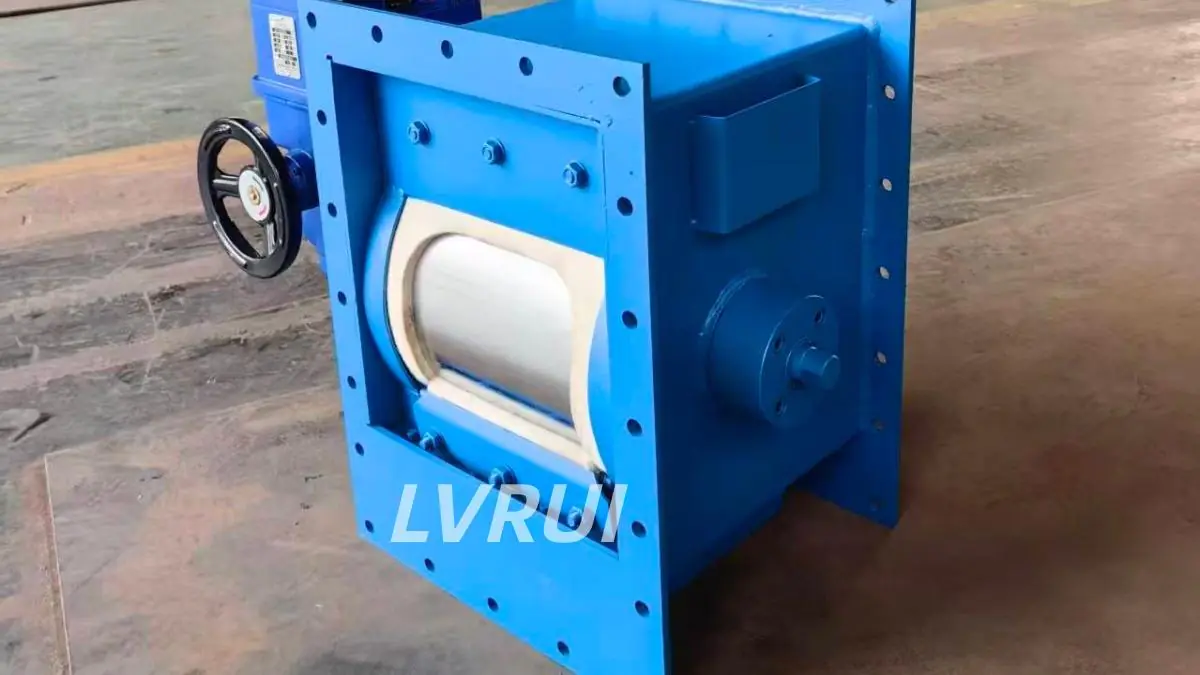
This complete guide explains how Flow Control Valves work in cement plants and bulk material handling systems, including their features, applications, benefits, and why LVRUI is a trusted manufacturer for…
-
Bulk Loader Applications: Where Cement & Powder Bulk Loading Systems Are Used
This article explains bulk loader applications in cement plants, power plants, mining operations, chemical industries, food, and agriculture. Learn how these systems provide fast, dust-free, and efficient loading for trucks,…
-
High-Efficiency Belt Conveyor System for Bulk Material Handling
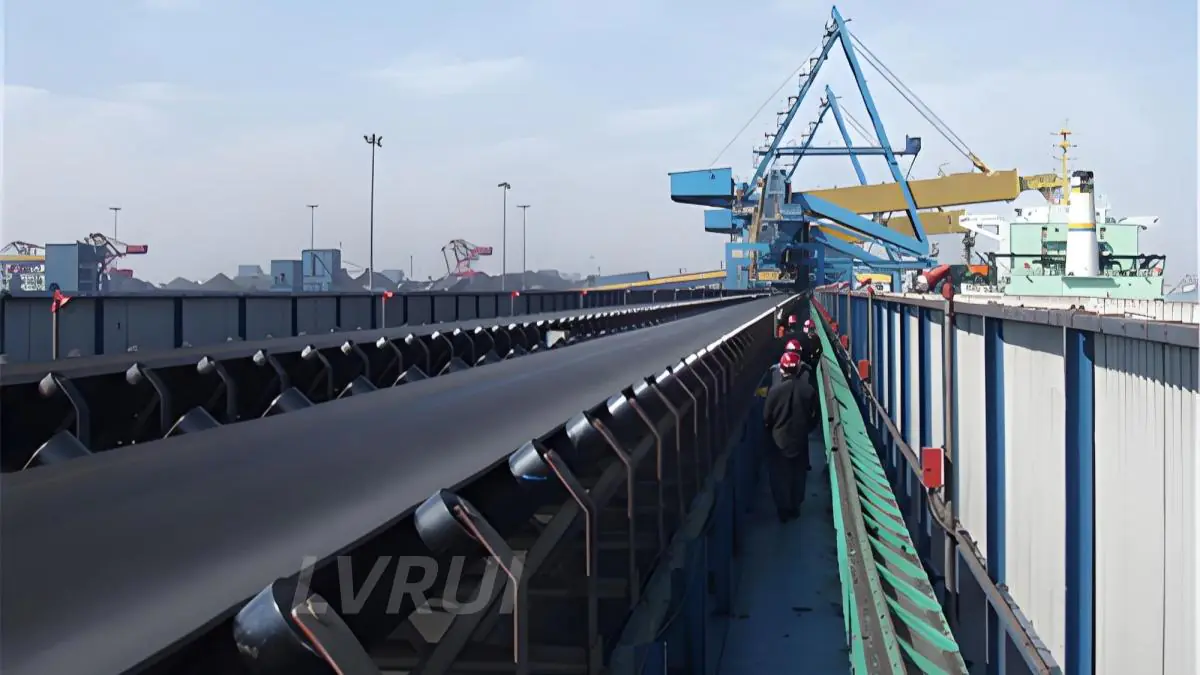
This article explains the high-efficiency belt conveyor system for bulk material handling, covering working principles, key benefits, applications, and LVRUI solutions. It highlights how these conveyors ensure continuous, stable, and…
-
Air Slide Canvas Working Principle for Cement Plants
Air slide canvas working principle is based on low-pressure air passing through a permeable canvas layer to fluidize dry cement powder. This article explains how air slide canvas works in…
-
What Is a Industrial Flap Valve and Why It Matters in Bulk Powder Handling?
Industrial flap valves are essential components in cement plants and bulk powder handling systems. They provide reliable pneumatic conveying, dust-proof operation, and low-maintenance performance for silo discharge, loading stations, and…
-
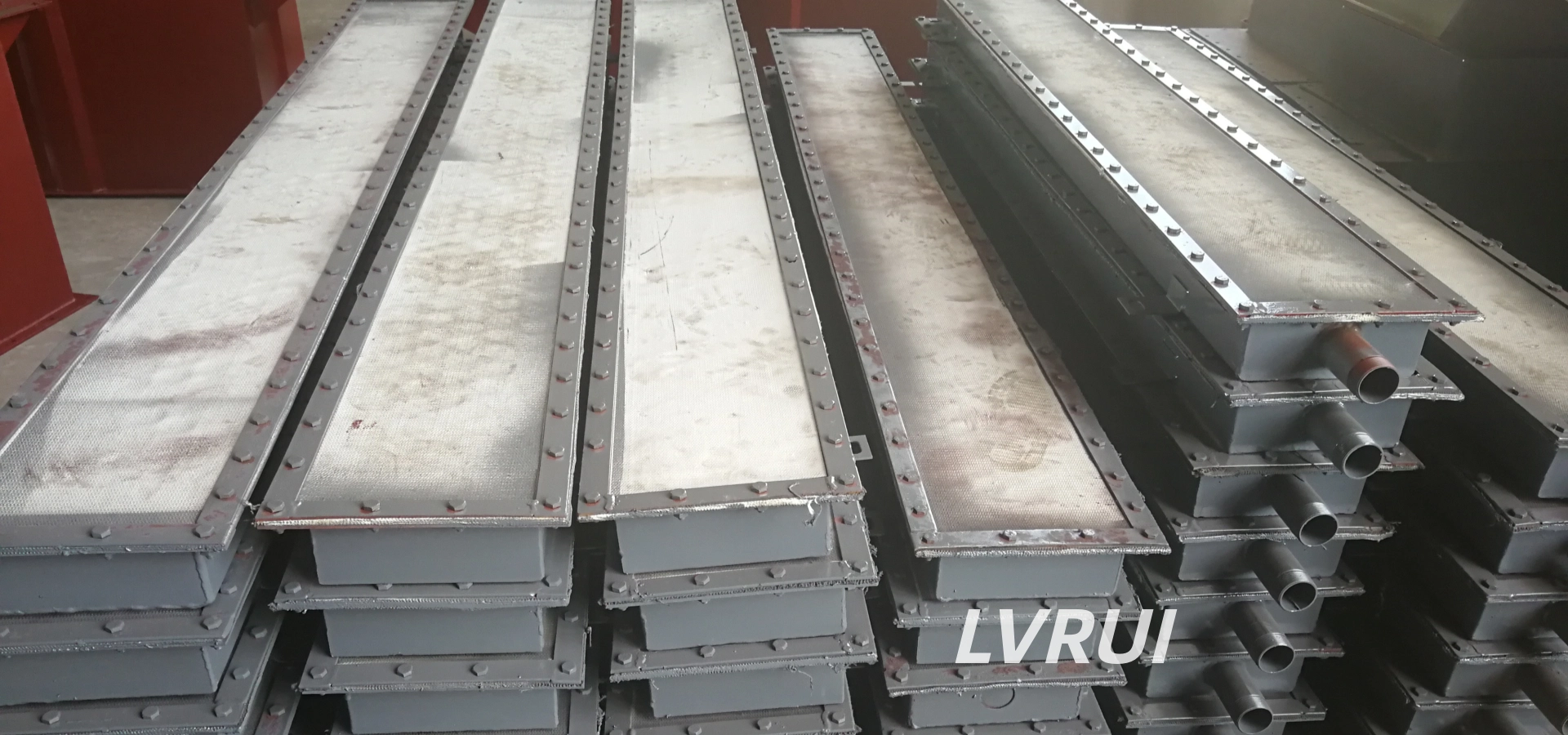
Why Aeration Pads Are Important for Smooth Powder Discharge in Silos
In cement and bulk powder industries, material flow problems such as bridging, hang-ups, and blockages at silo discharge outlets are common. Aeration pads are essential devices that fluidize powders, reduce…

For readers interested in the fundamentals of pneumatic conveying systems, refer to this technical overview on Pneumatic Conveying Principles by Wikipedia.
To better understand global practices in industrial dust control, you can also explore Industrial Dust Collection Standards and Applications by ACT Dust Collectors.
Ready to Work with a Reliable Manufacturer?
Partner with LVRUI for professional bulk material handling solutions and responsive technical support.
✅ Get expert quotation and customized cement & bulk powder handling solution within 12 hours
✅ Factory direct supply for fly ash, clinker, and cement silo loading systems
✅ Professional engineering support for bulk powder handling projects in Southeast Asia and Indonesia
✅ Stable delivery for overseas industrial projects