How to Diagnose Low Airflow, Uneven Aeration and Poor Powder Flow
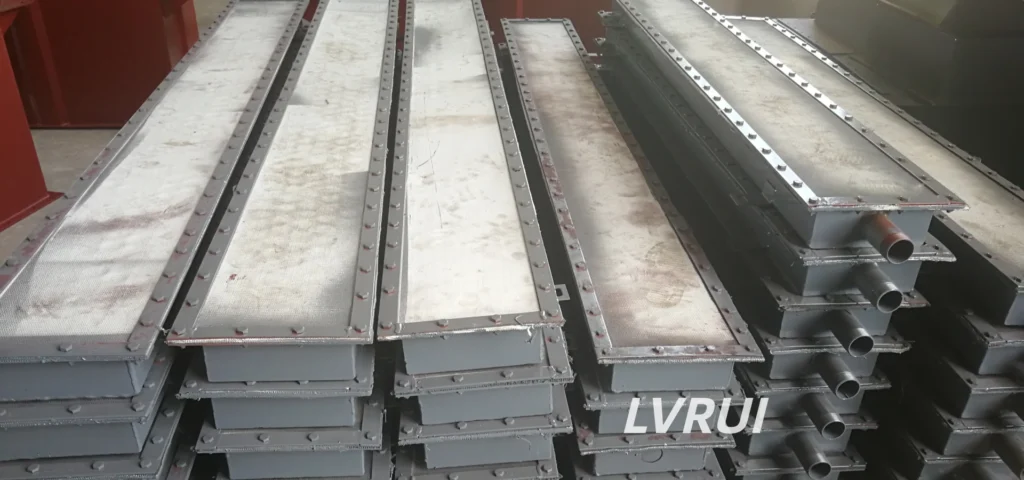
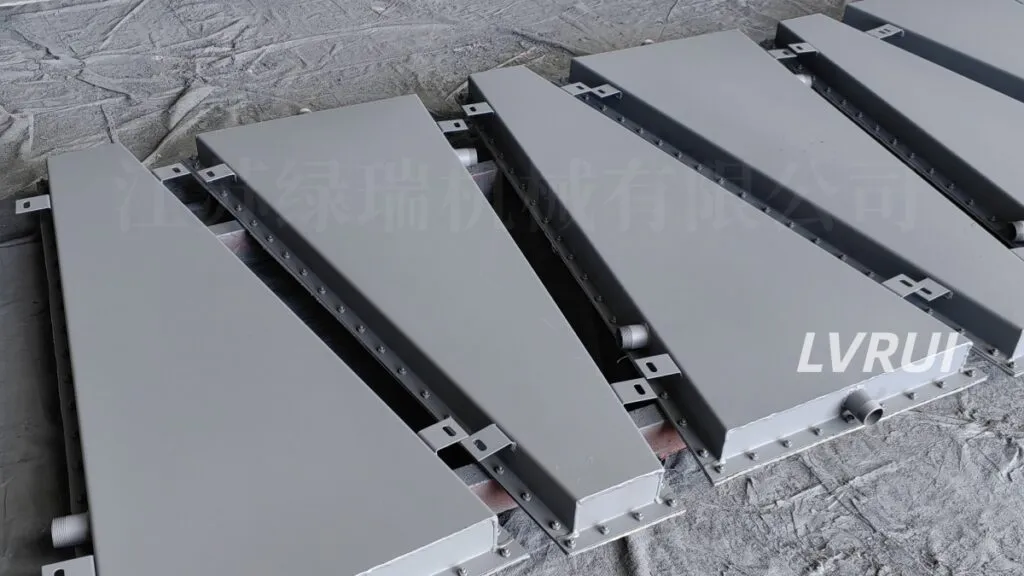
Aeration Pad Troubleshooting should begin by identifying whether poor silo discharge is actually caused by the aeration system. Aeration pads help suitable dry powders move toward a silo or hopper outlet, but slow or uneven cement discharge does not automatically mean that the pad itself has failed.
The problem may come from the air source, branch piping, air leakage, uneven airflow distribution, contaminated aeration fabric, material condition, or another part of the silo discharge system.
This guide focuses specifically on troubleshooting aeration pad and silo aeration problems. For newly installed systems, first verify the aeration pad installation before assuming that the component itself has failed.
1. First Confirm Whether Aeration Is the Real Problem
Before increasing airflow or replacing aeration pads, determine whether the poor discharge actually originates in the aeration system.
Typical signs of an aeration-related problem include:
- Little or no air reaching one or more pads
- Large airflow differences between aeration zones
- Powder remaining compacted around an aerated area
- Abnormal air pressure or airflow compared with normal operation
- Increasing air consumption without better powder movement
- Some aeration zones working while others remain inactive
- Gradual deterioration in discharge performance over time
However, aeration pads cannot solve every silo discharge problem.
If cement has become wet, heavily caked or hardened, the outlet is physically blocked, large lumps are present, the discharge gate is restricting flow, or downstream equipment cannot receive the material, increasing aeration will not remove the root cause.
A useful first question is therefore:
Is air failing to reach and fluidize the powder, or is the restriction somewhere else in the material flow path?
Answering this first helps avoid unnecessary changes to otherwise functioning aeration pads.
2. Check the Air Source and Airflow Path
If the aeration system appears to be involved, follow the airflow path from the air source to the affected pad.
Check:
- Aeration blower operating condition
- Main air header
- Isolation and regulating valves
- Individual branch pipes
- Flexible hoses
- Pipe fittings
- Air inlet connections
- Filters or other air-side components
If several pads lose airflow at the same time, first investigate components shared by those pads, such as the blower, main header or common valve.
If only one aeration pad or one branch is affected, concentrate on that individual branch, connection and pad.
Pressure Is Available but Powder Still Does Not Move
A normal pressure reading at the main header does not prove that sufficient air is reaching the powder.
Restrictions may still exist downstream of the measurement point.
Possible causes include:
- Partially blocked branch piping
- Incorrect valve position
- Kinked flexible hose
- Contaminated aeration fabric
- Dust inside the air chamber
- Excessive pressure loss in the branch line
Compare the affected branch with a normally functioning branch where possible.
The objective is to identify whether the restriction occurs:
before the aeration pad → inside the aeration pad → or in the powder itself.
Do not automatically increase blower output before locating the restriction.
3. Check Air Leakage and Uneven Air Distribution
Air supplied to the system should pass through the intended porous aeration surface.
Leakage before this point reduces useful aeration.
Inspect:
- Pad mounting interfaces
- Gaskets
- Flanges
- Threaded connections
- Hose joints
- Welded connections
- Branch piping
- Pad air inlets
Several small leaks can consume a significant amount of airflow even when the blower appears to be operating normally.
Repair obvious leaks before increasing the air supply.
Why Some Aeration Pads Work Better Than Others
Uneven airflow distribution can cause one section of the silo cone to remain active while another section stays compacted.
Possible causes include:
- Different branch pipe lengths
- Excessive bends or restrictions
- Different valve positions
- Local air leakage
- Blocked branches
- Differences in pad condition
Air follows the path of lower resistance. One branch may therefore receive excessive airflow while another receives too little.
When troubleshooting a multi-pad system, compare individual aeration zones rather than looking only at total blower capacity.
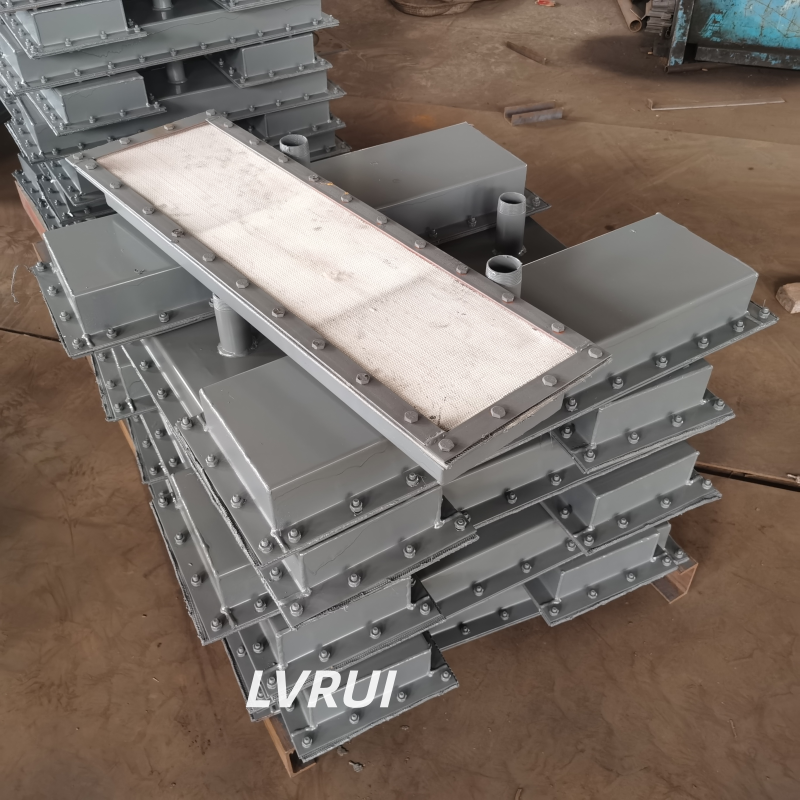
If the air system is functioning normally but the actual stagnant area is not adequately covered by the installed pads, the problem may be related to aeration pad placement rather than equipment failure.
4. Check the Material and Actual Discharge Behavior
Aeration works best with suitable dry powders that can respond to fluidizing air.
Material condition can change during storage.
Check for:
- Long storage time
- Moisture or condensation
- Water ingress
- Hardened cement
- Large cement lumps
- Severe compaction
- Changes in powder characteristics
Aeration pads cannot reliably restore heavily caked, wet or hardened cement simply by supplying more air.
Intermittent or Surging Discharge
A common symptom is:
Little material discharge
→ increased aeration
→ sudden material movement
→ temporary high discharge
→ unstable flow again.
This does not necessarily mean the system needs more total airflow.
Possible causes include:
- Uneven aeration
- Local stagnant zones
- Rat-holing
- Air channeling
- Compacted material
- Unequal branch airflow
Arching and rat-holing can also result from the inherent flow behavior of the stored bulk solid, particularly when cohesion, moisture and hopper flow pattern are involved.
Aeration improves powder mobility but does not precisely control discharge quantity.
Once powder reaches the silo outlet, a flow control gate or other suitable discharge-control device may be required to regulate material entering the downstream conveyor.
If the aeration system is functioning correctly but instability continues downstream of the outlet, further diagnosis should move to the discharge-control or conveying equipment.
5. Inspect the Aeration Pad Condition
If the air source, branch piping and connections are normal, inspect the aeration pad itself.
A contaminated or damaged porous surface may reduce or distort airflow.
Typical indications include:
- Lower airflow than comparable pads
- High resistance in one branch
- Powder remaining compacted directly around the pad
- Uneven airflow across the active surface
- Visible contamination
- No improvement after checking upstream piping
During scheduled maintenance, inspect for:
- Embedded powder
- Moisture contamination
- Hardened deposits
- Mechanical damage
- Torn porous fabric
- Local wear
- Separation from the supporting structure
Cleaning methods should match the actual fabric construction.
Avoid aggressive cleaning that could damage the porous structure or permanently change its permeability.
When Should an Aeration Pad Be Replaced?
Do not use a fixed number of years as the universal replacement interval.
Service life depends on operating conditions, including:
- Operating hours
- Powder characteristics
- Air cleanliness
- Moisture exposure
- Fabric construction
- Installation condition
- Airflow and operating pressure
- Maintenance practices
Replacement should be based on actual condition and performance.
Consider replacement when:
- The porous fabric is physically damaged
- Permanent blockage cannot be removed
- Air distribution remains severely uneven after the branch system has been checked
- Powder has entered and damaged the air-side structure
- The housing or mounting structure is damaged
- Stable airflow can no longer be achieved under normal operating conditions
If inspection confirms permanent fabric blockage, physical damage, or unstable airflow that cannot be corrected, a compatible replacement aeration pad may be required. If several pads appear to fail at approximately the same time, check the common air supply and material condition before replacing all of them.
Multiple simultaneous problems often point to a system-level cause.
6. Follow a Structured Troubleshooting Sequence
A structured aeration pad troubleshooting process is more effective than changing several operating conditions at the same time.
Use this sequence instead:
Step 1 – Check the material
Confirm that the cement remains dry and suitable for aeration.
Step 2 – Check the air source
Confirm normal blower operation and available airflow.
Step 3 – Check the main air header
Look for restrictions, leakage or abnormal operating conditions.
Step 4 – Compare individual branches
Determine whether the problem affects the complete system, one aeration zone or one individual pad.
Step 5 – Check valves, pipes and hoses
Confirm that air can physically reach the affected pad.
Step 6 – Check for leakage
Repair bypass leakage before increasing airflow.
Step 7 – Inspect the aeration pad
Check the porous surface, housing and air inlet after upstream causes have been eliminated.
Step 8 – Observe actual powder response
Do not evaluate performance from pressure readings alone. Confirm whether powder movement near the discharge zone actually improves.
Step 9 – Move beyond the aeration system if necessary
If aeration is functioning normally, continue troubleshooting the complete cement silo discharge system, including the silo outlet, discharge-control equipment and downstream conveyor.
This sequence helps identify the root cause without replacing functioning components unnecessarily.
7. Aeration Pad Troubleshooting Checklist
Before changing blower settings or replacing components, confirm:
✓ Is the stored powder still dry and suitable for fluidization?
✓ Is the blower and main air header operating normally?
✓ Are the required valves, branch pipes and hoses clear?
✓ Is air leaking before reaching the aeration pads?
✓ Are different aeration zones receiving reasonably balanced airflow?
✓ Is the porous fabric contaminated, blocked or damaged?
✓ Are hardened material, compaction or moisture affecting powder flow?
✓ Is the restriction actually inside the aeration system or elsewhere in the silo discharge path?
If the aeration system is operating correctly, avoid increasing pressure or replacing pads without evidence. Continue the diagnosis through the remaining silo discharge system.
FAQs About Aeration Pad Troubleshooting
Why is my cement silo still discharging slowly even with aeration pads?
Possible causes include insufficient airflow, blocked branch piping, air leakage, contaminated aeration fabric, uneven air distribution, compacted material, moisture or another restriction in the silo discharge system. Check the complete airflow path before replacing the pads.
How do I know whether an aeration pad is blocked?
Compare its airflow with other pads connected to the same system. If the valve and branch line are clear but airflow through the pad remains significantly lower, inspect the porous surface for contamination, moisture or permanent blockage.
Should I increase air pressure when cement discharge becomes poor?
Not automatically. Higher pressure cannot correct a blocked pipe, air leak, contaminated fabric, hardened cement or poor airflow distribution. Identify the cause before changing operating conditions.
Why do some aeration pads work better than others?
Differences may result from branch pipe resistance, valve settings, leakage, blocked lines, pad contamination or uneven airflow distribution. Compare individual branches instead of evaluating only total blower output.
Can aeration pads break hardened cement lumps?
No. Aeration pads improve the movement of suitable dry powder. They are not lump breakers and should not be expected to break hardened or heavily caked cement.
How often should aeration pads be replaced?
There is no universal replacement interval. Replacement should be based on actual fabric condition, airflow performance, contamination, mechanical damage and operating history.
Need Help Diagnosing an Aeration Pad Problem?
If your silo still has poor or uneven powder discharge, send us the stored material, silo dimensions, aeration pad arrangement, available air supply, and site photos or drawings.
LVRUI can help review whether the problem is related to airflow, piping, aeration pad condition, or another part of the silo discharge system, and recommend replacement aeration pads if required.
WhatsApp: +86 18261998937
WeChat: +86 18261998937
Email: info@lvrui-conveyor.com